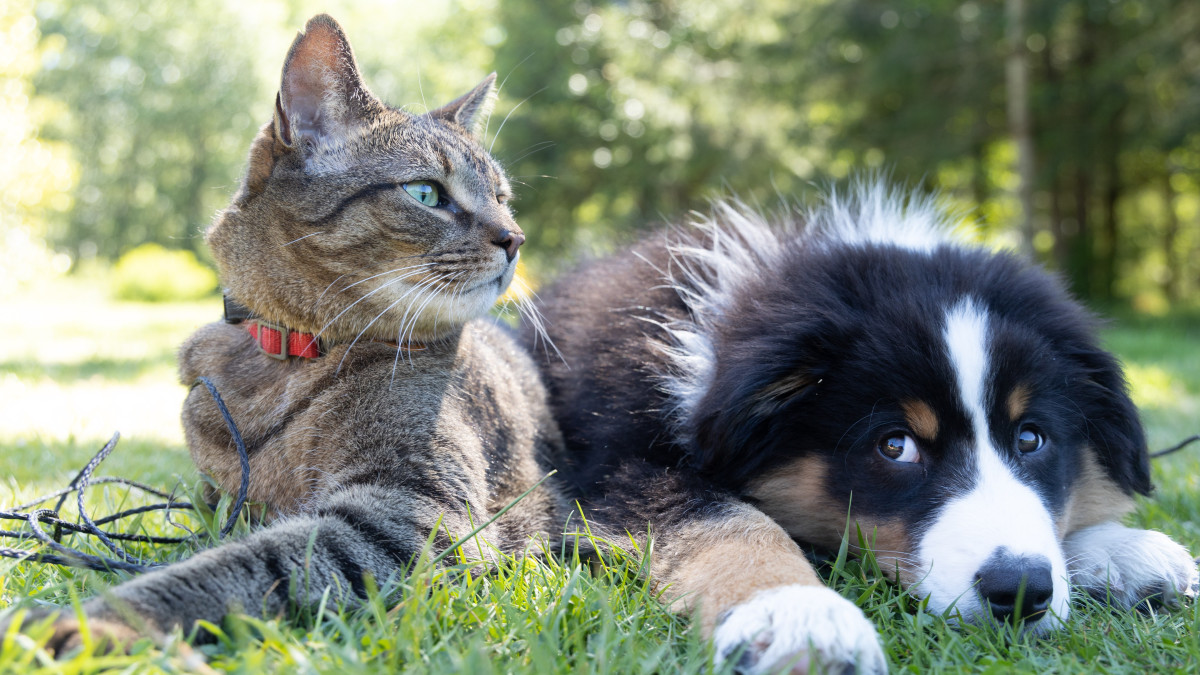
Are you thinking about adding a furry friend to your family but worried about how your cat will react? Finding a dog breed that gets along well with cats can make your home peaceful and happy.
You want a companion that won’t just tolerate your cat but actually enjoy their company. You’ll discover which dog breeds are known for being great with cats. Knowing this can save you time, stress, and help you create a loving environment for both pets.
Keep reading to find the perfect match for your cat and your lifestyle!
Traits Of Dog Breeds That Get Along With Cats
Understanding the traits of dog breeds that get along well with cats can make a big difference in creating a peaceful home. Not all dogs have the same personality or instincts, and some are naturally better at living alongside feline friends. Recognizing these traits helps you choose a dog that fits smoothly into your household, reducing stress for everyone involved.
Temperament Factors
Look for dogs with calm, gentle, and patient temperaments. Breeds that show low aggression and high tolerance tend to coexist peacefully with cats. Dogs that are less territorial and more adaptable often accept a cat’s presence without feeling threatened.
Think about how your dog reacts to small, fast movements—some dogs have a strong prey drive, which can make living with cats challenging. Breeds like Golden Retrievers and Basset Hounds are known for their friendly and easygoing natures, making them better companions for cats.
Energy Levels
Matching energy levels between your dog and cat is crucial. A highly energetic dog may overwhelm a calm cat, leading to stress or fear. On the other hand, a dog with moderate energy often matches the playful but independent nature of cats.
If your cat enjoys bursts of play but also appreciates quiet time, consider dog breeds like Cavalier King Charles Spaniels or Bulldogs, which balance activity with relaxation. This harmony helps both pets feel comfortable and secure.
Socialization Importance
Socialization plays a key role in building a positive relationship between your dog and cat. Dogs exposed to cats early on are usually less fearful and more accepting. Even adult dogs can learn to live with cats if introduced properly and given time to adjust.
Spend time guiding interactions and rewarding calm behavior in both animals. This encourages trust and helps prevent misunderstandings. Have you noticed how your dog reacts to new animals? Observing this can guide how you approach introductions to your cat.
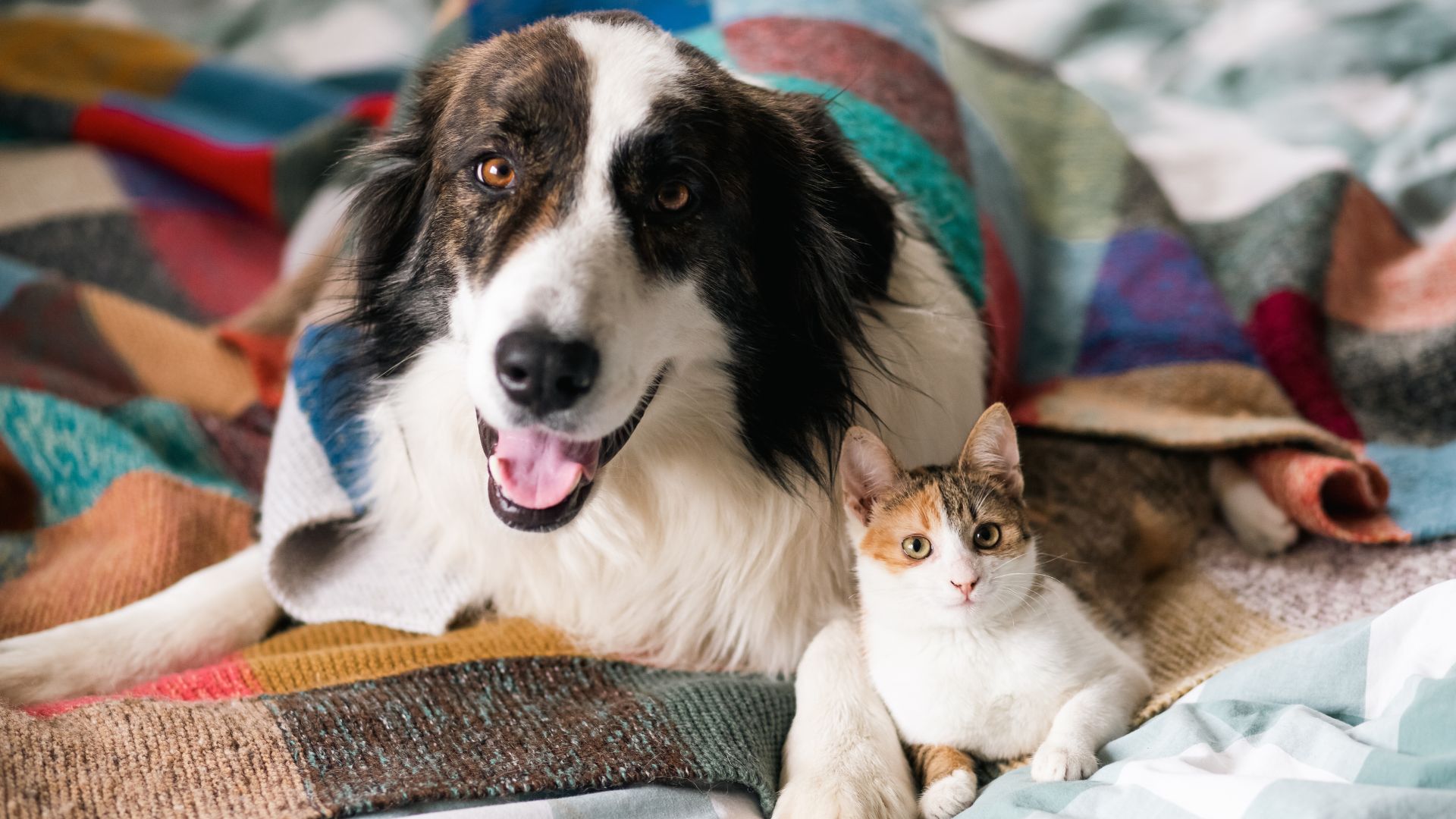
Credit: worldanimalfoundation.org
Small Dog Breeds Friendly To Cats
Small dog breeds often make great companions for cats. Their size and gentle nature help them get along well. Many small breeds enjoy calm environments and can adapt easily to living with cats. Choosing the right small dog can create a peaceful home for everyone.
Cavalier King Charles Spaniel
The Cavalier King Charles Spaniel is friendly and calm. This breed loves gentle play and enjoys quiet time. They rarely chase cats, making them good housemates. Their sweet nature helps cats feel safe.
Pug
Pugs have a playful yet easygoing personality. They are curious but not aggressive. Pugs like to be near their family, including cats. Their small size and calm attitude help them blend in well.
Bichon Frise
Bichon Frises are cheerful and social dogs. They enjoy meeting new pets and people. Their gentle behavior suits homes with cats. Bichons rarely show signs of dominance, which keeps peace.
Medium Dog Breeds That Bond Well With Cats
Choosing a dog that naturally gets along with cats can make your home more peaceful and joyful. Medium dog breeds often strike the perfect balance—they are playful yet gentle, strong yet adaptable. These breeds tend to bond well with feline friends, creating a harmonious environment for both pets.
Beagle
Beagles are curious and friendly dogs known for their gentle nature. Their social personality makes them great companions for cats. If you have a Beagle, you might notice how easily they adjust to a cat’s pace, often showing patience and a playful attitude without overwhelming.
Have you observed your Beagle watching a cat calmly or even sharing a nap spot? That’s a sign of a growing bond. Their moderate size also helps—they’re not too big to intimidate and not too small to be ignored.
Bulldog
Bulldogs are calm and affectionate, often seeking comfort over chaos. This breed usually respects a cat’s space, which helps build trust between them. Their laid-back nature makes them less likely to chase or provoke cats, easing any tension.
Imagine a Bulldog lounging next to a cat without any signs of stress or aggression—that peaceful coexistence is common. Bulldogs don’t demand constant attention, so cats can feel secure and independent around them.
Collie
Collies are intelligent and sensitive dogs that often understand subtle cues from cats. They tend to be gentle and protective, sometimes even taking on a guardian role for their feline companions. Their energy levels mean they enjoy playtime but also know when to calm down.
Have you seen a Collie patiently waiting for a cat to join in play or resting quietly beside them? This shows their ability to read and respect a cat’s mood. Their eagerness to please often leads to a strong, respectful bond with cats in the household.
Credit: worldanimalfoundation.org
Large Dog Breeds Known For Cat Compatibility
Large dog breeds often get a bad reputation for not being good with cats. Many big dogs have gentle and calm temperaments that help them live peacefully with feline friends. These breeds tend to be patient and friendly, making them great companions for cats. Their size does not mean they are aggressive toward smaller animals. With proper introduction and care, these large dogs can share a home happily with cats.
Golden Retriever
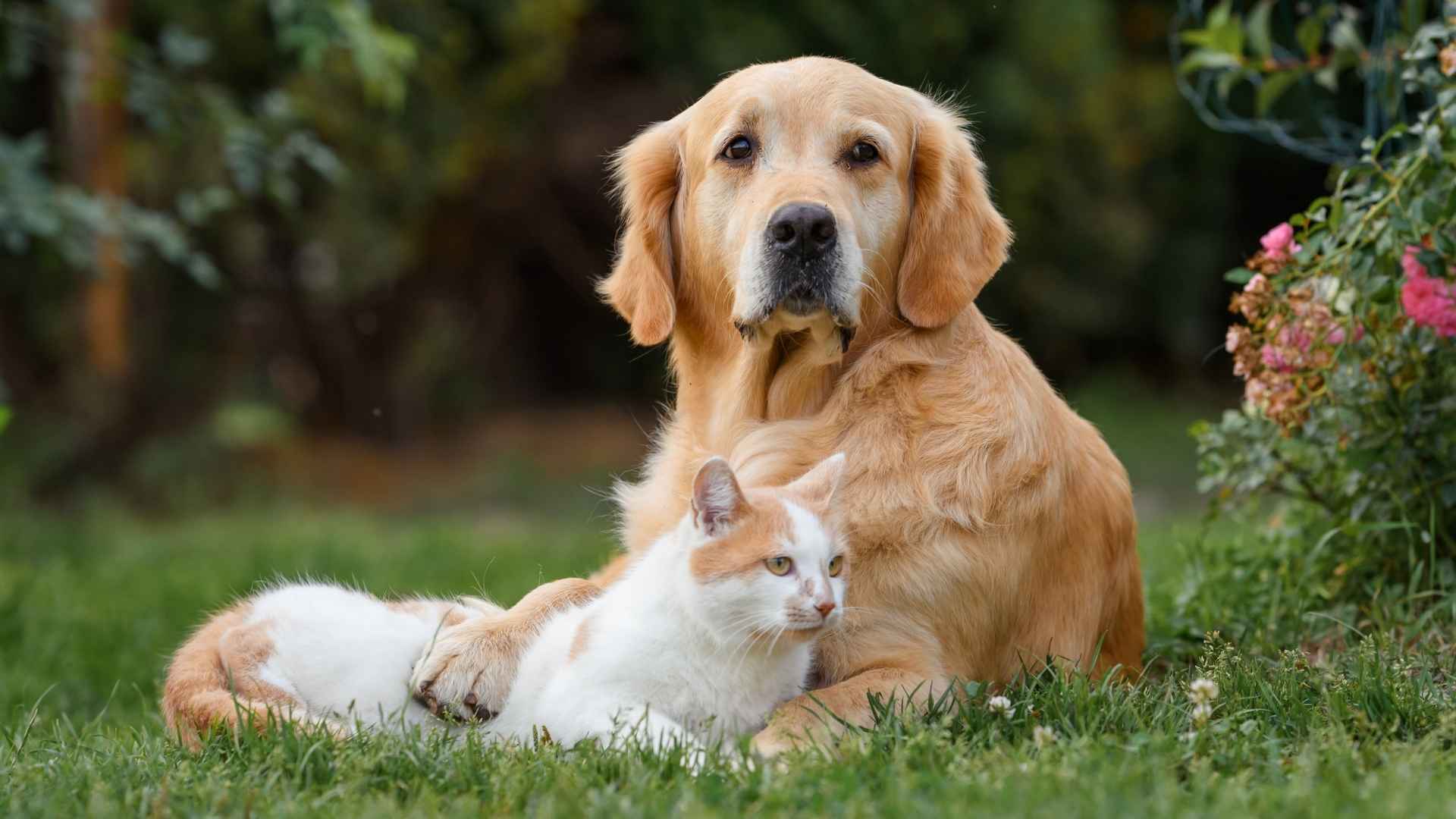
Golden Retrievers are known for their friendly and gentle nature. They are patient and tolerant, which helps them get along well with cats. This breed enjoys being part of a family and shows kindness to smaller pets. Their calm behavior makes them less likely to chase or scare cats. Training and socializing a Golden Retriever early helps build trust with feline friends.
Labrador Retriever
Labrador Retrievers are playful but gentle dogs. They often enjoy the company of cats and other pets. Labs are loyal and easy to train, which helps them respect cats’ space. Their social and friendly attitude makes them good housemates for cats. With supervision, Labs and cats can become close companions.
Newfoundland
Newfoundlands are large but very calm and sweet dogs. They have a natural patience that works well with cats. Despite their size, they move slowly and gently around smaller animals. Newfoundlands enjoy quiet and peaceful homes where cats feel safe. Their protective nature also helps keep cats secure and comfortable.
How To Introduce Dogs To Cats Smoothly
Some dog breeds are known to get along well with cats, making introductions smoother. Breeds like Golden Retrievers, Labrador Retrievers, and Beagles often have friendly temperaments. These dogs are generally gentle and patient, creating a harmonious environment for both pets.
Introducing dogs and cats to each other can feel like orchestrating a complex dance. Their distinct personalities and instincts can make initial meetings challenging. However, with a well-thought-out approach, you can help them become friends—or at least, peaceful housemates. The key is patience, planning, and a little understanding of each animal’s needs. Ready to smooth the path to a harmonious home?Preparing The Environment
Before you bring a dog into a cat’s space, consider their territory. Cats are naturally territorial, and introducing a dog can disrupt their sense of security. Ensure the cat has safe, elevated spaces to escape to, like a cat tree or shelves. Create separate zones for feeding and resting. Dogs and cats have different dietary needs and routines. This separation can prevent conflicts and stress over resources. Also, think about scent. Swapping bedding or toys between the two can help them acclimate to each other’s presence before they meet.First Meeting Tips
The first meeting is crucial. It sets the tone for future interactions. Keep the dog on a leash and allow the cat to approach at its own pace. Stay calm and use a soothing voice to reassure both pets. Your energy can influence their behavior. If tensions rise, separate them and try again later. Short, positive interactions are more beneficial than forcing prolonged meetings.Ongoing Supervision
Even after a successful introduction, supervision is key. Dogs may have a natural instinct to chase, and cats may need time to adjust to a dog’s presence. Observe their body language. A wagging tail or a relaxed posture indicates comfort, while raised fur or growling signals stress. Be prepared to intervene if play becomes too rough or either pet shows signs of aggression. Consider using baby gates to keep them apart when unsupervised, gradually increasing their time together. This approach allows them to build trust at their own pace. Remember, patience is your best tool in fostering a peaceful relationship. Are you ready to see your pets form a bond?Signs Of A Dog Comfortable Around Cats
Dogs comfortable around cats show clear signs in their body and behavior. These signs help you understand if your dog feels safe and calm near cats. Watching these clues can prevent conflicts and create a peaceful home for both pets.
Body Language To Watch
- Relaxed posture with no stiff muscles
- Soft eyes and slow blinking
- Tail wagging gently, not rigid or high
- Loose mouth, sometimes slightly open
- Leaning toward the cat instead of away
- Playful bow or gentle approach
Behavioral Indicators
- Calm sniffing without chasing
- Ignoring sudden cat movements
- Resting near the cat peacefully
- Sharing toys or space without tension
- Following the cat’s lead during play
- Quiet and gentle vocalizations around cats
When To Intervene
- Dog shows stiff body or growling
- Tail held high and stiff
- Intense staring or fixed gaze
- Chasing or snapping at the cat
- Cat hissing or trying to escape
- Any sign of fear or stress in either pet
Training Tips For Dogs Living With Cats
Training a dog to live peacefully with a cat can be a rewarding challenge. It requires patience, consistency, and the right approach to ensure both pets feel safe and respected. Here are some practical training tips that help create a harmonious household where your dog and cat can coexist happily.
Positive Reinforcement
Reward your dog for calm and gentle behavior around your cat. Use treats, praise, or playtime to reinforce moments when your dog remains relaxed or shows curiosity without aggression.
This approach encourages your dog to repeat good behavior. Have you noticed how quickly dogs respond when you reward them right after they do something positive?
Setting Boundaries
Establish clear rules for both your dog and cat. Use baby gates or pet barriers to create safe zones where your cat can retreat if needed.
Make sure your dog understands which areas are off-limits. Consistent boundaries prevent misunderstandings and reduce stress for both pets.
Encouraging Calm Interactions
Guide your dog to approach your cat slowly and calmly. Interrupt any chasing or rough play immediately and redirect your dog’s attention.
Practice short, supervised visits and gradually increase the time they spend together. How do your pets react when you control the pace of their interactions?

Credit: tryfurgo.com
Frequently Asked Questions
Which Dog Breeds Get Along Best With Cats?
Breeds like Golden Retrievers, Beagles, and Basset Hounds are known for their friendly nature. They usually adapt well to living with cats due to their gentle temperament. Early socialization helps ensure harmony between these dogs and cats in a shared home.
Are Small Dog Breeds Good With Cats?
Yes, many small breeds like Cavalier King Charles Spaniels and Pugs are cat-friendly. These dogs tend to be gentle and less threatening to cats, making cohabitation easier. However, individual temperament matters more than size alone.
Can Large Dog Breeds Live Peacefully With Cats?
Large breeds like Labrador Retrievers and Bernese Mountain Dogs often coexist peacefully with cats. Their calm and patient nature helps prevent conflicts. Proper training and introduction are essential for a smooth relationship.
How To Introduce A Dog Breed To A Cat Safely?
Introduce dogs and cats slowly in a controlled environment. Use leashes and keep initial meetings short. Reward calm behavior and supervise interactions until trust builds between them. Patience is key for successful introductions.
Conclusion
Choosing the right dog breed can make life better for your cat. Some breeds are gentle and enjoy calm homes. Others may need training to get along with cats. Always watch their first meetings closely. Patience helps both pets feel safe and happy.
A peaceful home means happy pets and happy owners. Remember, every animal is unique. Find a friend that fits your family well. This way, cats and dogs can live together in harmony.




Leave a Reply