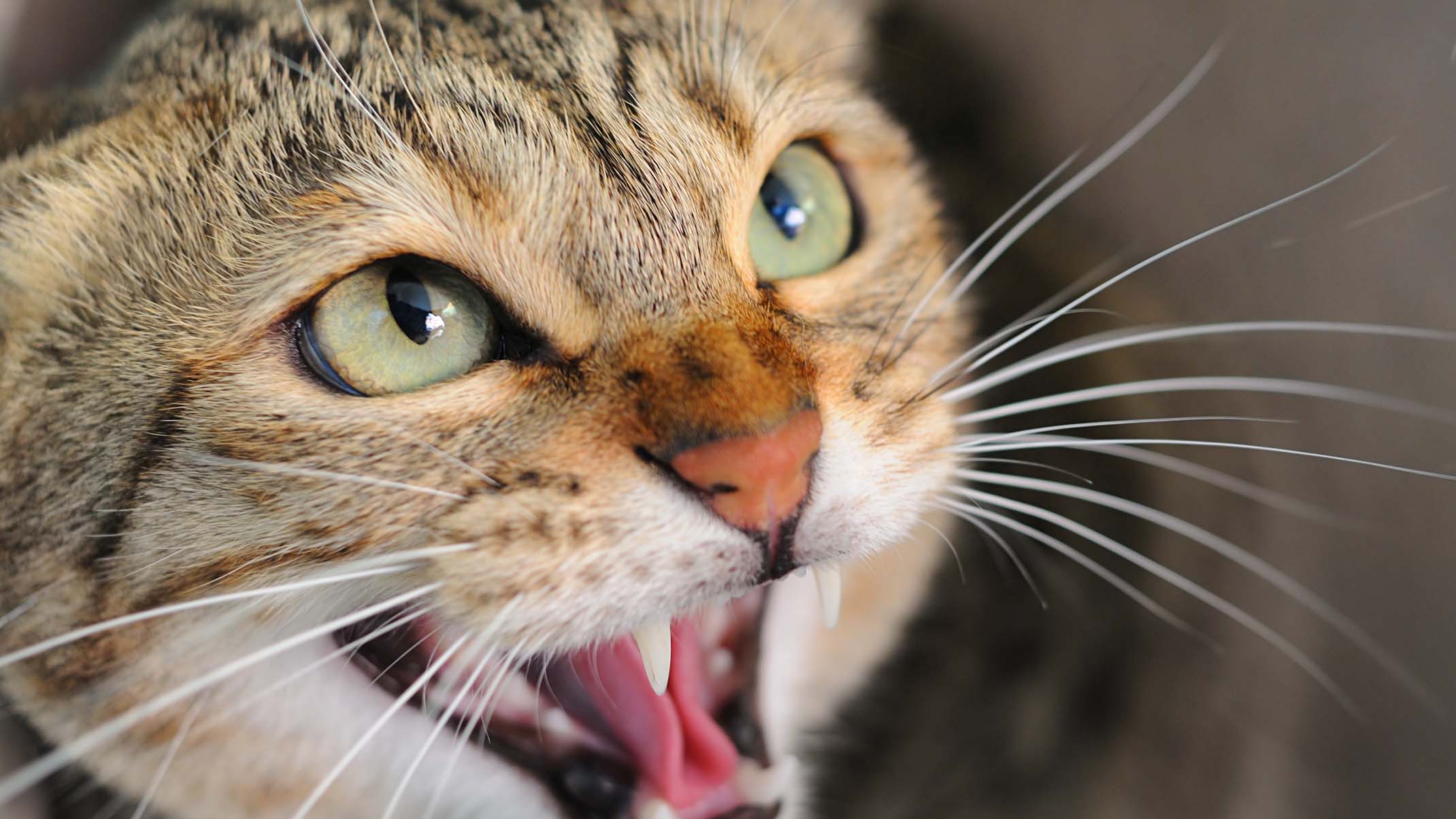
Have you ever noticed your cat suddenly hissing at a simple toy? It might seem strange or even funny at first.
But understanding why your furry friend reacts this way can help you connect better with them. When your cat hisses at their toys, they’re trying to tell you something important. Keep reading, and you’ll discover the surprising reasons behind this behavior—and how it can help you make playtime more fun and stress-free for both of you.
Cats And Hissing Behavior
Cats communicate in many ways, and hissing is one of their most direct signals. Understanding why your cat hisses at toys can reveal a lot about their feelings and instincts. This behavior isn’t just about fear or aggression—it often reflects a complex mix of emotions and reactions.
What Hissing Means For Cats
Hissing is a clear warning sign from your cat. It shows they feel threatened, uncomfortable, or overstimulated. When your cat hisses at a toy, they might be reacting to its movement or appearance as if it’s something unfamiliar or threatening.
Think about how your cat’s body language pairs with the hiss—flattened ears, wide eyes, or a puffed-up tail. These signs tell you your cat is on high alert. Recognizing this helps you understand their boundaries and respect their space.
When Cats Typically Hiss
Cats usually hiss in situations where they feel scared or defensive. This can happen during play if the toy moves too fast or unexpectedly. Sometimes, a cat hisses at a toy because it triggers their hunting instincts, and the toy feels like a real threat.
Have you noticed your cat hissing after being startled or when they’re not in the mood to play? That’s common. They might also hiss if the toy is associated with a negative experience, like a loud noise or an uncomfortable texture.
- If your cat hisses at a new toy, try introducing it slowly.
- Observe how your cat reacts and stop if they seem stressed.
- Use toys that mimic natural prey to engage them without causing fear.
Does your cat hiss more at certain types of toys? Paying attention to these details can help you choose toys that make your cat feel safe and happy during playtime.

Credit: www.catit.com
Toys As Triggers
Cats often react strongly to their toys. Toys can become triggers that make cats hiss. This happens because cats see some toys as threats or surprises. Understanding why toys trigger this behavior helps in choosing better playthings for cats. It also improves the bond between cats and their owners.
Movement And Sound Effects
Fast or sudden movements can startle cats. Toys that move quickly mimic real prey. This can confuse or scare cats instead of attracting them.
Some toys make noises like squeaks or rattles. These sounds can be loud or strange to cats. Instead of being playful, cats may hiss to warn the toy away.
Unfamiliar Or Scary Toys
New toys with unusual shapes or colors can be scary. Cats may not recognize these toys at first. They hiss to protect themselves from unknown items.
Toys that resemble other animals, like snakes or spiders, may frighten cats. This triggers a defensive hiss to keep distance. Gradual introduction helps cats get used to new toys.
Instincts Behind The Reaction
Cats often hiss at their toys, which may seem puzzling at first. This behavior is deeply rooted in their natural instincts. Understanding these instincts helps you connect better with your feline friend and respond appropriately when they hiss during play.
Predatory Instincts
Your cat’s play is a practice of hunting skills. Toys often mimic prey, triggering the cat’s predatory drive to stalk, chase, and pounce. When your cat hisses, it can be a sign of intense focus and excitement, similar to how they behave when hunting real prey.
Think about the last time you saw your cat freeze and hiss at a toy mouse. That hiss isn’t just noise—it’s their way of expressing dominance over what they perceive as prey. It shows they are fully engaged in the hunt, sharpening their skills.
Defensive Responses
Sometimes, a toy can surprise or intimidate your cat, especially if it moves unexpectedly or makes strange noises. The hiss acts as a warning signal to protect themselves from what they see as a potential threat.
Imagine you toss a new toy that suddenly springs or squeaks loudly. Your cat might hiss because they feel unsure or threatened. This is their way of saying, “Back off,” until they feel safe again.
Does your cat hiss more with certain toys or at specific times? Observing these patterns can help you choose toys that keep your cat comfortable and confident during play.
Emotional Responses To Toys
Cats show many emotions through their behavior with toys. Their feelings may include excitement, frustration, or fear. These emotions can cause surprising reactions like hissing. Understanding these responses helps pet owners better care for their cats.
Play Aggression
Sometimes cats hiss during play because of play aggression. This is a mix of hunting instincts and excitement. The toy triggers their natural urge to chase and attack. Hissing can be a way to express intense focus or frustration.
Play aggression is common in young cats and kittens. They practice skills needed for hunting in the wild. Hissing at toys often means they are very engaged in the game. It is not always a sign of anger but part of their play style.
Fear And Anxiety
Cats may hiss at toys when they feel scared or anxious. Strange objects can confuse or frighten them. The hissing acts as a warning to stay away. This reaction protects them from potential danger.
New toys with unusual shapes or sounds might cause fear. Cats need time to get used to unfamiliar items. Gentle introduction and patience help reduce anxiety. Safe and familiar toys encourage happy and relaxed play.
How To Choose The Right Toys
Choosing the right toys for your cat can change how they interact with their playthings—and may even stop them from hissing at toys. Not all toys are created equal, and understanding what fits your cat’s personality and safety needs is key. Let’s look at how to pick toys that keep your cat curious, happy, and safe.
Safe Materials And Sizes
Always check what the toy is made of before buying. Cats chew and paw at their toys, so materials should be non-toxic and durable. Avoid toys with small parts that can come loose and become choking hazards.
Size matters too. A toy that’s too small can easily be swallowed, while one that’s too big might be intimidating. Think about your cat’s size and chewing style. For example, if your cat is a heavy chewer, choose tougher materials like rubber instead of soft fabric.
Interactive Vs. Static Toys
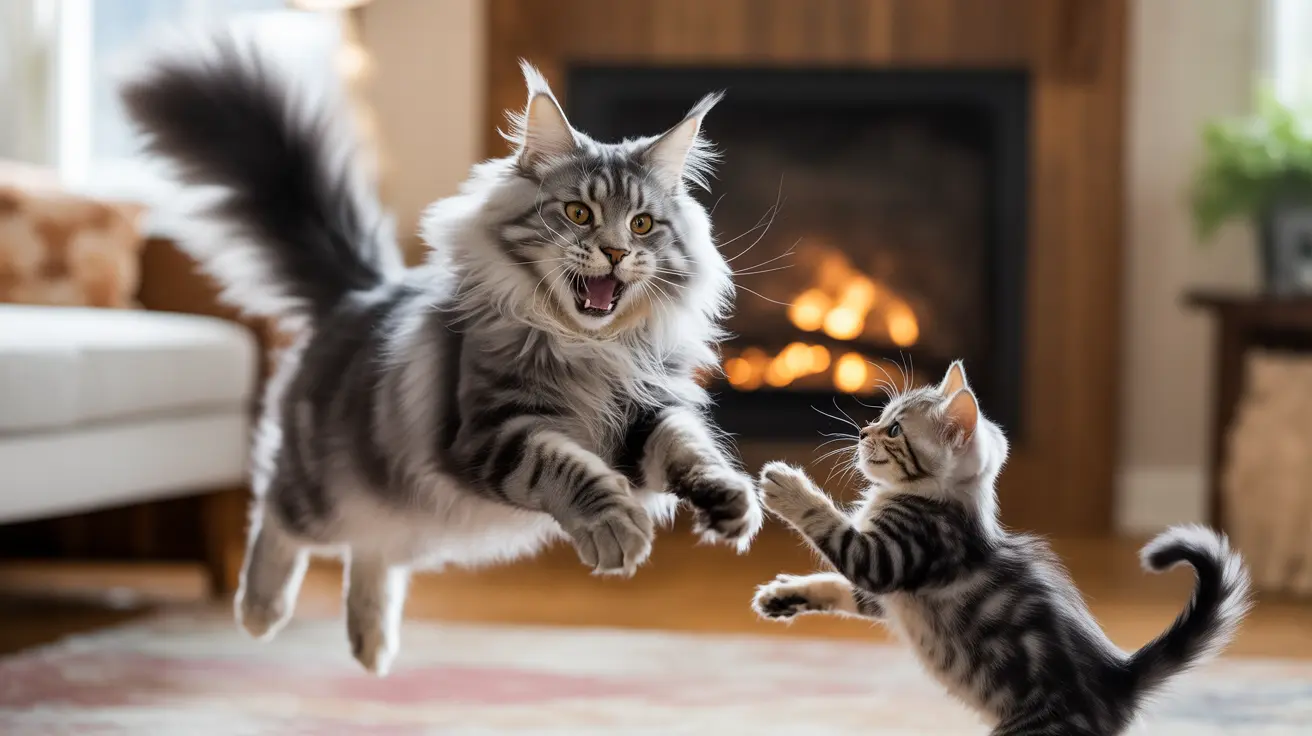
Interactive toys get your cat moving and thinking. Toys like wand teasers or puzzle feeders engage your cat’s hunting instincts and keep them mentally active. When I introduced a laser pointer to my shy cat, she went from ignoring her toys to chasing with excitement.
Static toys, like stuffed mice or balls, can be great for solo play but might not hold your cat’s interest as long. Ask yourself—does your cat prefer to chase and hunt, or do they like to cuddle and toss toys around? Matching the toy type to your cat’s play style can reduce frustration and hissing.
Credit: www.petscare.com
Training Cats To Play Calmly
Training cats to play calmly helps reduce stress and unwanted behaviors. Cats often hiss at toys due to overstimulation or fear. Teaching them calm play habits creates a safer environment for both pets and owners. It also builds trust and encourages positive interactions.
Positive Reinforcement Techniques
Reward calm behavior with treats or gentle praise. Use soft voices and slow movements to avoid startling your cat. Give toys that encourage gentle play, like soft balls or feather wands. Praise your cat immediately when they play without aggression. Avoid punishing hissing or swatting, as this can increase fear. Positive reinforcement helps cats learn which behaviors are good and safe.
Redirecting Aggression
Offer an alternative when your cat shows signs of aggression. Swap a hissing toy for a more interactive one to shift focus. Use puzzle feeders or treat-dispensing toys to engage their mind. Provide safe scratching posts to release energy and frustration. If your cat hisses, calmly remove the toy and offer a different option. Redirecting aggression prevents negative associations with toys and encourages calm play habits.
When To Consult A Vet Or Behaviorist
Hissing is normal for cats, but sometimes it needs attention. If a cat hisses often at toys, it might signal a deeper issue. Understanding when to seek professional help can aid in keeping your pet happy and healthy.
Signs Of Stress Or Aggression
Not all hissing is playful. It can mean stress or fear.
- Frequent hissing at toys
- Hiding more than usual
- Avoiding certain toys
These signs might indicate stress. Aggression can also be a concern. Watch for swatting or biting. If these behaviors persist, consider seeking advice.
Professional Help Options
Consulting a vet can rule out medical problems. A behaviorist can offer other insights. They help identify triggers causing stress or aggression.
- Veterinarian: Checks for health issues
- Behaviorist: Analyzes behavior patterns
Both professionals provide strategies to improve behavior. Early intervention ensures your cat’s well-being. Proper help can prevent future issues.

Credit: www.catit.com
Frequently Asked Questions
Why Do Cats Hiss At Their Toys Sometimes?
Cats hiss at toys to show overstimulation or fear. It’s a natural reaction to perceived threats, even if the toy is harmless.
Can Hissing Mean Cats Dislike Certain Toys?
Yes, hissing can indicate a cat dislikes a toy’s texture, smell, or movement. They may find it irritating or threatening.
How To Stop Cats From Hissing At Toys?
Choose toys that match your cat’s preferences. Use soft textures and gentle movements. Gradually introduce new toys to avoid stress.
Is Hissing At Toys A Sign Of Aggression?
Hissing at toys is usually defensive, not aggressive. Cats feel threatened or overstimulated, so they hiss to protect themselves.
Conclusion
Cats hiss at their toys to show excitement or protect themselves. This behavior helps them practice hunting skills safely. Sometimes, toys look like real prey, causing a quick reaction. Understanding this helps pet owners choose better toys. It also strengthens the bond between cats and their humans.
Watching your cat hiss can be a sign of healthy play. Remember, this is normal and part of their nature. Enjoy the playful moments and learn from your cat’s reactions. This makes caring for your pet more fun and rewarding.




Leave a Reply