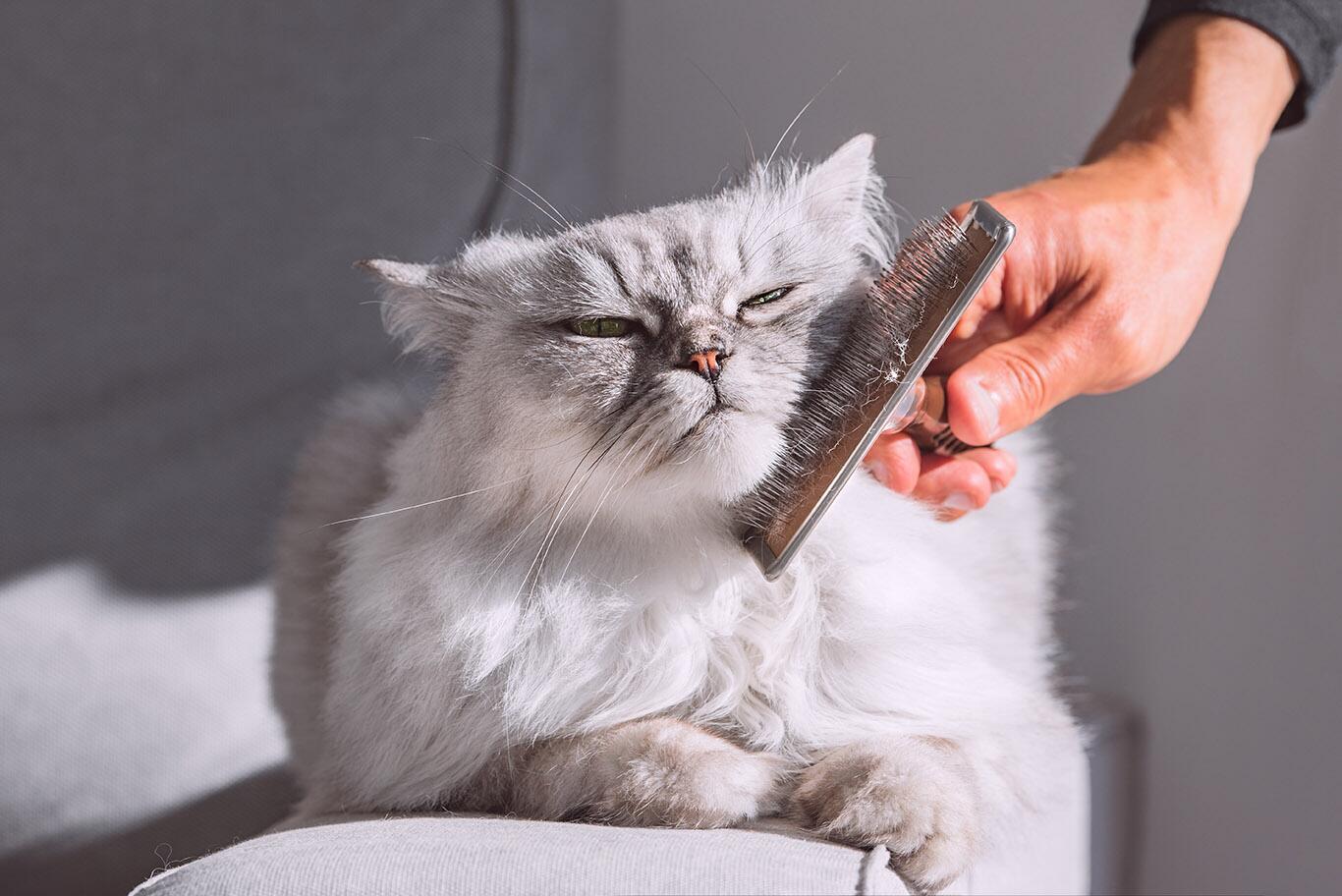
If you have a long-haired cat, you might wonder: should you groom them regularly? You’ve probably noticed how beautiful their fluffy coat looks, but have you thought about what goes on beneath all that fur?
Grooming isn’t just about keeping your cat looking good—it’s about their health and comfort too. You’ll discover why grooming is essential for long-haired cats, how it can prevent common problems, and simple tips to make the process easy for both of you.
Keep reading to learn how to give your furry friend the care they truly need.
Benefits Of Grooming Long Haired Cats
Grooming long haired cats offers many important benefits. It helps keep their fur clean and healthy. Regular grooming makes your cat feel comfortable and happy. It also protects their skin and coat from damage.
Preventing Matting And Tangles
Long hair can easily get tangled and form mats. Mats pull on the skin and cause pain. Grooming removes loose fur and stops mats from forming. Brushing also helps spread natural oils, keeping fur soft. A smooth coat looks better and feels nicer to touch.
Reducing Shedding And Hairballs
Long haired cats shed more fur than short haired ones. Grooming takes away loose hair before it falls off. This lowers the amount of fur around the house. It also reduces hairballs that cats get from swallowing loose fur. Less hair in the stomach means fewer hairball problems.
Promoting Healthy Skin And Coat
Brushing helps improve blood flow to the skin. It removes dirt and dead skin cells. This keeps the skin clean and healthy. Grooming also spreads oils that protect the coat. A healthy coat shines and feels smooth. Healthy skin prevents itching and infections.
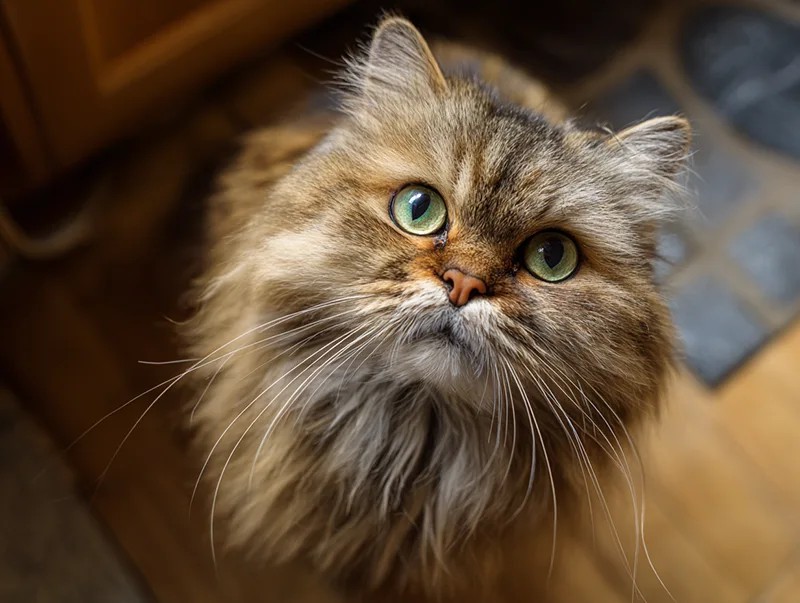
Credit: www.thecatpalace.com.au
Signs Your Cat Needs Grooming
Knowing when your long-haired cat needs grooming can save you from unexpected vet visits and keep your feline friend comfortable. Cats often hide discomfort well, so spotting early signs is crucial. Watch for changes in their coat and behavior to catch grooming needs before they become serious problems.
Visible Mats And Knots
Mats and knots are the most obvious signs your cat needs grooming. These tangled clumps of fur can pull painfully on the skin and cause discomfort. If you notice patches of fur that look bunched up or feel tight, it’s time to grab a comb and gently work through the knots.
Ignoring mats can lead to skin infections or restrict your cat’s movement. Have you ever tried to brush out a stubborn knot? Patience and the right tools make a big difference here.
Excessive Shedding
Shedding is normal, but when you find clumps of fur everywhere, it’s a sign your cat’s coat needs attention. Excessive shedding often means dead fur isn’t being removed naturally. Regular brushing helps remove loose hair and prevents it from ending up all over your furniture.
Have you noticed more hairballs or fur clumps on your clothes? That’s a clue your cat’s coat requires more frequent grooming sessions.
Skin Irritation Or Odor
Skin irritation, redness, or a strange odor coming from your cat’s fur indicates grooming issues. Long hair can trap dirt and moisture, creating an environment for bacteria and parasites. If your cat is scratching more than usual or you detect a bad smell, it’s time to check their coat closely.
Pay attention to any flaky skin or bald spots, as these can signal discomfort that grooming might help alleviate.
Grooming Tools For Long Haired Cats
Grooming long haired cats requires the right set of tools to keep their coats healthy and tangle-free. Choosing the proper equipment makes the grooming process smoother for both you and your cat. Let’s look at the essential grooming tools that every long haired cat owner should have on hand.
Types Of Brushes And Combs
Brushes and combs are the foundation of grooming for long haired cats. A slicker brush is excellent for removing loose fur and preventing matting. You’ll find it especially helpful after your cat’s outdoor adventures or shedding seasons.
A wide-toothed comb helps gently detangle knots without pulling too hard on your cat’s skin. Follow this up with a fine-toothed comb to catch smaller tangles and smooth the coat. You might notice your cat relaxing during this part, which is a good sign you’re using the right tools.
Clippers And Scissors
Sometimes, brushing isn’t enough to tackle stubborn mats or overgrown fur, especially around sensitive areas like behind the ears or under the belly. Clippers designed for pets can trim these areas safely if you feel comfortable using them. Look for models with quiet motors to avoid startling your cat.
Scissors are handy for more precise trimming. Rounded-tip scissors reduce the risk of accidental cuts when working near delicate spots. If your cat hates clippers or has sensitive skin, scissors may be your best option for regular touch-ups.
Nail Trimmers And Other Accessories
Long haired cats often hide their claws within their fur, but regular nail trimming is just as important as coat care. Use nail trimmers made specifically for cats to avoid splitting or damaging the nails. You might want to have styptic powder ready in case of accidental nicks.
Other useful accessories include grooming gloves for massaging and removing loose hair, and a grooming mat to keep your cat steady during sessions. Have you ever tried grooming gloves? They can turn brushing into a gentle petting session, which your cat might actually enjoy.

Credit: catit.ca
Step-by-step Grooming Process
Grooming long-haired cats is essential to keep their coats healthy and tangle-free. It may seem challenging at first, but breaking down the process makes it easier and more enjoyable for both you and your cat. Let’s look at how you can groom your feline friend step by step, ensuring their fur stays soft and shiny.
Brushing Techniques
Start by choosing the right brush—slicker brushes and wide-toothed combs work well for long-haired cats. Gently brush in the direction of hair growth to avoid pulling and discomfort.
Focus on problem areas like behind the ears, under the legs, and around the neck where mats tend to form. If you spot any tangles, hold the fur close to the skin to reduce pulling and carefully work through the knot.
How often do you check your cat’s fur for hidden mats? Regular brushing, ideally daily, prevents painful knots and keeps shedding under control.
Bathing Tips
Bathing is not always necessary but can help when your cat’s fur gets particularly dirty or greasy. Use a cat-specific shampoo to protect their sensitive skin.
Keep the water lukewarm and use a gentle spray or a damp cloth to wet their coat. Avoid getting water in their ears and eyes to keep them comfortable throughout the bath.
Have you noticed how some cats relax after a bath? Dry your cat thoroughly with a towel and, if tolerated, a low-heat hairdryer. This helps prevent chills and reduces the chance of mats forming as the fur dries.
Trimming Fur Safely
Trimming long fur around sensitive areas like the paws, rear end, and belly can reduce hygiene issues and matting. Use blunt-tipped scissors or grooming clippers designed for pets.
Keep your cat calm by speaking softly and taking breaks if needed. If your cat resists, trim just a little at a time to avoid stress and accidental cuts.
Have you ever considered trimming your cat’s fur yourself? With patience and the right tools, you can keep their coat neat between professional grooming sessions.
Frequency Of Grooming Sessions
Long-haired cats need regular grooming to stay healthy and comfortable. Grooming helps prevent matting and reduces shedding. Establishing a consistent grooming schedule is essential for these feline friends.
Daily Vs. Weekly Routines
Daily grooming may be necessary for some long-haired cats. This prevents tangles and mats from forming. Use a gentle brush to keep their coat smooth. Spend a few minutes each day brushing their fur.
Some cats might only need weekly grooming. These cats may have less prone-to-matting coats. A weekly brush can still help remove loose hair. It also keeps their coat shiny and healthy.
Adjusting Based On Season And Coat Condition
Grooming frequency might change with the seasons. Cats shed more during spring and fall. Increase grooming sessions during these times. This helps manage excess fur and reduces hairballs.
Assess your cat’s coat condition regularly. If mats form easily, groom more often. A healthy coat might require less frequent grooming. Always adjust grooming based on your cat’s needs.
Handling Grooming Challenges
Grooming long-haired cats can be a tricky task, especially when your feline friend resists or gets stressed. Handling these challenges well can turn grooming sessions from a struggle into a bonding experience. Understanding your cat’s behavior and knowing how to approach sensitive areas will make the process smoother and more effective for both of you.
Managing Cat Anxiety
Many cats feel anxious during grooming, which can make them scratch or run away. To help your cat relax, create a calm environment with soft lighting and minimal noise. Speak to your cat in a soothing voice and offer gentle pets before you start grooming.
Try breaking grooming into short sessions instead of one long one. This approach prevents overwhelming your cat and helps build positive associations. Have treats ready to reward calm behavior, reinforcing that grooming is not a threat.
Dealing With Sensitive Areas
Long-haired cats often have sensitive spots like behind the ears, under the belly, and around the tail. These areas can be painful if mats or tangles pull at the skin. Approach these spots with extra care, using slow, gentle strokes.
If you find a mat, avoid pulling hard. Instead, use your fingers or a comb to loosen it gradually. It’s better to work on small sections and give your cat breaks than to rush and cause discomfort.
When To Seek Professional Help
Sometimes grooming challenges go beyond what you can handle at home. If your cat becomes too aggressive, or mats are too tight and close to the skin, professional groomers or vets can step in safely. They have tools and experience to manage difficult grooming without hurting your pet.
Don’t wait until mats cause skin problems or your cat’s anxiety escalates. Recognizing when to ask for help protects your cat’s health and keeps grooming a positive experience. Have you noticed signs that your cat might need professional grooming?
Additional Pet Care Tips For Long Haired Cats
Long haired cats need more than just grooming to stay healthy and happy. Their thick coats require special attention through diet, health checks, and the right environment. These factors help prevent common problems like matting, skin issues, and discomfort.
Diet And Hydration For Coat Health
A balanced diet supports shiny, strong fur. Foods rich in omega-3 and omega-6 fatty acids improve coat texture. Protein helps build healthy hair and skin. Always provide fresh water to keep the skin hydrated. Dehydration can cause dry, brittle fur and itching. Wet cat food can boost water intake in cats who drink little.
Regular Vet Checkups
Routine vet visits catch skin and coat problems early. Parasites like fleas or mites cause irritation and hair loss. Allergies may show as excessive scratching or redness. Your vet can recommend treatments or special diets. Regular health checks ensure your cat’s coat stays in top shape.
Environmental Factors To Consider
Keep your cat’s space clean and free of dust. Dust and dirt can stick to long fur and cause irritation. Control humidity to prevent dry skin or fungal growth. Provide cozy, soft bedding that is washed often. Avoid stressful conditions that may lead to over-grooming or hair loss.
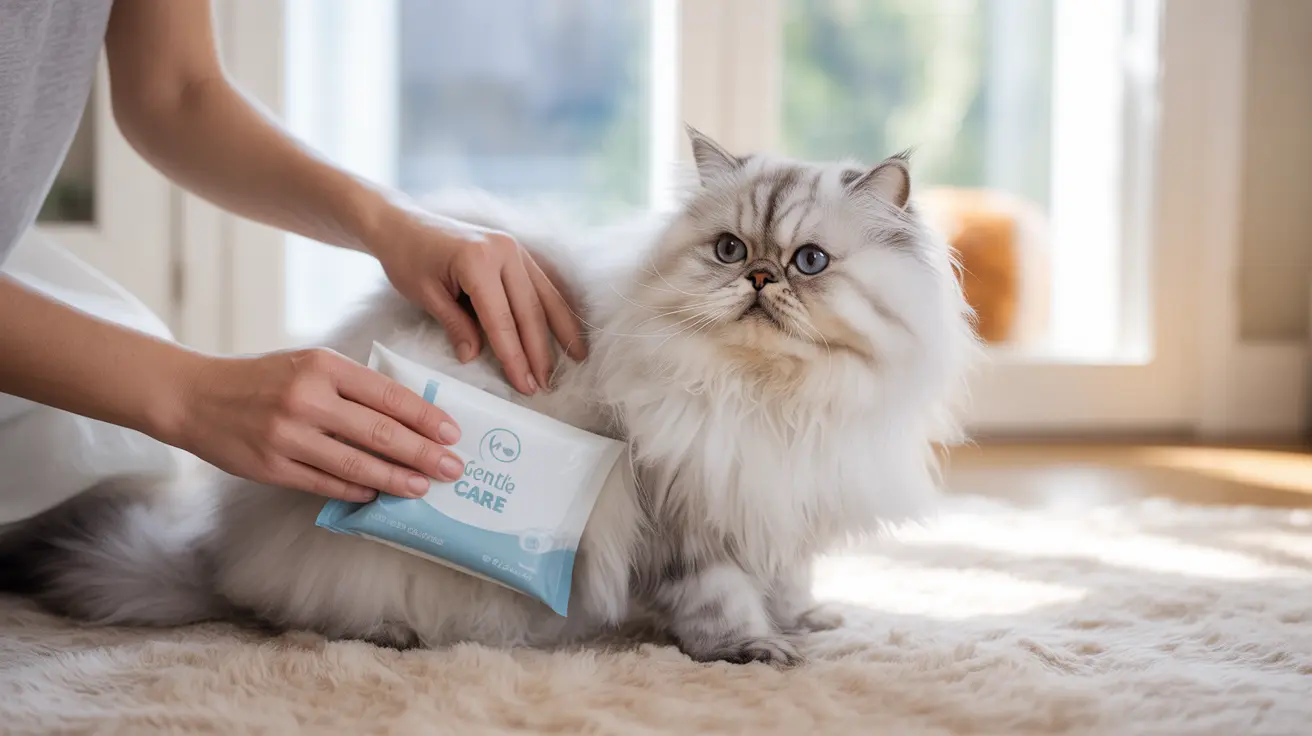
Credit: www.petscare.com
Frequently Asked Questions
Why Do Long Haired Cats Need Grooming?
Long haired cats need grooming to prevent mats and tangles. Grooming also reduces shedding and hairballs. It keeps their coat healthy, clean, and shiny. Regular grooming helps detect skin issues early. It improves comfort and strengthens the bond between cat and owner.
How Often Should Long Haired Cats Be Groomed?
Long haired cats should be groomed at least 3 to 4 times a week. Daily grooming is ideal for very fluffy or shedding cats. Regular grooming prevents mats and reduces hairballs. Consistency helps maintain a smooth and healthy coat. Grooming frequency depends on the cat’s coat type and lifestyle.
What Tools Are Best For Grooming Long Haired Cats?
Use a slicker brush to remove loose fur and tangles. A wide-toothed comb helps with mats and knots. Nail clippers keep claws trimmed. Grooming gloves are gentle and effective for sensitive cats. Choose tools designed specifically for cats for best results.
Can Grooming Reduce Hairballs In Long Haired Cats?
Yes, grooming reduces hairballs by removing loose hair. This prevents cats from ingesting fur during self-grooming. Regular brushing decreases the amount of swallowed hair. It promotes healthy digestion and less vomiting. Grooming is a key step in hairball prevention for long haired cats.
Conclusion
Long haired cats need regular grooming to stay healthy and happy. Brushing stops mats and tangles that cause pain. It also helps reduce shedding around your home. Grooming strengthens the bond between you and your cat. It keeps their coat shiny and clean.
Skipping grooming can lead to skin problems. A little daily care makes a big difference. Your cat will feel more comfortable and look great. So, take time to groom your long haired cat often. They will thank you with purrs and love.




Leave a Reply