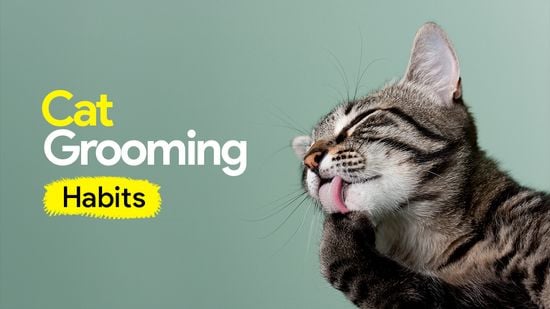
How often do you get a cat groomed? If you’re like most cat owners, you might wonder if grooming is something you should do regularly or only when your cat looks messy.
The truth is, grooming is more than just keeping your cat looking nice—it’s about their health and happiness too. You’ll discover the best grooming schedule for your furry friend, how to spot when your cat needs a trim, and easy tips to make grooming stress-free for both of you.
Ready to keep your cat comfortable and clean? Let’s dive in!

Credit: www.purina.com
Factors Affecting Grooming Frequency
Knowing how often to groom your cat depends on several key factors. These factors influence not only the frequency but also the type of grooming your cat needs. Understanding them helps you keep your feline friend comfortable and healthy.
Breed And Coat Type
Different breeds have different grooming needs. Long-haired cats like Persians or Maine Coons require more frequent brushing to prevent mats and tangles. Short-haired cats usually need less frequent grooming, but regular brushing still helps reduce shedding and hairballs.
Think about your cat’s fur texture. Is it thick, fine, curly, or silky? Each coat type demands a unique approach. You might find that your fluffy cat needs daily attention, while a sleek-coated cat can do well with weekly grooming.
Age And Health
Older cats and those with health issues often need more grooming help. Arthritis or obesity can make self-grooming difficult, so you may need to step in more often. Cats recovering from illness might also benefit from gentle brushing to keep their coat clean and skin healthy.
Watch for signs like dandruff, mats, or excessive shedding—they could signal health problems. If you notice these, adjust your grooming routine and consult a vet if needed. Taking care of your cat’s coat can sometimes reveal hidden health concerns early.
Indoor Vs Outdoor Cats
Indoor cats generally stay cleaner and need less frequent grooming. They’re less exposed to dirt, debris, and parasites, so brushing once a week might be enough. Outdoor cats, however, often require more attention because they pick up dirt, leaves, and even ticks.
Consider your cat’s lifestyle carefully. Does your cat explore the garden or roam the neighborhood? Regular grooming helps prevent mats and removes unwanted pests. It also gives you a chance to check for injuries or irritations your outdoor cat might have picked up.
Signs Your Cat Needs Grooming
Recognizing when your cat needs grooming helps keep them healthy and happy. Cats often hide discomfort, so watch for clear signs. Regular checks prevent bigger problems.
Matted Fur And Tangles
Matted fur feels hard and clumps together. Tangles pull at your cat’s skin, causing pain. Long-haired cats need more attention to avoid mats. Grooming removes knots and keeps fur soft.
Excessive Shedding
Shedding is normal, but too much means grooming is due. Loose fur can build up and cause discomfort. Brushing helps reduce shedding and keeps the coat clean. It also stops hairballs from forming.
Skin Irritations
Red or flaky spots show your cat needs grooming. Scratching or licking more than usual can cause sores. Grooming helps spot skin problems early. It also soothes itchy skin and removes dirt.
Grooming Basics At Home
Grooming your cat at home keeps them healthy and happy. It reduces shedding and prevents mats. Regular care also helps you spot skin problems early. Simple grooming routines fit easily into your schedule. Cats usually enjoy gentle brushing and attention.
Brushing Techniques
Use a soft-bristle brush for short-haired cats. For long-haired cats, choose a wide-tooth comb. Brush in the direction of hair growth. Start from the head and move to the tail. Be gentle around sensitive areas like the belly. Brush at least twice a week to reduce hairballs.
Bathing Tips
Bathing cats is rarely needed unless they are very dirty. Use a shampoo made for cats only. Fill the tub with a few inches of warm water. Wet your cat slowly and avoid the face. Lather gently and rinse thoroughly. Dry your cat with a towel and keep them warm.
Nail Trimming
Trim nails every two to three weeks. Use a sharp pet nail clipper. Hold the paw gently and press the pad to extend the nails. Cut only the clear tip, avoiding the pink quick. Stop if you see blood. Give treats to keep your cat calm.

Credit: www.latimes.com
Professional Grooming Services
Professional grooming services help keep your cat clean and healthy. Groomers have the skills to handle different cat breeds and fur types. They can spot skin problems early and provide treatments. Regular grooming reduces hairballs and matting. Some cats enjoy the pampering and attention. Others might find it stressful, so professional groomers know how to calm them. This section explains when to visit, what happens during a session, and how to choose the right groomer for your cat.
When To Visit A Groomer
Schedule grooming every 4 to 8 weeks for most cats. Long-haired breeds may need visits more often. Cats with thick or curly fur require extra care. Older cats or those with health issues might benefit from gentle grooming sessions. Look for signs like matting, bad odor, or excess shedding. If your cat struggles with self-grooming, a groomer can help maintain hygiene. Seasonal changes may increase grooming needs, especially in spring and fall.
What To Expect During A Session
A grooming session usually lasts 30 to 60 minutes. The groomer will brush your cat’s coat to remove loose hair and tangles. Nail trimming and ear cleaning are common parts of the service. Some groomers offer bathing with pet-safe shampoos. They may also check your cat’s skin for irritation or parasites. Many groomers use calming techniques to reduce stress. Always ask about the tools and products used to ensure safety.
Choosing The Right Groomer
Choose a groomer with experience in cat care. Read reviews or ask for recommendations from vets or friends. Visit the salon to see cleanliness and how staff treat animals. Ensure the groomer uses gentle handling and proper equipment. Ask if they can handle special needs, like elderly or anxious cats. Pricing should be clear with no hidden fees. A good groomer communicates well and answers all your questions.
Special Grooming Needs
Some cats need more grooming than others. Special grooming helps keep them healthy and comfortable. Different cats have unique needs depending on their age, coat, or health.
Long-haired Cats
Long-haired cats need daily brushing to prevent mats and tangles. Their fur can trap dirt and debris easily. Regular grooming stops hairballs and skin problems. Professional grooming every 4 to 6 weeks works well for most long-haired cats.
Senior Cats
Older cats may struggle to groom themselves properly. Their fur can become greasy or matted. Gentle grooming helps remove loose hair and dirt. Grooming every 3 to 4 weeks suits many senior cats. Watch for sensitive skin or arthritis during grooming.
Cats With Medical Conditions
Some cats have health issues affecting their coat or skin. Conditions like allergies or infections need special care. Regular grooming helps spot problems early. Follow the vet’s advice on grooming frequency and techniques. Extra care ensures comfort and healing.
Maintaining A Healthy Coat
Maintaining a healthy coat for your cat is vital for its overall wellbeing. Regular grooming helps in keeping the coat clean and free of tangles. A well-maintained coat also reduces shedding and prevents hairballs. Here are some key factors to ensure your cat’s coat remains in top condition.
Nutrition And Hydration
Good nutrition is the foundation of a healthy coat. Ensure your cat’s diet is rich in proteins and omega fatty acids. These nutrients promote shiny and strong fur. Always provide fresh water to keep your cat hydrated. Hydration supports skin health and prevents dryness.
Regular Vet Checkups
Regular vet visits are essential for your cat’s health. Vets can identify skin issues early and provide solutions. They can recommend supplements if your cat’s coat needs extra care. Routine checkups help in maintaining a lustrous and healthy coat.
Preventing Parasites
Parasites can damage your cat’s coat and skin. Use preventive treatments to keep fleas and ticks at bay. Regular grooming helps in spotting parasites early. A parasite-free cat is more likely to have a healthy and shiny coat.
Credit: temeculapetsalonandspa.com
Frequently Asked Questions
How Often Should Indoor Cats Be Groomed?
Indoor cats should be groomed every 4 to 6 weeks. Regular grooming prevents matting and reduces shedding. It keeps their coat clean and healthy. Grooming also helps detect skin issues early. Frequency may vary based on breed and coat length.
Do Long-haired Cats Need More Grooming?
Yes, long-haired cats require grooming every 3 to 4 weeks. Their coats tangle and mat easily without regular care. Frequent brushing prevents knots and hairballs. It also helps keep their fur soft and shiny. Professional grooming may be needed occasionally.
Can Grooming Improve My Cat’s Health?
Absolutely. Grooming removes dirt and loose fur, preventing skin problems. It boosts circulation and helps spot health issues early. Regular grooming reduces shedding and hairballs. It also strengthens the bond between you and your cat. Healthy grooming routines contribute to overall wellbeing.
When Should I Start Grooming My Kitten?
Start grooming your kitten at 6 to 8 weeks old. Early grooming helps them get used to the process. Use gentle tools and keep sessions short. This builds trust and makes future grooming easier. Consistency is key for kitten grooming success.
Conclusion
Regular grooming keeps your cat healthy and happy. Long-haired cats need grooming every few weeks. Short-haired cats can be groomed less often. Watch your cat’s coat for mats or dirt. Clean ears and trimmed nails are part of grooming. Pay attention to your cat’s comfort during grooming.
Consult a vet if you notice skin problems. Grooming also helps reduce shedding in your home. A well-groomed cat feels better and looks great. Make grooming a calm, positive experience for your pet.



Leave a Reply