You want your cat to stay happy and healthy, right? One simple way to do that is by keeping their toys fresh and exciting.
But how often should you change cat toys to keep your furry friend engaged without wasting money? If you’ve noticed your cat losing interest or your toys looking worn out, it’s time to find out the best routine for swapping them out.
Keep reading to discover easy tips that will keep your cat purring with joy and your home filled with playful energy!
Signs Your Cat Toys Need Replacing
Knowing when to replace your cat’s toys is key to keeping playtime safe and fun. Cats can be picky, and their toys show signs when it’s time for an upgrade. Paying attention to these clues helps you avoid boredom and potential hazards.
Visible Wear And Tear
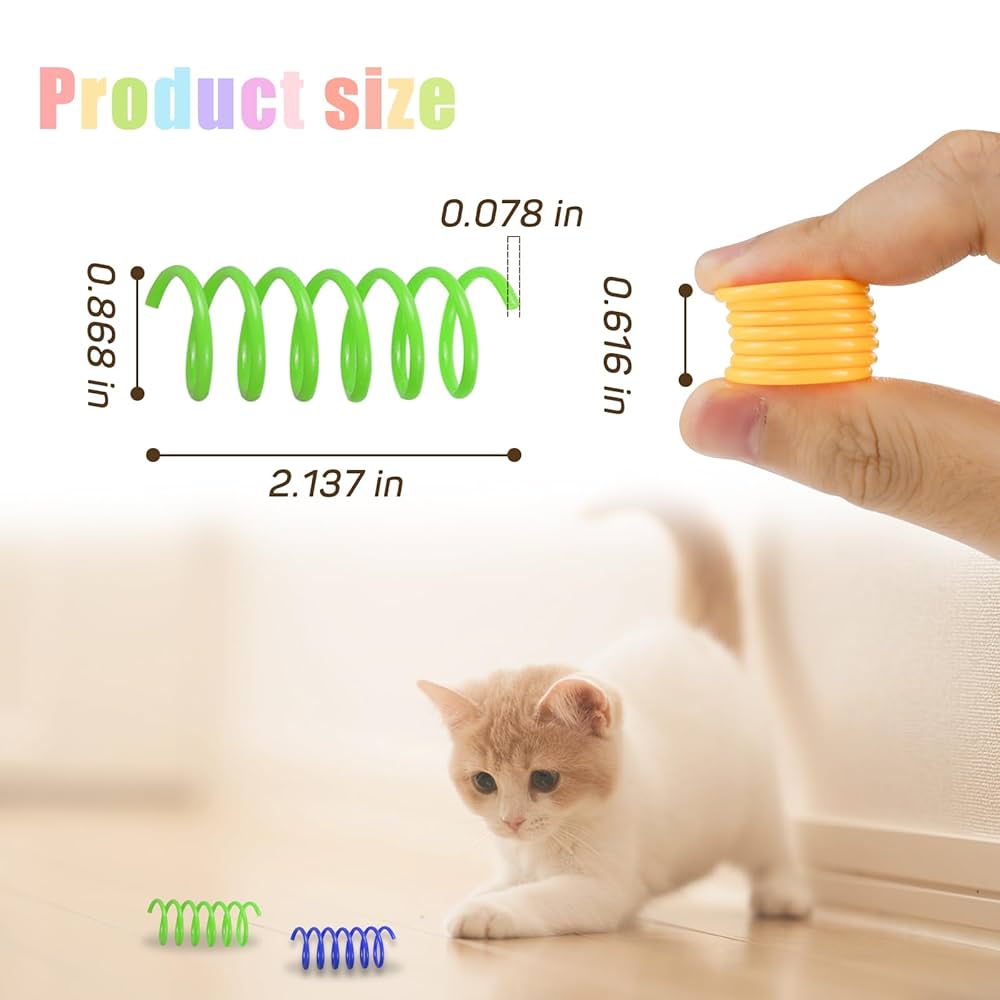
Check your cat’s toys regularly for obvious damage. Torn fabric, missing parts, or frayed edges mean the toy isn’t as safe or enjoyable anymore. A toy with stuffing coming out or broken springs can hurt your cat or cause choking.
Have you ever noticed your cat avoiding a toy because it’s looking shabby? That’s a clear sign it’s time to swap it out for something fresh.
Loss Of Cat Interest
If your cat suddenly stops playing with a favorite toy, it might have lost its appeal. Cats need novelty and stimulation, and worn-out toys don’t offer that excitement. Observe if your cat turns away or ignores toys they once loved.
Try rotating toys to keep things interesting, but if a toy consistently fails to attract your cat, consider replacing it.
Safety Concerns
Your cat’s safety should always come first. Broken toys can have sharp edges or loose parts that your cat might swallow. Even small pieces can cause serious health issues or injuries.
Inspect toys often, especially if your cat is an aggressive chewer. If you spot any potential hazards, it’s better to replace the toy immediately than risk an emergency vet visit.
Recommended Replacement Frequency
Knowing how often to replace your cat’s toys can save you time and keep your feline friend happy and safe. Different types of toys wear out at different rates, so understanding the recommended replacement frequency helps you keep playtime fresh and engaging. Let’s break down how often you should swap out various kinds of cat toys.
Daily Use Toys
Toys your cat plays with every day tend to wear out faster. Items like small balls, plush mice, or feather wands often show signs of damage within a few weeks to a couple of months. Check these toys weekly for loose parts, frayed fabric, or stuffing coming out, and replace them every 1 to 3 months to avoid choking hazards.
Occasional Play Items
Toys used less frequently, such as puzzle feeders or seasonal toys, usually last longer. These might only need replacement every 6 to 12 months unless you notice obvious damage. Pay attention to your cat’s interest level too—if a toy loses appeal, it’s a good idea to swap it out to keep play exciting.
Interactive And Electronic Toys
Interactive or electronic toys often have batteries and moving parts that wear down with use. Depending on the brand and quality, these toys might last anywhere from 6 months to a year. Regularly test the mechanisms and replace batteries as needed, but plan for full replacement once the toy stops functioning smoothly or your cat loses interest.
Factors Influencing Toy Longevity
Knowing how often to replace your cat’s toys depends a lot on how long those toys actually last. Toy longevity varies, and several factors play a role in this. Understanding these can help you decide when it’s time to refresh your kitty’s playthings to keep them safe and entertained.
Material Quality
The type of material used in a cat toy has a huge impact on how long it lasts. Toys made from durable materials like rubber or thick fabric tend to withstand rough play better than cheap plastic or thin felt. I once bought a soft, plush mouse toy that my cat destroyed within a day, but a rubber ball lasted for months.
Look for toys that mention being non-toxic and durable. These usually hold up well and keep your cat safe from ingesting harmful pieces.
Cat’s Play Style
Every cat has a unique way of playing, which affects how quickly toys wear out. Some cats are gentle and will lightly bat or carry toys, while others are aggressive hunters who chew and claw relentlessly.
If your cat is a tough player, you’ll need to replace toys more often. Watch your cat’s behavior closely—do they treat toys like prey or just a casual distraction? This insight can save you money and keep your cat happy.
Environmental Conditions
Where your cat plays also matters. Toys left outside or in damp areas might deteriorate faster due to weather or moisture. Indoor cats might keep toys in better shape, but if you have multiple cats or pets, toys can get damaged quickly from shared play.
Think about your living space. Do your cats have access to toys outdoors? Are toys stored properly when not in use? Small changes here can extend toy life and keep your cat’s environment cleaner.

Credit: www.amazon.com
Maintaining Cat Toys For Longer Use
Keeping your cat’s toys in good shape not only saves you money but also keeps your feline friend safe and entertained. Regular maintenance helps extend the life of toys and keeps them inviting for your cat. Have you ever noticed how your cat loses interest in a toy that looks dirty or worn out? That’s a clear sign it’s time to clean or replace it.
Regular Cleaning Tips
Dirt and saliva build up quickly on cat toys, which can lead to bacteria and unpleasant smells. Wash plush toys in warm water with mild detergent, then air dry completely before giving them back to your cat. For plastic or rubber toys, a quick scrub with soap and water is usually enough. Avoid harsh chemicals—they can be harmful if ingested.
Cleaning toys weekly keeps germs away and makes playtime more enjoyable. Have you tried tossing small toys in a mesh laundry bag before washing? It helps protect them and keeps them from getting lost in the wash.
Proper Storage Methods
How you store toys impacts their lifespan. Keep them in a dry, clean container away from direct sunlight to prevent fading and wear. Using a dedicated toy box or basket makes it easy to keep track of them and reduces the chance of losing pieces.
Think about where your cat plays most often and keep toys nearby but off the floor to avoid dirt and damage. Have you considered rotating storage spots to keep your cat curious about their toys?
Rotating Toys To Sustain Interest
Giving your cat access to all their toys at once can quickly lead to boredom. Instead, rotate a few toys every few days to keep things fresh and exciting. This simple trick tricks your cat’s mind into thinking they’re getting new toys regularly.
Pay attention to which toys your cat prefers and swap out the less popular ones more often. Have you noticed how your cat suddenly becomes more playful when a “forgotten” toy reappears? Rotation can breathe new life into old favorites.
Choosing Durable And Safe Cat Toys
Cat toys should be replaced regularly to keep them safe and fun. Worn-out toys can break easily and harm your pet. Changing toys every few months helps maintain your cat’s interest and safety.
Choosing durable and safe cat toys is essential for your feline’s well-being. Not only do you want to ensure longevity, but your cat’s safety should be a top priority. Selecting the right toys can make a significant difference in your cat’s playtime and health.Preferred Materials
When picking toys, prioritize materials that can withstand your cat’s playful antics. Look for toys made from natural rubber, sturdy cotton, or durable wool. These materials not only last longer but also minimize the risk of your cat ingesting harmful substances. Have you noticed how some toys fall apart after just a few days? Choosing robust materials can save you from frequent trips to the pet store.Avoiding Hazardous Components
Steer clear of toys with small detachable parts or toxic chemicals. Strings, beads, and buttons may seem fun, but they pose choking hazards. Instead, opt for toys that are seamless or have securely attached components. Have you ever caught your cat chewing on a loose piece? Taking precautions can prevent emergency vet visits and keep your feline safe.Brands Known For Quality
Investing in toys from reputable brands ensures both durability and safety. Companies like Kong, Petstages, and Yeowww! are renowned for their high standards. They consistently produce toys that stand the test of time and feline curiosity. Have you tried a toy from these brands and noticed the difference? Trustworthy brands can provide peace of mind and endless hours of fun for your pet.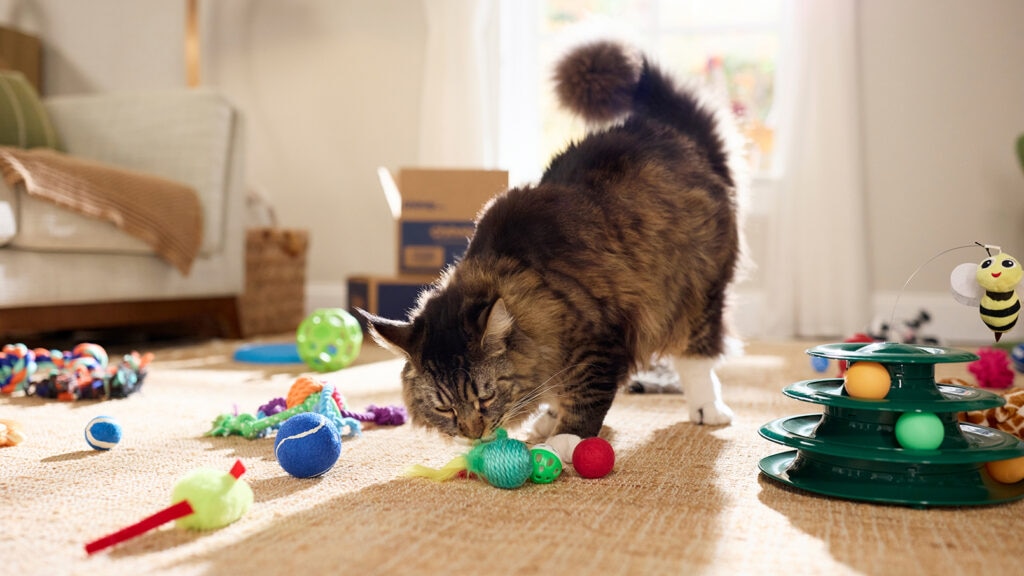
Credit: www.chewy.com

Credit: www.flickr.com
Frequently Asked Questions
How Often Should Cat Toys Be Replaced?
Cat toys should be replaced every 3 to 6 months. Frequent use causes wear and tear, reducing safety and fun. Replace sooner if toys show damage or your cat loses interest. Regularly refreshing toys keeps your cat engaged and healthy.
What Signs Indicate Cat Toys Need Replacement?
Replace cat toys if they are torn, frayed, or have loose parts. If your cat stops playing with a toy, it may be time for a new one. Damaged toys can pose choking hazards, so inspect them often for safety.
Can Old Cat Toys Harm My Cat?
Yes, old toys with broken parts can cause choking or ingestion hazards. Worn-out toys may harbor bacteria, risking infections. Always discard toys that are unsafe or unclean to protect your cat’s health.
How To Extend The Lifespan Of Cat Toys?
Rotate toys regularly to keep your cat interested and reduce wear. Clean toys often to prevent dirt buildup and damage. Store toys properly and supervise playtime to avoid aggressive chewing or tearing.
Conclusion
Changing cat toys keeps your pet happy and active. Old toys can break or lose their appeal. Watch your cat’s interest to know when to replace toys. Safe and clean toys protect your cat’s health. Regularly swapping toys helps prevent boredom and encourages play.
Keep a few toys ready to change often. Your cat will enjoy fresh playtime with new toys. This small effort makes a big difference in your cat’s life.

Leave a Reply