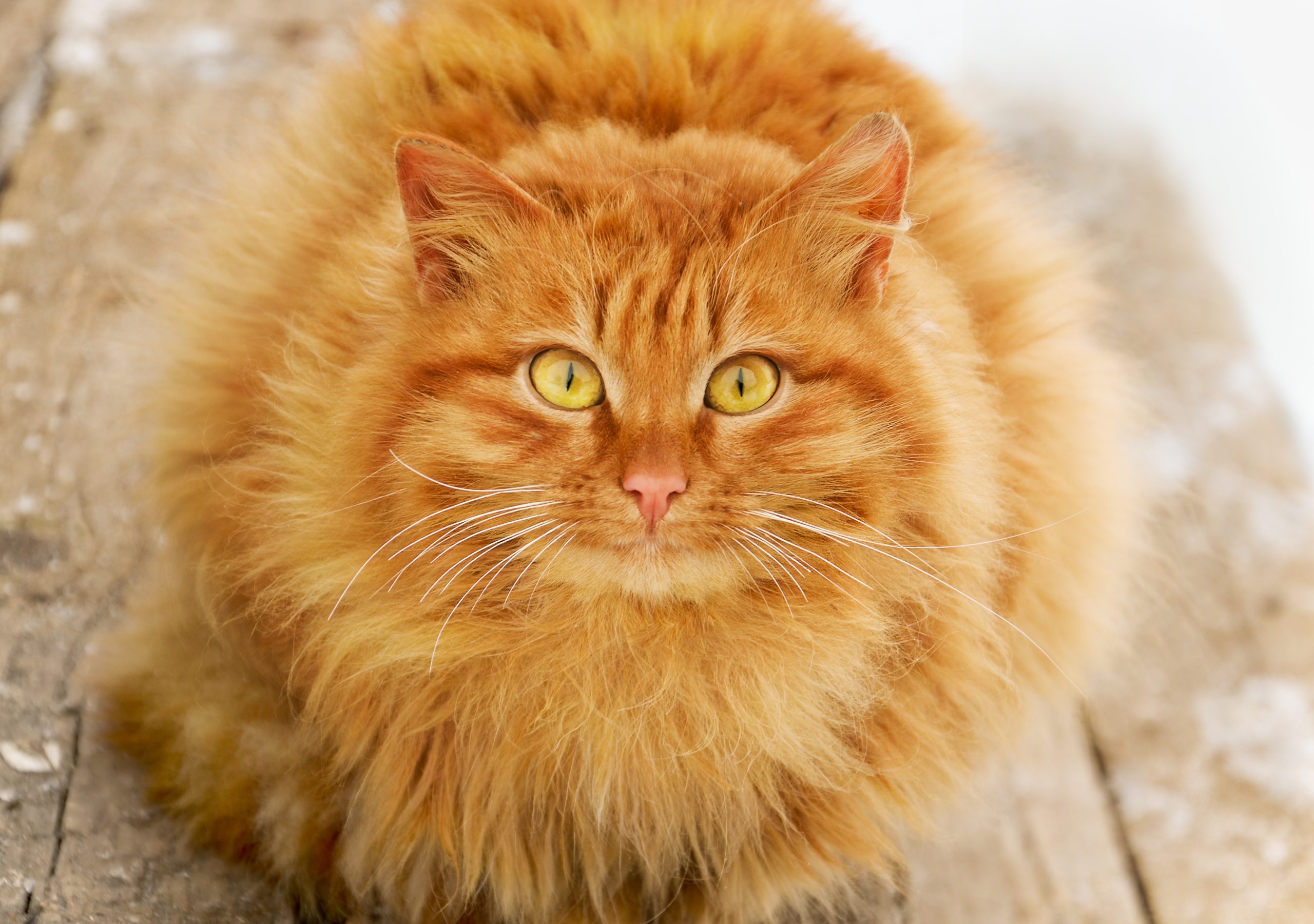
Is your cat licking or biting itself so much that you’re worried? Compulsive grooming can cause sore spots, hair loss, and stress for your furry friend.
You want to help, but you might not know where to start. You’ll discover simple, effective ways to stop your cat from over-grooming. By understanding why it happens and what you can do, you’ll protect your cat’s health and happiness.
Keep reading—your cat will thank you for it.
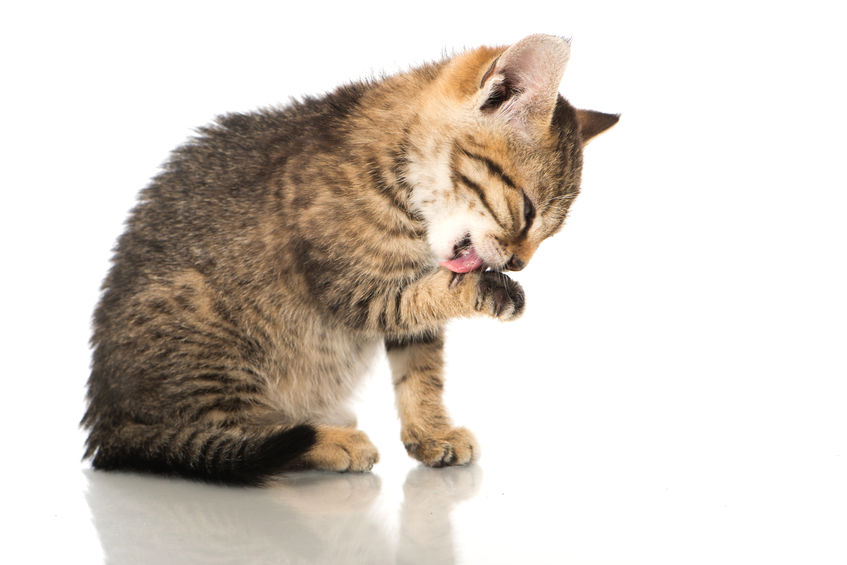
Credit: twocrazycatladies.com
Causes Of Compulsive Grooming
Compulsive grooming in cats can be puzzling and worrisome for pet owners. This behavior often signals an underlying issue. Understanding the causes helps address the problem effectively.
Several factors can trigger excessive grooming. Some stem from emotional stress, others from health problems or the cat’s environment. Identifying these causes is the first step to helping your cat find relief.
Stress And Anxiety Triggers
Cats often groom to calm themselves during stress. Changes in routine, loud noises, or new pets can cause anxiety. Stress may also arise from separation or lack of attention. Grooming becomes a coping mechanism to relieve nervous energy.
Medical Conditions To Consider
Skin allergies or infections cause itching and discomfort. Parasites like fleas lead to intense scratching and over-grooming. Pain from arthritis or injuries may also result in grooming focused on one area. Hormonal imbalances can influence this behavior too.
Environmental Factors
A cat’s living space impacts its grooming habits. Overcrowded homes or lack of stimulation may trigger compulsive grooming. Poor hygiene or dirty bedding irritates the skin. Exposure to harsh cleaning chemicals can also cause skin problems.
Recognizing Signs Of Over-grooming
Recognizing signs of over-grooming helps stop your cat’s compulsive behavior early. Over-grooming means your cat licks or bites itself too much. This can cause skin damage and pain. Notice changes in your cat’s skin and behavior. Early detection improves your cat’s comfort and health.
Physical Symptoms
- Hair loss in patches or all over
- Red, irritated, or inflamed skin
- Scabs or sores from constant licking
- Thickened or darkened skin areas
- Visible wounds or bleeding spots
Behavioral Changes
- Excessive licking or biting of the same area
- Restlessness or inability to settle down
- Hiding more than usual
- Increased irritability or aggression
- Repeated grooming even after cleaning
When To Consult A Vet
Seek veterinary help if physical symptoms worsen. Deep wounds or infections need medical care. Behavior changes that affect daily life require advice. A vet can find underlying causes like allergies or stress. Early treatment prevents long-term damage and suffering.
Creating A Calm Environment
Creating a calm environment helps reduce your cat’s stress and anxiety. Stress often triggers compulsive grooming. A peaceful setting lets your cat feel safe and relaxed. Small changes at home can make a big difference in behavior.
Focus on reducing noise, providing quiet spaces, and using calming aids. These steps support your cat’s well-being and reduce over-grooming.
Reducing Stressors
Identify sources of stress in your cat’s environment. Loud noises, sudden movements, and unfamiliar visitors can upset your cat. Keep the home quiet during busy times. Limit loud music and avoid yelling. Create a routine for feeding and playtime. Cats feel safer with predictability. Remove or hide items that scare your cat, like noisy appliances or bright lights.
Providing Safe Spaces
Give your cat quiet places to hide and rest. Use cozy beds, boxes, or cat trees in calm areas. Place these spaces away from busy rooms or loud sounds. Cats need private spots to feel secure. Offer multiple safe zones if your home is large. Vertical spaces help cats observe without stress. These safe areas reduce anxiety and stop excessive grooming.
Using Calming Products
Calming products can support a relaxed mood in cats. Pheromone diffusers release comforting scents that mimic natural cat signals. Use sprays or collars with calming ingredients. Herbal supplements or treats with chamomile or valerian may help. Always check with a vet before starting supplements. These products work best combined with a calm environment. They ease tension and discourage compulsive grooming habits.
Behavioral Techniques To Reduce Grooming
Compulsive grooming in cats can be stressful for both you and your pet. Behavioral techniques offer a way to manage and reduce this habit by addressing the underlying triggers and providing healthier outlets for your cat’s energy and attention. These strategies focus on changing your cat’s environment and interactions to break the cycle of excessive grooming.
Distraction And Redirection
Redirecting your cat’s attention away from grooming helps interrupt the repetitive behavior. When you notice your cat starting to groom excessively, gently introduce a toy or call their name to shift their focus.
Try using toys that mimic prey, like feather wands or laser pointers. These keep your cat engaged and mentally stimulated, steering them away from self-grooming. Have you noticed how a simple change in focus can calm your cat almost instantly?
Interactive Playtime
Setting aside time for interactive play every day can reduce boredom and stress that often lead to compulsive grooming. Play sessions using different toys not only provide physical exercise but also satisfy your cat’s hunting instincts.
Use short, frequent play periods to keep your cat interested and avoid overstimulation. This approach can build a stronger bond between you and your cat while reducing their need to groom excessively.
Positive Reinforcement
Reward your cat when they choose to engage in other activities instead of grooming. Use treats, praise, or gentle petting to reinforce calm and relaxed behavior.
Consistency is key—reward your cat immediately after they stop grooming or play with their toys. Have you tried using rewards to encourage better habits? Many cat owners find it surprisingly effective.
Medical Treatments And Therapies
Consulting a veterinarian helps identify causes of compulsive grooming in cats. Treatments may include medication or behavior therapy to reduce stress and itching. Creating a calm environment supports recovery and prevents further grooming issues.
Cats are known for their grooming habits, but when grooming turns into a compulsive behavior, it’s time to consider medical treatments and therapies. Understanding the right approach can make a world of difference for your furry friend. Let’s dive into the medical options available to help your cat overcome this behavior.Veterinary Diagnosis
A professional veterinary diagnosis is the first step in addressing compulsive grooming. The vet will assess your cat for underlying medical issues like skin allergies, infections, or even parasites. This examination helps pinpoint the exact cause of the excessive grooming, ensuring that the treatment is both effective and tailored to your cat’s needs.Medications And Supplements
Once a diagnosis is made, medications and supplements may be recommended. Antihistamines or anti-anxiety medications can reduce irritation and stress, leading to less grooming. Supplements like Omega-3 fatty acids may also be suggested to improve skin health and reduce inflammation. Have you ever considered how a simple supplement could make your cat more comfortable?Professional Behavioral Therapy
If medical treatments alone don’t resolve the issue, professional behavioral therapy might be necessary. Behaviorists can work with you and your cat to identify triggers and develop strategies to modify the grooming behavior. Techniques may include environmental enrichment or positive reinforcement to redirect your cat’s focus. Wouldn’t it be amazing to see your cat happier and healthier with just a few changes?
Credit: pethelpful.com
Preventing Future Grooming Issues
Preventing future grooming issues in your cat means staying proactive and attentive to their health and behavior. Compulsive grooming often signals underlying problems that, if left unchecked, can worsen. You can help your cat stay comfortable and happy by creating a supportive environment and catching warning signs early.
Regular Health Checkups
Schedule routine vet visits to catch any medical conditions early. Skin allergies, parasites, or pain can trigger compulsive grooming. Your vet can also recommend treatments or dietary changes to reduce irritation.
Don’t wait for visible signs. Cats are masters at hiding discomfort. Regular checkups give you peace of mind and keep your cat’s health on track.
Consistent Routine
Cats thrive on predictability. A stable daily routine reduces stress, which often drives compulsive behaviors. Feeding, playtime, and rest should happen around the same times each day.
Adding interactive toys and scheduled play sessions can distract your cat from over-grooming. Have you noticed your cat grooming more when alone or bored? Consistency in their day can make a big difference.
Monitoring Behavior Changes
Keep an eye on how your cat acts day-to-day. Sudden changes in grooming habits, appetite, or social interaction may signal trouble. Journaling these changes can help you spot patterns or triggers.
If you see your cat licking or biting a certain spot repeatedly, investigate immediately. Early intervention can prevent skin damage and reduce anxiety.

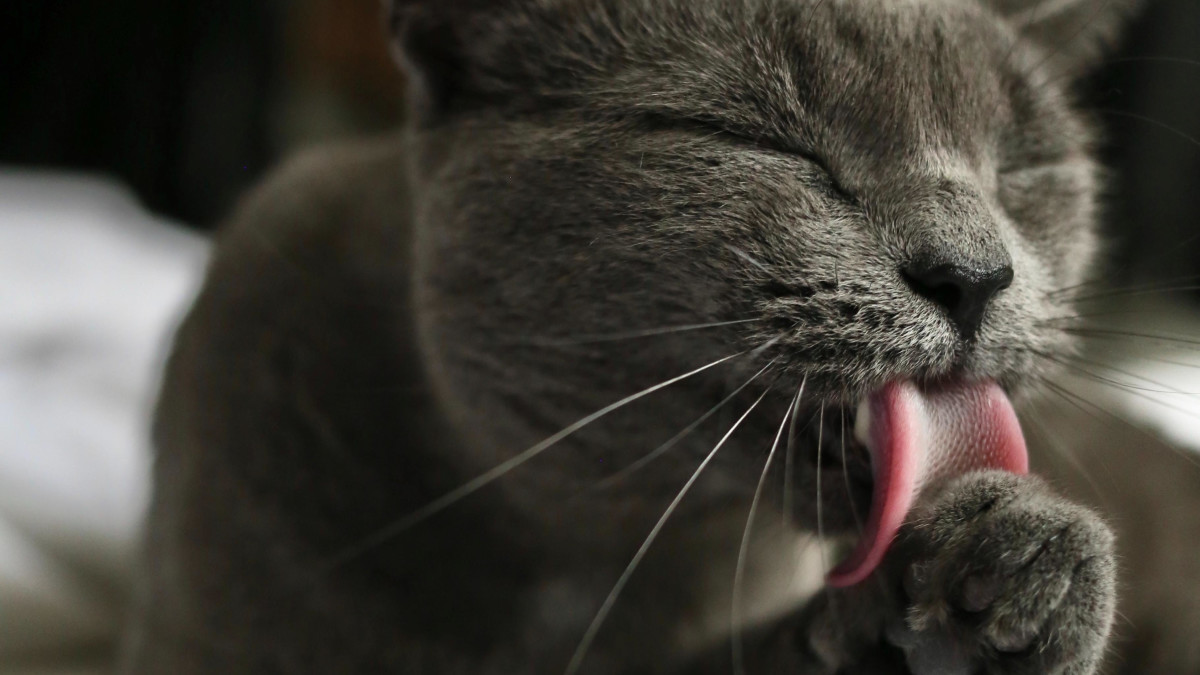
Credit: www.reddit.com
Frequently Asked Questions
What Causes Compulsive Grooming In Cats?
Compulsive grooming often stems from stress, allergies, or skin irritations. It can also be linked to boredom or anxiety. Identifying the root cause is essential for effective treatment and prevention.
How Can I Reduce My Cat’s Stress To Stop Grooming?
Provide a calm environment with regular playtime and mental stimulation. Use pheromone diffusers and ensure your cat has safe hiding spots. Reducing stress helps decrease compulsive grooming behavior.
Are There Medical Treatments For Compulsive Grooming?
Yes, vets may prescribe medications or topical treatments to address allergies or infections. Behavioral therapy and environmental changes often complement medical approaches to manage the condition effectively.
When Should I See A Vet For Grooming Issues?
Visit a vet if grooming causes hair loss, skin wounds, or persistent itching. Early intervention can prevent worsening and uncover underlying health problems.
Conclusion
Stopping your cat’s compulsive grooming takes patience and care. Watch for signs of stress or skin problems. Offer plenty of playtime and attention to keep your cat happy. Use gentle grooming tools and a calm voice. Consult a vet if the behavior continues or worsens.
Small changes can make a big difference. Your cat deserves comfort and health every day. Keep trying, and your furry friend will feel better soon.


Leave a Reply