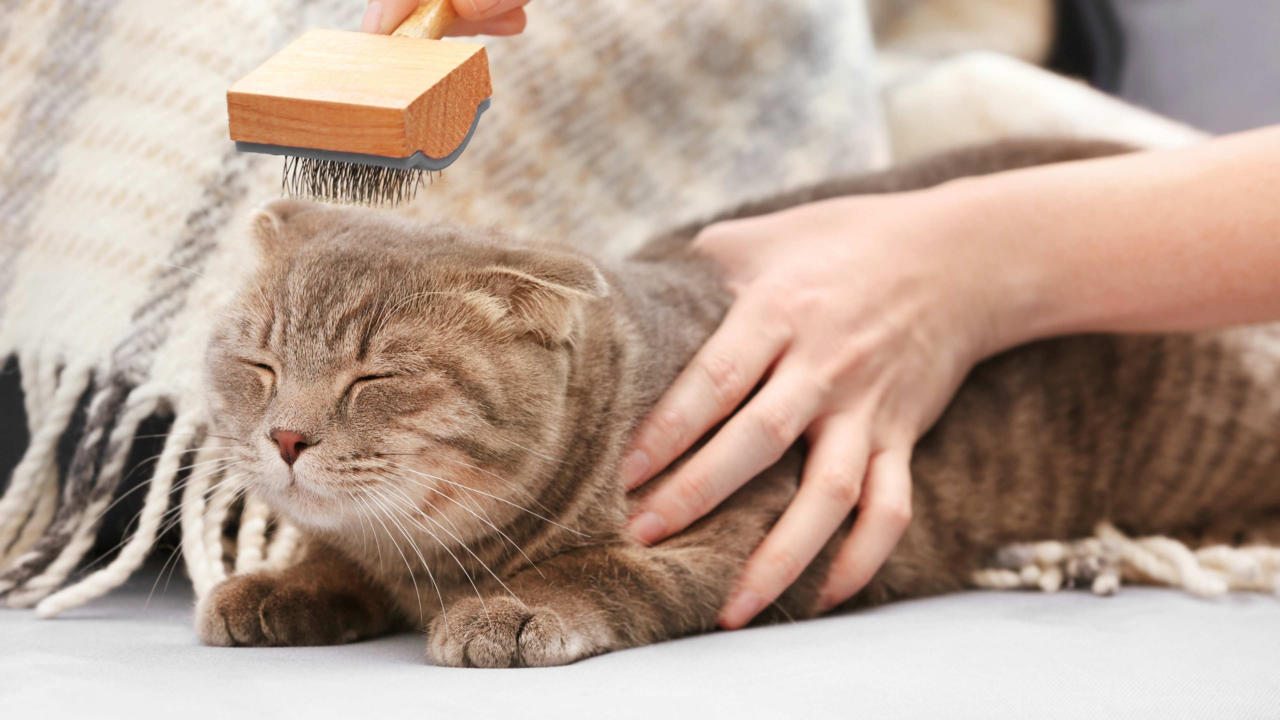
Grooming your cat at home might seem tricky, but it’s easier than you think. You want your furry friend to look and feel their best without the stress of a trip to the groomer.
Imagine your cat’s coat shining, their skin healthy, and those pesky mats disappearing—all thanks to a few simple steps you can do yourself. Ready to learn how to make grooming a calm and enjoyable part of your routine? Keep reading, and you’ll discover easy tips that will make both you and your cat happy.
Choosing The Right Grooming Tools
Choosing the right grooming tools is essential for making your cat’s grooming experience comfortable and effective. The right tools help remove loose fur, prevent mats, and keep your cat’s coat healthy. Using unsuitable brushes or clippers can cause stress or even injury, so understanding what fits your cat’s needs is crucial.
Brush Types For Different Coats
Every cat’s coat is unique, so the brush you choose should match their fur type. Short-haired cats usually benefit from a rubber brush or a bristle brush, which helps remove loose hair without irritating the skin.
Long-haired cats need a slicker brush or a wide-tooth comb to gently detangle and prevent mats. Cats with thick undercoats do well with an undercoat rake, which removes loose fur trapped beneath the top layer.
Have you noticed your cat’s fur shedding more in certain spots? That could be a sign to switch your brush type or add a comb to your routine.
Selecting Nail Clippers And Other Essentials
Trimming your cat’s nails requires the right clippers to avoid discomfort or injury. Guillotine-style clippers work well for most cats, but if your cat is small or skittish, scissors-style clippers might give you better control.
Other grooming essentials include a gentle cat-safe shampoo, wipes for quick cleanups, and ear cleaning solutions. Keep a soft towel handy to wrap your cat if they get fidgety during grooming.
Think about your cat’s personality and tolerance level when picking tools. Sometimes, less aggressive options make grooming smoother for both of you.
Preparing Your Cat For Grooming
Preparing your cat for grooming is key to making the experience smooth and stress-free for both of you. Cats can be sensitive to new routines, so setting the stage carefully helps them feel safe and cooperative. Taking time to prepare builds trust and makes grooming a positive interaction rather than a struggle.
Creating A Calm Environment
Start by choosing a quiet spot with minimal distractions. Turn off loud noises like the TV or radio to avoid startling your cat. A calm room helps your cat stay relaxed and focused on you.
Keep the lighting soft but bright enough to see what you’re doing. Natural light near a window works great, but avoid direct sunlight that might make your cat uncomfortable. A familiar blanket or mat can give your cat a sense of security during grooming.
Have all your grooming tools ready and within reach. This prevents awkward moments where you have to leave your cat unattended to find a brush or comb. Being prepared also shows your cat you mean business but aren’t rushing things.
Getting Your Cat Comfortable
Before you start grooming, spend time petting and talking softly to your cat. Let them sniff and explore the grooming tools so they don’t see them as threats. Offering treats during this time can create a positive connection with the grooming process.
If your cat is new to grooming, try short sessions at first. Just a few minutes of gentle brushing can get them used to the sensation. Notice how your cat reacts and adjust your approach to keep them calm.
Ask yourself: does your cat prefer being on your lap, a table, or the floor during grooming? Finding the right spot makes your cat feel more secure. Sometimes, wrapping your cat in a towel can help keep them calm and still without causing stress.
Brushing Techniques
Brushing your cat is more than just a grooming task; it’s a moment to connect and keep your pet healthy. Using the right brushing techniques ensures your cat’s coat stays clean, reduces shedding, and prevents mats. Understanding how often and how to brush based on your cat’s hair type makes the process easier and more effective.
How Often To Brush
Frequency depends on your cat’s coat and lifestyle. Most cats benefit from brushing at least twice a week to keep their fur smooth and free of loose hair.
Active outdoor cats or those who shed heavily might need daily brushing. Notice how your cat reacts and adjust the schedule to keep them comfortable and happy.
Brushing Short-haired Cats
Short-haired cats need gentle brushing with a soft-bristle brush or rubber grooming glove. This helps remove loose hairs and stimulates natural oil production for a shiny coat.
Focus on areas like the neck, back, and under the chin, where fur tends to accumulate oils and dirt. Brushing short-haired cats can take just a few minutes, making it easy to add to your routine.
Brushing Long-haired Cats
Long-haired cats require more attention to prevent tangles and mats. Use a wide-toothed comb first to gently detangle, then follow with a slicker brush for a smooth finish.
Start brushing from the head and move toward the tail, making sure to be gentle around sensitive areas like the belly. Regular brushing not only keeps their coat beautiful but also reduces hairballs significantly.

Credit: justcatsclinic.com
Bathing Your Cat Safely
Bathing your cat can feel like a daunting task, but handling it safely makes a big difference in your cat’s comfort and your success. Cats generally groom themselves, so bathing is only necessary under specific conditions. Knowing how to approach the process calmly and carefully will help you avoid stress and keep your feline friend happy and clean.
When To Bathe Your Cat
Not every cat needs a bath. You should consider bathing your cat if they get into something sticky, dirty, or smelly that they can’t clean off themselves. Some cats with long fur may benefit from occasional baths to prevent mats and tangles.
If your cat has a skin condition or allergies, your vet might recommend regular baths with special shampoos. Avoid frequent bathing, as it can strip your cat’s fur of natural oils, leading to dry skin. Always ask yourself: Is this bath necessary right now, or can your cat groom itself?
Step-by-step Bathing Process
- Prepare the space:Use a sink or tub with a non-slip surface. Gather all supplies—cat shampoo, a cup for rinsing, towels, and a brush—before bringing your cat in.
- Brush your cat:Remove loose fur and tangles to make the bath easier and more effective.
- Use lukewarm water:Test the temperature with your wrist; it should feel comfortable, not hot or cold.
- Wet your cat gently:Avoid the head at first. Use a cup or sprayer with low pressure to wet the fur evenly.
- Apply cat-safe shampoo:Lather carefully, avoiding eyes, ears, and nose.
- Rinse thoroughly:Residual shampoo can irritate skin, so rinse until the water runs clear.
- Clean the face carefully:Use a damp cloth to wipe around the eyes and nose.
Drying Tips
Wrap your cat in a warm, absorbent towel immediately after the bath. Pat gently instead of rubbing to prevent tangles or skin irritation. Some cats tolerate a low-heat hairdryer, but keep it far enough away and watch for signs of stress.
Choose a quiet, draft-free room for drying. Keep your cat indoors until completely dry to avoid chills. Have you noticed how a calm environment during drying helps your cat relax and speeds up the process?
Trimming Nails And Cleaning Ears
Grooming your cat at home involves trimming nails and cleaning ears. Use cat nail clippers to trim nails carefully, avoiding the quick. For ears, gently clean with a soft cotton ball to remove dirt and wax. Regular grooming keeps your cat healthy and happy.
Grooming your cat at home involves more than just brushing their fur. Trimming nails and cleaning ears are crucial for their health. These tasks can seem daunting but are manageable with the right approach.Safe Nail Trimming
Start by choosing the right tools. Use clippers designed for cats. Human nail clippers might not be safe. Hold your cat gently but firmly. This keeps them calm. Identify the pink area in each nail. This is the quick. Avoid cutting it as it can bleed. Trim only the sharp tip. Offer treats for good behavior.Ear Cleaning Basics
Check your cat’s ears weekly for dirt or wax. Use a cotton ball moistened with ear cleaner. Avoid using cotton swabs. These can damage the ear canal. Gently wipe the inside of the ear flap. Don’t go too deep. If there’s a strong odor or discharge, consult a vet. Regular cleaning helps prevent infections.
Credit: www.petscare.com
Dealing With Mats And Tangles
Mats and tangles can cause discomfort for your cat. They make grooming harder and can lead to skin problems. Regular care helps keep your cat’s coat smooth and healthy. Patience and the right tools make the process easier for both of you.
Preventing Mats
Brush your cat daily to stop mats from forming. Use a comb suited for your cat’s fur type. Pay close attention to areas behind ears, under legs, and around the neck. These spots are more likely to tangle. Keep your cat’s coat clean by bathing occasionally with cat-safe shampoo. Trim long fur around problem areas to reduce knots. Make grooming a calm, positive time to encourage cooperation.
Removing Tangles Without Stress
Start by gently separating small tangles with your fingers. Use a wide-tooth comb to work through mats carefully. Hold the fur close to the skin to avoid pulling. Spray a detangling solution or water to soften tough mats. Work slowly and speak softly to keep your cat relaxed. Never use scissors near the skin to cut mats. If mats are very tight, consult a professional groomer or vet for safe removal.
Maintaining Regular Grooming Routine
Maintaining a regular grooming routine keeps your cat healthy and happy. Grooming removes loose fur and prevents mats. It also helps you spot health issues early. A steady routine makes grooming easier for both you and your cat. Cats enjoy consistency, so regular sessions reduce stress.
Establishing A Schedule
Create a grooming schedule based on your cat’s coat type. Short-haired cats need grooming once a week. Long-haired cats require daily brushing to avoid tangles. Choose quiet times when your cat feels relaxed.
- Set specific days for grooming sessions
- Keep sessions short, around 5-10 minutes
- Use gentle strokes and calm tones
Stick to the schedule to build a positive habit. This routine helps your cat get used to grooming over time.
Signs Your Cat Needs Extra Care
Watch for signs that show your cat needs more grooming. Look for:
- Matted or tangled fur
- Excess shedding or bald patches
- Scratching or biting at the skin
- Dry or flaky skin
- Unpleasant odor
Notice any changes in your cat’s behavior or coat condition. These signs mean it’s time for extra brushing or a vet visit. Regular grooming helps prevent these issues and keeps your cat comfortable.

Credit: www.purina.com
Frequently Asked Questions
How Often Should I Groom My Cat At Home?
Groom your cat once a week for short-haired breeds. Long-haired cats need grooming two to three times weekly to avoid mats and tangles. Regular grooming helps reduce shedding and hairballs, and keeps your cat’s coat healthy and clean.
What Tools Do I Need For Cat Grooming?
Basic tools include a slicker brush, comb, nail clippers, and cat-safe wipes. Use a deshedding tool for long-haired cats. These tools help remove loose hair, prevent mats, and keep your cat’s nails trimmed safely at home.
Can I Bathe My Cat During Grooming?
Bathing cats is optional and depends on their coat and dirt level. Use lukewarm water and mild cat shampoo. Most cats groom themselves, so only bathe when necessary or if your cat is very dirty or has skin issues.
How Do I Safely Trim My Cat’s Nails?
Use cat-specific nail clippers and trim only the sharp tips. Avoid cutting into the quick, which is pink and sensitive. Trim nails every two to three weeks to prevent scratching and maintain comfort.
Conclusion
Grooming your cat at home keeps them healthy and happy. Regular brushing removes loose fur and prevents mats. Use gentle strokes and stay calm to help your cat relax. Trim nails carefully to avoid hurting their paws. Clean ears and eyes with soft cloths when needed.
Small steps make grooming easier over time. Your cat will enjoy the attention and care. Keep a routine and watch your bond grow stronger. Simple grooming habits protect your cat’s skin and coat. Try to make grooming a positive experience every day.




Leave a Reply