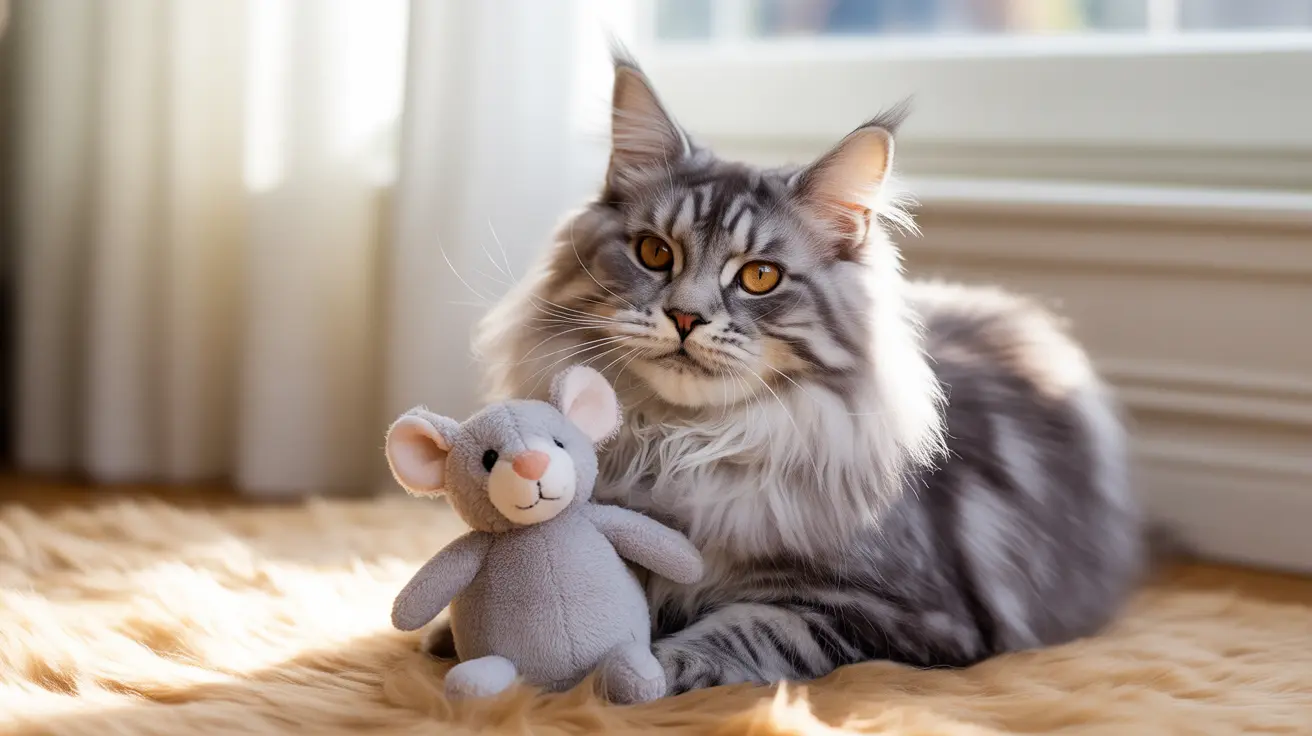
Have you ever wondered why your cat goes crazy for those little toy mice? It’s more than just a simple plaything.
Your feline friend’s fascination with toy mice taps into deep instincts and natural behaviors that keep them happy and healthy. Understanding why cats love these tiny toys can help you choose the best ones to keep your pet entertained for hours.
Keep reading, and you’ll discover the surprising reasons behind this playful obsession—and how it benefits your cat in ways you might not expect.
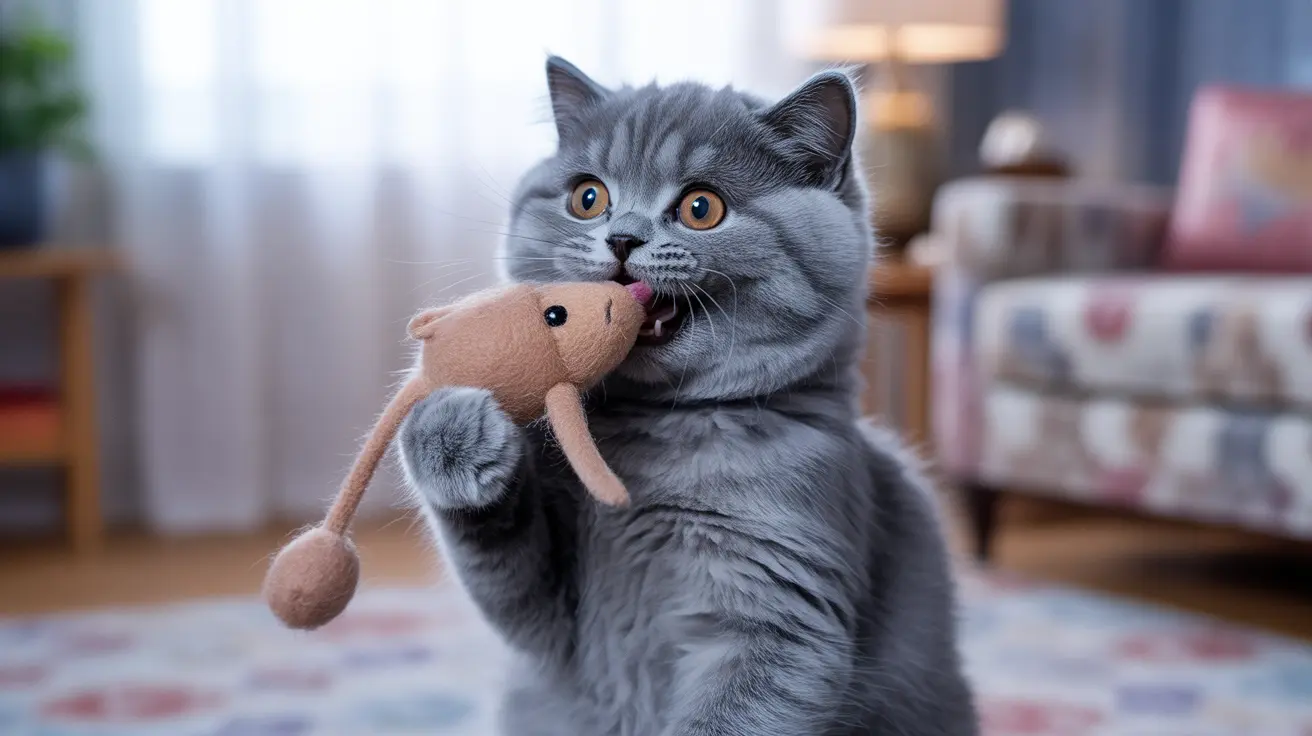
Credit: www.petscare.com
Cat Hunting Instincts
Understanding your cat’s love for toy mice means looking at their hunting instincts. Cats are natural hunters, and these instincts run deep, driving much of their playful behavior. When you watch your cat chase a toy mouse, you’re witnessing a glimpse of their wild side at work.
Natural Predators
Cats evolved as hunters, preying on small animals like mice and birds. Even though your feline friend is safe at home, their brain still reacts to toy mice as if they were real prey. This instinct keeps their hunting skills sharp and satisfies their need to stalk and pounce.
Play As Practice
Play is more than just fun for cats—it’s serious training. When your cat bats at a toy mouse or tosses it in the air, they’re practicing crucial skills like stealth and timing. This kind of play helps younger cats learn survival tactics and keeps older cats mentally and physically fit.
Stimulating Senses
Toy mice engage your cat’s senses in a way few other toys do. Their whiskers, eyes, and ears focus intensely on the movement and texture of the toy. This stimulation mimics the experience of hunting real prey, making the play session both thrilling and satisfying.

Credit: www.amazon.com
Toy Mice Appeal
Cats are natural hunters, and toy mice tap into this instinct in several clever ways. These small toys mimic the look, feel, and behavior of real prey, making them irresistible to your feline friend. Understanding what makes toy mice so appealing can help you choose better toys that keep your cat engaged and active.
Size And Shape
The size of toy mice is perfect for cats to carry, bat, and toss around. They fit comfortably in a cat’s paws and mouth, making playtime feel natural and satisfying. The shape resembles a real mouse, which triggers a cat’s predatory instincts instantly.
Movement Simulation
Toy mice often move unpredictably, either when pushed by you or by built-in mechanisms. This mimics the erratic movements of a live mouse, catching your cat’s attention and encouraging chasing and pouncing. Have you noticed how your cat’s hunting skills come alive with just a simple flick of a toy?
Texture And Material
The materials used in toy mice, like soft fabric or fur-like textures, give a tactile experience similar to real prey. This texture invites cats to bite and claw, satisfying their natural urge to hunt and capture. Choosing a toy with the right feel can keep your cat coming back for more play sessions.
Benefits Of Playing With Toy Mice
Cats enjoy toy mice because they mimic real prey, stimulating hunting instincts. Playing with toy mice keeps cats active and helps reduce stress. It also strengthens their coordination and provides mental exercise.
Cats have a natural instinct to hunt, and toy mice are perfect for satisfying this primal urge. But why exactly do cats gravitate towards these tiny replicas of their prey? Playing with toy mice offers a plethora of benefits that cater to both their physical and mental well-being. Let’s explore these advantages in more detail.Physical Exercise
Engaging with toy mice can significantly boost your cat’s physical activity. The chase and pounce involved mimic the actions they would use in the wild. This not only helps maintain a healthy weight but also tones their muscles. A friend of mine once noticed her cat gaining a bit too much weight. Introducing a toy mouse to her play routine made a remarkable difference. Her cat not only lost weight but appeared more energetic and lively.Mental Stimulation
Toy mice aren’t just about physical play; they’re also a great source of mental stimulation. The unpredictability of these toys keeps your cat on its toes, sharpening its hunting skills. Cats thrive on variety, and a toy mouse that bounces erratically can capture their attention for hours. The result? A sharper, more alert feline friend.Reducing Stress
Stress in cats can manifest in numerous ways, from excessive grooming to aggression. Playtime with toy mice can be a fantastic stress-buster. It offers an outlet for pent-up energy and frustration. Imagine coming home after a long day and unwinding with your favorite hobby. For cats, play can serve the same purpose. It can transform a tense kitty into a serene, content companion. Toy mice aren’t just toys; they’re tools that enrich your cat’s life. So, the next time you see your cat batting around a toy mouse, remember—it’s more than just fun and games. Are you ready to make playtime a priority for your feline friend?Choosing The Right Toy Mouse
Choosing the right toy mouse can make a big difference in how much your cat enjoys playtime. Not all toy mice are created equal, and picking one with the right features ensures your cat stays entertained and safe. Let’s look at some key points to think about before making your choice.
Safety Considerations
Your cat’s safety should come first when selecting a toy mouse. Avoid toys with small parts that can easily break off and be swallowed. Look for non-toxic materials, especially if your cat tends to chew aggressively.
Soft fabrics without loose threads work well to prevent choking hazards. Also, consider the size; a toy mouse too small might get swallowed, while one too large might not hold your cat’s interest. Have you noticed how your cat reacts to different textures? This can guide you to safer options.
Interactive Features
Toys that move or make noise can instantly grab your cat’s attention. Some toy mice have built-in mechanisms to wiggle or squeak, mimicking real prey. This can turn a simple toy into an engaging hunting experience for your cat.
Adding feathers or crinkly materials often sparks curiosity and encourages active play. Think about your cat’s energy level—does it prefer chasing or pouncing? Choosing a toy with interactive features suited to your cat’s play style keeps them mentally and physically stimulated.
Durability Factors
Durability matters because a toy that falls apart quickly can be frustrating for both you and your cat. Look for tightly sewn seams and tough materials that withstand scratching and biting. A well-made toy saves you money and keeps your cat satisfied longer.
Have you ever had to replace a toy mouse after just a few days? Finding a balance between softness and strength is key. Some cats are gentle players, while others are rougher—pick a toy that matches your cat’s play intensity to avoid constant replacements.
Encouraging Playtime
Encouraging playtime is essential for your cat’s health and happiness. Cats naturally love to hunt and chase, and toy mice tap into these instincts perfectly. Keeping play sessions fun and engaging helps prevent boredom and keeps your feline friend active.
Interactive Play Tips
Grab a toy mouse and get involved. Moving it like a real mouse—darting, hiding, and pouncing—can instantly capture your cat’s attention. Try varying the speed and direction to mimic a live prey’s unpredictable movements.
Short, frequent play sessions work better than long ones. Aim for 10-15 minutes a few times a day. This keeps your cat excited and looking forward to the next playtime.
Incorporating Toy Mice
Place toy mice in different spots around your home to encourage exploration. Hide them under cushions or behind furniture to trigger your cat’s natural hunting instincts. You can even tie a toy mouse to a string or stick to create a makeshift wand toy for interactive fun.
Switch up the toys regularly to keep your cat curious. Some cats prefer soft plush mice, while others like ones with bells or feathers. Paying attention to what type your cat prefers can make a big difference in their enthusiasm.
Recognizing Play Preferences
Does your cat prefer chasing, pouncing, or batting? Watching how your cat interacts with toy mice reveals their unique play style. Some cats might favor quick, aggressive attacks, while others enjoy gentle swats and stalking.
Adjust your play approach based on these preferences. If your cat likes to stalk before pouncing, give them time to “hunt” the toy mouse. If they prefer chasing, drag the toy across the floor to encourage a chase.
What does your cat’s favorite play behavior tell you about their personality? Observing closely can deepen your bond and make playtime more rewarding for both of you.

Credit: www.reddit.com
Frequently Asked Questions
Why Do Cats Prefer Toy Mice Over Other Toys?
Cats prefer toy mice because they mimic real prey. The size, shape, and movement trigger hunting instincts. Toy mice simulate natural play and help cats practice stalking and pouncing. This keeps cats mentally and physically stimulated, reducing boredom and stress.
How Do Toy Mice Benefit A Cat’s Health?
Toy mice encourage physical activity, which improves a cat’s fitness. Playing with toy mice enhances coordination and sharpens hunting skills. It also reduces obesity risks and strengthens muscles. Regular play promotes mental alertness and emotional well-being for cats.
Can Toy Mice Satisfy A Cat’s Hunting Instincts?
Yes, toy mice effectively satisfy hunting instincts. They allow cats to stalk, chase, and pounce safely indoors. This play prevents frustration from unmet predatory urges. Providing toy mice helps cats express natural behaviors without harming wildlife.
Are Toy Mice Safe For All Cats To Play With?
Toy mice are generally safe if made from non-toxic materials. Supervise play to prevent swallowing small parts. Choose durable toys without loose strings to avoid choking hazards. Always inspect toys regularly and replace damaged ones promptly.
Conclusion
Cats enjoy toy mice because they mimic real prey’s size and movement. These toys trigger a cat’s natural hunting instincts. Playing helps cats stay active and mentally sharp. It also reduces stress and boredom in indoor cats. Owners can bond with pets through interactive play.
Toy mice provide fun and exercise without harm. Simple, small toys keep cats curious and entertained. Understanding this helps owners choose better toys for their pets. Giving cats toys like mice makes them happier and healthier. A small toy can bring big joy to your cat.




Leave a Reply