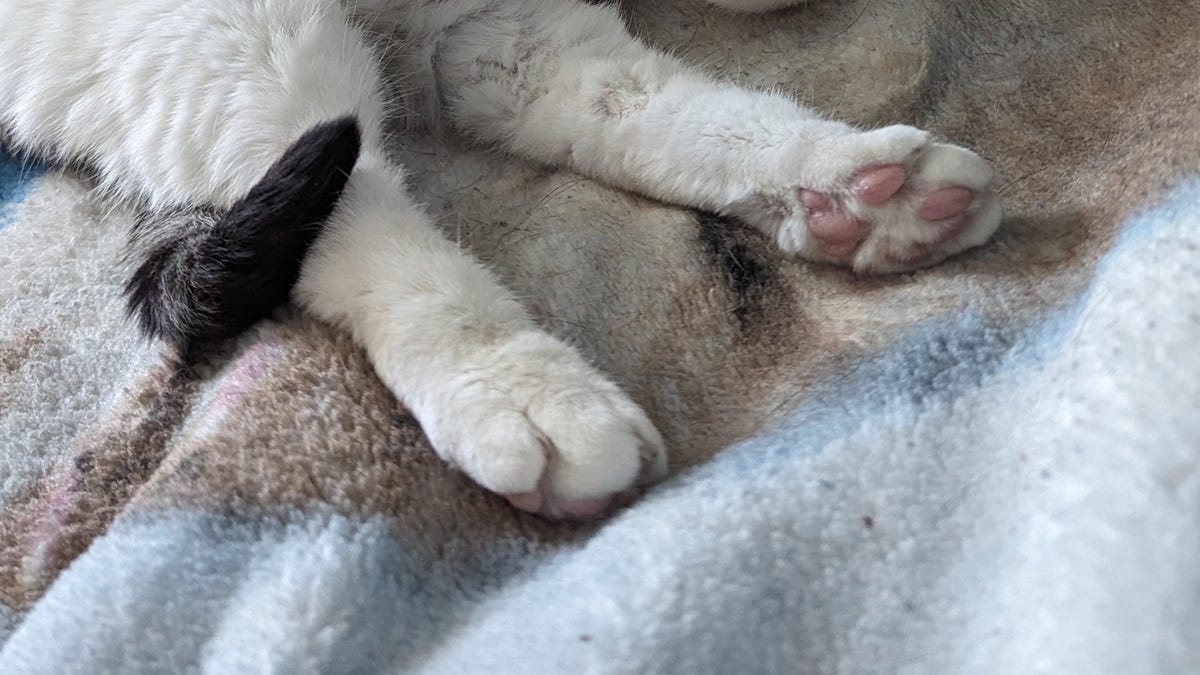
Have you ever watched your cat suddenly stomp on a toy with surprising intensity? It might seem strange or even funny, but there’s more to this behavior than just playfulness.
Understanding why your cat does this can help you connect better with your furry friend and make playtime more enjoyable for both of you. Keep reading to discover the surprising reasons behind those tiny, powerful stomps and what they mean for your cat’s mind and mood.

Credit: medium.com
Cat Stomping Behavior
Cats have a unique way of interacting with their toys, often surprising their owners with unexpected behaviors. One such behavior is stomping on toys, which might leave you wondering why your feline friend acts this way. Understanding this behavior can help you connect better with your cat and provide toys that satisfy their natural instincts.
What Is Stomping?
Stomping is when a cat uses its front paws to press down or step heavily on a toy. This action is usually quick and deliberate, resembling a small “dance” over the object. It’s not just random play—it often reflects instincts linked to hunting and capturing prey.
When your cat stomps, they might be mimicking how they would hold down a struggling animal. This behavior can also help them test how the toy moves or feels under their paws. Have you noticed your cat’s paws tapping in a rhythmic pattern? That’s often part of their hunting ritual.
Common Toys Targeted
Cats tend to stomp on toys that mimic the texture, size, or movement of prey. Here are some favorites:
- Plush mice:Soft and small, these toys invite pawing and stomping, much like real mice.
- Feather wands:The feathers’ fluttering movement triggers stalking and pouncing behaviors, including stomping.
- Small balls:Lightweight balls that roll unpredictably encourage cats to trap them under their paws.
- Interactive toys:Toys that move or make noise often get stomped as cats try to control their “prey.”
Next time your cat stomps on a toy, watch closely. You might catch a glimpse of their natural hunter’s mindset, right in your living room. What toys does your cat stomp on the most, and how do they react afterward?

Credit: medium.com
Instinctual Drives
Cats stomp on toys because of their strong instinctual drives. These behaviors come from their wild ancestors. They help cats survive in nature. Even house cats keep these habits alive through play. Stomping is one way cats connect with their natural hunting and territorial behaviors.
Hunting And Play
Stomping mimics how cats catch prey in the wild. Cats use their paws to trap and hold animals. Toys become pretend prey during playtime. Stomping helps cats practice pouncing and capturing skills.
This action also builds excitement and focus. It triggers the cat’s hunting instincts. Stomping prepares cats to pounce at the right moment. Play becomes a training ground for real hunting techniques.
Territory And Marking
Cats stomp to mark their territory too. Their paws have scent glands that leave a unique smell. When cats stomp on toys, they mark the item as theirs. This behavior signals ownership to other cats or animals.
Stomping also helps cats feel safe in their space. Marking toys creates a familiar scent zone. It reduces stress and strengthens their bond with their environment. This instinct helps cats control their territory quietly and effectively.
Communication Signals
Cats use their body language to send messages, and stomping on toys is one way they communicate. This behavior can tell you a lot about their feelings and intentions without a single meow. Understanding these signals helps you connect better with your feline friend and respond to their needs more effectively.
Expressing Excitement
Have you noticed your cat stomping on a toy right after spotting it? This action often shows excitement and anticipation. It’s like they’re gearing up for a playful pounce or a chase.
This behavior can be compared to how cats tap their prey in the wild before attacking. Your cat’s stomping is a way of saying, “I’m ready to play!” It’s their way of building energy and focus.
Showing Dominance
Sometimes, your cat stomps on a toy to mark it as theirs. This is a subtle way of showing dominance over their playthings. It’s their way of saying, “This is mine, and I’m in charge here.”
If you notice your cat stomping repeatedly or guarding the toy afterward, they might be asserting control. Have you ever caught your cat growling or hissing when someone approaches their favorite toy? That’s a clear sign of dominance linked to their stomping behavior.

Credit: www.reddit.com
Emotional Triggers
Cats often stomp on toys due to emotional reasons. These actions show how they feel inside. Understanding these feelings helps you care for your cat better. Emotional triggers often cause this playful or restless behavior.
Stress And Anxiety
Cats feel stress from changes in their environment. New people, loud noises, or moving can upset them. Stomping on toys helps release this tension. It acts as a way to calm down and feel safe. This behavior gives cats control over their space.
Seeking Attention
Sometimes, cats stomp toys to get your focus. They want you to play or pet them. This action is their way to communicate need or boredom. Ignoring the behavior may make them try harder. Responding with playtime or affection helps reduce stomping.
Environmental Influences
Cats are fascinating creatures, and their behavior often leaves us both amused and puzzled. One such behavior is their tendency to stomp on their toys. While it might seem random, environmental influences play a significant role in why your feline friend might display this behavior. Understanding these influences can offer insights into your cat’s playful antics and overall well-being.
Toy Texture And Size
The texture and size of a toy can dramatically impact how a cat interacts with it. Cats are naturally drawn to textures that mimic their prey, like feathers, fur, or even crinkly materials. This tactile stimulation can trigger their instinctual behaviors, such as stalking and pouncing, leading them to stomp on the toy as part of their play.
Smaller toys might be stomped on more frequently because they resemble small animals that a cat would hunt in the wild. On the other hand, larger toys might serve as a substitute for larger prey, allowing your cat to engage in more robust play. Consider observing which toys your cat favors and how they interact with different sizes and textures. Does your cat stomp more on a feathered toy or a plush one?
Surrounding Space
The space where your cat plays can also influence their behavior. A cluttered or restricted area might limit their ability to fully engage in play, leading them to stomp on toys in frustration or as a way to expend pent-up energy. Providing a spacious and safe environment encourages more natural play behavior.
Have you ever noticed your cat dragging a toy to a different room or area? This behavior might indicate their preference for a more open space where they can move freely. By ensuring your cat has ample room to explore and play, you can help them express their playful instincts more effectively.
Understanding these environmental factors can not only enhance your cat’s playtime but also strengthen the bond you share with them. Next time you watch your cat stomp on a toy, you’ll have a better idea of what’s driving their behavior and how you can make their playtime more enriching.
How To Respond
Understanding how to respond when your cat stomps on toys can change the dynamic of your playtime. Cats use stomping as a way to express excitement or practice hunting skills, so your reaction can either encourage positive behavior or lead to frustration. Knowing the right approach helps keep play sessions fun and stress-free for both of you.
Encouraging Healthy Play
Support your cat’s natural instincts by offering toys that invite gentle pouncing and stalking. Toys like feather wands or soft balls can satisfy their hunting urges without encouraging aggressive stomping.
Try praising your cat when they interact calmly with toys. You might say, “Good job!” or give a little treat. Positive reinforcement makes them more likely to repeat this behavior.
Have you noticed your cat calms down when you join in the play? Engaging directly can channel their energy in a controlled way and strengthen your bond.
Redirecting Negative Behavior
If your cat’s stomping becomes too rough or destructive, gently redirect their attention to a different activity. Use a toy that encourages chasing or batting instead of stomping.
Avoid yelling or punishment, as this can confuse your cat and increase stress. Instead, calmly remove the toy and give them a break to reset their mood.
You can also provide multiple toys to prevent boredom and reduce rough play. Rotate toys regularly to keep your cat interested and less likely to stomp out of frustration.
Frequently Asked Questions
Why Do Cats Stomp On Their Toys?
Cats stomp on toys to mimic hunting behavior. This action helps them practice catching and immobilizing prey, satisfying their natural instincts and providing mental stimulation.
Is Stomping On Toys A Sign Of Aggression?
No, stomping on toys usually indicates playfulness, not aggression. It reflects a cat’s hunting drive and is a healthy way for cats to release energy.
How Does Stomping Benefit A Cat’s Mental Health?
Stomping engages a cat’s brain and body, reducing boredom. It helps improve focus, coordination, and relieves stress through natural predatory play.
Do All Cats Stomp On Toys?
Most cats stomp on toys, but behavior varies. Some cats show this instinct more strongly, depending on personality and past experiences with hunting.
Conclusion
Cats stomp on toys to practice hunting skills and have fun. This behavior shows their natural instincts and curiosity. Toys help cats stay active and healthy. Understanding why cats stomp on toys improves your bond with them. Watch your cat’s play to learn more about their needs.
Stomping is normal and part of their playful nature. Keep providing safe toys to keep your cat happy and engaged. Enjoy these small moments—they reveal much about your pet’s personality.




Leave a Reply