Have you ever wondered why purebred cats often face more health problems than mixed-breed cats? If you’re thinking about bringing a purebred cat into your home, this is something you need to understand.
Knowing the hidden reasons behind their health issues can help you make smarter choices for your furry friend’s well-being. Keep reading to discover the surprising truths about purebred cats and how you can protect your pet from common health risks.

Credit: www.wayofcats.com
Breed Standards And Genetic Bottlenecks
Breed standards set strict guidelines for how purebred cats should look and behave. While these standards help maintain a recognizable appearance, they often lead to a limited gene pool. This restriction creates what is known as a genetic bottleneck, where only a few individuals contribute to future generations, increasing the risk of inherited health problems.
Impact Of Selective Breeding
Selective breeding focuses on enhancing specific traits, such as coat color, eye shape, or size. While it may produce beautiful cats that meet breed standards, it often narrows genetic diversity.
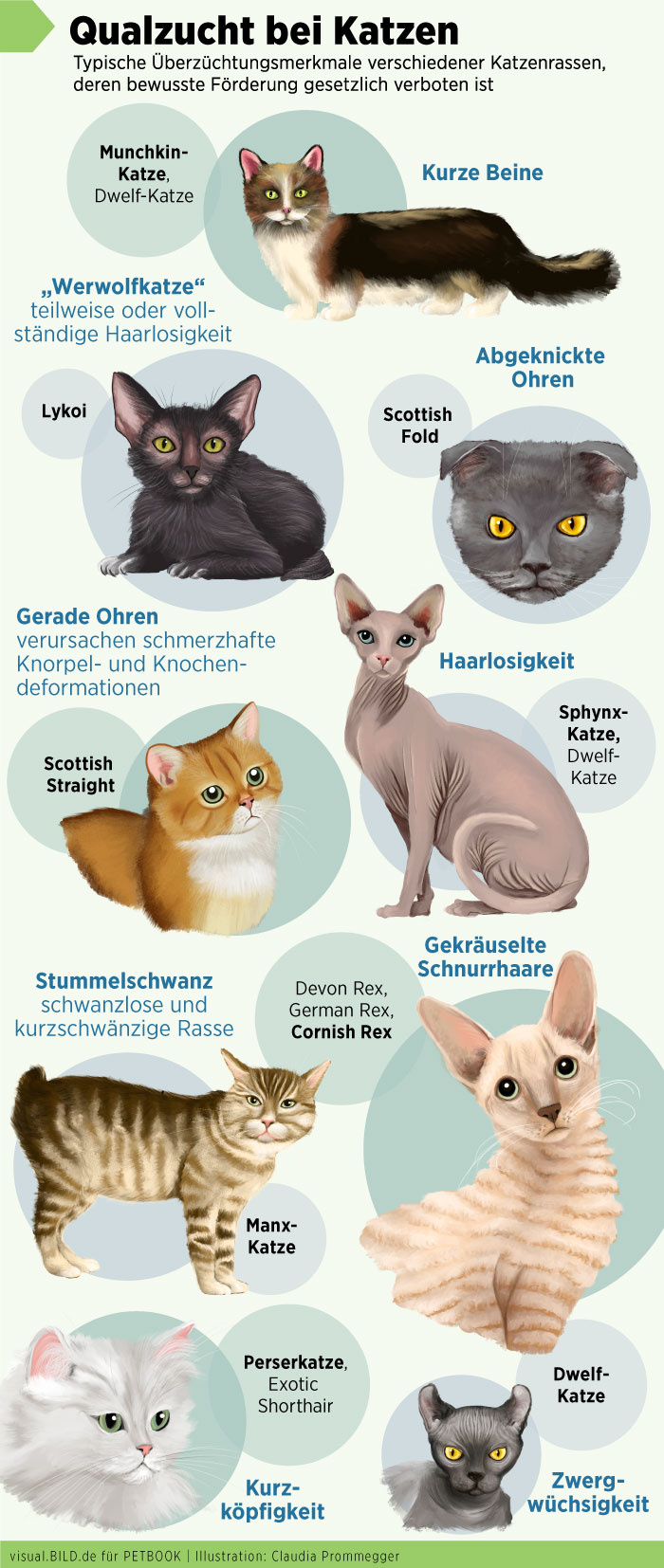
By repeatedly breeding cats with similar features, you risk amplifying harmful genes. This can unintentionally pass on diseases or weaknesses. Think about how a friend of mine bred Persian cats—over time, some kittens developed respiratory issues due to the flat face trait prioritized in the breed.
Do you wonder if the beauty of breed standards is worth the potential health risks? Understanding this trade-off can help you make better choices when selecting a pet.
Common Genetic Disorders In Purebreds
Many purebred cats suffer from inherited conditions linked to their breed. Some common disorders include:
- Hypertrophic Cardiomyopathy (HCM):A heart disease prevalent in breeds like Maine Coons and Ragdolls.
- Polycystic Kidney Disease (PKD):Seen often in Persians, causing kidney failure.
- Progressive Retinal Atrophy (PRA):Leading to blindness, found in Abyssinians and Siamese.
Knowing these risks helps you ask informed questions when adopting or buying a purebred cat. Have you checked if your cat’s breed is prone to any genetic health issues? Early awareness can lead to better care and treatment options.
Inbreeding And Its Consequences
Inbreeding is common in purebred cats to keep specific traits. Breeders often mate cats from the same lineage to maintain breed standards. This practice limits the variety of genes passed to offspring. The consequences affect the cats’ health and survival over time.
Loss Of Genetic Diversity
Inbreeding reduces genetic diversity within a cat breed. Fewer genes mean less ability to fight diseases. It also lowers the chance of adapting to environmental changes. This makes purebred cats more vulnerable to health issues. Their immune systems may weaken due to limited gene variation.
Increased Risk Of Hereditary Diseases
Inbreeding raises the risk of passing harmful genes. Defective genes become common because of repeated breeding within a small gene pool. This leads to hereditary diseases like heart problems, kidney failure, and deformities. These conditions often appear early and affect the cat’s quality of life. Careful breeding practices can reduce but not eliminate these risks.
Popular Purebred Cat Health Issues
Purebred cats often face unique health challenges. Breeding for specific traits narrows their gene pool. This increases the chance of inherited diseases. Understanding common health issues helps owners care better for their pets.
Hypertrophic Cardiomyopathy In Maine Coons
Maine Coons are prone to hypertrophic cardiomyopathy (HCM). This heart disease thickens the heart muscle. It reduces the heart’s ability to pump blood. Cats may show no symptoms at first. Regular veterinary check-ups can detect HCM early.
Polycystic Kidney Disease In Persians
Persian cats often develop polycystic kidney disease (PKD). PKD causes fluid-filled cysts to form in kidneys. It leads to kidney failure over time. Early diagnosis through ultrasound helps manage the condition. Responsible breeders test for PKD to reduce risks.
Respiratory Problems In Brachycephalic Breeds
Brachycephalic cats, like Persians and Exotic Shorthairs, have flat faces. This shape causes breathing difficulties. Narrow nasal passages block airflow. Cats may snore or have noisy breathing. Maintaining a healthy weight eases respiratory stress.
Breeding Practices That Worsen Health
Breeding practices play a major role in the health issues seen in purebred cats. Many breeders focus on traits that may harm the cat’s well-being. This focus often leads to genetic problems and weak immune systems. Understanding these practices helps explain why some purebred cats suffer more health problems.
Emphasis On Appearance Over Health
Many breeders prioritize looks over the cat’s health. They select cats with specific physical traits, ignoring genetic diversity. This causes inherited diseases to spread easily within the breed. Traits like flat faces or unusual body shapes can create breathing or joint problems. Breeding for appearance alone can reduce a cat’s lifespan and quality of life.
Unethical Breeding And Puppy Mills
Unethical breeding practices worsen health issues in purebred cats. Some breeders keep cats in poor conditions, focusing only on profit. These places often ignore health screenings and proper care. Overbreeding leads to weak kittens with more diseases. Lack of proper veterinary care increases risks of infection and illness. Responsible breeding means caring for cats’ health and welfare first.
How To Promote Healthier Purebred Cats
Purebred cats often face health issues due to limited gene pools and inbreeding. Promoting healthier cats means encouraging diverse breeding practices and regular health checks. This helps reduce inherited diseases and improves their overall well-being.
Promoting the health of purebred cats is a vital concern for breeders, owners, and cat lovers alike. The aim is to ensure that these beautiful creatures can lead long, healthy lives without the burden of genetic health issues. By taking proactive steps, you can significantly contribute to the well-being of purebred cats.Genetic Testing And Screening
Early genetic testing is a powerful tool in promoting healthier purebred cats. It helps identify potential hereditary health problems before they manifest, allowing for informed breeding decisions. By prioritizing genetic screening, you can help minimize the risk of passing on detrimental traits to future generations.Outcrossing And Diversifying Gene Pools
Outcrossing, or introducing new genetic material, is essential in reducing inbreeding-related health issues. By diversifying the gene pool, you contribute to a more robust immune system and lower the chance of hereditary diseases. It’s like giving your cat a ticket to a healthier life, broadening their genetic horizons.Choosing Responsible Breeders
Selecting breeders who prioritize health over aesthetics is crucial. Responsible breeders perform necessary health tests and provide transparent information about a cat’s lineage. When you choose such breeders, you invest in the long-term health and happiness of your future feline companion. Are you considering adopting a purebred cat? Remember, your choices can make a substantial impact on their health and quality of life. Opt for knowledge and responsibility, and you’ll help pave the way for healthier, happier cats.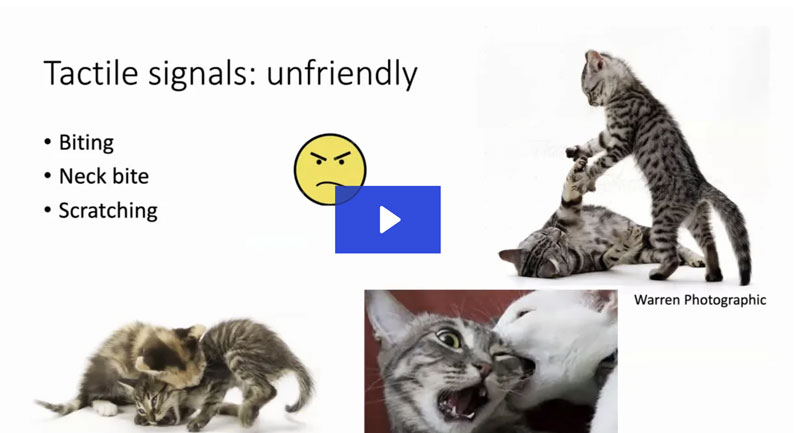
Credit: www.veterinarypracticenews.com
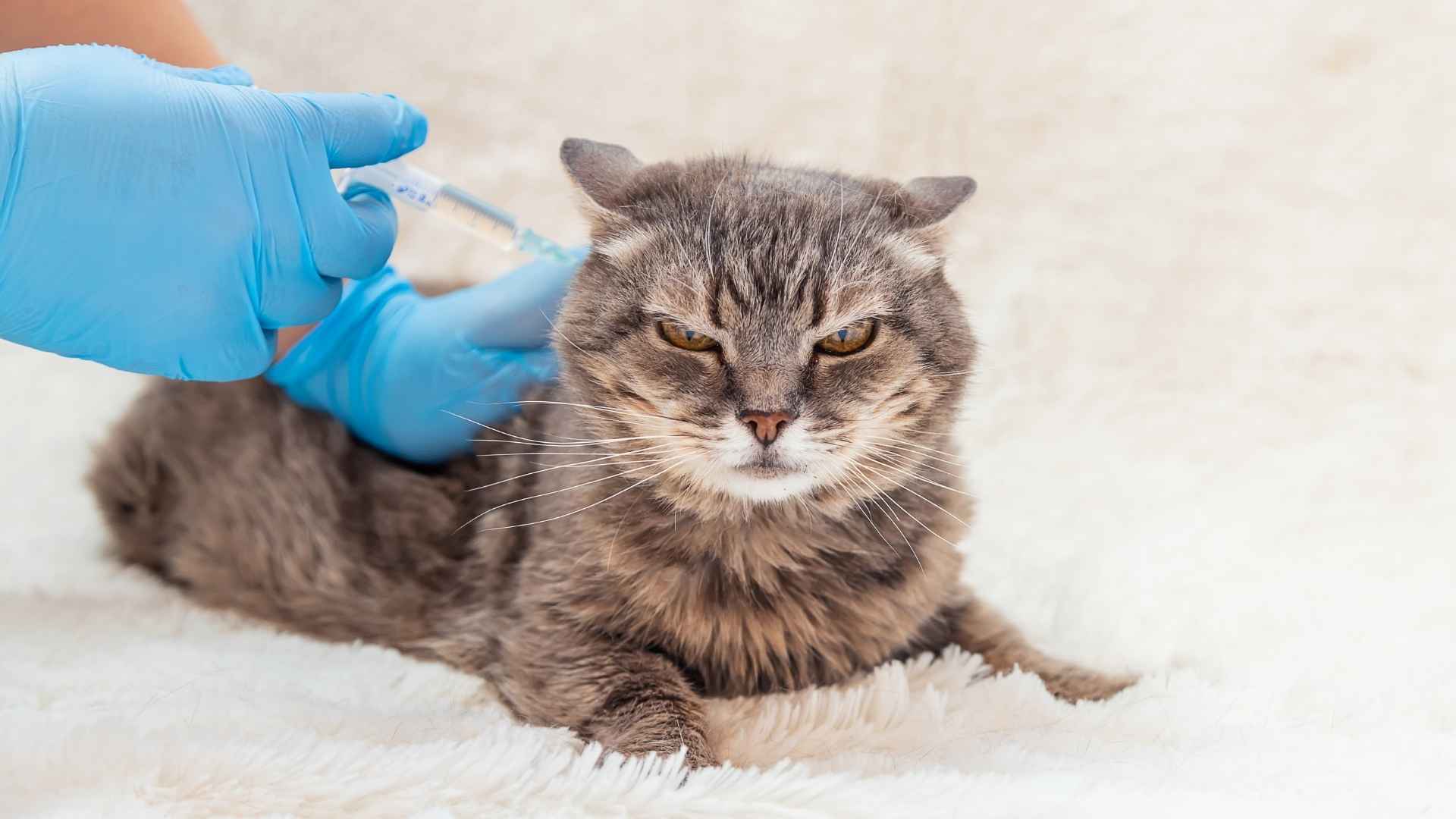
Credit: worldanimalfoundation.org
Frequently Asked Questions
Why Do Purebred Cats Have More Health Problems?
Purebred cats often face health issues due to limited gene pools. Breeding within a small group increases inherited disease risks. Selective breeding for specific traits may also cause genetic defects. This reduces overall genetic diversity, making them prone to certain illnesses.
How Does Inbreeding Affect Purebred Cat Health?
Inbreeding increases the chance of genetic disorders in purebred cats. It passes harmful recessive genes to offspring. This can lead to heart problems, kidney disease, and other inherited conditions. Avoiding close relative breeding helps reduce these health risks.
Are Purebred Cats More Prone To Genetic Diseases?
Yes, purebred cats are more susceptible to genetic diseases. Breeders often select cats based on looks, not health. This can concentrate harmful genes within the breed. Responsible breeding practices help minimize these inherited health problems.
Can Purebred Cat Health Problems Be Prevented?
Some health problems in purebred cats can be prevented. Responsible breeders perform genetic testing before breeding. They avoid mating cats with known hereditary issues. Proper care and regular vet checkups also help maintain health.
Conclusion
Purebred cats often face health problems due to limited gene pools. Breeders focus on looks over health sometimes. This causes inherited diseases to pass down. Mixed-breed cats usually have fewer health risks. Understanding these issues helps owners care better. Choosing a healthy cat means asking the right questions.
Regular vet visits catch problems early. Love and care make a big difference. Health challenges do not mean purebreds can’t live well. Awareness is the first step to better cat health.




Leave a Reply