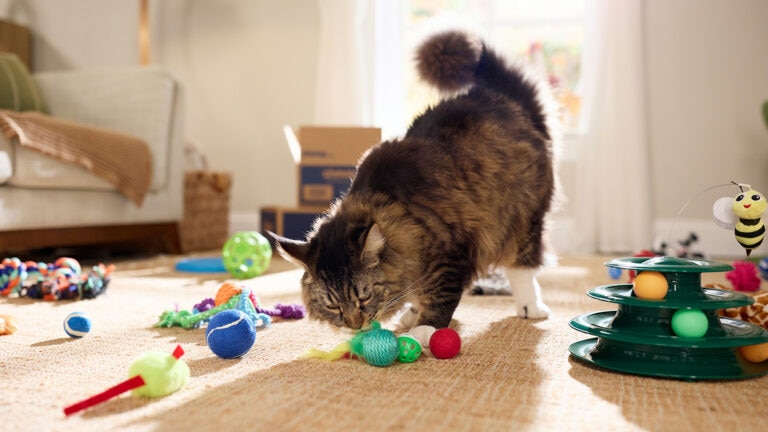
Have you ever caught your cat dropping its favorite toy into the water bowl and wondered why? It might seem strange or even confusing at first.
But there’s more to this quirky behavior than meets the eye. Understanding why your cat puts toys in water can help you connect with your furry friend on a deeper level. Keep reading, and you’ll discover surprising reasons behind this habit—and how it reveals your cat’s unique personality and instincts.

Credit: www.reddit.com
Cats And Their Play Habits
Cats love to play. Play keeps them active and sharp. Their play habits show their natural hunting skills. Toys often mimic prey like mice or birds. Watching cats play helps us understand their behavior better.
Common Cat Toys
- Feather wands
- Laser pointers
- Small balls
- Stuffed mice
- Catnip toys
- Interactive puzzle toys
These toys are designed to spark a cat’s interest. They encourage stalking, pouncing, and chasing. Cats enjoy toys that move or make noise. Variety in toys keeps cats entertained for longer.
How Cats Interact With Toys
Cats use paws to bat and grab toys. They often bite or carry toys in their mouths. Some cats like to toss toys into water. This behavior mimics catching and testing prey. Playing helps cats release energy and stay healthy.

Credit: www.reddit.com
The Attraction To Water
Have you ever noticed your cat dropping toys into their water bowl and wondered why? This curious behavior is tied closely to your cat’s unique attraction to water. Understanding this fascination can give you clues about their instincts and how they interact with their environment.
Cats’ Relationship With Water
Many cats don’t seem to love water, yet they are often drawn to it in surprising ways. Some cats prefer to drink from running water or paw at water bowls. This shows they are naturally curious about water, even if they avoid getting soaked.
Your cat’s ancestors lived in dry regions, so water was precious and sometimes scarce. This history may explain why cats are cautious but interested in water sources. It’s a balance of caution and curiosity that you can observe in your pet.
Water As A Play Element
Water changes how toys behave—floating, sinking, or splashing—which intrigues your cat’s hunting instincts. Tossing toys into water adds a new challenge and sensory experience that dry play can’t offer. It keeps their mind active and sharp.
Have you tried adding a small floating toy to a shallow water dish? Your cat might start interacting with it more enthusiastically. This simple play tweak could boost their mental stimulation and reduce boredom.
Next time you see your cat dropping toys in water, think about the mix of instinct and play driving this behavior. How can you use this insight to make playtime more engaging for your furry friend?
Hunting Instincts And Toy Behavior
Cats have sharp hunting instincts that influence their play behavior, especially when it comes to toys and water. When your cat drops a toy in water, it’s more than just random play—it’s a way to mimic the natural hunting process. Understanding this behavior helps you connect with your cat and provide better play experiences.
Simulating Prey Capture
Many cats treat their toys like real prey. They often bat, chase, and even carry toys as if they were hunting. Placing toys in water adds a new challenge, similar to catching slippery fish or amphibians.
Think about how your cat reacts to a floating toy—does it paw at the water or try to grab the toy quickly? This is your cat practicing hunting skills like grabbing, holding, and retrieving prey. Watching this can give you clues about your cat’s natural instincts and help you choose toys that keep them engaged.
Why Water Mimics Natural Hunting Grounds
Water creates a dynamic environment that excites your cat’s senses. Many wild cats hunt near streams, ponds, or wetlands where prey moves unpredictably. Water makes the toy move differently, making the hunt feel more real.
Have you noticed how your cat’s focus sharpens when a toy splashes in water? The noise, reflections, and movement simulate a natural hunting ground. This interaction challenges your cat and prevents boredom, which is crucial for indoor cats that don’t get to hunt.
Sensory Stimulation And Curiosity
Cats love to explore their world using their senses. Water adds a new twist to their play. Toys in water offer unique sensations that spark their interest. Curiosity drives them to discover how things feel and move.
Tactile And Visual Appeal
Water changes how toys feel to cats. Wet toys feel slippery and smooth. This new texture excites their sense of touch. Cats also see reflections and ripples in water. These moving lights catch their eyes quickly. The mix of touch and sight keeps cats engaged longer.
Exploring New Sensations
Playing with toys in water lets cats test new feelings. They learn about wetness and movement. Water makes toys float or sink, changing the play. This surprises cats and keeps their minds active. Exploring these sensations helps cats stay curious and sharp.
Marking Territory And Ownership
Cats have a unique way of marking their territory and showing ownership, especially when it comes to their toys. Placing toys in water isn’t just a random act; it’s a subtle message to other pets and even humans. This behavior helps cats feel secure and in control of their environment.
Scent Transfer Through Water
Water acts as a medium for scent transfer, which cats use to mark their toys. When your cat dips a toy into water, it mixes their natural scent with the water. This makes the toy smell more like them, reinforcing their ownership.
Have you noticed your cat returning to the same toy after it’s been in water? This is because the scent lingers longer, giving your cat a sense of comfort and possession. It’s a clever way they keep their belongings unmistakably theirs.
Claiming Toys In Shared Spaces
If you have multiple cats or pets, watch how toys move around. Cats often put toys in water to claim them in shared spaces, making sure other animals know who owns what. This helps reduce conflicts and competition over favorite playthings.
Try observing your cats during playtime. You might see one cat place a toy in the water bowl or sink, signaling a clear “mine” to others. Understanding this behavior can help you manage your pets’ interactions better, keeping peace in your home.
Potential Health And Safety Concerns
Cats often drop their toys in water out of curiosity or playfulness. This habit, while amusing, can bring health and safety concerns for both pets and their owners. Understanding these risks helps keep your cat safe and your home clean.
Risks Of Water Play
Water can harbor bacteria that cling to toys and cause infections. Wet toys may grow mold or mildew quickly, creating a harmful environment. Cats might ingest water with germs, leading to stomach issues or illness. Toys soaked in water can also become slippery, increasing the chance of choking or injury.
Keeping Toys Clean
Regular cleaning of toys is crucial to prevent germs and dirt buildup. Use mild soap and warm water to wash toys thoroughly. Avoid harsh chemicals that can harm your cat if ingested. Dry toys completely before giving them back to your cat to stop mold growth. Rotate toys often to ensure they stay fresh and safe.
Encouraging Safe And Enriching Play
Cats often put toys in water, triggering curiosity in pet owners. This behavior can be playful and a way for cats to mimic hunting. Encouraging safe and enriching play is crucial for a cat’s well-being. It helps stimulate their mind and keeps them active.
Selecting Suitable Toys
Choose toys that are safe for water play. Opt for materials that dry quickly and are non-toxic. Toys should be durable to withstand frequent use. Consider toys that float, as they mimic prey in the wild. This encourages natural hunting instincts.
Avoid small parts that could be swallowed. Ensure toys are large enough to prevent choking. Check for any sharp edges or loose parts. Safety should always be a priority in playtime.
Creating Engaging Water Play Activities
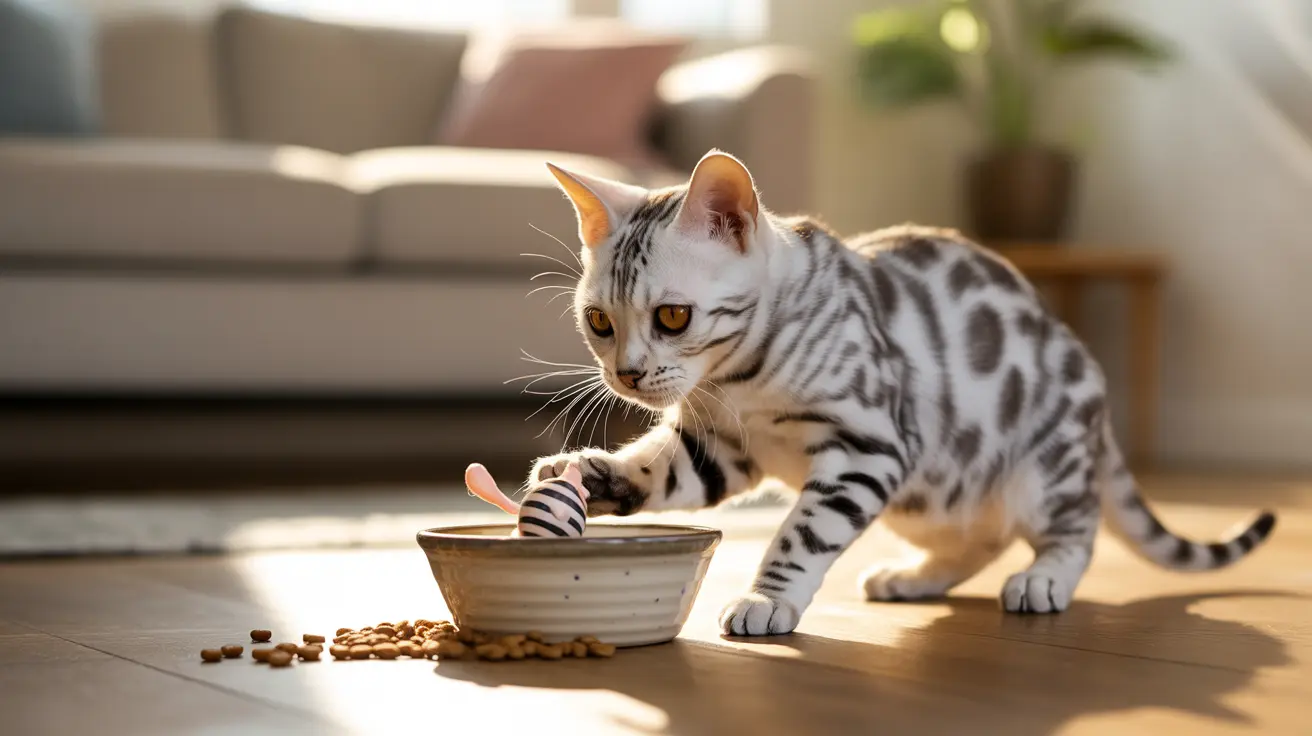
Introduce water play in a shallow container. Use a bowl or a kiddie pool. Add floating toys to the water. Watch your cat bat and chase them. Change the toys regularly to keep your cat interested.
Use a water-safe laser pointer for added fun. Shine it on the water surface. This can create ripples and excite your cat. Always supervise water play to ensure safety.
Credit: www.petscare.com
Frequently Asked Questions
Why Do Cats Put Toys In Water Bowls?
Cats often dip toys in water to mimic hunting behaviors. Water adds realism to their play, simulating prey in a natural environment. It also helps them explore textures and stimulates curiosity. This behavior reflects their instinctual need to interact with varied elements.
Is Putting Toys In Water Normal Cat Behavior?
Yes, it is normal. Many cats enjoy experimenting with water and toys. This behavior shows their playful and curious nature. It also helps them stay mentally stimulated and physically active. Owners should consider it a healthy part of their cat’s play routine.
Does Putting Toys In Water Indicate Boredom?
Sometimes, yes. Cats may drop toys in water to entertain themselves. It can signal they need more engagement or playtime. Providing diverse toys and interaction can reduce this behavior. Keeping cats mentally stimulated prevents boredom-related habits.
Can Water Damage Cat Toys?
Water can cause some toys to wear out faster. Soft or electronic toys may deteriorate with moisture. Choosing waterproof or water-resistant toys is best. Regularly check toys for damage to ensure safe play for your cat.
Conclusion
Cats often put toys in water to satisfy their natural curiosity. They enjoy exploring textures and new sensations. This behavior also mimics hunting instincts, making playtime more fun. Watching this can help you understand your cat better. Offering safe toys and clean water keeps them happy.
Remember, this habit is normal and shows their playful side. Embrace these moments to bond and learn about your pet. Simple actions reveal much about a cat’s unique personality.




Leave a Reply