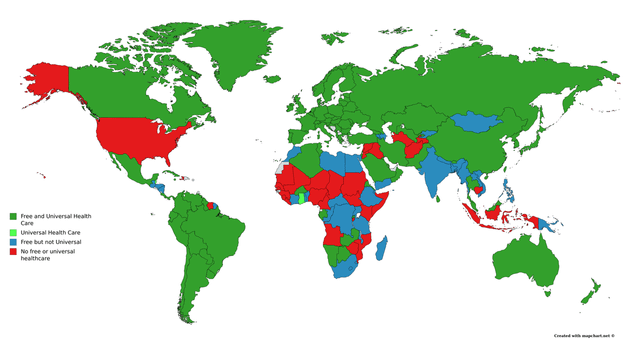
Are you curious about how different countries handle healthcare? If you’ve ever wondered which nations offer single payer health care, you’re not alone.
Knowing where this system exists can change the way you think about access to medical services and costs. You’ll discover which countries have embraced single payer health care and what that means for people like you. Keep reading to find out how these systems work and why they might matter to your own health and well-being.
Single Payer Health Care Explained
Single payer health care is a system where one public agency handles health care financing. This means the government collects taxes and pays for most health services. Doctors, hospitals, and clinics provide care, but the government manages the money. This system aims to give everyone access to health care without direct charges at the point of service.
Many countries use this model to ensure health coverage for all citizens. It reduces the complexity of multiple insurance plans. The goal is to improve health access and control costs in a fair way.
Key Features
- Government funds health care through taxes.
- Most health services are free at use.
- Single agency manages all payments.
- Universal coverage for all residents.
- Focus on cost control and efficiency.
- Public and private providers both participate.
Benefits And Challenges
- Benefits:Equal access to care for everyone.
- Lower administrative costs compared to multiple insurers.
- Improved health outcomes due to early care access.
- Strong bargaining power to reduce drug prices.
- Challenges:Higher taxes may be required.
- Longer wait times for some treatments.
- Risk of limited choices in providers or services.
- Government must manage funds efficiently to avoid waste.
Canada’s Health Care System
Canada’s health care system stands out as a prominent example of a single payer model. It aims to provide residents with access to necessary medical services without direct charges at the point of care. Understanding how it operates can offer insights into what makes such a system work and where challenges may lie.
Structure And Funding
The system is publicly funded and administered primarily at the provincial and territorial level. Each province manages its own health insurance plan, but all must meet national standards set by the federal government.
Funding mainly comes from general taxation, both federal and provincial. This means you don’t pay for doctor visits or hospital stays directly; instead, taxes cover these costs collectively. The government acts as the single payer, simplifying billing and reducing administrative overhead.
One interesting aspect is how provinces decide which services to cover and how they negotiate with healthcare providers. This creates variations in access and service quality across the country. Have you ever wondered how this decentralized approach affects your healthcare experience if you move between provinces?
Coverage And Access
All Canadian residents have access to medically necessary hospital and physician services without paying out of pocket. This includes visits to family doctors, specialists, and emergency care. However, services like dental care, prescription drugs, and vision care often require private insurance or out-of-pocket payments.
Access to care can sometimes be a challenge, particularly for specialist appointments or elective surgeries. Wait times vary and can be frustrating, but the system ensures that urgent care is prioritized.
What’s striking is how this system impacts your peace of mind. You never have to worry about a surprise medical bill, which is a relief many Canadians appreciate deeply. This security might make you rethink what you value most in health coverage.
United Kingdom’s Nhs Model
The United Kingdom’s National Health Service (NHS) is a well-known example of single-payer healthcare. It offers medical services free at the point of use. The NHS covers all residents, ensuring access to healthcare without direct charges. This system aims to provide comprehensive care, from general practice to hospital treatment.
Service Delivery
The NHS delivers care through a network of hospitals, clinics, and general practitioners. Patients usually register with a local doctor who acts as the first contact. Specialist treatments require referrals from these doctors. Emergency care is available at NHS hospitals without prior appointments.
Services include:
- Primary care
- Emergency services
- Specialist consultations
- Hospital stays and surgeries
- Mental health support
The NHS emphasizes equal access to healthcare for everyone. Care quality is monitored to maintain high standards across the country.
Funding Mechanisms
The NHS is mainly funded through general taxation. Citizens pay taxes, which support the healthcare budget. There are no fees for most NHS services. This system removes cost barriers to care.
Funding sources include:
- Income tax
- National insurance contributions
- Government allocations
Private healthcare exists but is separate from the NHS. The government controls NHS spending to keep the system sustainable. Budget decisions focus on meeting public health needs efficiently.

Credit: www.internationalinsurance.com
Taiwan’s National Health Insurance
Taiwan’s National Health Insurance (NHI) is a single-payer system covering nearly all residents. It started in 1995 to provide affordable healthcare for everyone. The government manages the system, collecting premiums and paying medical providers directly. This creates a simple, unified way to access health services across Taiwan.
The NHI covers doctors’ visits, hospital stays, prescription drugs, and preventive care. People pay small fees for services, but most costs are covered. The system aims to keep healthcare affordable without sacrificing quality. Many countries study Taiwan’s NHI as a model for universal health coverage.
Implementation
The NHI launched with strong government support and clear goals. It combined existing insurance programs into one system. Everyone must join, making it truly universal. The government sets premiums based on income, ensuring fairness. Providers use a smart card system to track patient care and payments. This reduces paperwork and fraud.
Efficiency And Outcomes
Taiwan’s NHI runs with low administrative costs compared to other systems. The smart card speeds up doctor visits and billing. Patients enjoy quick access to care without long waits. Health outcomes have improved, with higher life expectancy and lower infant mortality. The system also controls costs by negotiating prices with providers. This balance keeps the NHI stable and sustainable.
Scandinavian Countries’ Approach
Scandinavian countries are known for their effective single-payer health systems. These nations prioritize universal health coverage and equality in healthcare access. Their models serve as examples of efficient healthcare systems. Let’s explore how Sweden, Norway, and Denmark manage their health care.
Sweden’s Health Care
Sweden’s health care system is publicly funded and decentralized. County councils manage the healthcare services. Every resident enjoys access to healthcare services, funded by taxes. This system ensures that healthcare is available to everyone, regardless of income. Primary care is a major focus in Sweden. It serves as the first point of contact for patients. This helps in early detection and management of diseases.
Norway’s System
Norway offers a comprehensive health care system. It ensures that all citizens have equal access to services. The government funds the health care system through taxes. Patients pay a small fee for services, but most costs are covered. Norway emphasizes preventive care and health promotion. This reduces the burden of chronic diseases and improves public health.
Denmark’s Model
Denmark’s health care model is efficient and accessible. It is funded mainly through taxes. The system provides free access to hospitals and general practitioners. Denmark places a strong emphasis on patient choice. Patients can choose their general practitioner within their region. This model supports patient autonomy and satisfaction. The focus is on preventive care and early intervention.
Credit: www.internationalinsurance.com
Other Notable Single Payer Systems
Single payer health care systems vary widely around the world, each reflecting its country’s unique priorities and challenges. Beyond the well-known examples, several other nations offer interesting models that might surprise you. These systems demonstrate different ways to provide universal health coverage while managing costs and quality.
South Korea
South Korea’s single payer system covers almost the entire population through the National Health Insurance Service (NHIS). It combines government oversight with contributions from employers and employees. This mix helps keep costs manageable while offering a wide range of medical services.
What stands out is how South Korea integrates technology into its system. Electronic health records are widely used, improving efficiency and patient care. If you’ve ever wondered how digital tools can enhance public health, South Korea’s example might inspire you.
New Zealand
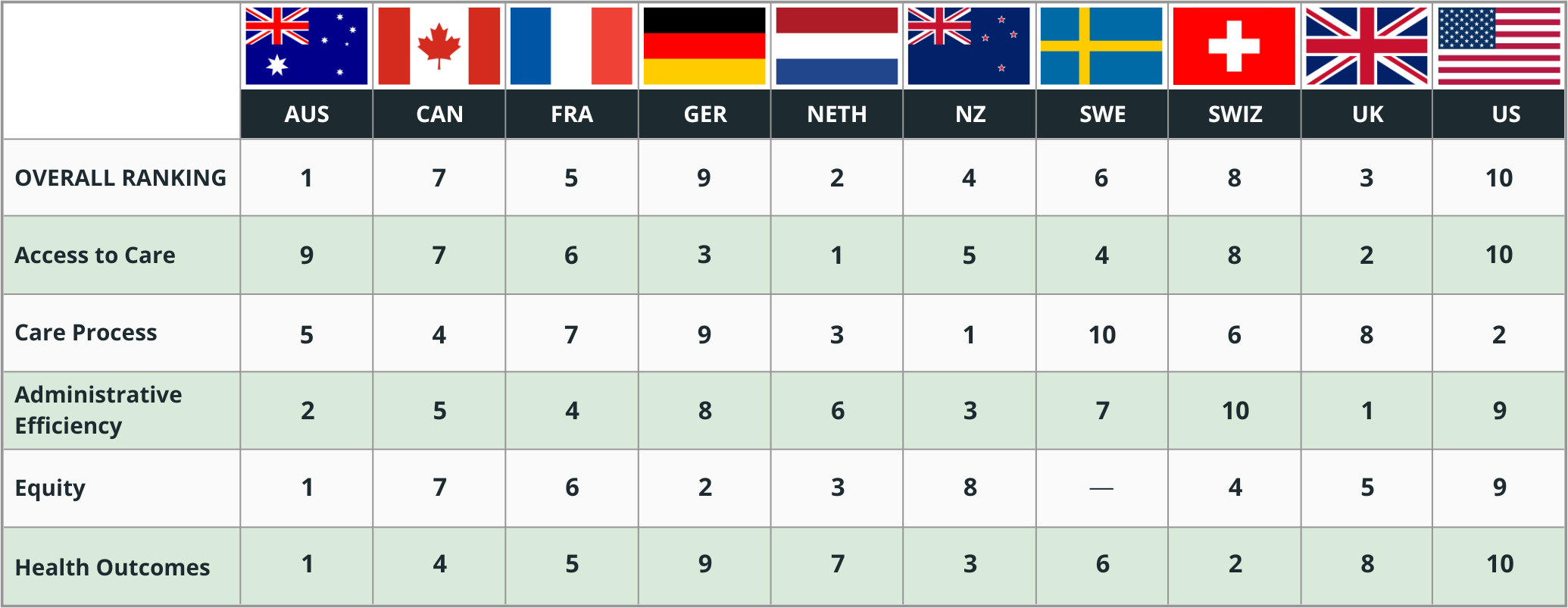
New Zealand’s approach centers on public funding through general taxation, ensuring free or low-cost access to essential health services. The system emphasizes primary care and preventive measures, which helps reduce hospital visits and long-term costs.
The country also focuses heavily on equity, aiming to reduce health disparities among its diverse population. Imagine a system that actively works to make sure everyone, no matter where they live, gets fair access to care. That’s a key part of New Zealand’s strategy.
Australia
Australia’s Medicare system is a classic example of a well-established single payer model funded by taxes. It guarantees free treatment in public hospitals and subsidizes doctor visits and prescriptions. This setup allows you to access essential health services without worrying about immediate costs.
One interesting aspect is how Australia balances public and private care. Many Australians choose private insurance for quicker access or additional services, but the public system still acts as a strong safety net. How would you design your ideal health system to balance choice and coverage?
Comparing Global Leaders
Single payer health care systems have gained attention worldwide for their promise of universal coverage and simplified administration. However, not all single payer models deliver the same results. Comparing global leaders reveals important differences in cost, care quality, and patient satisfaction that can guide your understanding of what works best.
Cost Effectiveness
Countries like Canada and Taiwan show how single payer systems can control costs without sacrificing access. Canada’s system keeps administrative expenses low by eliminating multiple insurance providers, saving billions annually. Taiwan takes it further with advanced digital records, cutting unnecessary tests and visits.
Yet, cost effectiveness is not just about spending less; it’s about spending smarter. Are you aware that some countries balance tight budgets with investing in preventative care to reduce long-term expenses? This strategic approach helps avoid costly emergencies and chronic disease treatments.
Quality Of Care
Quality varies widely among single payer nations. Sweden emphasizes patient-centered care and continuous medical education, resulting in high survival rates for chronic illnesses. Meanwhile, the United Kingdom’s National Health Service struggles with wait times but excels in comprehensive care coverage.
Your experience depends on how a country prioritizes resource allocation and healthcare workforce training. Would you prefer faster access or more thorough treatment? These trade-offs shape the quality of care you receive.
Patient Satisfaction
Patient satisfaction reflects how well a system meets people’s expectations and needs. In countries like Norway and Australia, surveys show high satisfaction due to easy access and respectful communication. Their healthcare providers often spend more time with patients, building trust and understanding.
However, satisfaction can dip where wait times are long or services feel impersonal. How important is personalized attention in your healthcare experience? The answers can highlight what single payer systems must improve to truly serve their populations.

Credit: medium.com
Challenges Facing Single Payer Systems
Single payer health care systems offer universal coverage. Yet, they face many challenges that affect their success. These challenges touch on funding, access, and political support. Understanding these issues helps explain why such systems vary worldwide.
Funding Sustainability
Single payer systems need steady and reliable funding. Governments often rely on taxes to pay for health care. Economic changes can reduce tax income, causing budget gaps. Rising health costs also strain the system’s finances. Balancing quality care with cost control is tough. Without proper funding, services may decline or become limited.
Wait Times And Access
Many single payer systems struggle with long wait times. High demand and limited resources cause delays in treatment. Patients may wait weeks or months for specialist care or surgeries. Rural areas often face even greater access issues. These delays can reduce patient satisfaction and health outcomes. Finding ways to improve speed and access remains critical.
Political And Social Factors
Political will shapes the success of single payer health care. Changes in government can lead to policy shifts or funding cuts. Public opinion also influences support for the system. Some groups may resist due to concerns about taxes or quality. Social values about health care rights vary widely. Navigating these factors requires careful planning and communication.
Future Trends In Single Payer Health Care
The landscape of single payer health care is changing. Many countries are exploring new ways to improve their systems. As technology advances, policy reforms become necessary. Global adoption patterns also influence these changes. Understanding these trends is crucial for future planning.
Technological Innovations
Technology plays a vital role in health care. It improves patient care and reduces costs. Countries are investing in digital health records. Telemedicine is becoming more popular. These innovations enhance efficiency and accessibility. They also provide better data for decision-making.
Policy Reforms
Policy changes shape health care systems. Governments must adapt to new challenges. Aging populations and rising costs require new policies. Some countries are expanding coverage and services. Others focus on cost control and quality improvement. These reforms aim to create sustainable systems.
Global Adoption Patterns
Countries learn from each other’s successes and failures. This influences global health care trends. Some nations adopt best practices from others. This leads to more uniform health care systems. Global collaboration can improve health outcomes. It also helps countries tackle common challenges.
Frequently Asked Questions
Which Countries Use Single Payer Health Care Systems?
Countries like Canada, Taiwan, and the United Kingdom have single payer health care systems. These countries fund health care through taxes. The government manages health care services for all citizens, ensuring universal coverage and reducing administrative costs.
How Does Single Payer Health Care Benefit Citizens?
Single payer health care offers universal coverage and lowers costs. It reduces paperwork and administrative expenses. Citizens receive necessary medical services without direct charges at the point of care. This system promotes equal access and improves overall public health.
What Are Common Challenges In Single Payer Systems?
Challenges include long wait times for certain treatments and limited provider choices. Funding sustainability can be an issue due to budget constraints. Governments must balance quality care with cost control to maintain efficient health services.
Is The United States A Single Payer Health Care Country?
No, the United States does not have a nationwide single payer system. It uses a mixed model with private insurance and government programs like Medicare. Single payer proposals exist but have not been implemented federally.
Conclusion
Many countries offer single payer health care to ensure access for all. These systems focus on fairness and simplicity. People pay taxes, and the government manages health costs. This approach helps reduce financial stress from medical bills. Each country adapts the system to fit its needs.
Understanding these models can show what works best globally. Health care is vital for strong communities and healthy lives. Learning about single payer systems opens discussions about better care everywhere.




Leave a Reply