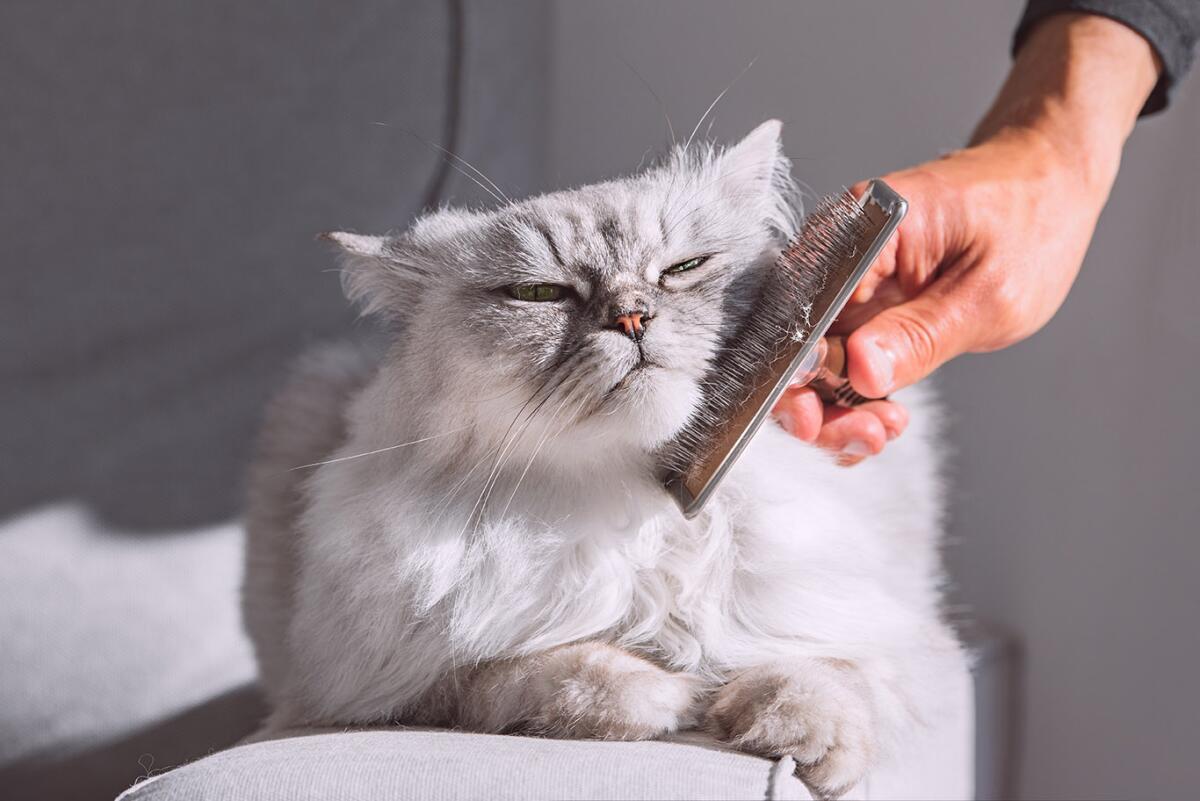
Do you ever wonder if your cat really needs grooming? Maybe your furry friend seems perfectly clean, and you’re not sure if a grooming session is necessary.
But grooming isn’t just about making your cat look good—it can impact their health and happiness too. If you want to keep your cat comfortable, reduce shedding, and avoid painful mats or skin problems, understanding when and why to groom is key.
Keep reading to discover the signs that say your cat needs a grooming session and how it can benefit both of you.
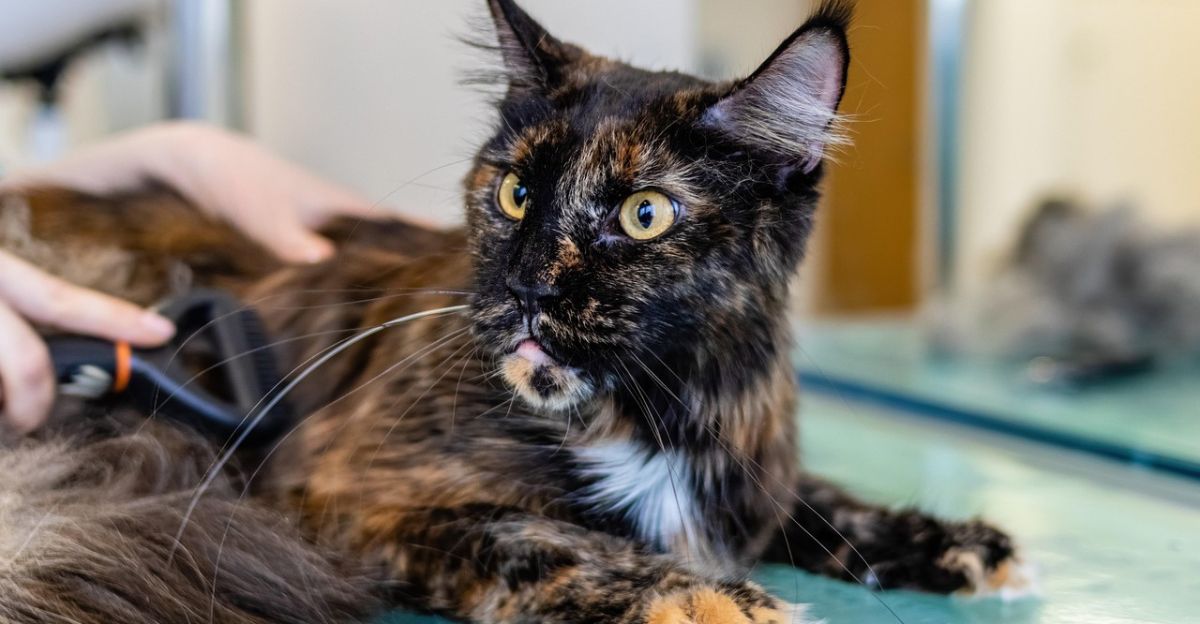
Credit: tryfurgo.com
When Grooming Matters
Grooming your cat isn’t just about keeping them looking neat. It can affect their health, comfort, and happiness. Knowing when grooming truly matters helps you decide if it’s time to pick up the brush or call a professional.
Signs Your Cat Needs Grooming
Watch for mats or tangles in your cat’s fur. These can cause pain and skin problems if ignored. Excessive shedding around your home or noticeable dandruff also signal grooming needs.
If your cat starts scratching more than usual or has bald patches, it’s time to act. Dirty ears, overgrown nails, or a greasy coat also show grooming is overdue. These signs aren’t just about looks—they affect your cat’s well-being.
Breeds That Benefit Most
Long-haired cats like Persians and Maine Coons need regular grooming to prevent knots. Their thick coats can trap dirt and moisture, leading to infections. Even some medium-haired cats benefit from consistent brushing.
Short-haired breeds may require less intense grooming, but they still need nail trimming and ear cleaning. Think about your cat’s breed as a guide to how often you should groom them. It’s not one-size-fits-all.
Seasonal Grooming Needs
Changes in weather can increase your cat’s grooming needs. In spring and fall, cats shed more to adjust their coats. You might notice more fur on your clothes or furniture during these times.
Winter calls for extra attention to dry skin and mats from thicker fur. Summer might bring more outdoor dirt and debris into their coat. Adjust your grooming routine with the seasons to keep your cat comfortable year-round.
Diy Grooming Tips
Taking care of your cat’s grooming at home saves money and strengthens your bond. Regular grooming keeps your cat healthy and comfortable. It also helps spot any skin or health issues early. Here are some simple DIY grooming tips to keep your feline friend looking great.
Brushing Techniques
Choose a brush suited for your cat’s fur type. Short-haired cats need a soft bristle brush. Long-haired cats benefit from a comb to prevent mats. Brush gently in the direction of hair growth. Start with short sessions to keep your cat calm. Focus on areas that tangle easily, like behind ears and under the legs. Regular brushing reduces shedding and hairballs.
Bathing Basics
Baths are not often needed but can help if your cat is dirty. Use lukewarm water and cat-friendly shampoo. Avoid water in the eyes and ears. Wet your cat slowly and apply shampoo gently. Rinse thoroughly to remove all soap. Dry your cat with a towel in a warm room. Keep the experience calm and positive.
Nail Trimming Tips
Trim your cat’s nails every few weeks. Use a sharp, small nail clipper made for pets. Hold the paw gently and press to extend the nail. Cut only the sharp tip, avoiding the quick (pink part). If unsure, trim very little or ask a vet for help. Reward your cat with treats after trimming.
Ear And Eye Care
Check ears weekly for dirt or wax buildup. Use a damp cotton ball to clean gently. Never insert anything deep into the ear canal. Wipe eyes with a soft, damp cloth if you see discharge. Clear away any crust or dirt carefully. Healthy eyes and ears prevent infections and discomfort.
Professional Grooming Insights
Professional grooming offers valuable care beyond regular home brushing. Experts handle tough mats, dirt, and shedding that pet owners often miss. Groomers know how to keep cats comfortable and clean with safe tools. They spot skin problems and other health issues early. This helps cats stay healthy and happy.
When To Visit A Groomer
Regular visits depend on your cat’s coat type and lifestyle. Long-haired cats often need grooming every 4 to 6 weeks. Short-haired cats might only need occasional grooming. Seek grooming if your cat has mats, excessive shedding, or dirt buildup. Also, visit if your cat resists home brushing or shows skin irritation.
Choosing The Right Grooming Service
Look for groomers experienced with cats, not just dogs. Check reviews and ask about their handling methods. A calm, quiet environment suits most cats best. Ensure groomers use gentle tools and pet-safe products. Confirm they offer services like nail trimming and ear cleaning too.
What To Expect During A Session
Groomers usually start with a gentle brushing to remove loose fur. They carefully trim mats or tangles without hurting the cat. Baths are optional but help with dirt and odors. Nail trimming and ear cleaning often follow. Sessions usually last 30 to 60 minutes, depending on needs.

Credit: www.reddit.com
Health Benefits Of Grooming
Regular grooming helps keep a cat’s coat clean and reduces shedding. It also prevents matting and skin problems, promoting better health and comfort.
Grooming your cat is about more than just appearance. Regular grooming plays a vital role in maintaining your cat’s health. It offers numerous benefits that contribute to their well-being.Preventing Hairballs
Brushing reduces loose fur, which decreases hairball formation. Cats ingest less hair, leading to fewer digestive issues. This means a happier, healthier cat with a comfortable tummy.Skin And Coat Health
Routine grooming keeps the skin clean and free of irritants. It distributes natural oils, which enhance coat shine and softness. Regular brushing prevents tangles and mats, keeping your cat comfortable.Detecting Health Issues Early
Grooming offers a chance to check for unusual lumps or bumps. Early detection of issues can lead to prompt treatment. It ensures your cat stays in the best possible health.Handling Grooming Challenges
Grooming your cat can sometimes feel like a challenge, especially when your furry friend isn’t fully on board. Handling these difficulties with patience and the right strategies can make the process smoother for both of you. Understanding your cat’s unique needs and behaviors is key to turning grooming time into a more positive experience.
Managing Anxious Cats
Many cats become nervous or scared when grooming starts. You can help by creating a calm environment—dim the lights and use a soft voice to reassure your cat. Try short grooming sessions, just a few minutes at a time, to avoid overwhelming them.
Use treats and gentle strokes to reward good behavior. Have you noticed how your cat reacts to certain sounds or touches? Identifying these triggers can help you avoid them or prepare your cat beforehand.
Dealing With Matted Fur
Matted fur can be painful for your cat and difficult to remove. Start by gently loosening mats with your fingers before using a comb. Never pull hard; this can hurt your cat and make them resist grooming next time.
If the mats are severe, a professional groomer might be necessary. Regular brushing helps prevent mats, but if you miss a few days, don’t stress—just focus on gentle care and patience to repair the damage.
Tips For Senior Cats
Older cats often have more sensitive skin and less patience for grooming. Use softer brushes and take extra care to avoid any discomfort. Your senior cat might appreciate shorter sessions with more breaks.
Watch for signs of arthritis or limited mobility that could make grooming painful. Adjust your approach by supporting their body gently or grooming them in positions that feel comfortable. Have you tried different tools to find what your senior cat prefers?

Credit: www.latimes.com
Frequently Asked Questions
Do All Cats Need Professional Grooming?
Not all cats require professional grooming. Short-haired cats often self-groom effectively. Long-haired breeds benefit more from professional grooming to prevent mats and tangles.
How Often Should You Groom A Cat Professionally?
Professional grooming is recommended every 6 to 8 weeks for long-haired cats. Short-haired cats may only need occasional grooming to maintain coat health.
Can Grooming Help With Cat Hairballs?
Yes, regular grooming reduces shedding and loose fur. This helps minimize hairballs by preventing cats from ingesting excessive hair during self-grooming.
Is It Safe To Groom A Cat At Home?
Yes, with proper tools and patience, home grooming is safe. However, some cats may require professional help due to anxiety or coat complexity.
Conclusion
Cats need grooming sometimes to stay clean and healthy. Long-haired cats especially benefit from regular grooming sessions. It helps prevent mats, hairballs, and skin problems. Grooming also gives you a chance to check for ticks or wounds. Even short-haired cats may need occasional grooming.
A calm and gentle approach makes grooming easier for your cat. Keep grooming simple and consistent for the best results. This small effort helps your cat feel comfortable and happy. Regular care is a smart way to protect your pet’s health.


Leave a Reply