
Are you wondering whether dogs or cats are safer for your health? Choosing a pet is exciting, but it’s important to know how they might affect your well-being.
You might be surprised to learn that some common beliefs about pets and health aren’t always true. This article will help you understand the risks and benefits of having dogs or cats around. By the end, you’ll feel more confident about which furry friend is the best match for your health and lifestyle.
Keep reading to discover facts that could change how you see your pets forever.
Health Risks From Dogs
Dogs bring joy and companionship, but they can also pose certain health risks to humans. Understanding these risks helps you enjoy your furry friend safely. Awareness and proper care reduce the chances of health problems linked to dogs.
Common Dog-related Infections
Dogs can carry bacteria, viruses, and parasites that may infect humans. Some common infections include ringworm, a fungal skin infection, and campylobacteriosis, which causes stomach upset. Regular vet check-ups and good hygiene, like washing hands after petting your dog, are essential to prevent these infections.
Have you ever experienced unexpected itching or stomach issues after playing with a dog? These symptoms might be linked to infections transferred from pets. Keeping your dog’s vaccinations and parasite control up to date is a practical way to protect yourself and your family.
Allergies Triggered By Dogs
Dog dander, saliva, and urine can trigger allergic reactions in some people. Symptoms range from sneezing and itchy eyes to more severe respiratory problems. If you notice these signs around dogs, it might be time to consult an allergist or consider hypoallergenic breeds.
Using air purifiers and regularly cleaning your home can reduce allergens significantly. You might also find it helpful to designate dog-free zones in your house to minimize exposure. Are you aware that even frequent hand washing can help control allergy symptoms?
Dog Bites And Injuries
Dog bites are a serious concern and can cause infections or lasting injuries. Most bites happen when dogs feel scared or threatened, so learning to read their body language is crucial. Teaching children how to safely interact with dogs can prevent many accidents.
Immediate cleaning of any bite wound and seeking medical care reduces infection risks. Have you thought about training your dog or attending obedience classes to lower the chances of aggressive behavior? Taking these steps helps keep both you and your dog safe.
Health Risks From Cats
Cats bring joy and companionship to many homes, but it’s important to understand the health risks they might pose. While cats are generally clean animals, they can carry diseases or cause allergic reactions that affect your well-being. Knowing these risks helps you take better care of both yourself and your feline friend.
Cat-associated Diseases
Cats can carry several diseases that might transfer to humans. One common illness is toxoplasmosis, caused by a parasite found in cat feces, which can be risky for pregnant women or those with weak immune systems.
Another concern is cat scratch disease, caused by bacteria from cat scratches or bites. This can lead to swollen lymph nodes, fever, and fatigue if untreated. Regular vet check-ups for your cat and good hygiene can reduce these risks significantly.
Allergic Reactions To Cats
Many people experience allergic reactions from exposure to cats. Symptoms often include sneezing, itchy eyes, and skin rashes. These reactions happen because of proteins found in cat saliva, skin flakes, and urine.
If you notice allergy symptoms, try keeping cats out of your bedroom and cleaning your home regularly. Using air purifiers and washing your hands after petting cats can also help minimize discomfort.
Scratches And Bites From Cats
Scratches and bites from cats can sometimes cause infections. Cats have sharp claws and teeth that can break your skin, allowing bacteria to enter. If you get scratched or bitten, clean the wound immediately and monitor it for redness or swelling.
Have you ever underestimated a cat scratch? It might look minor but could lead to serious infection if ignored. Seeking medical advice early can prevent complications and keep you healthy.
Benefits Of Dogs For Health
Dogs offer many health benefits to their owners. Their presence encourages activity and improves mental well-being. Dogs help strengthen the immune system and provide emotional support. These benefits make dogs valuable companions for human health.
Physical Activity And Mental Health
Walking a dog promotes regular exercise and outdoor time. This helps maintain a healthy weight and improves heart health. Playing with dogs reduces stress and anxiety levels. Their companionship lowers feelings of loneliness and depression. Spending time with dogs releases feel-good hormones like serotonin.
Immune System Boosts
Dogs expose owners to different microbes that strengthen immunity. Children raised with dogs often have fewer allergies and asthma. Early contact with pets helps the immune system develop properly. This exposure can reduce the risk of autoimmune diseases. Dogs help build a stronger, more resilient immune system.
Emotional Support
Dogs provide comfort and companionship during tough times. Their loyalty helps people feel safe and valued. Many dogs are trained to assist those with anxiety or PTSD. Petting a dog lowers blood pressure and calms the mind. Dogs offer a sense of purpose and improve overall happiness.
Credit: www.cdc.gov
Benefits Of Cats For Health
Cats offer several health benefits that can positively impact your well-being. Their presence often brings a sense of comfort and peace that many people find hard to match. Understanding these benefits can help you decide if a cat fits well with your lifestyle and health goals.
Stress Reduction And Calmness
Spending time with a cat can lower your stress levels significantly. Their gentle purring and slow movements have a soothing effect that helps calm your mind. Have you ever noticed how petting a cat can distract you from worries and bring a moment of peace?
This calming influence is linked to a decrease in cortisol, the hormone responsible for stress. Even a few minutes with your feline friend can create a noticeable drop in anxiety. It’s a simple way to add calm to your hectic day.
Heart Health Improvements
Owning a cat might contribute to better heart health. Studies show that cat owners have a lower risk of heart attacks and strokes compared to non-owners. This benefit is believed to come from the calming effects that reduce blood pressure and heart rate.
Your cat’s companionship encourages a relaxed lifestyle, which supports cardiovascular health. Could having a cat be an easy, natural way to care for your heart?
Companionship Advantages
Cats provide loyal companionship without demanding too much attention. Their independent nature means they are perfect for people who need comfort but have busy schedules. This balance helps reduce feelings of loneliness and social isolation.
Having a cat nearby can boost your mood and offer emotional support during tough times. What role could a cat play in your daily emotional well-being?
Comparing Hygiene And Cleanliness
Which is Safer Dog Or Cats to Human Health Dogs and cats both affect human health differently. Dogs often require more hygiene due to their active nature. Cats, on the other hand, might carry fewer germs as they groom themselves regularly.
Understanding these differences can help ensure a safer environment for pet owners.
When considering the hygiene and cleanliness of dogs versus cats, it’s essential to understand how each pet impacts your home environment and health. Both animals have unique grooming habits and shedding patterns that can affect indoor air quality and cleanliness. By examining these aspects, you can make a more informed decision about which pet aligns best with your lifestyle and health preferences.Shedding And Dander Differences
Dogs and cats both shed fur and skin cells, known as dander, which can trigger allergies. Cats generally produce more dander due to their grooming habits, potentially causing more allergic reactions. Dogs, on the other hand, shed more visibly, which can be managed with regular grooming and cleaning.Grooming Habits Of Dogs Vs Cats
Cats are meticulous self-groomers, often spending hours licking and cleaning themselves. This habit helps to keep their fur clean but also spreads dander around your home. Dogs rely more on their owners for grooming, offering you the chance to control shedding and cleanliness more directly.Impact On Indoor Environment
The presence of pets can significantly affect your indoor environment. Cats tend to stay indoors more, which could lead to higher concentrations of allergens in your home. Dogs, especially those who enjoy outdoor activities, can bring in dirt and debris, but they also provide opportunities for you to maintain a cleaner environment by regular baths and cleaning their paws. Considering these factors, which pet do you think aligns better with maintaining a clean and healthy home?
Credit: www.theguardian.com
Preventive Measures For Pet Owners
Owning a pet comes with joy but also responsibility, especially when it concerns your health. Taking preventive measures helps protect both you and your furry friend from potential risks. Understanding these steps lets you enjoy your pet safely and confidently every day.
Vaccination And Regular Vet Visits
Keeping your dog or cat up-to-date with vaccinations is crucial. Vaccines protect against diseases that can spread to humans, like rabies or toxoplasmosis. Regular vet visits catch health issues early, reducing the chance of infections passing to you.
Think about your last vet visit—did you discuss zoonotic risks with the vet? Asking your vet about the best vaccination schedule tailored to your pet’s lifestyle can make a big difference. This also includes parasite control to prevent ticks, fleas, and worms that could affect your family.
Proper Hygiene Practices
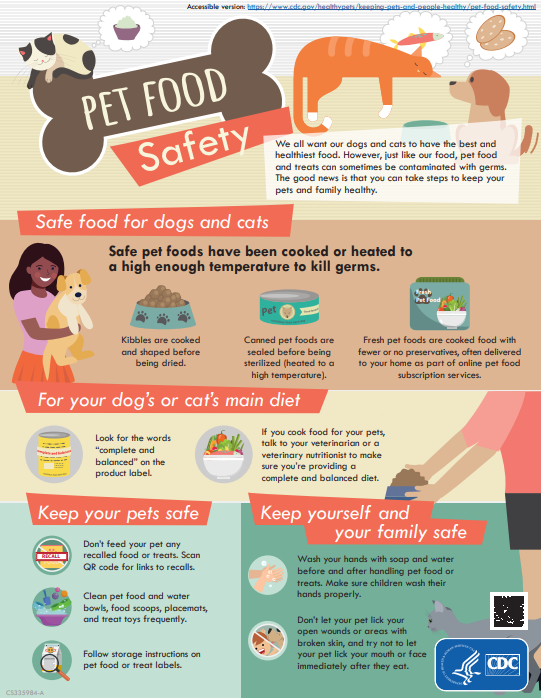
Good hygiene is your first defense against germs. Wash your hands after playing with or cleaning up after your pet. This simple action blocks many germs from spreading.
Regularly clean your pet’s bedding, toys, and feeding areas. This reduces bacteria buildup. Also, avoid letting your pet lick your face or open wounds, as saliva can carry bacteria or viruses harmful to you.
Safe Interaction Tips
Understanding how to interact safely with your pet protects both of you. Teach children to be gentle and avoid sudden movements that might cause bites or scratches. If your pet shows signs of stress or aggression, give them space.
Be cautious when handling stray animals or new pets. Always wash your hands afterward and keep them away from your face. These small precautions prevent many health issues and keep your pet feeling secure.
Choosing The Right Pet For Your Health
Choosing the right pet affects your health and happiness. Pets bring joy but also impact wellness. Dogs and cats have different effects on the body and mind. Think about your health needs before deciding. This helps create a safe, healthy home for both.
Assessing Allergies And Sensitivities
Allergies to pets are common and can cause discomfort. Cat allergens often trigger stronger reactions than dog allergens. Dog allergies vary by breed and size. Consider allergy tests to know your risks. Choose pets with lower allergen levels if sensitive.
Lifestyle Considerations
Pets need time and attention daily. Dogs require walks and outdoor activity. Cats are more independent and need less exercise. Busy schedules fit better with cats. Active lifestyles may benefit from a dog’s companionship. Match pet care needs with your routine for balance.
Long-term Health Impacts
Pets can reduce stress and improve mood. Dogs encourage physical activity, which helps heart health. Cats offer calming presence, lowering blood pressure. Both pets support emotional well-being and reduce loneliness. Choose a pet that supports your long-term health goals.

Credit: www.mybiga.org
Frequently Asked Questions
Are Dogs Safer For Human Health Than Cats?
Dogs and cats both pose minimal health risks when properly cared for. Dogs may carry fewer allergens, but cats have lower zoonotic disease rates. Proper hygiene and regular vet visits make both pets safe for humans.
Can Cats Cause Allergies More Than Dogs?
Yes, cat allergens are generally more potent and airborne. Cat dander triggers allergic reactions more frequently than dog dander. However, individual sensitivity varies, and some dog breeds produce fewer allergens.
Do Dogs Transmit More Diseases To Humans Than Cats?
Dogs can transmit diseases like rabies and parasites, but so can cats. The risk is low if pets are vaccinated and dewormed regularly. Good hygiene reduces the chance of disease transmission from both animals.
Which Pet Requires Less Health Risk Management?
Cats often require less outdoor exposure, reducing contact with disease sources. Dogs need walks and outdoor activities that may increase health risks. Both require vaccinations and regular vet check-ups to minimize risks.
Conclusion
Both dogs and cats can bring joy and health benefits. Each pet carries some health risks, but these can be managed with care. Regular vet visits and good hygiene keep both pets safe for humans. Choosing a pet depends on your lifestyle and preferences.
Understanding their needs helps protect your health. Pets can improve life if you handle them responsibly. Safe pet care means a happy home for everyone.




Leave a Reply