Your furry friend deserves the best care, and grooming is a big part of keeping them happy and healthy. Whether you have a playful pup or a cuddly cat, knowing how to groom them the right way can make a huge difference.
Imagine your pet looking adorable, feeling comfortable, and enjoying every moment of their grooming session. You’ll discover simple tips and tricks that make grooming easy and fun for both you and your pet. Ready to learn how to keep your dog or cat looking cute and feeling great?
Let’s dive in!
Credit: www.nestgroomingstudio.ca
Choosing The Right Grooming Tools
Choosing the right grooming tools is key for keeping your dog or cat comfortable and clean. The right tools make grooming easier and more effective. They help prevent skin issues and keep your pet’s coat healthy. Each pet has unique needs based on their coat type and size. Picking suitable brushes, clippers, and bathing supplies matters a lot for good grooming results.
Brushes And Combs For Different Coats
Different coats need different brushes and combs. Short-haired pets do well with soft bristle brushes. These remove loose hair and dirt gently. Pets with medium or long fur need slicker brushes to untangle mats. Metal combs help find and remove small knots. Wire pin brushes work best for thick or curly coats. Choose tools that fit your pet’s fur texture and length. Regular brushing stops shedding and keeps fur shiny.
Safe Clippers And Scissors
Clippers and scissors must be safe and easy to use. Electric clippers with adjustable blades fit many coat types. Look for quiet models to keep pets calm. Scissors with rounded tips avoid accidental cuts. Curved scissors help trim hard-to-reach areas like around paws. Always keep blades sharp for smooth cuts. Dull tools pull hair and hurt your pet. Clean and oil tools after each use to last longer.
Bathing Supplies Essentials
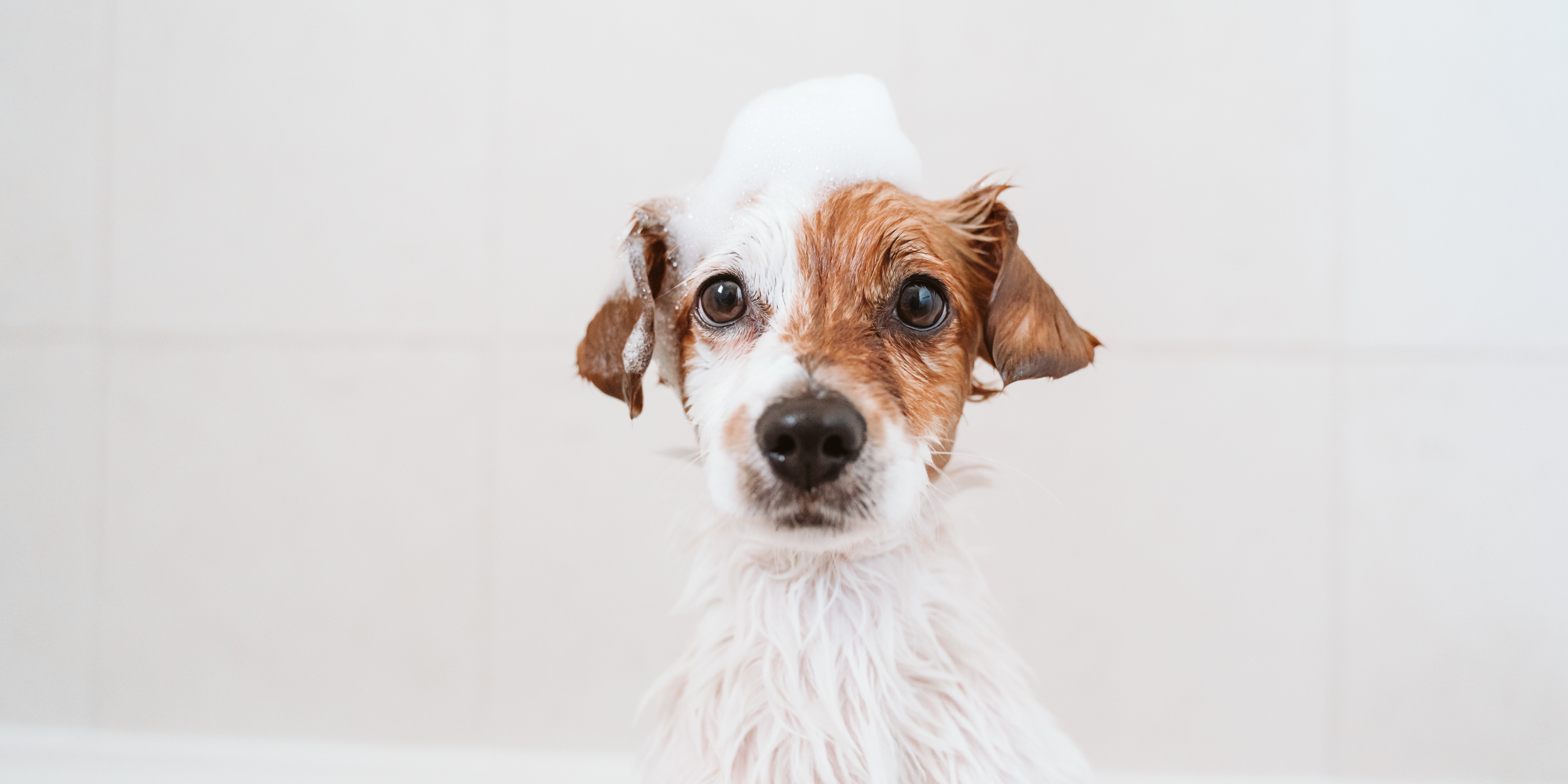
Bathing needs the right shampoo and accessories. Use pet-specific shampoo to protect skin and coat. Avoid human shampoos as they can cause dryness. A non-slip mat keeps your pet steady in the tub. Soft washcloths help clean sensitive areas gently. Rinse thoroughly to remove all shampoo residue. Towels or pet dryers dry fur quickly and prevent chills. Have treats ready to reward good behavior during baths.

Credit: www.shutterstock.com
Bathing Tips For Happy Pets
Bathing pets is essential for their health and happiness. A good bath keeps their skin clean and coat shiny. It also helps prevent infections and reduces pet odors. Creating a calm and positive bath time makes pets more relaxed and cooperative.
Ideal Water Temperature
Use lukewarm water for your pet’s bath. Water that is too hot can burn their skin. Cold water may cause discomfort and stress. Aim for a temperature that feels warm to your wrist. Test the water before starting to ensure safety.
Pet-friendly Shampoos
Choose shampoos made specifically for dogs or cats. Human shampoos can irritate their skin. Look for gentle formulas free from harsh chemicals. Ingredients like oatmeal or aloe soothe sensitive skin. Avoid shampoos with strong fragrances or dyes.
Drying Techniques
Gently towel dry your pet after the bath. Use a soft, absorbent towel to avoid skin irritation. For long-haired pets, a low-heat hairdryer can help. Keep the dryer moving to prevent overheating one spot. Always ensure your pet is completely dry to avoid chills.
Brushing And Detangling
Brushing and detangling form the core of pet grooming. Regular brushing keeps your dog or cat’s coat healthy. It removes loose fur and prevents mats. Detangling stops painful knots from forming. Both steps help maintain a shiny, clean coat and improve skin health. Gentle techniques make grooming a positive experience for your pet.
Frequency Based On Coat Type
Different coat types need different brushing schedules. Short-haired pets need brushing once or twice a week. Medium and long-haired pets require brushing every day or every other day. Double-coated breeds benefit from more frequent brushing during shedding seasons. Regular brushing prevents tangles and reduces fur around the house.
Dealing With Mats And Tangles
Mats form when fur gets tight and tangled. They can cause discomfort or skin problems. Use a wide-tooth comb or a detangling brush for mats. Start by gently loosening edges of the mat. Work slowly to avoid hurting your pet. For large mats, seek professional grooming help to avoid skin damage.
Gentle Brushing Methods
Use soft bristles or a slicker brush for sensitive skin. Brush in the direction of hair growth. Start at the head and move toward the tail. Use short, gentle strokes to avoid pulling fur. Praise your pet to keep them calm and cooperative. Regular brushing builds trust and makes grooming easier.
Nail Care Made Easy
Nail care is a key part of keeping your dog or cat comfortable and healthy. Overgrown nails can cause pain, affect walking, and even lead to injury. But trimming nails doesn’t have to be a stressful chore for you or your pet.
When To Trim Nails
Check your pet’s nails every two to three weeks. If you hear clicking sounds when they walk on hard floors, it’s time for a trim. Some pets need more frequent care, especially if they don’t wear down their nails naturally through activity.
How often do you notice your pet’s nails getting too long? Setting a regular schedule helps prevent last-minute panic and keeps your pet comfortable.
Safe Trimming Techniques
Use sharp, pet-specific nail clippers for a clean cut. Hold the paw gently but firmly to avoid sudden movements. Trim small bits at a time to avoid cutting into the quick, which causes pain and bleeding.
- For light-colored nails, look for the pink quick to avoid.
- For dark nails, trim little by little and watch for a dark spot in the center.
- Keep styptic powder or cornstarch nearby in case of accidental cuts.
Have you tried different clippers or grinders? Some pets respond better to one tool over another, which can make nail care easier for both of you.
Handling Nervous Pets
Stay calm and patient. Speak softly and offer treats to create positive associations. If your pet is very anxious, try trimming nails in short sessions instead of all at once.
Sometimes, wrapping a nervous dog in a towel or enlisting a helper can make a big difference. Think about how you feel during a stressful task—would breaking it into smaller parts help you?
What small changes could you make to turn nail trimming into a moment your pet can tolerate or even enjoy?
Ear And Eye Care
Ear and eye care is vital in pet grooming. These sensitive areas need gentle attention. Regular care prevents discomfort and health issues. Keep your furry friend happy and healthy.
Cleaning Ears Safely
Gently examine your pet’s ears. Look for dirt or wax buildup. Use a soft cotton ball for cleaning. Moisten it with a vet-approved ear cleaner. Avoid using cotton swabs inside the ear canal. This can hurt or cause damage. Clean the outer ear and folds gently.
Preventing Infections
Check ears weekly for signs of infection. Look for redness, swelling, or unusual smell. Keep ears dry, especially after baths or swimming. Excess moisture can lead to infections. If you notice any concerning signs, consult a vet promptly.
Keeping Eyes Clear And Bright
Inspect your pet’s eyes regularly. Look for discharge or irritation. Use a clean, damp cloth to wipe around the eyes. Be gentle to avoid hurting your pet. Keep hair trimmed around the eyes. This prevents irritation and improves visibility.
Styling Your Pet’s Fur
Styling your pet’s fur can make them look even more adorable. It also helps keep their coat healthy and clean. Choosing the right style depends on your pet’s breed, fur type, and personality. Simple cuts suit many pets and protect their skin from dirt and heat. Fun styles add charm and show off your pet’s unique character. Keeping the style fresh between grooming sessions requires some daily care and attention.
Simple Haircuts For Beginners
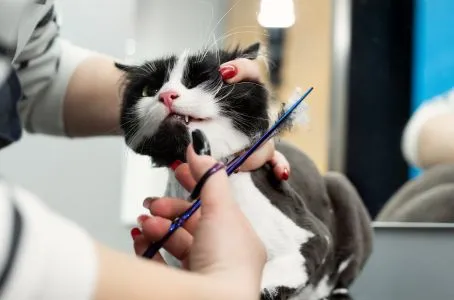
Start with easy trims that do not need special tools. A basic puppy cut works well for dogs with medium or long fur. It keeps the hair short all over, making maintenance easy. For cats, trimming the fur around the face and paws can help avoid matting. Use rounded scissors to prevent injury. Take breaks and praise your pet often to keep them calm.
Fun And Cute Styles
Try playful styles to give your pet a new look. Teddy bear cuts make dogs look cuddly and sweet. Mohawks or colored tips add a splash of personality. Cat hair can be fluffed or shaped gently for a soft, puffed look. Always use pet-safe dyes if coloring fur. Make sure your pet is comfortable with each style to avoid stress.
Maintaining The Style Between Groomings
Brush your pet’s fur daily to prevent tangles. Use the right brush for their fur type to avoid pulling. Clean their eyes and ears to keep the face neat. Check for dirt or debris after outdoor play. Bathing your pet regularly keeps the fur soft and shiny. Trim nails and clean paws to complete the grooming care. Small daily habits extend the life of any hairstyle.
Creating A Calm Grooming Environment
Creating a calm grooming environment is key to helping pets feel safe and relaxed. A peaceful setting reduces fear and makes grooming easier for both pets and owners. Small changes in the space and approach can have a big impact on your dog’s or cat’s comfort during grooming sessions.
Focus on making the grooming area inviting and stress-free. Keep the atmosphere quiet and gentle. This helps pets stay calm and cooperate better.
Setting Up A Comfortable Space
Choose a quiet spot with soft lighting. Avoid loud noises and sudden movements. Use a non-slip mat to prevent slipping during grooming. Keep grooming tools within easy reach to avoid rushing. Add a cozy blanket or bed where your pet can rest before and after grooming.
Using Positive Reinforcement
Reward calm behavior with gentle praise and treats. Give small treats throughout grooming to create good associations. Use a soft, soothing voice to reassure your pet. Praise helps build trust and encourages pets to stay still. Positive reinforcement makes grooming a pleasant experience.
Managing Stress And Anxiety
Watch for signs of stress like panting or trembling. Take breaks if your pet seems overwhelmed. Use calm, slow movements to avoid startling them. Try calming sprays or pheromone diffusers designed for pets. Patience and understanding help reduce anxiety during grooming.
Health Benefits Of Regular Grooming
Regular grooming keeps your pet’s skin healthy and reduces shedding. It also helps spot health issues early, like ticks or infections. Clean fur and nails make dogs and cats feel comfortable and happy.
Regular grooming offers more than just a pretty appearance for your pet. It plays a crucial role in maintaining their health. Grooming can prevent problems and improve your pet’s well-being.Detecting Skin Issues Early
Regular grooming helps spot skin problems quickly. You may notice rashes or lumps early. Early detection allows for prompt treatment. This can prevent further complications. A healthy skin means a happier pet.Improving Coat Health
Grooming improves the condition of your pet’s coat. Brushing removes dirt and dead hair. This promotes new hair growth. A well-brushed coat is shinier and softer. Regular grooming helps distribute natural oils. This keeps the coat healthy and reduces shedding.Boosting Overall Well-being
Grooming sessions benefit your pet’s mental health too. It strengthens your bond with them. Pets feel loved and cared for during grooming. Regular grooming reduces stress and anxiety. A well-groomed pet is often a happy pet.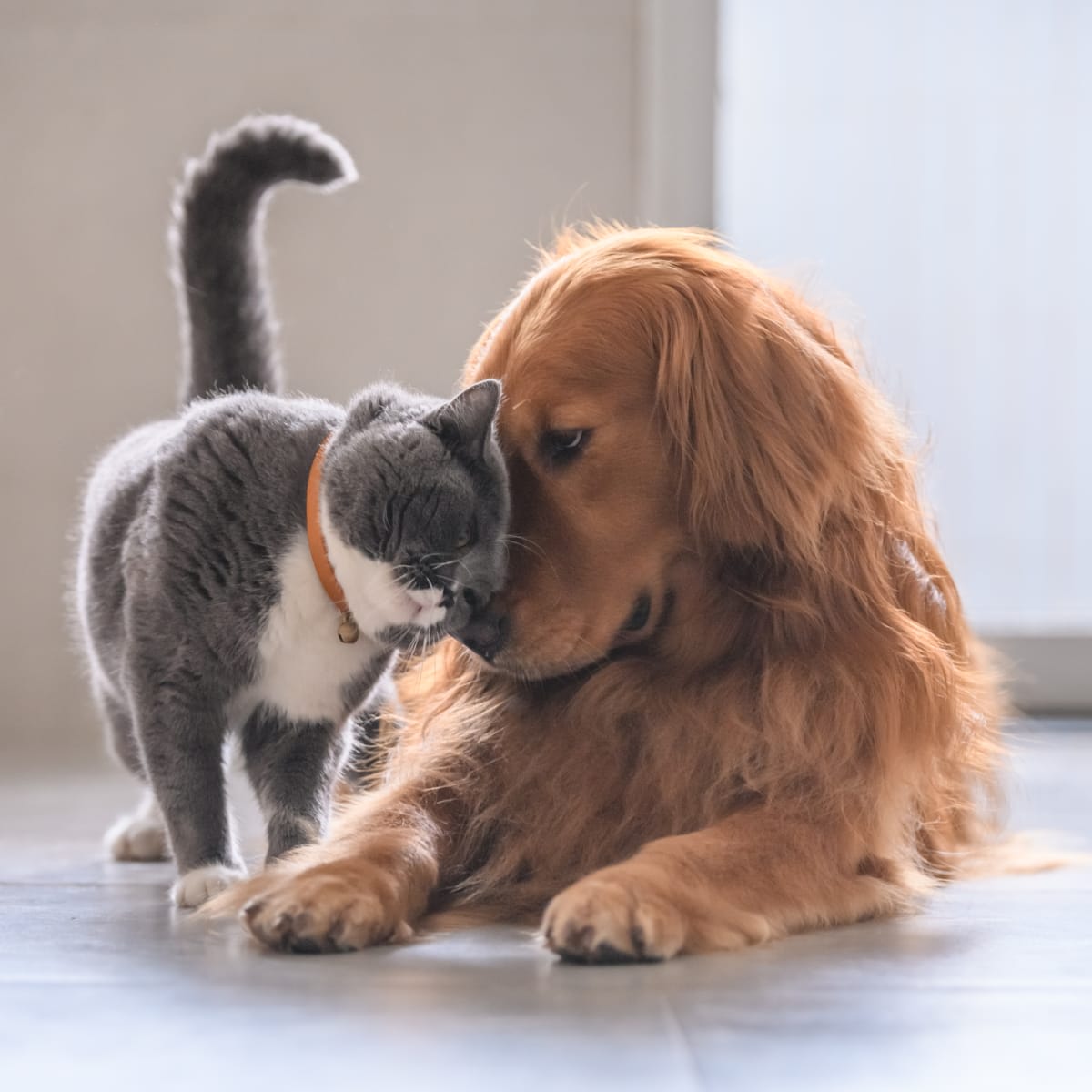
Credit: lovinglathermobilepets.com
Frequently Asked Questions
What Are The Benefits Of Dog And Cat Grooming?
Regular grooming keeps pets clean, healthy, and comfortable. It reduces shedding, prevents skin issues, and detects problems early. Grooming also strengthens your bond and improves your pet’s appearance and hygiene.
How Often Should I Groom My Dog Or Cat?
Dogs and cats typically need grooming every 4 to 6 weeks. Frequency depends on their breed, coat type, and activity level. Regular grooming prevents mats and keeps skin healthy.
Can Grooming Reduce Pet Allergies At Home?
Yes, grooming reduces allergens by removing loose fur and dander. Bathing and brushing frequently help minimize allergy symptoms for sensitive family members.
What Tools Are Essential For Pet Grooming At Home?
Basic tools include a slicker brush, comb, nail clippers, and pet shampoo. Choose tools suited to your pet’s coat type for effective grooming.
Conclusion
Cute dog and cat grooming keeps pets happy and healthy. Regular care prevents mats, dirt, and bad smells. It also helps spot health problems early. Grooming builds a strong bond between you and your pet. Simple steps can make grooming easy and fun.
Try to keep a routine that fits your pet’s needs. A clean pet feels good and looks great too. Start small and enjoy caring for your furry friend every day.




Leave a Reply