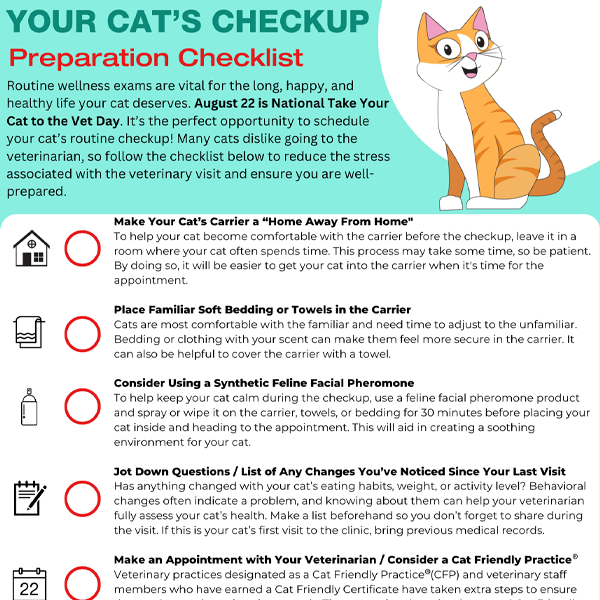
When was the last time your cat had a full health check? You might think your furry friend looks fine, but some health issues hide beneath the surface.
Knowing exactly what a cat health check includes can help you keep your pet happy and healthy for years to come. You’ll discover the key steps vets take during an exam, what signs they look for, and why these checks are so important for your cat’s well-being.
Keep reading to learn how you can protect your beloved companion with the right care.
Physical Examination
A thorough physical examination is a cornerstone of your cat’s health check. It helps spot issues that might not be obvious to you at home. This hands-on assessment lets the vet evaluate your cat’s overall wellness and catch early signs of health problems.
Coat And Skin Assessment
During this part of the exam, the vet closely inspects your cat’s fur and skin. They look for signs like dryness, bald patches, redness, or lumps. These clues can indicate allergies, infections, parasites, or other skin conditions.
Have you noticed your cat scratching more than usual? That might be a sign worth mentioning. Healthy skin and a shiny coat usually mean good nutrition and proper grooming.
Eye And Ear Check
The vet examines your cat’s eyes for clarity, redness, or discharge. Clear eyes without excessive tearing or cloudiness suggest good eye health. Ears are checked for wax build-up, odor, or inflammation, which could point to infections or mites.
If your cat shakes its head or scratches its ears often, these could be warning signs. Clean, bright eyes and healthy ears help your cat stay comfortable and alert.
Oral Health Evaluation
Oral health is often overlooked but essential. The vet inspects your cat’s teeth and gums for tartar, redness, swelling, or bad breath. These signs might indicate dental disease, which can affect your cat’s eating habits and overall health.
Have you ever smelled your cat’s breath and wondered if it’s normal? Healthy gums are pink and firm, while unhealthy ones may bleed easily. Regular dental care can prevent painful problems later.
Body Condition And Weight
The vet assesses your cat’s body condition by feeling the ribs, spine, and hips. This helps determine if your cat is underweight, overweight, or just right. Maintaining a healthy weight is crucial to avoid diseases like diabetes or arthritis.
Does your cat seem to have gained or lost weight recently? This could signal health issues that need attention. Tracking weight over time gives you and your vet valuable information to keep your cat fit and happy.
Vital Signs Monitoring
Vital signs monitoring is a key part of a cat health check. It helps detect health problems early. Vets use simple tools to measure these signs. They give a clear picture of your cat’s health.
Checking vital signs shows how well the heart, lungs, and body work. It also helps track changes over time. Understanding these signs can guide treatment decisions.
Heart Rate And Rhythm
The vet listens to the cat’s heart with a stethoscope. They count the beats per minute to find the heart rate. A normal cat’s heart rate is fast, usually between 140 and 220 beats per minute.
The rhythm must be steady. Irregular beats may signal heart problems. The vet checks for signs of murmurs or abnormal sounds. These can indicate issues like heart disease.
Respiratory Rate
The breathing rate is counted by watching the cat’s chest movements. Normal cats breathe 20 to 30 times per minute at rest. Faster or slower breathing can signal health concerns.
Breathing should be smooth and even. Labored or noisy breathing might show respiratory illness. This check helps catch lung or airway problems early.
Temperature Measurement
Body temperature is taken using a digital thermometer. The vet usually measures it rectally for accuracy. A normal cat temperature ranges from 100.5°F to 102.5°F (38°C to 39.2°C).
Higher or lower temperatures can mean infection or other health issues. This quick check helps identify fever or hypothermia. It is vital for assessing overall health.
Behavioral And Mobility Check
The behavioral and mobility check is a vital part of a cat’s health assessment. It helps identify changes in your cat’s daily habits and physical abilities. These observations can reveal hidden health issues before they become serious problems.
Activity Level Observation
Watching how active your cat is provides key insights into their well-being. A sudden drop in activity might suggest pain, illness, or stress. On the other hand, increased restlessness could indicate discomfort or anxiety.
Notice how your cat moves around the house. Do they jump onto furniture as usual? Are they playing and exploring like they did before? These simple questions help you catch early signs of health concerns.
Joint And Muscle Examination
Checking your cat’s joints and muscles can uncover stiffness or swelling that’s not obvious at first glance. Gently feeling their limbs and watching their movements helps spot issues like arthritis or muscle weakness.
If your cat hesitates to climb stairs or struggles to jump, it could be a sign of joint pain. Regularly assessing these areas ensures you address problems before they worsen, keeping your cat comfortable and active.
Diagnostic Tests
Diagnostic tests are important in a cat health check. They help find hidden problems early. These tests give clear information about your cat’s health. They help the vet decide the best care and treatment.
Blood Work
Blood tests show the condition of organs like the liver and kidneys. They check for infections and anemia. Blood work also measures blood sugar and electrolyte levels. This helps detect diseases like diabetes or kidney failure.
Urine Analysis
Urine tests check for urinary tract infections and kidney problems. They reveal crystals or stones in the bladder. Urine analysis also measures protein and sugar levels. These results help find early signs of illness.
Fecal Examination
Fecal exams detect parasites such as worms or protozoa. They check for bacteria that can cause illness. This test helps keep your cat free from infections. Regular fecal checks support overall digestive health.
Imaging Techniques
X-rays and ultrasounds let vets see inside your cat’s body. These tools reveal tumors, broken bones, or organ problems. Imaging helps diagnose conditions that blood or urine tests miss. They provide a detailed view for better treatment.
Vaccinations And Preventive Care
Cat health checks include vaccinations, dental exams, and weight assessments. Vets also check for parasites and monitor heart health. Regular care ensures your cat stays healthy and happy.
Vaccinations and preventive care are vital for your cat’s health. They protect against diseases and ensure a long, happy life. Regular check-ups help in early detection of health issues. A vet can guide you on the essential vaccinations and preventive measures for your cat.Core Vaccines
Core vaccines are critical for all cats. They protect against common and severe diseases. These include rabies, feline distemper, and calicivirus. Your vet will create a vaccination schedule. This keeps your cat safe from these ailments.Parasite Control
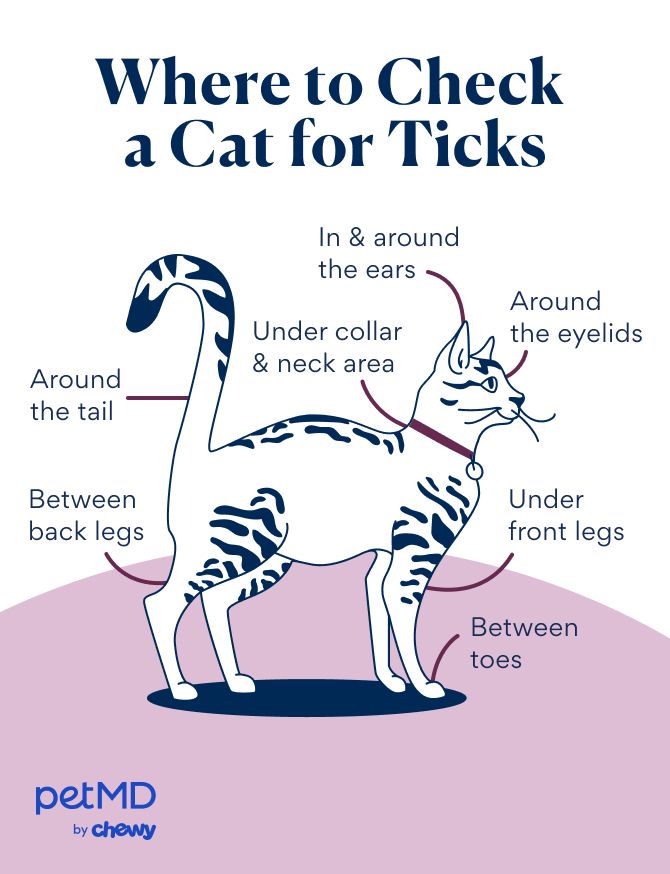
Parasites can harm your cat’s health. Fleas, ticks, and worms are common parasites. Regular treatments prevent infestations and related diseases. Your vet will recommend appropriate medications. This helps keep your cat parasite-free.Dental Care Recommendations
Dental health is crucial for cats. Poor dental hygiene leads to gum disease and tooth loss. Your vet will check your cat’s teeth during visits. They might suggest brushing or special diets. Regular dental care prevents oral issues and ensures overall well-being.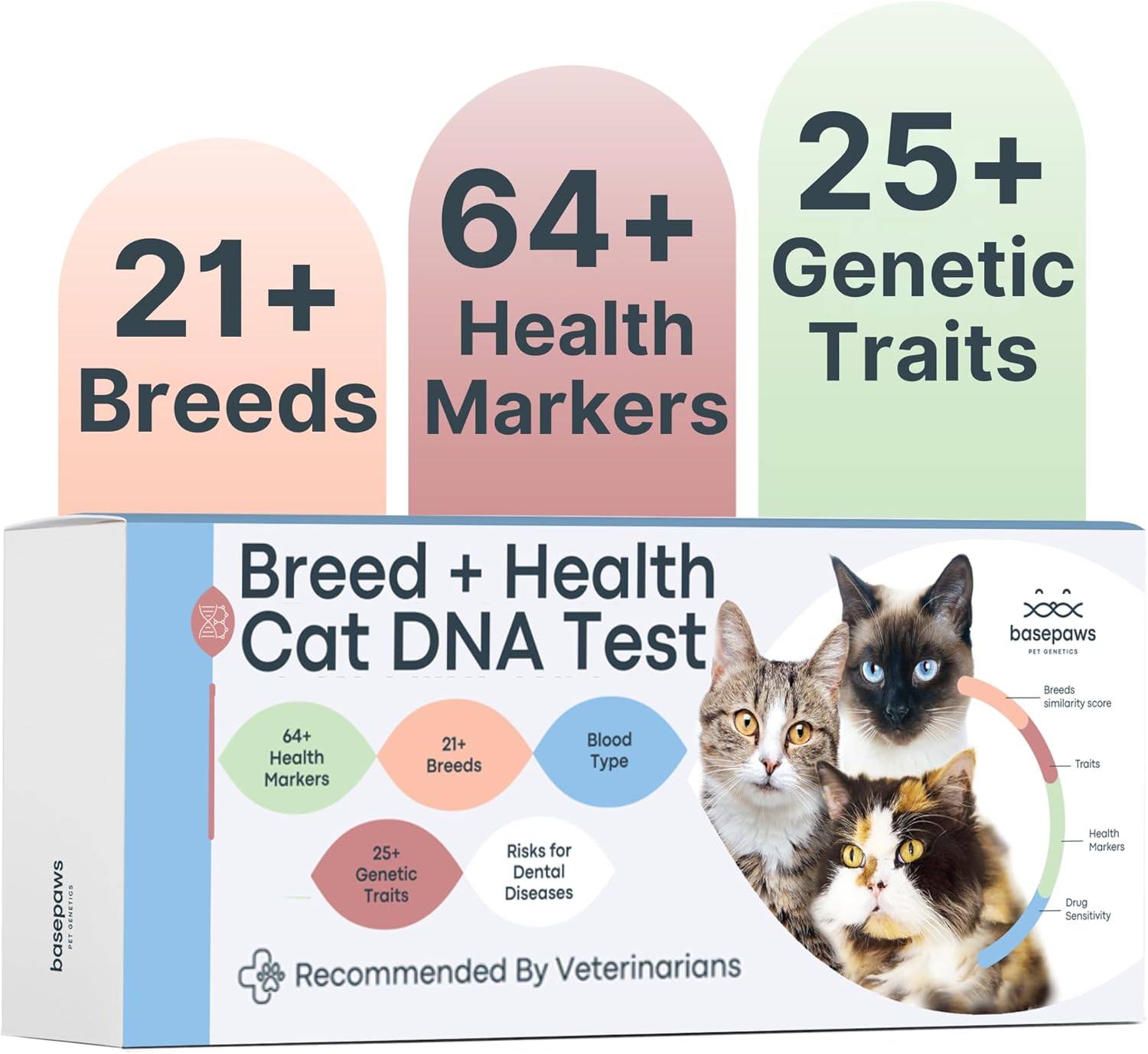
Credit: www.rover.com
Nutrition And Lifestyle Advice
Nutrition and lifestyle advice plays a crucial role in keeping your cat healthy and happy. During a cat health check, your vet will offer personalized tips on feeding and daily activity. These recommendations help prevent common problems like obesity, digestive issues, and behavioral stress.
Dietary Guidelines
Your vet will review your cat’s current diet and suggest adjustments based on age, weight, and health status. Cats need a balance of protein, fats, and limited carbohydrates to stay energized and maintain muscle. You might hear advice on choosing wet food, dry food, or a mix, depending on your cat’s hydration and dental health.
Pay attention to portion sizes—overfeeding is a frequent mistake. Have you ever noticed your cat begging for food even after a full meal? That could be a sign of boredom rather than hunger. Feeding smaller, frequent meals can help regulate metabolism and reduce begging behavior.
- Offer high-quality protein sources like chicken, turkey, or fish.
- Limit treats to less than 10% of daily calories.
- Provide fresh water at all times to avoid dehydration.
Exercise And Enrichment Tips
Physical activity is as important as diet. Cats naturally love to hunt and explore, so creating opportunities for movement can prevent weight gain and boredom. Simple toys, puzzle feeders, or even a cardboard box can spark your cat’s curiosity and keep them active.
Have you tried interactive play sessions? Spending 10 to 15 minutes a day with toys like feather wands or laser pointers can improve your cat’s fitness and strengthen your bond. Enrichment also reduces stress, which can lower the risk of health issues like urinary tract problems.
- Rotate toys regularly to maintain interest.
- Set up climbing spaces, like cat trees or shelves.
- Use feeding puzzles to combine mealtime with mental stimulation.
Follow-up And Monitoring
Follow-up and monitoring are key parts of keeping your cat healthy. After the initial health check, vets need to watch for any changes. This helps catch problems early and keeps your cat feeling good.
Scheduling Future Visits
Regular vet visits keep your cat’s health on track. The vet will suggest when to come back based on your cat’s age and condition. For young cats, visits might be yearly. Older cats or those with health issues may need more frequent checks.
Mark these appointments on your calendar. Staying consistent helps spot problems before they get worse.
Tracking Health Changes
Keep notes on your cat’s behavior and health between visits. Changes in eating, drinking, or activity can signal a problem. Share these details with your vet at follow-ups.
Vets may use tools like weight charts, blood tests, or physical exams. This tracking helps understand how your cat’s health changes over time.

Credit: x.com
Credit: www.petmd.com
Frequently Asked Questions
What Does A Routine Cat Health Check Include?
A routine cat health check includes examining the eyes, ears, teeth, and coat. Vets also check weight, heart, lungs, and abdomen for abnormalities. Vaccinations and parasite control are often reviewed. This ensures your cat’s overall health and early disease detection.
How Often Should Cats Get Health Checks?
Cats should have health checks at least once a year. Senior cats or those with chronic conditions may need more frequent visits. Regular checks help monitor health, update vaccinations, and detect issues early for timely treatment.
Why Are Dental Checks Important During Cat Health Exams?
Dental checks prevent gum disease, tooth decay, and bad breath. Poor oral health can lead to infections and affect overall health. Vets clean teeth and advise on dental care to keep your cat’s mouth healthy.
What Vaccinations Are Included In A Cat Health Check?
Common vaccinations include feline herpesvirus, calicivirus, panleukopenia, and rabies. Vaccines protect cats from serious and contagious diseases. Your vet will recommend vaccines based on your cat’s age, lifestyle, and risk factors.
Conclusion
A cat health check helps keep your pet strong and happy. Vets check eyes, ears, teeth, and weight carefully. They also listen to the heart and lungs. Vaccines and parasite checks protect from diseases. Regular exams catch problems early, saving money and pain.
A healthy cat lives longer and feels better every day. Schedule check-ups to give your cat the best care. Simple steps make a big difference in your pet’s life.




Leave a Reply