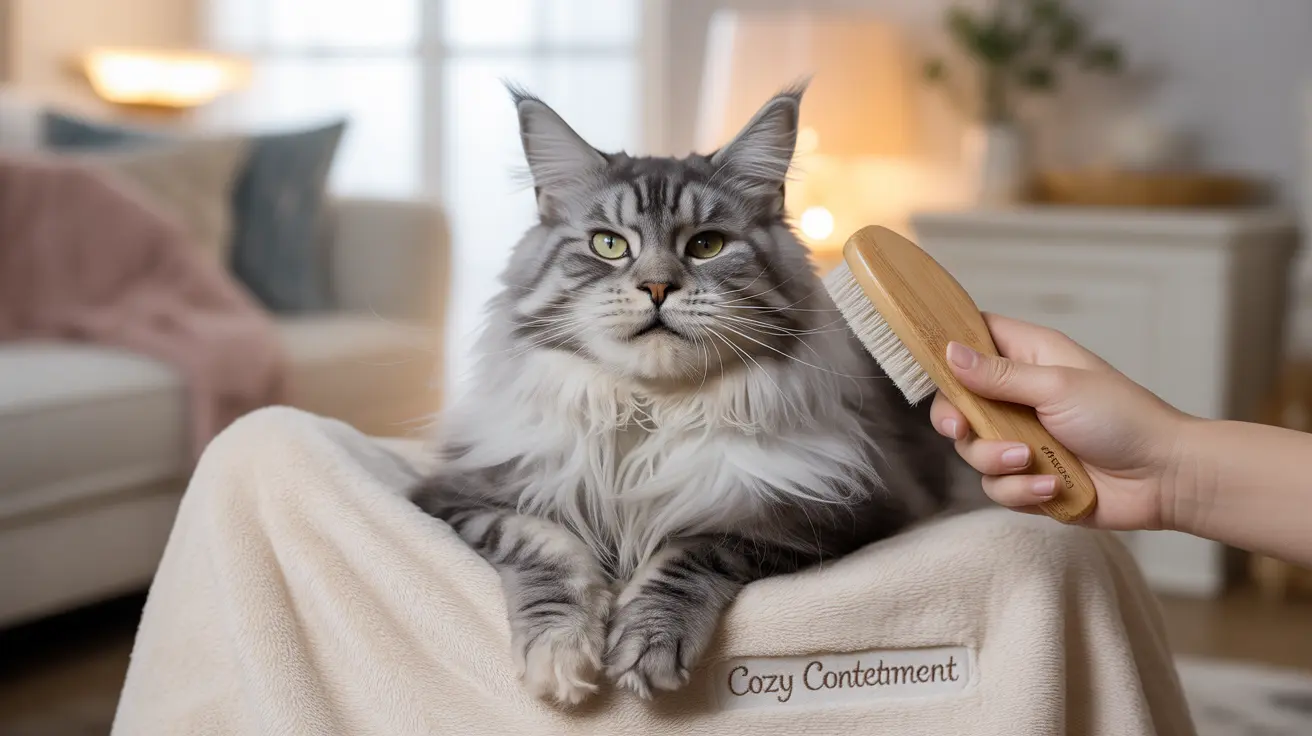
Grooming a long-haired cat can be challenging, but it becomes even tougher when your furry friend is aggressive. If you’ve struggled to keep your cat calm and clean during grooming, you’re not alone.
You want your cat to look and feel great without turning the experience into a stressful battle. This guide will show you simple, effective ways to handle your aggressive long-haired cat with care and patience. By the end, you’ll have the tools to make grooming easier—for both you and your cat.
Keep reading, and discover how to turn grooming time into a peaceful routine.
Recognizing Aggression In Long Haired Cats
Recognizing aggression in long-haired cats is key for safe grooming. Aggressive cats may react suddenly. Understanding their triggers and signs helps prevent scratches and bites.
Long-haired cats often hide discomfort under thick fur. Watch closely for subtle changes in behavior. Early recognition allows calm and gentle handling.
Common Triggers
- Unexpected touch on sensitive areas like the belly or tail
- Overstimulation from prolonged grooming sessions
- Presence of unfamiliar people or pets nearby
- Sudden loud noises or quick movements
- Feeling trapped or unable to escape during grooming
Body Language Signs
- Ears flattened against the head
- Rapid tail flicking or lashing
- Hissing or growling sounds
- Dilated pupils indicating stress
- Swatting or attempts to bite
- Stiff body posture or tense muscles
Preparing For Grooming Sessions
Grooming an aggressive long-haired cat takes more than just patience; it requires careful preparation to keep both you and your feline calm and safe. Preparing properly helps reduce stress and makes the grooming session smoother for your cat. Before you even start brushing, setting the stage correctly is key.
Choosing The Right Tools
Select tools designed specifically for long-haired cats. A wide-toothed comb helps detangle tough mats without pulling too hard on your cat’s fur. Follow up with a slicker brush to remove loose hair and prevent knots from forming.
Consider using grooming gloves if your cat tends to scratch. These give you better control and provide a gentle massage that can relax your cat. Avoid metal combs with sharp edges; these might irritate your cat’s sensitive skin and increase aggression.
Have treats ready to reward good behavior. Positive reinforcement can change how your cat feels about grooming over time. Do you have the right tools that make grooming less stressful for your cat?
Creating A Calm Environment
Set up a quiet space free from distractions and loud noises. Cats respond to calm surroundings, which can lower their stress during grooming. A soft blanket or towel can make the area comfortable and familiar.
Try to groom your cat when they are naturally relaxed, such as after a meal or a nap. Your calm voice and gentle touch can help your cat stay at ease. If your cat shows signs of stress, pause and let them settle before continuing.
Would your cat prefer a spot with natural light or a cozy corner? Observing their favorite resting places can guide you to the best grooming location. Small adjustments can make a big difference in your cat’s behavior.
Techniques To Calm Your Cat
Calming an aggressive long-haired cat before grooming is essential. It reduces stress and makes the process smoother. A calm cat is easier to handle and less likely to scratch or bite. Use gentle techniques that build trust and comfort. Patience is key to helping your cat relax.
Using Gentle Touch
Start with soft, slow strokes on your cat’s head and back. Avoid sudden movements that may startle your cat. Use your fingertips to gently massage sensitive areas. Pay attention to your cat’s reactions and stop if it shows discomfort. Gentle touch helps your cat feel safe and cared for.
Incorporating Positive Reinforcement
Offer treats during and after grooming sessions. Use a calm voice to praise your cat for good behavior. Reward small steps toward calmness, like staying still or purring. Positive reinforcement encourages your cat to associate grooming with pleasant experiences. This builds trust and cooperation over time.
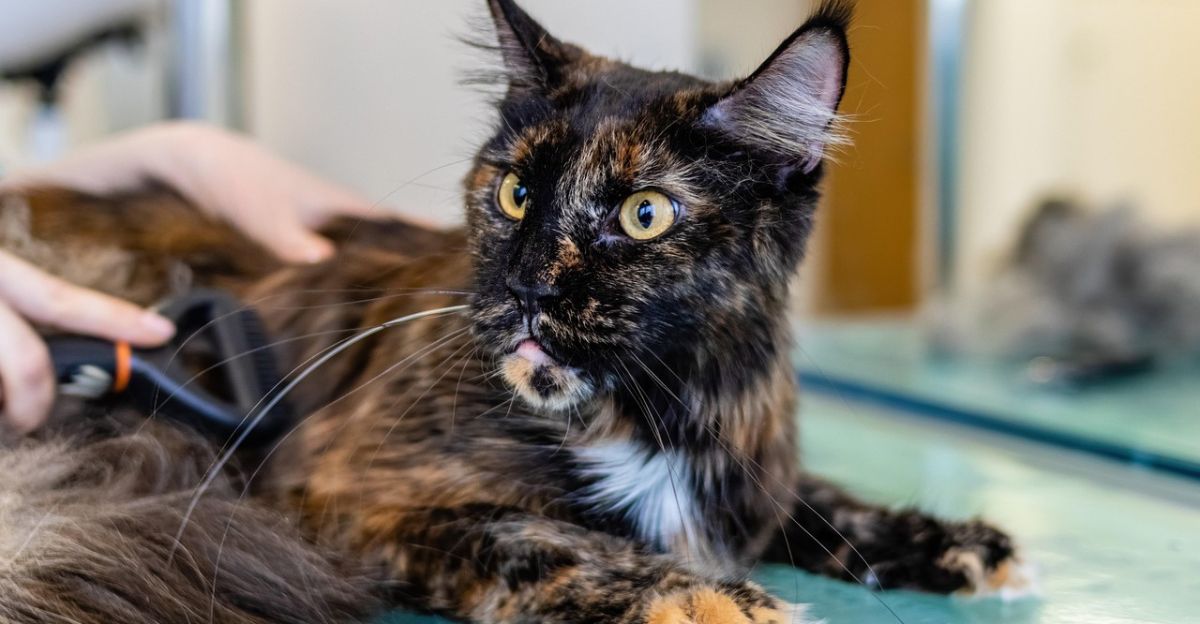
Credit: tryfurgo.com
Step-by-step Grooming Process
Grooming an aggressive long-haired cat can feel like a challenge, but breaking the process down into clear, manageable steps makes it easier for both you and your feline friend. Patience and gentleness are your best tools here. You’ll learn how to handle your cat’s fur carefully, reduce stress, and keep grooming sessions short and effective.
Brushing Tips For Long Fur
Use a slicker brush or a wide-tooth comb designed for long hair. Start brushing in the direction of hair growth to avoid pulling and causing pain. If your cat tenses or tries to escape, pause and offer a treat or gentle petting to calm them down.
Brush in short sessions, just a few minutes at a time, to keep your cat comfortable. Pay special attention to areas where fur tends to clump, like behind the ears and under the legs. Have you noticed your cat’s favorite spot to be brushed? Focus there to build trust.
Handling Mats And Tangles
Mats can be painful and lead to skin problems. Gently tease out small tangles using a mat splitter or your fingers before brushing. If a mat is too tight, don’t force it; instead, try applying a bit of detangling spray formulated for cats.
Be patient with mats. Sometimes cutting out very tight mats is necessary, but use blunt-ended scissors carefully to avoid injury. If your cat becomes too stressed or aggressive, consider seeking professional grooming help rather than risking harm.
Bathing Safely
Bathing an aggressive cat requires preparation and caution. Use a non-slip mat in the sink or tub to prevent slipping and sudden movements. Fill the water to a shallow level—just enough to wet your cat’s legs and belly.
Use cat-specific shampoo and apply it gently, avoiding the face and ears. Speak softly and use slow movements to keep your cat calm. Rinse thoroughly but quickly, and wrap your cat in a warm towel immediately after to help them feel secure and dry off faster.
Managing Stress And Aggression
Grooming an aggressive long-haired cat requires patience and understanding. Start by creating a calm environment. Use gentle strokes and speak softly to soothe your cat. Regular short grooming sessions can help reduce stress and aggression, making the process more enjoyable for both you and your furry friend.
Managing the stress and aggression of a long-haired cat during grooming can be a challenging task. Yet, with patience and understanding, you can transform this daunting experience into a bonding activity. The key lies in recognizing the signs of distress and knowing when to pause the grooming session to keep both you and your cat at ease.Recognizing Signs Of Distress
Understanding your cat’s body language is crucial. If your cat’s ears are pinned back, or if you notice the tail twitching rapidly, these are clear indicators of stress. Hissing, growling, or even a sudden swat are stronger signs that your cat is uncomfortable. Cats may also show subtle signs such as heavy breathing or dilated pupils. Paying attention to these signals can prevent escalation. By acknowledging these signs early, you can adjust your approach to keep your cat calm and secure.When To Take Breaks
Grooming an aggressive cat is not a race. Taking regular breaks can help manage stress levels for both you and your feline friend. If you sense your cat is becoming overly agitated, pause the grooming session. Use this time to offer a treat or engage in a calming activity like gentle petting. This not only reassures your cat but also allows you both to reset before continuing. Timing these breaks at the right moment can make the grooming process smoother and more enjoyable for your cat. Have you ever considered how your cat’s grooming experience affects your relationship? By being mindful of their stress levels, you can build trust and strengthen your bond. Remember, patience and observation are your best tools in creating a positive grooming routine.When To Seek Professional Help
Grooming an aggressive long-haired cat can be tough and risky. Sometimes, the cat’s behavior may cause injury or stress for both you and your pet. Knowing when to ask for expert help is important. This keeps the grooming process safe and effective. Recognizing the signs and options available helps maintain your cat’s health and happiness.
Finding Experienced Groomers
Professional groomers trained with difficult cats can handle aggressive behavior carefully. They use special tools and techniques to reduce stress and avoid scratches. Experienced groomers know how to calm your cat before and during grooming. They can trim mats and clean fur without hurting your pet. Visiting a trusted groomer can save time and prevent injury.
Veterinary Advice And Behaviorists
Your vet can check for pain or medical issues causing aggression. Sometimes, cats act out due to discomfort or illness. A vet may suggest treatments or calming products. Animal behaviorists study cat actions and offer behavior modification plans. They teach techniques to reduce fear and aggression during grooming. Combining vet care and behavior help improves your cat’s comfort and trust.
Preventing Future Aggression
Preventing future aggression in long-haired cats requires patience and care. Aggression often stems from fear or discomfort. Grooming sessions can either build or break your cat’s trust. Creating a calm, positive environment reduces stress and aggression during grooming. Consistency in your approach helps your cat adjust. Small, frequent grooming routines work best to avoid overwhelming your cat.
Regular Grooming Routine
Keep grooming sessions short and gentle. Brush your cat daily to avoid painful mats. Use soft brushes designed for long hair. Watch your cat’s body language closely. Stop if you see signs of stress or aggression. Gradually increase grooming time as your cat gets used to it. Set a quiet, comfortable space for grooming. A calm environment lowers your cat’s anxiety. Reward your cat with treats or gentle petting after grooming.
Building Trust Over Time
Spend quiet time near your cat without grooming. Let your cat approach you first. Speak softly and move slowly to avoid startling. Offer treats during calm moments. Touch your cat gently in non-sensitive areas. Slowly introduce grooming tools without using them. Praise your cat for calm behavior. Be patient. Trust grows with time and kindness. Avoid forcing grooming to prevent fear and aggression. Consistent positive interactions make grooming easier later.

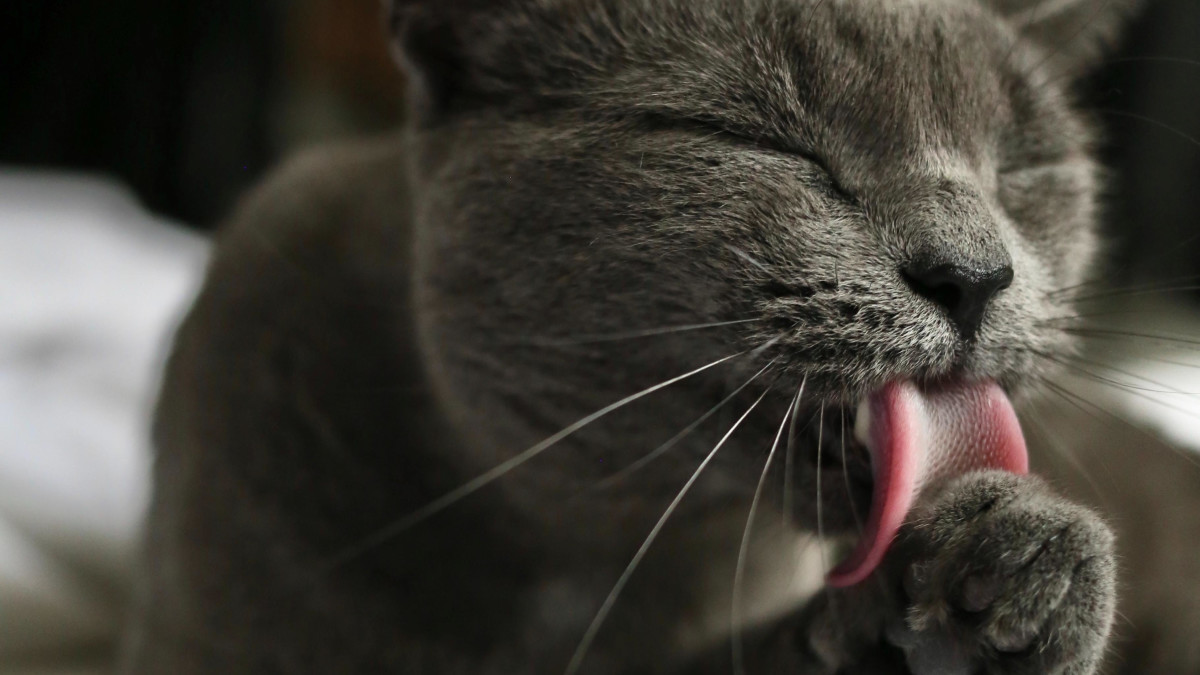
Credit: petradioshow.com

Credit: www.amazon.ca
Frequently Asked Questions
How To Safely Groom An Aggressive Long-haired Cat?
Use calm, gentle handling and speak softly. Wear protective gloves. Use short grooming sessions to avoid stress. Offer treats as rewards. Stop if the cat shows signs of distress.
What Tools Are Best For Grooming Aggressive Cats?
Use a slicker brush and metal comb for long hair. Choose tools with comfortable grips. Avoid noisy or sharp tools that may scare the cat. Keep grooming tools clean to prevent discomfort.
How Often Should I Groom An Aggressive Long-haired Cat?
Groom at least 3-4 times a week. Frequent grooming prevents mats and tangles. Short, consistent sessions help the cat adjust. Regular grooming reduces stress and improves coat health.
How Can I Reduce My Cat’s Aggression During Grooming?
Create a quiet, safe environment. Use treats and praise to build trust. Take breaks if the cat becomes agitated. Consider pheromone sprays or calming collars. Consult a vet if aggression persists.
Conclusion
Grooming an aggressive long-haired cat takes patience and care. Stay calm and gentle to build trust. Use soft brushes and work slowly to avoid stress. Break the grooming into short sessions to keep your cat relaxed. Always watch your cat’s body language for signs of discomfort.
Regular grooming helps keep fur healthy and reduces matting. With time, your cat will become more comfortable with the process. Remember, kindness and consistency make grooming easier for both of you. Keep practicing, and your cat will enjoy grooming more each day.


Leave a Reply