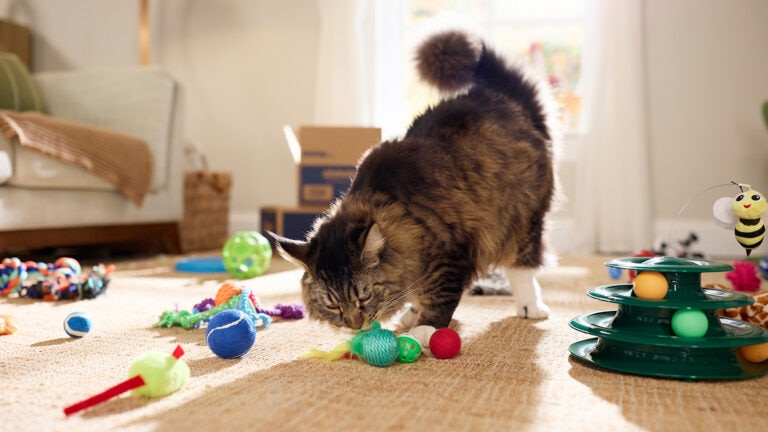
Have you ever caught your cat dropping their favorite toy into water and wondered, “Why does my cat drown toys?” It might seem strange or even a little puzzling at first. But your cat’s curious behavior is more than just play—it’s a window into their instincts and personality.
Understanding this habit can help you connect better with your furry friend and keep them happy. Keep reading to discover the surprising reasons behind this quirky habit and what it means for your cat’s well-being.

Credit: arcrocker.medium.com
Cat Play Behavior
Understanding your cat’s play behavior can reveal a lot about why it drowns toys. Play is not just fun for cats; it mimics essential survival skills and satisfies deep-rooted instincts. Observing these actions helps you appreciate your cat’s unique personality and needs.
Hunting Instincts
Your cat’s tendency to “drown” toys often ties back to its hunting instincts. In the wild, cats catch prey near water sources, so interacting with toys in water might feel natural to them.
When your cat paws at a toy in a water bowl or bathtub, it’s practicing skills like catching, shaking, and securing prey. This behavior is a safe way for your cat to engage its predatory nature indoors.
Have you noticed your cat’s favorite toys are ones it can grab and toss around? That’s a sign it’s channeling its hunting drive, not just playing randomly.
Interactive Play Patterns
Cats often prefer interactive play that challenges their senses and coordination. Adding water to the mix introduces new textures and resistance, making playtime more stimulating.
Your cat might dunk toys into water to make them move unpredictably or to explore new sounds and sensations. This keeps the game interesting and mentally engaging.
Try offering floating toys or using a shallow water dish during play. You might see your cat’s excitement grow as it experiments with these new play elements.

Credit: arcrocker.medium.com
Water And Cats
Cats and water have a complicated relationship. Many cats seem to avoid water, yet some are fascinated by it. Understanding why your cat might dunk toys in water starts with looking at their natural instincts and curiosity.
Natural Reactions To Water
Cats are often cautious around water because their fur doesn’t dry quickly. Wet fur can make them feel cold and uncomfortable, which explains their usual avoidance. But this doesn’t mean they dislike water entirely—some cats enjoy playing near or even in water.
Your cat’s reaction to water often depends on their early experiences. Cats raised around water or exposed gently to it as kittens may show less fear. Have you noticed if your cat reacts differently to still water versus running water, like a faucet or fountain?
Curiosity About Liquids
Cats are naturally curious, especially about new things in their environment. Liquids, with their reflective surfaces and movement, attract their attention. This curiosity can explain why your cat dunks toys in water—they are experimenting and learning about the world.
Many cats enjoy the texture and feel of wet toys, and dipping them in water adds an extra sensory experience. Think about how your cat interacts with water bowls or dripping taps—these moments can reveal their playful side. Could your cat’s behavior be a way to entertain themselves or even cool down?
Reasons Behind Drowning Toys
Understanding why your cat drowns toys can give you valuable insight into their natural instincts and behaviors. This curious habit often puzzles pet owners but is rooted in deep-seated reasons related to how cats interact with their environment. Let’s break down some common explanations behind this intriguing behavior.
Simulating Hunting
Cats are natural hunters, and drowning toys mimics the way they handle prey in the wild. When your cat places a toy in water, it may be testing its “catch” just like it would with real prey. This act helps satisfy their predatory instincts without needing to hunt live animals.
Have you noticed your cat’s intense focus during these moments? It’s their way of practicing skills that come naturally, even in a domestic setting. By allowing this behavior, you encourage mental and physical stimulation.
Marking Territory
Water can serve as a unique medium for your cat to leave its scent and mark ownership over toys. Cats have scent glands on their paws and face, and interacting with the toy in water helps transfer their scent more effectively.
This behavior might seem odd, but it’s a form of communication. Your cat is telling other pets or intruders, “This belongs to me,” in a subtle but clear way.
Stress Relief
Drowning toys can also be a calming activity for cats during stressful times. The repetitive action of pushing and submerging toys can help reduce anxiety and provide comfort.
If your cat spends a lot of time alone or faces changes in their environment, this behavior might increase. Next time your cat does this, consider if something in their routine has shifted and how you can help them feel more secure.

Credit: www.reddit.com
Common Toys Cats Drown
Cats often “drown” their toys in water or other liquids. This behavior puzzles many pet owners. Understanding which toys cats target helps explain this odd habit. Some toys attract cats more than others. The material and size of toys also play a role in their choices.
Types Of Toys Targeted
Cats often prefer small, lightweight toys that are easy to carry. Common targets include:
- Feather wands
- Small balls
- Soft stuffed mice
- Plastic or rubber rings
These toys mimic prey animals. Cats enjoy the feeling of catching and hiding them. Water adds a new layer of play or curiosity.
Material Influence
Soft and absorbent materials attract cats more. Fabrics like cotton or plush hold water well. Cats may enjoy the wet texture on their paws and mouth.
Hard plastic or rubber toys are less likely to be drowned. They do not soak up water. Cats might still drop them in water but less often.
How To Manage This Behavior
Offer your cat safe toys and supervise playtime near water. Redirect their attention with dry toys to reduce water play. Provide fresh water in a separate bowl to satisfy their curiosity.
If your cat has a habit of drowning their toys, it might seem puzzling at first. However, this behavior can be managed with a few thoughtful strategies. Cats often drown toys due to their instinctual behaviors, and addressing this can make playtime more enjoyable for both you and your feline friend.Safe Play Alternatives
Creating a variety of safe play alternatives can help redirect your cat’s instincts. Try introducing toys that mimic real prey, like feathered wands or small balls that bounce unpredictably. Interactive toys that move or make noise can also capture your cat’s attention and satisfy their hunting instincts. Encourage play sessions at regular intervals to prevent boredom and reduce the urge to drown toys in water.Environmental Enrichment
Enhancing your cat’s environment is key to managing their toy-drowning behavior. Consider adding scratching posts, climbing trees, or cozy hideouts to stimulate their senses. Rotate toys weekly to maintain their novelty and interest. By creating a stimulating environment, your cat will have more outlets for their energy and instincts, reducing the likelihood of finding their toys submerged in their water bowl. Is your cat showing signs of stress or boredom? Simple changes in their environment can make a significant difference. Engaging your cat in new activities and providing diverse experiences can transform their behavior, making both of you much happier.When To Consult A Vet
Watching your cat drown toys might seem odd or funny. Sometimes, this behavior is normal play. Other times, it could signal a deeper problem. Knowing when to ask a vet for help is important. Early advice can protect your cat’s health and happiness.
Behavioral Concerns
Persistent drowning of toys may point to stress or anxiety. Cats use play to express feelings. If your cat seems restless or aggressive, it might need help. Sudden changes in toy interaction or other habits need attention. A vet can suggest ways to reduce stress and improve behavior.
Health Issues To Watch
Some health problems cause unusual play behaviors. Pain or discomfort can make cats act strangely. Look for signs like limping, hiding, or loss of appetite. Breathing problems or excessive drooling also matter. A vet check can find hidden health issues causing toy drowning.
Frequently Asked Questions
Why Does My Cat Drown Toys In Water?
Cats drown toys to mimic hunting behavior. It simulates catching prey in water. This instinctive action provides mental stimulation and play satisfaction.
Is Drowning Toys A Sign Of Cat Stress?
No, drowning toys usually shows natural play behavior. It helps cats relieve energy and boredom. However, excessive drowning may suggest anxiety or stress.
How Can I Stop My Cat From Drowning Toys?
Provide varied toys and interactive play sessions. Redirect attention with dry toys or puzzle feeders. Ensure your cat has enough stimulation and exercise.
Do All Cats Drown Their Toys?
Not all cats drown toys. This behavior depends on individual personality and instincts. Some cats may prefer dry play or other hunting simulations.
Conclusion
Cats often dunk toys to explore and play. This behavior shows their natural hunting skills. They enjoy the feeling of water and the challenge it brings. Watching your cat do this can be fun and curious. Understanding why cats drown toys helps you connect with them better.
Keep toys safe and clean to avoid any problems. Let your cat enjoy its quirky habits in a safe way. This simple act reveals much about your cat’s personality.




Leave a Reply