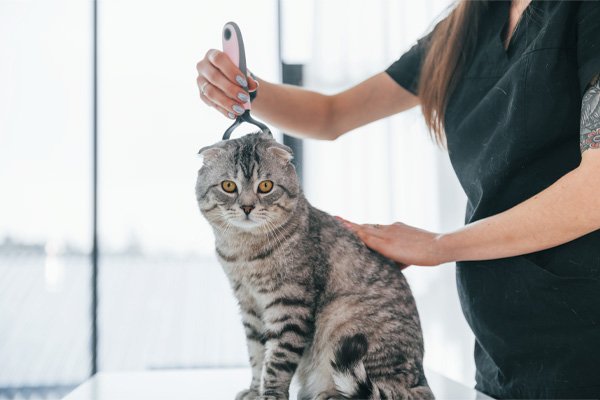
Have you ever noticed your cat licking itself and wondered what happens to all that hair? You might be asking, “Do cats swallow the hair when they groom?” It’s a common question for every cat owner.
Understanding this can help you keep your furry friend healthy and avoid unexpected surprises. You’ll discover why cats swallow hair, what it means for their health, and how you can help them stay comfortable. Keep reading to learn what every cat lover needs to know!
Cats And Grooming Habits
Cats have unique grooming habits that often leave pet owners curious. You might have noticed your feline friend spending a lot of time licking their fur, but have you ever wondered if they swallow hair during this process? Understanding how and why cats groom themselves can give you insights into their behavior and health.
How Cats Groom Themselves
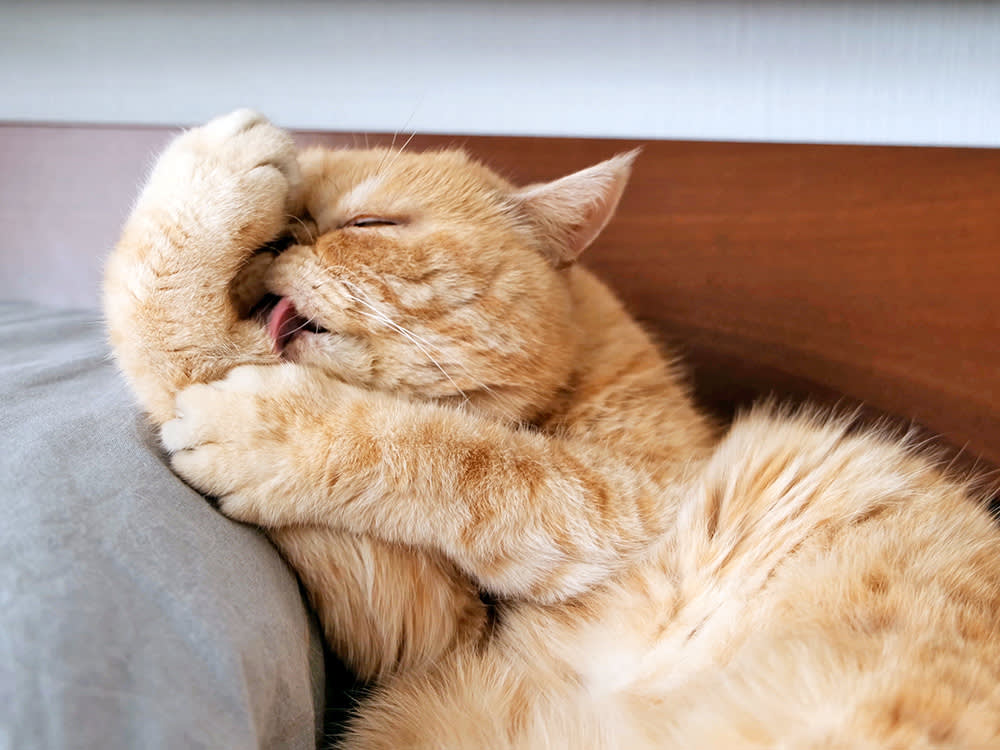
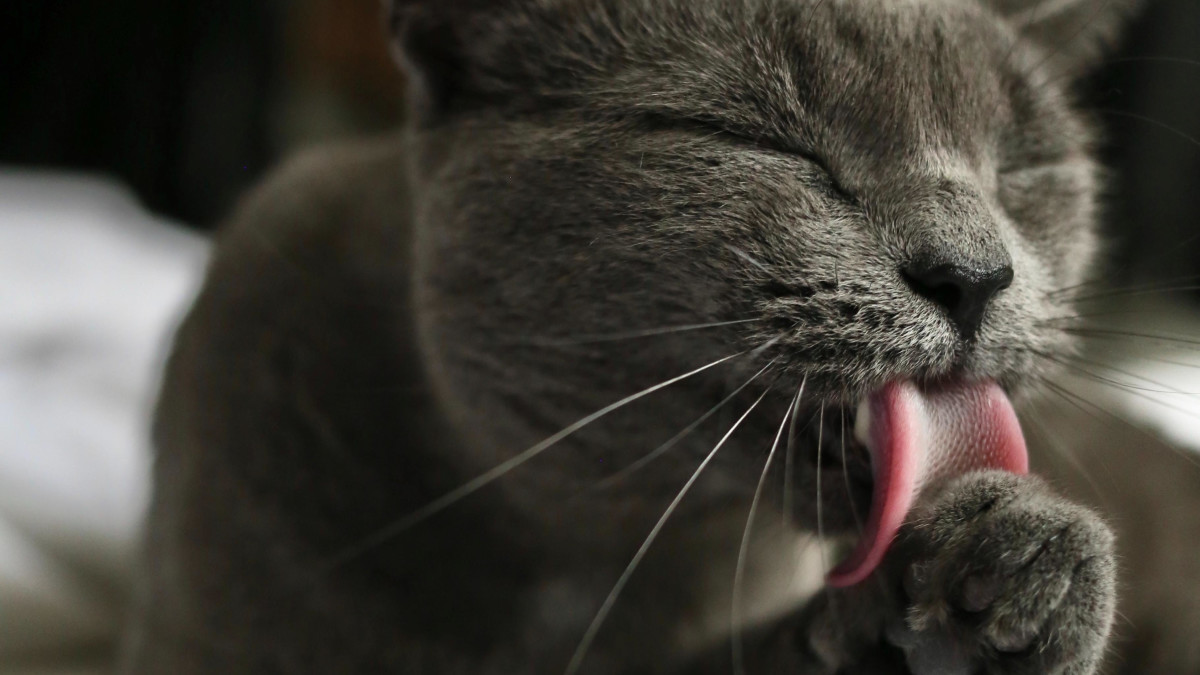
Cats use their tongues to clean their fur. Their tongues have tiny, hook-like structures called papillae that help remove dirt and loose hair.
As they lick, cats also untangle knots and spread natural oils across their coat. This keeps their fur shiny and waterproof.
Sometimes, while grooming, cats swallow loose hair. This is usually harmless but can lead to hairballs if too much hair accumulates in their stomach.
Purpose Of Self-grooming
Self-grooming serves several important functions beyond just cleanliness. It helps regulate body temperature by removing excess fur during warmer months.
Grooming also reduces stress and provides comfort. You might notice your cat grooming more when they feel anxious or after a stressful event.
Additionally, grooming is a social behavior. Cats often groom each other to strengthen bonds, so your cat grooming itself is also a way to stay emotionally balanced.
Credit: www.kinship.com
Hair Ingestion During Grooming
Cats spend a lot of time grooming themselves. This helps keep their fur clean and shiny. While grooming, cats often swallow some of their fur. This is a normal part of their cleaning routine. Understanding how much hair they swallow and why helps pet owners care for their cats better.
Why Cats Swallow Hair
Cats use their tongues to clean their fur. The tongue has tiny, hook-like structures. These hooks catch loose hair and dirt. As cats lick, some hair sticks to the tongue. The hair then moves into their mouth. Swallowing hair is an accidental result of grooming. It is not harmful in small amounts. Sometimes, cats swallow hair to remove loose fur from their bodies.
Amount Of Hair Swallowed
The amount of hair swallowed varies. It depends on the cat’s grooming habits. Long-haired cats swallow more hair than short-haired cats. Some cats groom more often, increasing hair ingestion. Most swallowed hair passes through the digestive system. Sometimes, hair builds up in the stomach. This can cause hairballs. Hairballs are small clumps of hair cats cough up.
Hairballs And Their Formation
Hairballs are a common issue for cat owners, especially if you’ve noticed your feline friend coughing or hacking more than usual. These clumps of swallowed fur can cause discomfort for your cat and sometimes lead to more serious digestive problems. Understanding how hairballs form can help you manage and reduce their occurrence effectively.
What Are Hairballs
Hairballs are small, compact masses of fur that cats sometimes cough up. They form when your cat swallows loose hair during grooming. Normally, most swallowed hair passes through the digestive system, but some collects in the stomach and forms these dense balls.
How Hairballs Develop
As cats lick themselves, their rough tongues pull loose hairs from their coats. Some hairs are swallowed and enter the stomach. Over time, these hairs stick together with mucus and digestive juices, creating a hairball. When the hairball becomes too large or irritating, your cat will try to expel it by coughing or vomiting.
Common Signs Of Hairballs
- Frequent coughing or hacking, especially after grooming
- Vomiting hair or hairballs
- Decreased appetite or signs of discomfort
- Constipation or irregular bowel movements
Have you noticed your cat showing any of these signs? Early detection can prevent hairballs from causing serious digestive issues.
Credit: www.livescience.com
Health Impacts Of Hair Swallowing
When cats groom themselves, they often swallow loose hair. This can affect their health in several ways. The impact depends on how much hair they ingest and their body’s ability to manage it. Understanding these effects helps pet owners care better for their cats.
Potential Risks
Swallowed hair can build up inside the cat’s stomach. This may form hairballs, which can cause discomfort. Some cats cough or vomit to expel these hairballs. In severe cases, hairballs block the intestines. This blockage is dangerous and needs veterinary care.
Hair ingestion can also irritate the digestive tract. It may lead to reduced appetite or constipation. Cats with long or thick fur face higher risks. Older or sick cats might struggle more with hairballs.
How Cats Handle Swallowed Hair
Cats use their digestive system to pass swallowed hair. Most hair moves through the intestines and exits with feces. Grooming helps keep hair loose, reducing the amount swallowed. Cats also vomit hairballs to clear their stomachs.
Some cats produce special digestive enzymes to break down hair. Their natural behavior helps manage hair ingestion. Regular grooming by owners lowers the hair cats swallow. This reduces health risks linked to hairballs.
Preventing Hairball Issues
Cats swallow loose hair while grooming, which can form hairballs in their stomach. Regular brushing helps reduce the amount of hair they ingest. Offering hairball control food also supports easier passage through their digestive system.
Cats often swallow hair while grooming, leading to hairballs. These can cause discomfort and digestive problems. Preventing hairball issues is essential for your cat’s health. It involves a combination of dietary changes, grooming techniques, and knowing when to consult a vet.Dietary Tips
A high-fiber diet helps reduce hairball formation. Fiber moves hair through the digestive system. Look for cat food specially formulated for hairball control. These foods contain balanced nutrients. Provide fresh water always to keep your cat hydrated.Grooming Techniques
Regular grooming reduces loose hair ingestion. Brush your cat frequently to remove excess fur. Use a brush suitable for your cat’s coat type. Short-haired cats need less frequent grooming. Long-haired cats require daily brushing to prevent tangles.When To See A Vet
Some hairballs may need veterinary attention. Watch for signs like persistent coughing or vomiting. If your cat struggles with frequent hairballs, consult a vet. They can suggest treatments or dietary adjustments. A vet visit ensures your cat’s health and comfort.
Credit: danspetcare.com
Frequently Asked Questions
Do Cats Swallow Hair When They Groom Themselves?
Yes, cats swallow hair while grooming as their tongues collect loose fur. This hair travels to their stomach and intestines.
Can Swallowed Hair Cause Health Issues In Cats?
Swallowed hair can form hairballs, which may cause vomiting or discomfort. Most cats pass them naturally without serious problems.
How Do Cats Naturally Manage Swallowed Hair?
Cats use grooming to remove loose fur and swallow some. They often cough or vomit to expel hairballs when needed.
Should I Help My Cat With Hairball Problems?
Yes, regular brushing reduces loose fur and hair ingestion. Special diets and hairball remedies can also support your cat’s digestion.
Conclusion
Cats swallow some hair while grooming, but it usually passes safely. Their bodies handle small amounts well. Too much hair, though, can cause problems like hairballs. Watch your cat for signs of discomfort or vomiting. Regular brushing helps reduce loose hair and swallowing.
Keep your cat healthy by providing water and a good diet. Understanding this habit helps you care for your pet better. Grooming is natural, but your help makes a difference. Simple steps keep your cat happy and comfortable.

Leave a Reply