If you’ve ever watched your cat struggle to reach that one itchy spot, you know how frustrating it can be—for both of you. What if you could give your furry friend a way to groom themselves anytime they want?
Making a cat self groomer is easier than you think, and it can keep your cat happy, clean, and entertained. In this guide, you’ll discover simple steps to create a tool your cat will love. Keep reading to learn how to make your cat’s grooming routine effortless and enjoyable.
Credit: www.temu.com
Benefits Of A Cat Self Groomer
Having a cat self groomer at home can transform your pet’s daily routine and your own experience as a cat owner. These simple tools offer more than just a fun distraction for your feline friend—they actively improve your cat’s well-being. Let’s look at some clear benefits you can expect when you make or buy a self groomer for your cat.
Improved Hygiene
Self groomers help your cat clean hard-to-reach spots, especially around the head and neck. This means your cat stays cleaner without relying solely on your help. You might notice fewer dirt patches and less buildup of oils on your cat’s fur.
Have you ever struggled to brush your cat’s face? A self groomer solves that by allowing your cat to rub against it whenever they want. It keeps their coat neat and fresh more consistently.
Reduced Shedding
Shedding can be a big headache, especially if you have multiple cats or allergies. A self groomer removes loose fur throughout the day, which means less fur on your furniture and clothes. This also helps keep your home cleaner overall.
Your cat benefits too, as excess fur gets brushed away before it mats or causes skin irritation. This simple tool can save you hours of vacuuming and lint rolling each week.
Stress Relief
Does your cat seem restless or anxious sometimes? Self groomers provide a calming outlet for your cat’s natural grooming instincts. Rubbing and scratching against the groomer releases endorphins, lowering stress levels.
Think about how your cat reacts to petting or brushing—they often purr and relax. A self groomer offers the same comfort anytime your cat chooses. Isn’t it great to give your cat a way to soothe themselves without needing constant attention?

Credit: catit.ca
Materials Needed
Gathering the right materials is key to making a safe and effective cat self groomer. Choose items that are gentle on your cat’s skin and fur. The materials should also be easy to clean and durable. Focus on simple tools and supplies that anyone can find at home or at a local store. Safety is a top priority to keep your cat comfortable and happy while grooming.
Basic Tools
- Soft-bristled brush or grooming mitt
- Sturdy cardboard or wood board
- Non-toxic glue or double-sided tape
- Scissors or utility knife
- Measuring tape or ruler
Recommended Supplies
- Carpet pieces or felt fabric
- Velcro strips for easy attachment
- Catnip to attract your cat
- Rubber feet or pads for stability
- Soft padding material for comfort
Safety Considerations
- Use only pet-safe, non-toxic materials
- Avoid sharp edges or small loose parts
- Secure all parts firmly to prevent choking
- Test the stability to avoid tipping over
- Check materials for allergies before use
Choosing The Right Design
Choosing the right design for your cat self groomer is crucial to ensure your feline friend actually uses it. The design affects not only how effective the groomer is but also how well it fits into your living space. Think about your cat’s personality and habits—does it prefer cozy corners or open spaces? This will guide your choice between different types of self groomers.
Wall-mounted Options
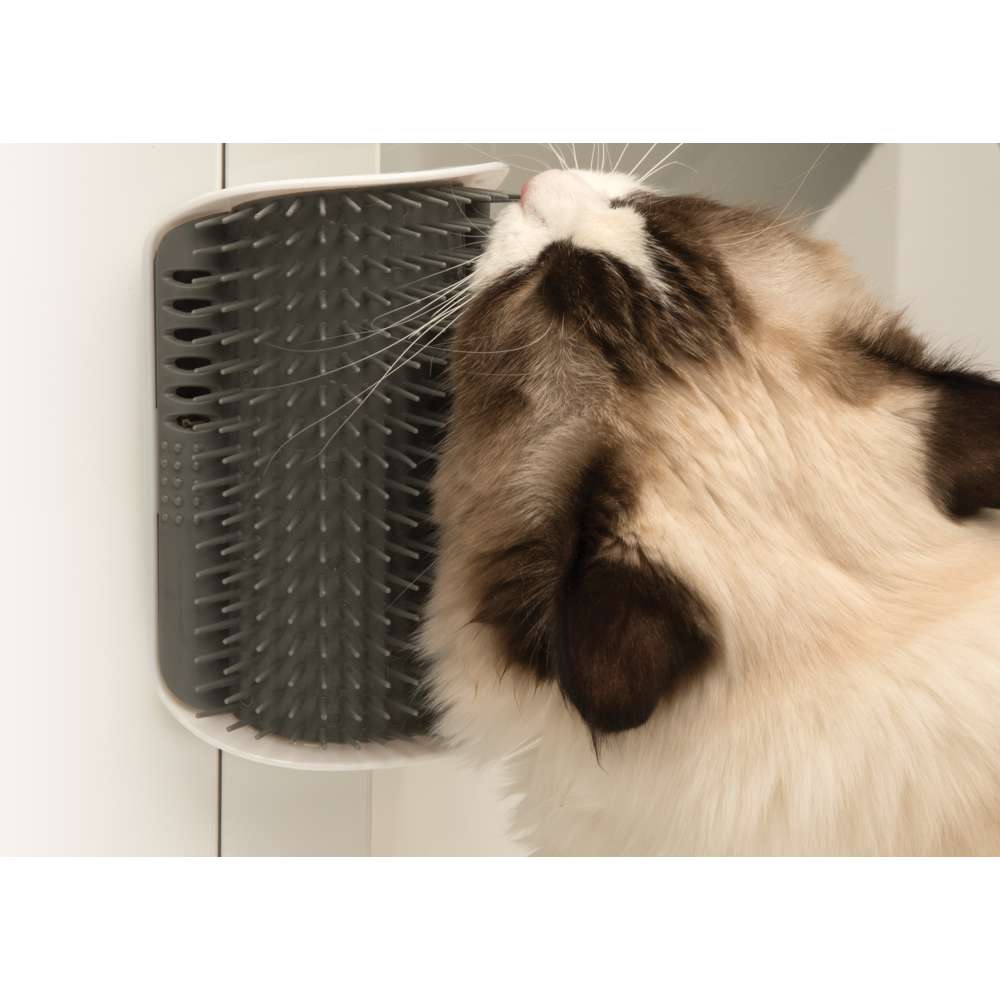
Wall-mounted cat groomers save floor space and can fit neatly into tight areas. These often use brushes or textured surfaces that your cat can rub against while moving along a hallway or near a favorite resting spot.
Mount it at your cat’s shoulder height for maximum comfort. A friend of mine installed one near the kitchen doorway, and her shy cat started using it daily just by passing through.
Would your cat enjoy a quick rub against the wall while exploring? Wall-mounted designs offer a low-commitment way to keep your cat groomed without a bulky setup.
Free-standing Models
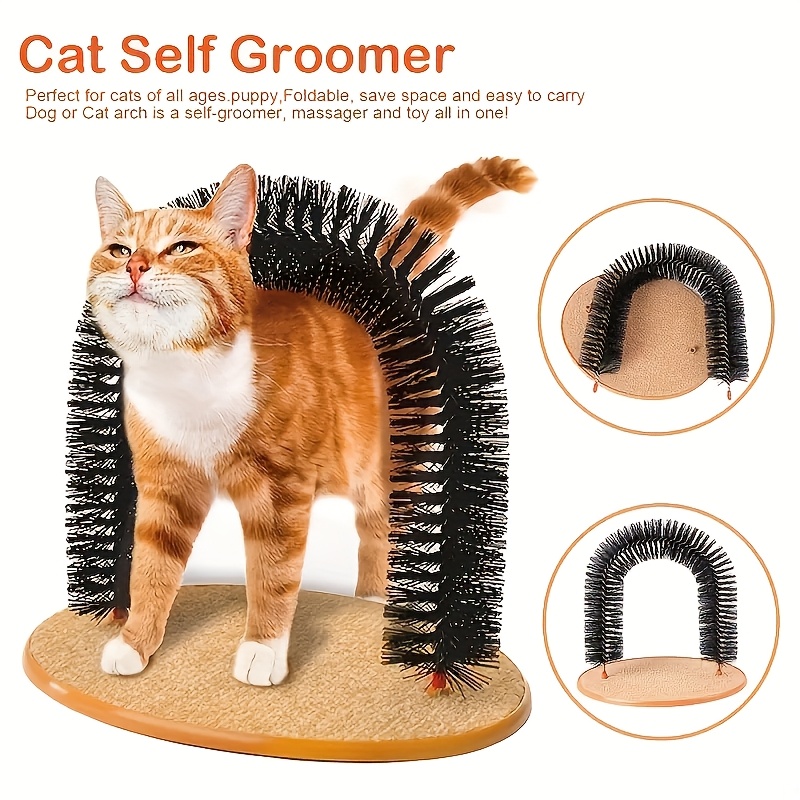
Free-standing self groomers provide more flexibility in placement and often come with multiple grooming surfaces. They can include brushes on several sides, letting your cat choose how and where to groom.
These models are great if your cat likes to roll around or lean heavily into the groomer. You can place them in living rooms or near windows, creating a fun and interactive grooming station.
Think about where your cat spends most of its time—placing a free-standing groomer there can turn grooming into a daily habit rather than a chore.
Incorporating Catnip
Adding catnip to your self groomer can boost your cat’s interest and encourage regular use. Catnip acts as a natural attractant, making the groomer more enticing without any extra effort.
You can stuff catnip inside fabric covers or add a small pouch near the brushes. Just be cautious if your cat is overly sensitive; too much catnip might overstimulate rather than relax.
Have you noticed your cat’s reaction to catnip toys? Use that knowledge to decide if adding catnip is the right move for your groomer design.
Step-by-step Construction
Building a cat self groomer is simple and fun. This project helps your cat clean itself while playing. Follow these clear steps to create a safe and effective grooming tool. Each part is easy to assemble with basic materials.
Preparing The Base
Choose a sturdy base to support the groomer. A wooden board or thick cardboard works well. Make sure it is large enough for your cat to stand on comfortably. Sand any rough edges to avoid splinters. Clean the surface to help brushes stick better. Mark spots where brushes will attach, spacing them evenly.
Attaching Brushes
Select soft brushes that are gentle on your cat’s fur. Toothbrushes or pet grooming brushes are good options. Use strong glue or small screws to fix brushes on the base. Position brushes so your cat can rub against them easily. Test brush firmness to avoid discomfort. Add extra brushes for larger cats or more coverage.
Securing The Structure
Check all parts are firmly attached before use. Use clamps or brackets to strengthen the base edges. Place non-slip pads under the base to keep it steady. Ensure no sharp parts stick out that could hurt your cat. Let glue dry completely to avoid any loose pieces. Your cat’s new self groomer is ready to use.
Placement Tips
Creating a cat self-groomer offers your pet a fun way to stay clean. The placement of the groomer is key to its success. Find the right spot, and your cat will enjoy it more. Below, discover tips for the perfect placement in your home.
Ideal Locations In Your Home
Place the groomer where your cat spends most of its time. Common areas include the living room or near their favorite window. Hallways or doorways work well too. These spots see frequent cat traffic. Ensure the location feels safe and comfortable for your cat.
Ensuring Stability
Stability is essential for a self-groomer. Secure it to a wall or sturdy furniture. A wobbly groomer may scare your cat away. Use adhesive strips or screws if needed. A firm base encourages more frequent use.
Encouraging Use
Encourage your cat to explore the groomer. Rub a bit of catnip on it to attract attention. Show your cat how it works with gentle guidance. Praise them when they use it. Repeat these steps until it becomes a habit.
Maintenance And Cleaning
Keeping your cat self groomer clean and well-maintained ensures it works well for a long time. Dirt, loose fur, and wear can reduce its effectiveness. Regular care helps your cat enjoy the grooming experience safely and comfortably.
Regular Brush Cleaning
Remove loose fur from the brush after each use. Use your fingers or a comb to pull out trapped hair. Wash the brush with mild soap and warm water once a week. Let it dry completely before putting it back. Clean brushes prevent dirt buildup and keep bristles soft for your cat.
Checking For Wear
Look closely at the brush bristles for signs of damage. Bent or broken bristles can hurt your cat’s skin. Check the frame and mounting parts for cracks or looseness. Test the stability to ensure it stays secure on the wall or corner. Early detection of wear keeps the groomer safe and useful.
Replacing Parts
Replace worn or damaged brush heads as needed. Choose brushes made for cats to avoid skin irritation. Swap out any broken mounting clips or adhesive strips. Use parts that fit well to keep the groomer stable. Regular replacement extends the life of your grooming tool.
Troubleshooting Common Issues
Building a cat self groomer can be rewarding, but sometimes your feline friend might not take to it immediately. Troubleshooting common issues helps ensure your cat enjoys and benefits from the groomer. Let’s look at some typical problems and how to fix them quickly.
Cat Avoidance
If your cat avoids the self groomer, start by placing it somewhere familiar and quiet. Cats dislike sudden changes, so let the groomer sit unused for a day or two so your cat can sniff and explore it without pressure.
Use treats or catnip to encourage curiosity. You might try gently brushing your cat near the groomer to show how it works. Have you noticed your cat prefers certain spots? Position the groomer in those areas to increase chances of use.
Brush Discomfort
Your cat may avoid the groomer because the brush feels too rough or poorly positioned. Check if the bristles are too stiff; softer brushes often work better for sensitive cats.
Adjust the angle and height of the brush so it matches your cat’s size and usual scratching spots. Watch your cat’s reactions closely—if they seem uncomfortable or frustrated, tweak the setup. Remember, comfort leads to frequent use.
Structural Problems
Sometimes the groomer’s structure causes issues like wobbling or unstable parts. A shaky groomer can scare your cat away or feel unsafe.
Ensure all parts are tightly secured and the base is sturdy enough to handle your cat’s movements. Using non-slip pads or adding weight to the base can improve stability significantly. Have you tested the groomer yourself? Try shaking it gently to spot any weak points before your cat tries it.

Credit: www.pond-planet.co.uk
Frequently Asked Questions
What Materials Are Needed For A Cat Self Groomer?
You need a sturdy brush, wooden or cardboard base, and non-toxic glue. Optional items include carpet pieces or sisal rope for texture. These materials create a safe, effective grooming tool for your cat at home.
How Do I Assemble A Diy Cat Self Groomer?
Attach the brush or carpet firmly to the base using glue. Ensure the surface is stable and secure. Place it in a spot your cat frequents to encourage regular self-grooming.
Can A Cat Self Groomer Reduce Shedding?
Yes, it helps remove loose fur efficiently. Regular use decreases shedding around your home. It also keeps your cat’s coat healthier and reduces hairballs.
Where Should I Place The Cat Self Groomer?
Place it near your cat’s favorite resting or rubbing spots. Common areas include corners or next to their bed. This encourages frequent use and helps your cat groom comfortably.
Conclusion
Creating a cat self-groomer helps keep your pet clean and happy. It saves time and reduces shedding around the house. Use soft brushes and safe materials for comfort. Watch your cat enjoy grooming itself anytime it wants. Small effort brings big benefits for you and your cat.
Try making one today and see the difference. Your cat will thank you with purrs and love. Simple, easy, and helpful—perfect for every cat owner.


Leave a Reply