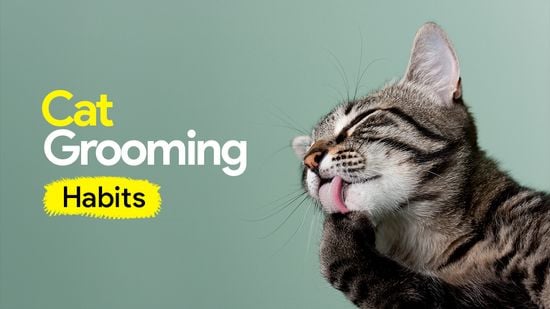
Have you ever watched your cat spend hours licking its fur and wondered, “How much time does a cat really spend self-grooming?” It’s more than just a cute habit—self-grooming plays a big role in your cat’s health and happiness. Understanding this behavior can help you care for your feline friend better and spot when something might be wrong.
Keep reading to discover surprising facts about your cat’s grooming routine and why it matters more than you think.
Daily Grooming Habits
Daily grooming is an essential part of a cat’s routine. It keeps their coat clean, helps regulate body temperature, and strengthens their bond with their environment. Understanding how much time your cat spends grooming can give you insight into their health and well-being.
Average Time Cats Spend Grooming
On average, cats spend about 30% to 50% of their waking hours grooming themselves. This can translate to roughly 2 to 4 hours a day, depending on the individual cat. Some cats may groom more frequently but for shorter periods, while others might have longer, less frequent grooming sessions.
Have you noticed how your cat suddenly stops playing or resting to start licking their fur? That’s their body’s way of staying clean and comfortable. This habit isn’t just about looks—it’s a vital part of their health routine.
Factors Influencing Grooming Duration
- Age:Younger cats and kittens often groom less efficiently but more frequently. Older cats might spend less time due to mobility issues.
- Health:Cats with skin conditions or parasites may groom more to soothe irritation. Conversely, illness or pain might reduce grooming.
- Coat Type:Long-haired cats usually take longer to groom than short-haired breeds. Their fur requires more attention to avoid mats and tangles.
- Environment:Indoor cats might groom differently compared to outdoor cats exposed to dirt and debris.
- Stress Levels:Cats under stress or anxiety can either groom excessively or neglect grooming altogether.
Have you ever wondered why your cat suddenly spends extra time licking their paws or tail? Changes in grooming habits can signal shifts in their environment or health. Paying attention to these details helps you spot issues early.
Purpose Of Grooming
Cats spend a lot of time grooming themselves. This behavior is not just about looking clean. Grooming serves many important purposes for cats. It helps keep them healthy, comfortable, and calm.
Maintaining Coat Health
Grooming removes dirt, dust, and loose fur from a cat’s coat. It prevents mats and tangles that can cause pain. The cat’s saliva spreads natural oils. These oils keep the fur soft and shiny. Clean fur also protects the skin from infections and parasites.
Temperature Regulation
Grooming helps cats stay cool in hot weather. When a cat licks its fur, saliva evaporates. This evaporation cools the body like sweat in humans. Grooming also removes excess fur during seasonal changes. This helps cats adjust to warmer or cooler temperatures.
Stress Relief And Comfort
Grooming acts as a calming ritual for cats. It reduces stress and anxiety by focusing their attention. Cats often groom themselves after a stressful event. This helps them feel safe and relaxed. Grooming can also relieve minor skin irritations or discomfort.
Grooming Variations By Breed
Cats spend a significant part of their day grooming themselves. The amount of time varies depending on their breed and coat type. Different breeds have unique grooming habits and needs. Understanding these differences helps in caring for your cat better.
Short-haired Vs Long-haired Cats
Short-haired cats groom less frequently than long-haired cats. Their smooth coats are easier to maintain. They spend about 20-30% of their day grooming.
Long-haired cats need more grooming time. Their fur can tangle and mat easily. These cats may spend up to 50% of their day grooming. Regular brushing helps reduce their grooming time.
Breed-specific Grooming Needs
Some breeds have special grooming habits. For example, the Persian cat has thick, long fur. It requires daily grooming to prevent mats.
The Siamese cat has a short coat and grooms quickly. They need less brushing and less grooming time.
Breeds like the Maine Coon have thick fur and dense undercoats. They spend more time grooming to keep their fur clean and free of knots.

Credit: www.latimes.com
Grooming And Cat Behavior
Cats spend a significant part of their day grooming themselves. This behavior is not just about cleanliness; it reveals a lot about their health and emotions. Understanding grooming habits helps you notice when something might be off with your feline friend.
Signs Of Over-grooming
Over-grooming can be a red flag. If your cat spends hours licking one spot, you might see bald patches or irritated skin. This often points to stress, allergies, or even pain.
Watch for:
- Excessive licking or chewing on fur
- Redness or sores on the skin
- Sudden changes in grooming patterns
If you notice these signs, it’s best to consult your vet. Ignoring over-grooming can lead to infections or worsen underlying issues.
Grooming As A Social Activity
Grooming isn’t just solo work for cats. They often groom each other to build bonds and show trust. This social grooming is a sign of a strong relationship between cats.
Have you seen your cat gently licking another’s head or neck? That’s a clear sign of friendship and comfort. It also helps reduce tension and keeps the group calm.
Encouraging positive social grooming can improve your cat’s overall well-being. Providing a calm environment and multiple grooming spots can help cats feel safe to interact.
Impact Of Age And Health
Age and health influence how much time a cat spends grooming itself. Older or sick cats may groom less often due to reduced energy or discomfort. Younger, healthy cats usually spend more time keeping their fur clean and tidy.
Cats are known for their meticulous grooming habits, spending several hours a day keeping themselves clean. However, age and health can significantly impact how much time a cat devotes to self-grooming. Understanding these changes can help you better care for your feline friend.Grooming Changes In Senior Cats
As cats age, their grooming habits often change. Senior cats may groom less frequently or less thoroughly due to reduced flexibility. This can result in matted fur or skin issues if not addressed. Older cats might also be less motivated to groom if they experience discomfort from arthritis or other age-related ailments. Observing your senior cat’s grooming behavior can provide insights into their overall health. You may need to assist them with grooming to ensure their coat remains healthy.Health Issues Affecting Grooming
Certain health conditions can affect a cat’s grooming routine. For instance, overweight cats might struggle to reach certain areas, leading to patchy grooming. Dental issues or pain can also deter a cat from grooming. If your cat suddenly stops grooming or shows a marked decrease in grooming, it might be a sign of a health problem. Regular vet check-ups are crucial to catch and address such issues early. Ensuring your cat’s health can help maintain their natural grooming habits. Are you observing changes in your cat’s grooming behavior? Keeping an eye on these habits can be a window into their well-being, allowing you to address any concerns promptly.
Credit: paw-swing.com
Tips To Support Your Cat’s Grooming
Supporting your cat’s grooming routine is essential for their health and happiness. While cats spend a significant part of their day cleaning themselves, your involvement can make a big difference. Helping your cat stay clean and comfortable prevents issues like matting, skin problems, and stress.
Regular Brushing Techniques
Brushing your cat regularly helps remove loose fur and reduces hairballs. Use a brush suited to your cat’s coat type—soft bristles for short hair and a comb or slicker brush for long hair.
Start brushing gently, especially if your cat isn’t used to it. Focus on areas where tangles form, like behind the ears and under the legs. Watching your cat’s reaction can tell you if you need to slow down or change your approach.
Try to brush at the same time daily or every other day. This builds a routine your cat will anticipate and enjoy. Have you noticed how your cat purrs or relaxes during grooming? That’s a good sign you’re doing it right.
When To Consult A Veterinarian
If your cat suddenly stops grooming or grooms excessively, it could signal health problems. Skin infections, allergies, or dental pain often change grooming habits. Pay attention to bald spots, redness, or wounds that your cat can’t reach to clean properly.
Consult your veterinarian if you see these signs or if your cat’s coat looks dull and dirty despite their efforts. A vet can check for underlying issues like parasites or hormonal imbalances. Don’t wait too long—early care can prevent serious complications.
Think about your cat’s grooming behavior as an early warning system. How closely do you observe these habits? Your attention can make a real difference in keeping your cat healthy and comfortable every day.

Credit: paw-swing.com
Frequently Asked Questions
How Long Do Cats Groom Themselves Daily?
Cats typically spend 30 to 50 percent of their waking hours grooming. This translates to about 2 to 5 hours per day. Grooming helps them stay clean, regulate body temperature, and reduce stress.
Why Do Cats Spend So Much Time Grooming?
Cats groom to remove dirt, loose fur, and parasites. It also helps distribute natural oils for a healthy coat. Grooming calms them and strengthens their bond with other cats.
Does Grooming Time Vary By Cat Age?
Yes, younger cats groom more actively than older cats. Senior cats may groom less due to health issues or mobility problems. Age affects grooming frequency and duration.
Can Excessive Grooming Indicate Health Problems?
Excessive grooming can signal allergies, skin infections, or stress. If a cat grooms more than usual, consult a vet. Prompt attention helps address underlying health issues.
Conclusion
Cats spend a good part of their day grooming themselves. This habit keeps their fur clean and healthy. Grooming also helps cats relax and feel safe. Understanding this behavior shows how much cats care about their well-being. Watching a cat groom can be calming and interesting.
It’s a small, natural act that means a lot. Remember, every cat’s grooming time may vary a bit. This simple routine is part of what makes cats unique pets.




Leave a Reply