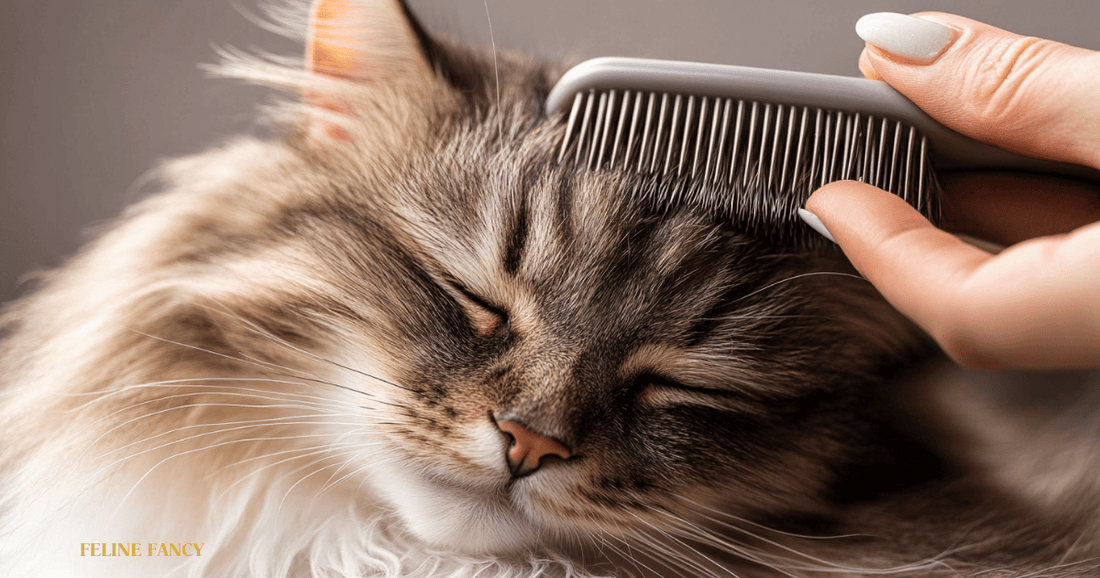
If your cat’s fur is tangled into tight, painful mats, you know how stressful and frustrating grooming can be. Matted fur isn’t just ugly—it can cause your cat discomfort and skin problems.
You might be wondering how to safely and effectively get rid of those stubborn mats without hurting your furry friend. This guide will walk you through simple, gentle steps to transform your cat’s coat back to soft and smooth. By the end, you’ll feel confident and ready to tackle even the toughest mats, helping your cat feel happy and comfortable again.
Keep reading to learn how to care for your matted cat the right way.
Signs Of Severe Matting
Recognizing the signs of severe matting in your cat’s fur is crucial before you start grooming. Matted fur isn’t just an aesthetic issue; it signals discomfort and potential health problems for your feline friend. Knowing what to look for helps you act early and avoid making the situation worse.
Common Causes
Severe matting usually develops from neglecting regular brushing, especially in long-haired cats. Cats with thick or curly coats are more prone to tangles that turn into mats if not gently detangled over time.
Other causes include:
- Poor grooming due to obesity or arthritis making self-cleaning difficult.
- Skin conditions that cause excessive shedding or flaky skin.
- Outdoor exposure to dirt, leaves, or sticky substances that cling to fur.
- Stress or illness that lowers grooming habits.
Have you noticed your cat hiding or grooming less? This might be a sign that mats have started to form unnoticed.
Health Risks
Mats can pull tightly on the skin, causing pain and restricting movement. This discomfort often leads to irritability or reluctance to be touched, which you might mistake for behavioral issues.
Severe matting can trap moisture, dirt, and parasites close to your cat’s skin. This environment encourages infections, hot spots, and even sores that can become serious if untreated.
Left unchecked, mats may cause:
- Skin inflammation and bleeding beneath the mats.
- Restricted blood flow in extreme cases.
- Increased risk of flea infestations hiding in dense fur.
Have you ever wondered if your cat’s sudden reluctance to play or jump is tied to painful mats? Addressing matting early prevents many avoidable health issues.
Credit: www.waggintailsgroomingny.com
Preparing For Grooming
Preparing for grooming an extremely matted cat requires patience and care. Cats with heavy mats need gentle handling to avoid stress or injury. Proper preparation makes the grooming process smoother and safer for both you and your cat.
Start by creating a peaceful setting. Gather all necessary tools before you begin. This helps avoid interruptions and keeps your cat calm throughout the session.
Gathering Tools
Collect tools designed for detangling and cutting mats safely. Prepare:
- A wide-tooth comb to loosen mats
- Mat splitter or dematting tool for stubborn knots
- Sharp scissors with rounded tips for trimming
- Soft brushes for finishing touches
- Styptic powder in case of accidental cuts
- Towels to wrap and hold your cat gently
Having everything ready saves time and reduces stress for your cat.
Creating A Calm Environment
Choose a quiet, warm room with few distractions. Soft lighting and minimal noise help keep your cat relaxed. Speak in a soothing voice and move slowly to avoid startling your cat.
Use a non-slip surface like a towel or mat on the table. This helps your cat feel secure. Take breaks often to pet and reassure your cat, building trust throughout grooming.
Step-by-step Grooming Process
Grooming an extremely matted cat requires patience and care. The process involves careful checking, gentle detangling, and sometimes clipping. Each step helps reduce discomfort for your cat and improves their coat health. Follow these steps to handle mats safely and effectively.
Assessing The Mats
Start by examining your cat’s coat closely. Look for areas with dense, tight mats or knots. Check sensitive places like behind ears and under legs. Notice the size and thickness of mats. This helps decide how much time and care you need. Be gentle to avoid hurting your cat.
Detangling Techniques
Use a wide-tooth comb or mat splitter to loosen mats. Work slowly from the edges toward the center. Hold the fur close to the skin to prevent pulling. Use small, gentle strokes to avoid pain. For very tight mats, apply a little detangling spray. Patience is key; take breaks if your cat feels stressed.
Using Clippers Safely
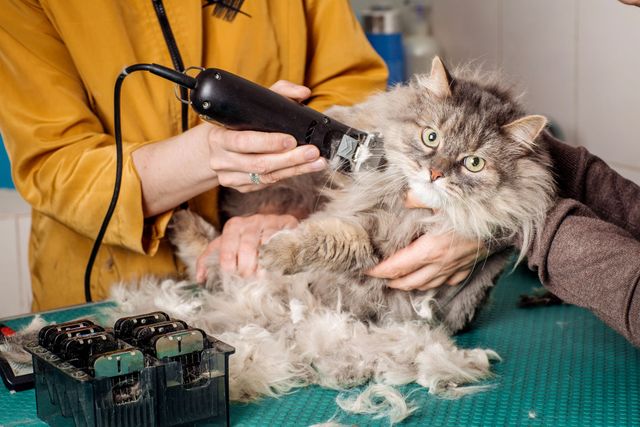
Sometimes mats are too tight and need clipping. Use clippers designed for pets with a sharp blade. Trim mats carefully, keeping the blade flat against the skin. Avoid cutting too close to prevent nicks or cuts. Move the clipper slowly and check your cat’s comfort often. If unsure, seek professional grooming help.
Credit: rockykanaka.com
Handling Difficult Cats
Handling a cat with extreme matting can test your patience and skills. These cats often resist grooming, making the task feel overwhelming. Understanding how to handle their stress and knowing when to ask for help can make a huge difference in the grooming experience for both of you.
Managing Stress
Stress can make a matted cat more aggressive or fearful. To reduce this, create a calm environment by speaking softly and moving slowly. You might try wrapping your cat gently in a towel to keep them secure without hurting them.
Break the grooming into short sessions. Even five minutes at a time can help your cat get used to the process. Offering treats or gentle petting afterwards can build positive associations with grooming.
Have you noticed your cat’s body language during grooming? Signs like flattened ears, growling, or wide eyes mean you should pause. Giving your cat time to relax before continuing can prevent injury and build trust.
When To Seek Help
Sometimes, the matting is too severe or your cat’s stress too high for safe grooming at home. If your cat is biting, scratching, or hiding constantly, it’s time to call a professional groomer or veterinarian. They have the tools and experience to handle difficult cats safely.
Don’t wait until matting causes skin infections or pain. Early intervention can save your cat discomfort and avoid costly treatments. Professionals can also advise you on how to maintain your cat’s coat to prevent future mats.
Remember, asking for help is a sign of responsible pet care, not failure. Your cat’s well-being is the priority, and experts are there to support you and your furry friend.
Preventing Future Matting
Regular brushing helps keep your cat’s fur smooth and tangle-free. Trim mats gently before they worsen. Use a wide-tooth comb to prevent new mats from forming.
Preventing matting in your cat’s fur is essential for their comfort and health. Mats can pull at the skin, causing discomfort or even pain for your feline friend. By taking proactive steps, you can ensure your cat’s coat stays sleek and healthy.Regular Brushing Tips
Brushing your cat regularly is the cornerstone of preventing future matting. Aim for at least a few times a week, depending on your cat’s fur length. Use a brush that suits your cat’s fur type—slicker brushes work well for long-haired breeds, while rubber brushes are great for short hair. Make brushing a positive experience. Create a routine where your cat associates brushing with affection and treats. Start with short sessions and gradually increase the time as your cat becomes more comfortable. Look for any signs of discomfort. If your cat reacts negatively, check for underlying issues like skin irritation. Address these before continuing with regular grooming.Diet And Health Factors
Your cat’s diet plays a significant role in the condition of their coat. Ensure they’re getting high-quality food rich in essential fatty acids. A healthy diet supports skin health and a shiny, tangle-free coat. Regular vet check-ups are crucial. Health issues like obesity or skin conditions can contribute to matting. Consult your vet if you notice changes in your cat’s fur or skin condition. Hydration is often overlooked but vital. Encourage your cat to drink plenty of water to maintain skin elasticity and fur quality. Consider using a cat water fountain to entice them to drink more. Is your cat prone to matting despite your efforts? It might be time to reassess their grooming routine or consult a professional groomer for additional tips.
Credit: freshlybailey.com
Professional Grooming Options
Severe matting in cats often needs help from professionals. Groomers have the right tools and skills to safely remove mats. Professional grooming can reduce stress and pain for your cat. It also helps keep their coat healthy afterward. Choosing the right groomer and knowing what to expect makes the process easier.
Choosing A Groomer
Pick a groomer with experience in handling matted cats. Check reviews and ask for recommendations from your vet or friends. Visit the salon to see how they treat animals. Look for a clean and calm environment. Make sure they use gentle methods and proper equipment. Confirm they can handle your cat’s size and breed. Ask about their safety procedures during grooming.
What To Expect
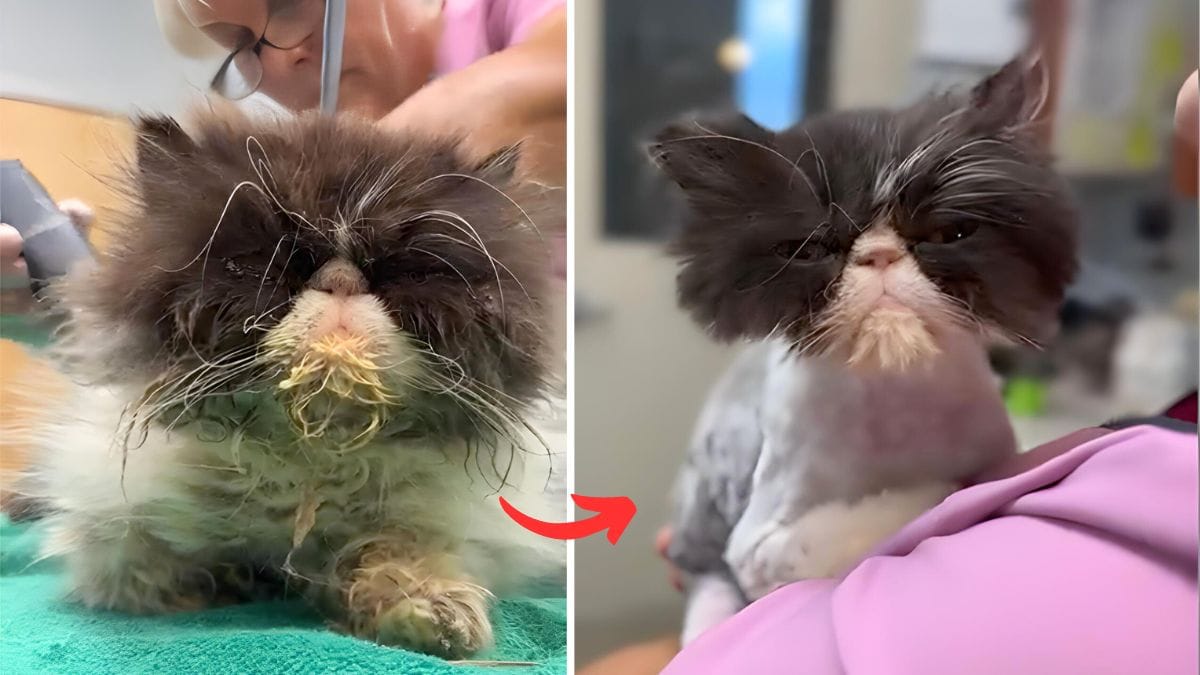
The groomer will first assess your cat’s mats. They decide whether shaving or careful cutting is best. Shaving may be needed for very tight mats. The process can take time and might need breaks. Your cat may feel anxious, so patience is key. After mats are removed, the groomer will clean and brush the coat. Some groomers offer nail trimming and ear cleaning too. Expect a follow-up plan to keep your cat’s coat mat-free.
Frequently Asked Questions
How Do I Safely Detangle An Extremely Matted Cat?
Start by gently separating mats with your fingers. Use a wide-tooth comb to loosen tangles. Work slowly to avoid hurting your cat. If mats are too tight, consider professional grooming for safety and comfort.
What Tools Are Best For Grooming A Matted Cat?
Use a slicker brush, wide-tooth comb, and dematting tool. These tools help remove mats without pulling the fur. Avoid scissors unless you are experienced, as they can cut the skin.
How Often Should I Groom A Cat With Mats?
Groom your matted cat daily or every other day. Regular grooming prevents new mats and keeps fur healthy. Consistency is key to avoiding painful tangles and skin issues.
Can I Bathe My Cat Before Grooming Mats?
Yes, bathing softens the fur, making mats easier to remove. Use a gentle, cat-safe shampoo. Dry your cat thoroughly before starting the grooming process to avoid discomfort.
Conclusion
Grooming a very matted cat takes time and patience. Use gentle tools and be calm throughout. Cutting mats carefully helps avoid hurting your cat. Regular brushing stops mats from coming back. Always watch your cat’s comfort and mood. If mats are too bad, ask a vet for help.
Keeping fur smooth makes your cat happier and healthier. Small steps lead to big results in grooming. Your care shows your love and keeps your cat safe.

Leave a Reply