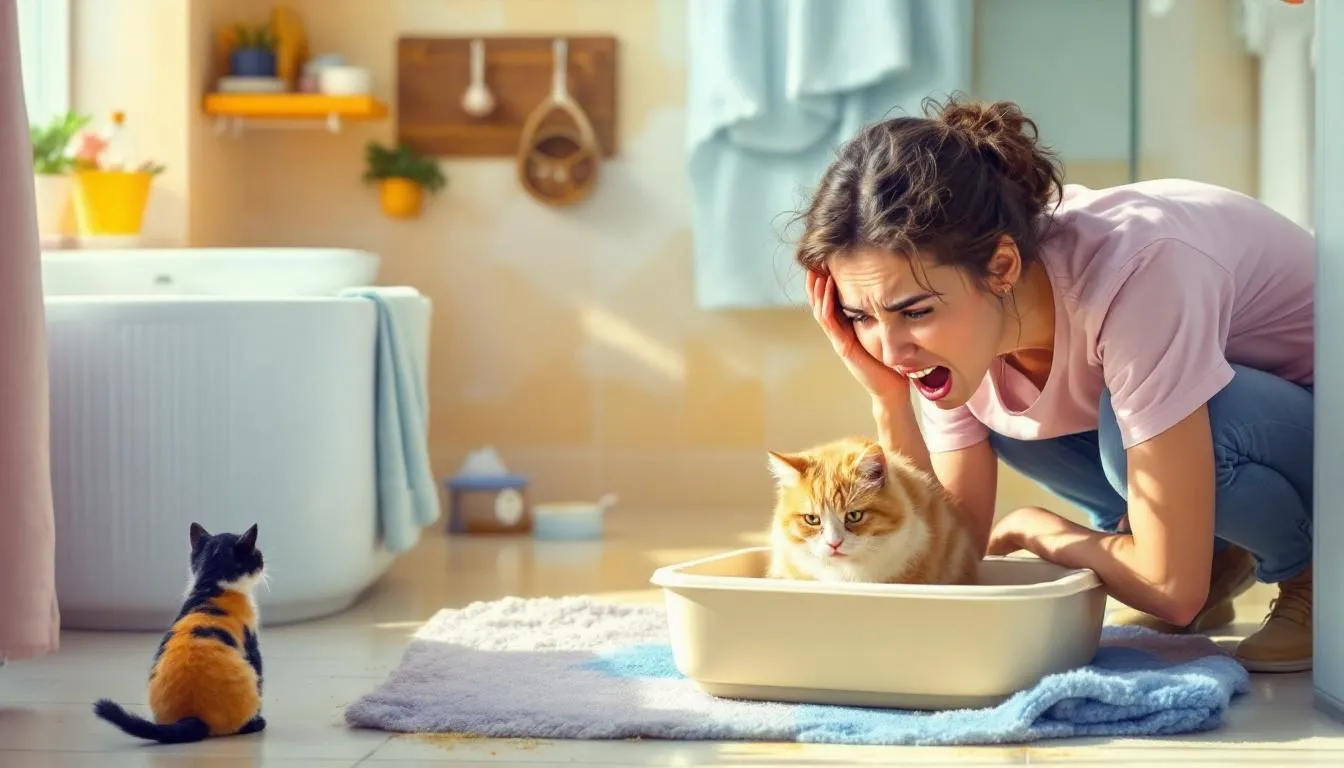
Have you ever walked into a room and been hit by the sharp, unpleasant smell of cat pee? That strong, stinging scent comes from ammonia, a chemical that can affect your health more than you might think.
Breathing in this ammonia isn’t just uncomfortable—it can actually cause real problems for your lungs and overall well-being. If you’ve ever wondered what happens to your body when you inhale that smell, you’re about to find out. Keep reading to learn how cat pee ammonia can impact your health and what you can do to protect yourself.

Credit: beginagaindecon.com
Sources Of Cat Pee Ammonia
Understanding where cat pee ammonia comes from helps you grasp why breathing it in can affect your health. Ammonia isn’t just a random chemical—it’s a natural byproduct created under specific conditions. Knowing these sources can guide you in reducing exposure and protecting your well-being.
How Ammonia Forms In Cat Urine
Cat urine contains urea, a waste product that breaks down over time. When bacteria start feeding on urea, they convert it into ammonia. This process speeds up if the urine sits on surfaces without proper cleaning.
The older the urine, the stronger the ammonia smell becomes. This is why a fresh accident might not smell as bad, but a neglected spot quickly turns into a health hazard. Have you ever noticed how an old litter box can make a room unbearable? That’s ammonia building up.
Common Exposure Scenarios
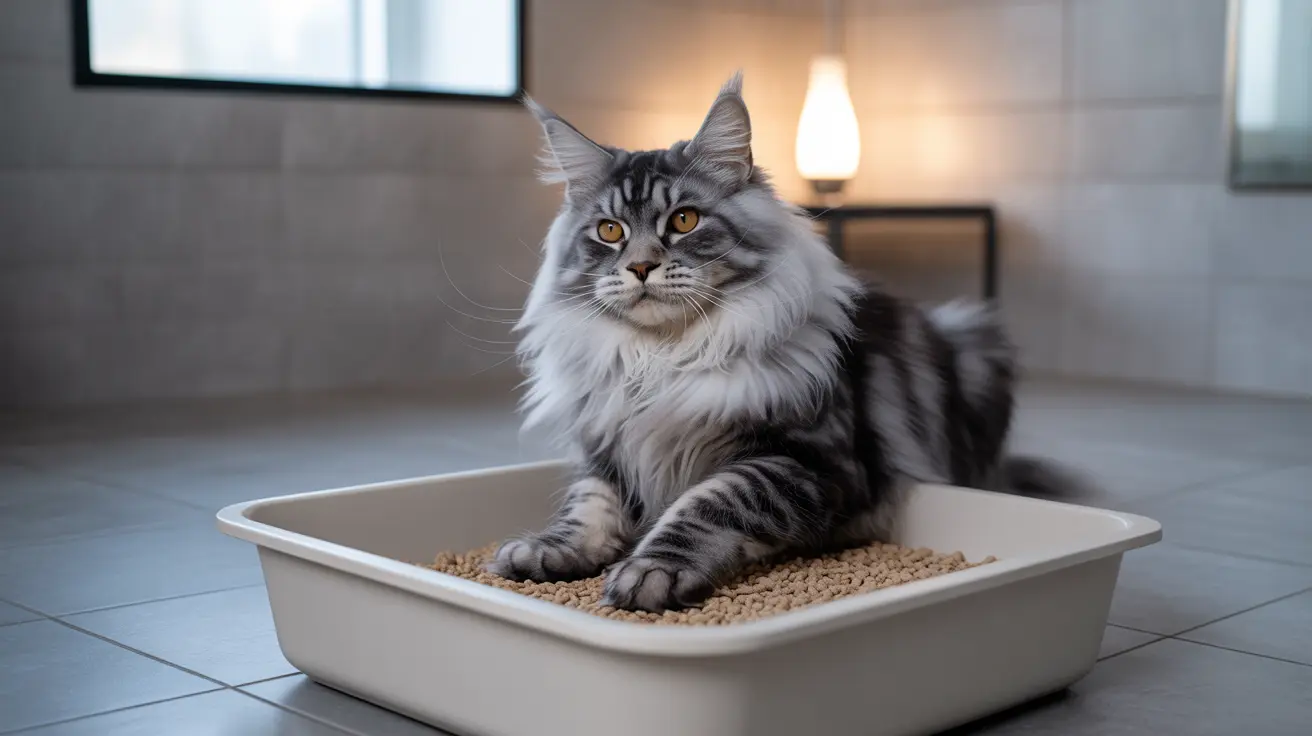
- Dirty Litter Boxes:The most obvious source, especially if not cleaned daily. Ammonia from accumulated urine fumes can fill small spaces fast.
- Accidents on Carpets or Upholstery:These spots can trap urine, allowing bacteria to produce ammonia over days or weeks.
- Unventilated Rooms:Poor airflow means ammonia vapors linger longer, increasing your risk of inhaling harmful fumes.
- Multiple Cats in One Household:More cats mean more urine and a higher chance of ammonia buildup if cleaning isn’t frequent.
Think about your own living space. Is your cat’s litter box in a small, closed room? How often do you clean it? These factors make a big difference in your ammonia exposure and health risk.
Credit: www.petscare.com
Chemical Properties Of Ammonia
Ammonia is a colorless gas with a sharp, pungent smell that you might recognize from cleaning products or, unfortunately, from cat urine. Chemically, it’s made up of nitrogen and hydrogen atoms (NH3). This simple molecule behaves as a base and can dissolve easily in water, forming ammonium hydroxide, which is highly irritating to tissues.
Understanding ammonia’s chemical nature helps explain why breathing in cat pee fumes can impact your health. The ammonia concentration in cat urine results from the breakdown of urea by bacteria, releasing this volatile compound into the air. This can create a harsh environment for your lungs and eyes.
Ammonia’s Impact On Respiratory System
When you breathe in ammonia vapors, it quickly irritates your respiratory tract. The gas reacts with the moisture lining your nose, throat, and lungs, causing a burning sensation and inflammation.
Short exposure might cause coughing, wheezing, or a sore throat. But if you’re around high levels for longer periods, your airways can swell, making it harder to breathe. Some people with asthma or other lung issues may experience severe reactions.
Have you noticed how even a small whiff of cat pee can make your eyes water or your nose burn? That’s ammonia at work, and it’s a clear sign your body is reacting to a harmful chemical.
Toxicity Levels And Safety Limits
Not all ammonia exposure is equally dangerous. The key lies in the concentration and duration. Low levels, like those you might experience briefly around cat urine, usually cause irritation but are less likely to cause lasting damage.
| Ammonia Concentration (ppm) | Effect on Health |
|---|---|
| 1 – 5 ppm | Noticeable odor, minor irritation |
| 25 ppm | Eye and respiratory tract irritation |
| 50 ppm (OSHA PEL) | Permissible exposure limit for 8 hours |
| >300 ppm | Severe irritation, possible respiratory damage |
Workplace safety guidelines set limits to protect people from harmful effects. But in your home, ammonia levels from cat pee can spike if litter boxes aren’t cleaned regularly. This raises the question: How often do you check your cat’s litter box to keep ammonia levels safe?
Simple actions like improving ventilation or cleaning more frequently can reduce ammonia buildup. Staying aware of these chemical properties helps you protect your health and keep your living space safer for both you and your pets.
Short-term Health Effects
Breathing in ammonia from cat urine can cause immediate discomfort. This chemical is strong and irritating. Short-term exposure can affect sensitive areas of the body quickly. These effects usually appear soon after inhaling the fumes.
Irritation Of Eyes, Nose, And Throat
Ammonia vapors irritate the eyes, making them red and watery. The nose may feel itchy and runny. The throat can become sore or scratchy. These symptoms happen because ammonia damages the sensitive lining inside these areas. Even brief exposure can cause this irritation.
Coughing And Breathing Difficulties
Inhaling ammonia can trigger coughing fits. The lungs react to the strong fumes by trying to clear them out. Breathing may become hard or feel tight. People with asthma or lung problems can experience worse symptoms. Short exposure still causes discomfort and can make breathing uneasy.
Long-term Health Risks
Breathing in cat pee ammonia over time can cause serious health problems. The chemical irritates your airways and lungs. Continuous exposure may lead to lasting damage. Understanding the long-term risks helps protect your health.
Chronic Respiratory Conditions
Inhaling ammonia from cat urine can trigger ongoing breathing issues. It often causes inflammation in the nose and throat. This irritation may develop into chronic bronchitis or asthma. People with sensitive lungs may suffer more. Symptoms include coughing, wheezing, and shortness of breath. Persistent exposure worsens these conditions over time.
Potential For Lung Damage
Ammonia is a strong irritant to lung tissue. Long-term breathing can harm delicate lung cells. This damage reduces lung function and makes breathing harder. In severe cases, it may lead to permanent scarring or fibrosis. Lung damage increases the risk of infections and other diseases. Avoiding ammonia exposure is key to lung health.
Vulnerable Groups
Breathing in cat pee ammonia can impact anyone’s health. But some groups are more vulnerable. These groups face higher risks and need special attention. Protecting them is crucial for overall well-being.
Children And Infants
Children and infants are more sensitive to ammonia fumes. Their lungs and immune systems are still developing. Exposure can lead to respiratory problems. Symptoms include coughing, wheezing, or throat irritation. Long-term exposure might affect their growth and development. It’s vital to keep their environments clean and ammonia-free.
People With Asthma Or Allergies
People with asthma or allergies are at high risk. Ammonia can trigger asthma attacks or worsen allergy symptoms. Breathing issues may become more frequent or severe. Maintaining good indoor air quality helps reduce these risks. Regular cleaning and ventilation are essential for these individuals. Keeping cat litter areas clean minimizes ammonia exposure.
Preventive Measures
Breathing in ammonia from cat urine can cause irritation and health issues, but you can take clear steps to reduce exposure. Preventive measures are essential, especially if you spend a lot of time around your cat’s litter box. Simple habits can protect your lungs and keep your home smelling fresh.
Proper Litter Box Maintenance
Keeping the litter box clean is the first defense against ammonia buildup. Scoop waste at least once a day to prevent the smell from becoming overwhelming.
Change the litter completely on a regular schedule—usually once a week. Some litters are better at controlling odor, so try clumping or activated charcoal varieties.
Place multiple litter boxes if you have more than one cat. This reduces the concentration of ammonia in one spot and lowers health risks for you and your pets.
Ventilation And Cleaning Tips
Good airflow reduces ammonia levels in your home. Open windows or use fans near the litter area to keep fresh air moving.
Wipe down the litter box with mild soap and water during each complete litter change. Avoid harsh chemicals that could react with ammonia and create stronger fumes.
Think about where you position the litter box. Avoid small, enclosed spaces that trap odors. A well-ventilated corner can make a big difference.
When To Seek Medical Help
Breathing in cat pee ammonia can cause health issues. Knowing when to seek medical help is important. Some symptoms may require urgent care. Early diagnosis can prevent complications. Understanding these signs helps protect your health.
Symptoms Requiring Attention
- Persistent coughing or wheezing
- Difficulty breathing or shortness of breath
- Chest pain or tightness
- Severe headache or dizziness
- Eye irritation that worsens
- Nausea or vomiting
- Confusion or fainting
Any of these symptoms after ammonia exposure need medical evaluation. Do not ignore worsening conditions.
Testing And Diagnosis
Doctors may perform lung function tests to check breathing. Blood tests can detect chemical exposure effects. Chest X-rays help identify lung inflammation or damage. Allergy testing may find sensitivity to ammonia. Early tests guide the right treatment plan.
Alternatives To Reduce Ammonia Exposure
Reducing exposure to ammonia from cat urine helps protect your lungs and eyes. Ventilate rooms well and clean litter boxes frequently to lower ammonia levels. Using air purifiers and wearing masks can also reduce health risks from ammonia fumes.
Breathing in cat pee ammonia is more than just an unpleasant experience; it can pose significant health risks. Long-term exposure can lead to respiratory issues and other health problems. Fortunately, there are effective alternatives to reduce ammonia exposure in your home. By making small changes, you can create a healthier environment for both you and your feline friend.Using Low-ammonia Cat Litters
Switching to low-ammonia cat litters can dramatically decrease the amount of ammonia in your home. Not all cat litters are created equal, and some are specifically designed to minimize ammonia buildup. Look for brands that advertise low dust and high absorption rates. If you’ve ever walked into your home and been greeted by a pungent odor, you know the impact a good cat litter can have. Brands made from natural materials like pine or recycled paper tend to produce less ammonia. Consider experimenting with different types until you find one that keeps the air fresher.Natural Air Purifiers
Natural air purifiers are a great way to combat ammonia odors. Plants like snake plants and peace lilies can help filter out toxins from the air. These plants not only improve air quality but also add a touch of nature to your home. Activated charcoal is another effective option. It absorbs odors and chemicals, making it a popular choice for households with pets. Place a few bowls of activated charcoal around your home, especially near the litter box area, to help keep the air clean. Have you tried opening windows to let in fresh air? It’s one of the simplest ways to dilute indoor pollutants. Regular ventilation can significantly reduce indoor ammonia levels, making your home a more pleasant place to live. By implementing these strategies, you can protect your health while ensuring your home remains a comfortable sanctuary. What other changes can you make today to improve your indoor air quality?
Credit: www.whiskas.com.ph
Frequently Asked Questions
What Happens When You Breathe Cat Pee Ammonia?
Breathing cat pee ammonia irritates your respiratory tract. It can cause coughing, throat pain, and difficulty breathing. Prolonged exposure may lead to lung inflammation and worsen asthma symptoms. Avoiding strong ammonia fumes is important for respiratory health.
Is Inhaling Cat Urine Ammonia Harmful?
Yes, inhaling cat urine ammonia is harmful. Ammonia is a strong irritant affecting eyes, nose, and lungs. High levels can cause respiratory distress and increase risk of infections. Ventilate areas with cat urine to reduce ammonia buildup and health risks.
How Does Cat Pee Ammonia Affect Asthma?
Cat pee ammonia can trigger asthma attacks by irritating airways. It causes bronchial constriction and inflammation, leading to wheezing and shortness of breath. Asthma sufferers should avoid exposure to ammonia fumes from cat urine to prevent flare-ups.
Can Ammonia From Cat Pee Cause Long-term Health Issues?
Long-term exposure to ammonia from cat pee may damage lung tissue. It can cause chronic respiratory problems like bronchitis or worsen existing conditions. Proper cleaning and ventilation reduce ammonia buildup and protect long-term respiratory health.
Conclusion
Breathing in cat pee ammonia can harm your lungs and eyes. It may cause coughing, wheezing, or shortness of breath. People with asthma or allergies feel worse faster. Avoid places with strong ammonia smells to stay safe. Always clean litter boxes regularly and ventilate rooms well.
Small steps protect your health and keep your home fresh. Stay aware and take action to reduce exposure. Your body will thank you for it.




Leave a Reply