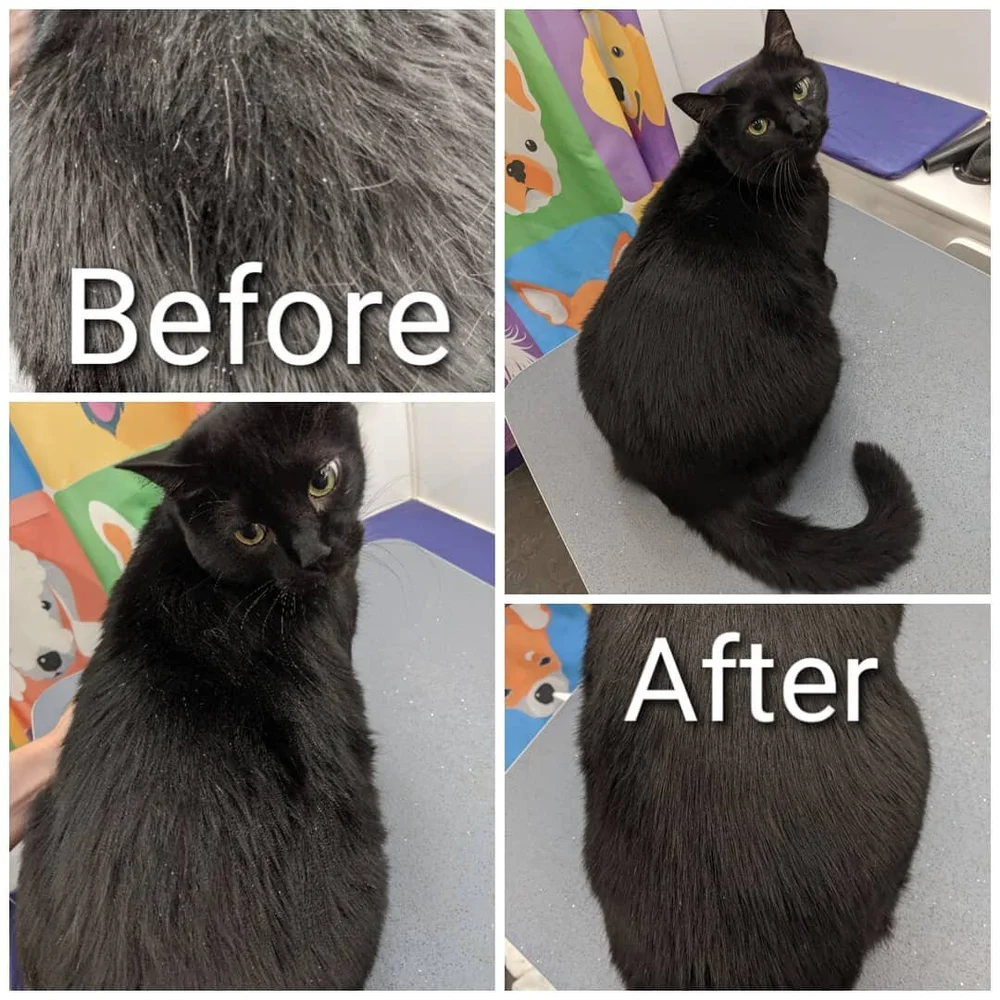
Have you ever noticed your cat acting differently when they’re not feeling well? You might wonder, “Do dying cats groom themselves?” It’s a question that touches your heart because grooming is such a normal, daily habit for cats.
When your furry friend stops cleaning themselves, it can be a sign that something serious is wrong. Understanding this change can help you know what your cat needs and how to care for them in their most vulnerable moments. Keep reading to learn what to watch for and how to support your cat when they’re struggling.
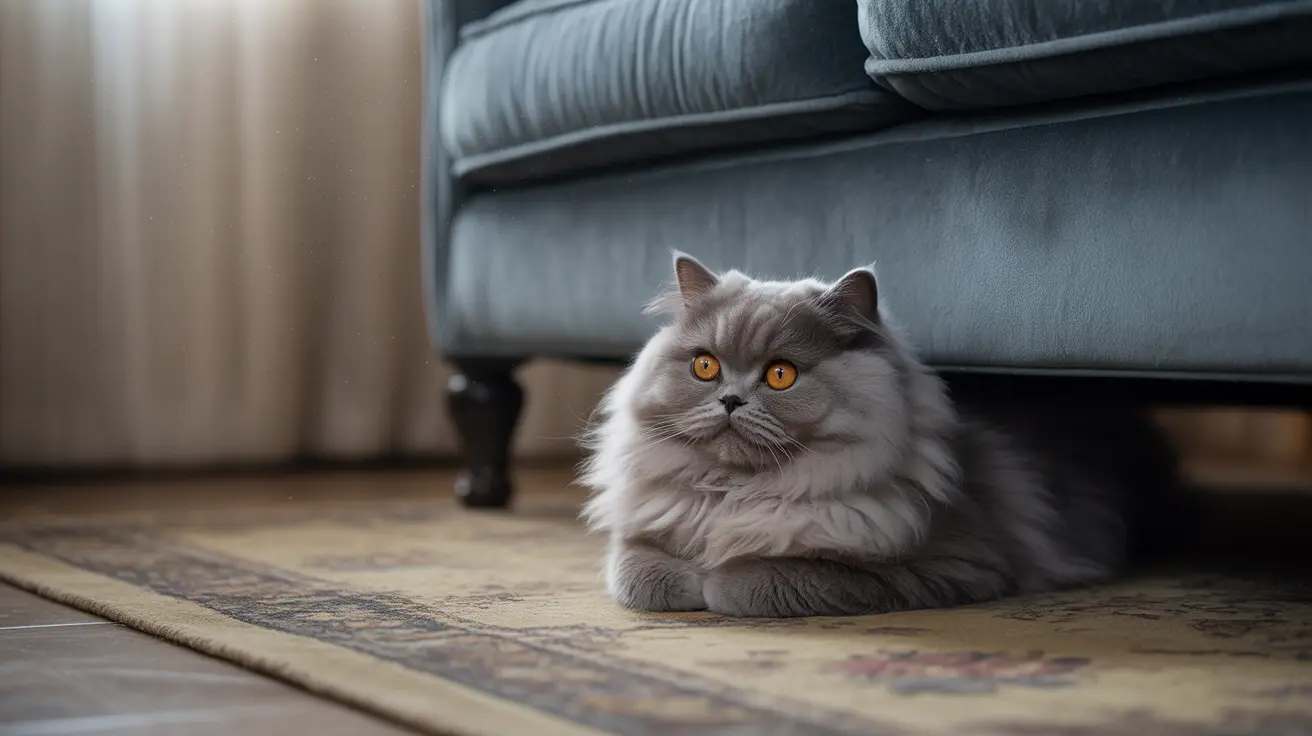
Credit: www.petscare.com
Cat Grooming Basics
Understanding how cats groom themselves gives you a clearer picture of their overall behavior and well-being. Grooming is more than just keeping clean; it’s a vital part of a cat’s daily routine that influences their health and comfort. Let’s break down the basics of cat grooming to see why it matters so much.
Why Cats Groom
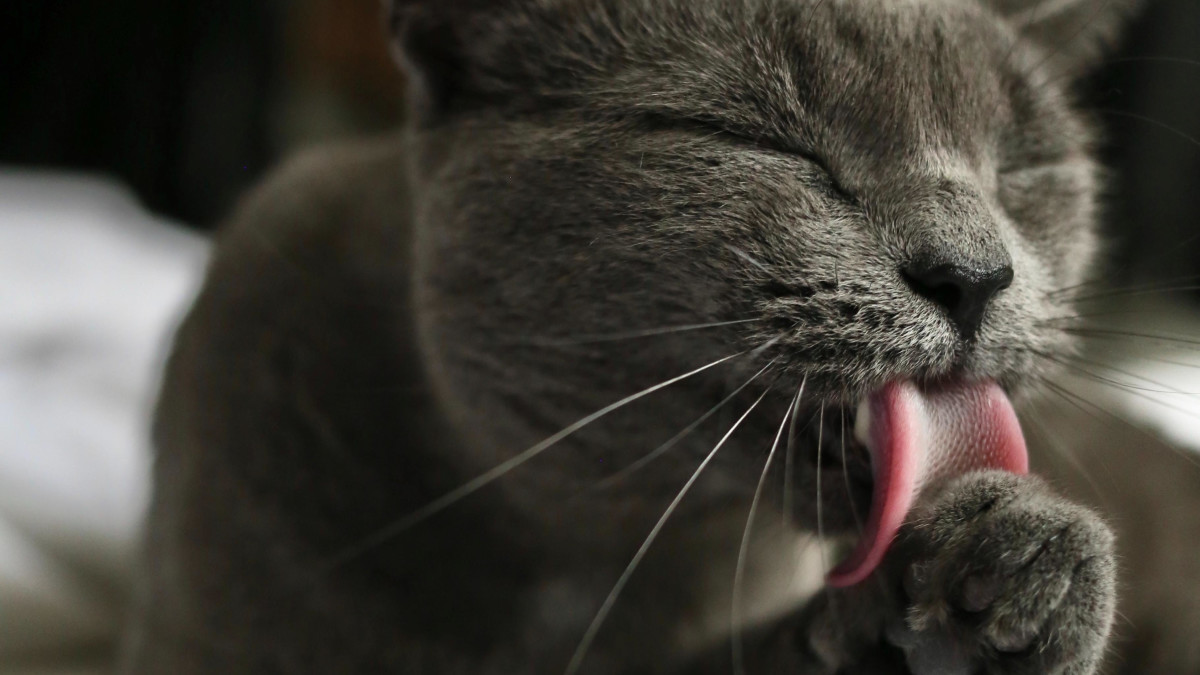
Cats groom to remove dirt, loose fur, and parasites. This self-cleaning helps them stay comfortable and avoid skin problems. You might notice your cat licking its fur repeatedly—this action spreads natural oils, keeping their coat shiny and waterproof.
Grooming also plays a role in calming your cat. If you’ve ever seen a stressed cat clean itself intensely, you’ve witnessed a natural way for them to reduce anxiety. Have you noticed how your cat’s grooming habits change when they are sick or stressed? That change can tell you a lot about their health.
How Grooming Affects Cat Health
Regular grooming supports a cat’s skin and fur health by preventing matting and infections. When a cat stops grooming, it can signal underlying health issues such as pain, dental problems, or even serious illnesses. If your cat’s coat looks dull or matted, it might be time to check with a vet.
Grooming also helps regulate body temperature. Cats shed excess fur to stay cool during warmer months. If your cat struggles to groom itself properly, it might face overheating or skin irritation. Are you paying attention to how often your cat grooms and the condition of their coat? This simple observation can be a valuable health check.
Changes In Grooming Habits
Cats usually spend a lot of time grooming themselves. This habit keeps their fur clean and healthy. When a cat is dying or very sick, their grooming habits often change. These changes can signal that something is wrong.
Grooming decline is one of the first signs that a cat may be struggling. A cat that stops cleaning itself may develop matted or dirty fur. This change is important for pet owners to notice.
Signs Of Grooming Decline
- Fur looks greasy or dull
- Presence of mats or clumps of hair
- Unpleasant odor from the coat
- Dirty or crusty areas, especially around the eyes and mouth
- Excessive shedding or bald patches
These signs often indicate that a cat is too weak or in pain to groom. They can also point to other health issues. Observing these signs early helps provide better care.
Factors Influencing Grooming In Sick Cats
- Pain or discomfort making movement difficult
- Fatigue or weakness reducing energy
- Decreased appetite leading to less hydration
- Mental confusion or stress affecting behavior
- Illnesses that cause skin problems or fur loss
These factors often work together to reduce grooming activity. Understanding them helps owners recognize when a cat needs help. Offering gentle assistance can improve the cat’s comfort and hygiene.
Grooming Behavior In Dying Cats
Cats are known for their fastidious grooming habits. They spend hours cleaning their fur and maintaining their appearance. As cats near the end of life, their grooming behavior may change significantly. Understanding these changes can help pet owners provide better care and comfort during this sensitive time.
Physical Limitations Near End Of Life
Physical weakness often prevents dying cats from grooming themselves. Joint pain or muscle loss can make it hard to reach certain areas. Cats may stop cleaning their hind legs, belly, or tail.
Fatigue also reduces grooming activity. The cat may rest more and move less. This leads to a dull or matted coat. Owners might notice dirt or debris accumulating on the fur.
Emotional And Psychological Impact
Stress and discomfort can affect a cat’s desire to groom. Some cats lose interest in self-care due to illness or pain. They may feel confused or anxious as their health declines.
Reduced grooming can signal emotional distress. It shows the cat’s struggle to cope with changes. Offering gentle petting and care can provide comfort and reassurance.
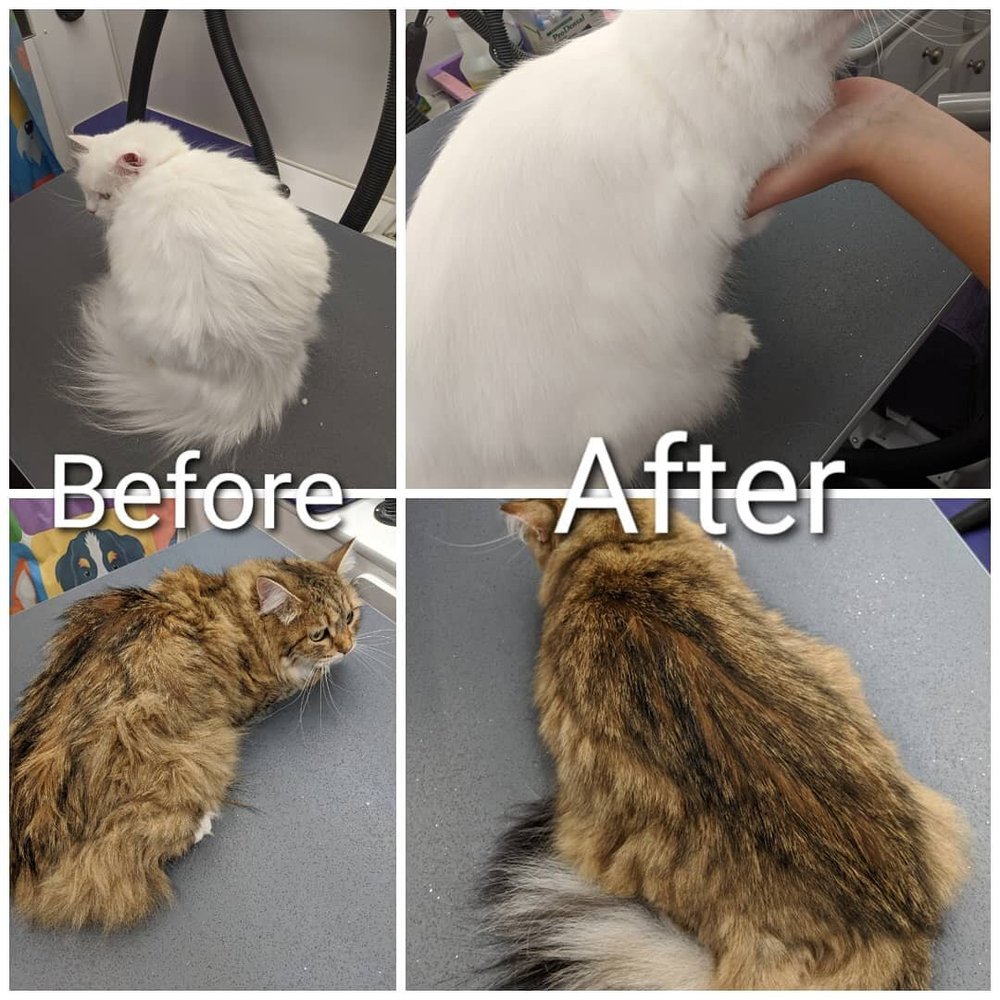
Credit: www.squeakycleangrooming.com
When Grooming Stops
When a cat stops grooming, it often signals more than just laziness or a bad mood. Grooming is a vital part of a cat’s daily routine, keeping their coat clean and skin healthy. If you notice your cat suddenly neglecting this habit, it’s time to pay close attention.
What Lack Of Grooming Indicates
A cat that stops grooming may be struggling with physical pain or illness. Issues like arthritis can make it hard for them to reach certain parts of their body. Sometimes, dental problems or infections cause discomfort that distracts them from their usual grooming behavior.
Stress and anxiety can also lead to grooming changes. Cats under emotional distress might either groom excessively or not at all. Have you observed any recent changes in your cat’s environment that could be affecting their mood?
Spotting Health Emergencies
No grooming might be an early warning sign of serious health problems. Conditions such as kidney disease, hyperthyroidism, or even cancer can reduce a cat’s energy and interest in self-care. If your cat’s fur looks matted, dirty, or greasy, it’s essential to act fast.
Look for other symptoms that often accompany grooming neglect:
- Loss of appetite
- Weight loss
- Difficulty moving
- Changes in behavior or alertness
If you notice these signs alongside lack of grooming, don’t wait to consult your vet. Your cat’s health may depend on early detection and treatment.
Supporting Cats In Final Days
Dying cats often stop grooming themselves as their energy fades. This change signals their need for extra care and gentle support during their final days.
Supporting a beloved cat during their final days can be emotional. Understanding their needs ensures they feel loved and comfortable. Cats may stop grooming themselves when they are ill. Owners can assist in maintaining their hygiene and comfort during this time.Helping With Grooming
Cats often groom themselves meticulously. When they’re unable to, they need help. Use a soft brush to gently groom their fur. This prevents matting and keeps their coat healthy. Regular grooming helps reduce shedding and discomfort. Pay attention to sensitive areas like the belly and underarms. Ensure you are gentle to avoid causing pain.Maintaining Comfort And Hygiene
Keeping a cat clean is vital for their comfort. Wipe their fur with a damp cloth if they struggle with self-cleaning. Focus on areas around the eyes, mouth, and bottom. Ensure their litter box is clean and accessible. Soft bedding provides comfort and warmth. Wash bedding regularly to maintain hygiene. Create a quiet, peaceful environment for them to rest.
Credit: nationalcatgroomers.com
Common Myths About Dying Cats
Many pet owners wonder about the behavior of cats as they approach the end of their lives. One topic that sparks a lot of curiosity is whether dying cats continue to groom themselves. This question is wrapped in several myths that can confuse how you understand and care for your pet during this sensitive time.
Debunking Grooming Misconceptions
A common myth suggests that dying cats always stop grooming themselves entirely. While it’s true that some cats may reduce grooming due to weakness or illness, many still attempt to clean their fur. Grooming is a natural comfort behavior for cats, and even when feeling unwell, they may try to maintain it.
Another misconception is that a lack of grooming means your cat has given up or is in severe pain. This isn’t always the case. Sometimes, physical limitations like arthritis or injury make grooming difficult, not a lack of will. Have you noticed your cat trying but struggling to reach certain areas? This could be a sign to help with gentle brushing or cleaning.
Truths About Cat Behavior Near Death
When cats are near death, their behavior changes in many ways beyond grooming habits. Some become more withdrawn or seek quiet places, while others may still engage with their environment in subtle ways. It’s important to observe your cat carefully to understand what their behavior communicates.
Many cats still show signs of affection and may respond to your voice or touch. This contradicts the belief that they become completely unresponsive. If your cat stops grooming but still responds to you, it means they need your support and care more than ever.
Knowing these truths can help you provide comfort and dignity to your cat during their final days. How can you adjust your care routine to match these changing needs? Watching for subtle signals can make a big difference in your pet’s quality of life.
Frequently Asked Questions
Do Dying Cats Stop Grooming Themselves?
Yes, dying cats often stop grooming due to weakness and discomfort. Lack of grooming can indicate declining health or pain.
Why Do Some Cats Groom Less When Ill?
Ill cats groom less because illness drains energy and causes pain. Grooming requires effort, so sick cats conserve energy.
Can Grooming Behavior Show A Cat’s Health Status?
Yes, changes in grooming can signal health problems. Excessive or reduced grooming may indicate stress, illness, or aging.
How To Help A Cat That Stops Grooming?
Assist by gently cleaning your cat and keeping their fur tidy. Consult a vet if grooming stops suddenly or lasts long.
Conclusion
Cats usually keep grooming, even when very sick. Grooming helps them feel calm and clean. But if a cat stops grooming, it can mean pain or weakness. Watch your cat’s habits closely for any changes. Gentle care and vet visits matter a lot.
Understanding this helps you support your cat better. Every cat shows different signs when unwell. Stay patient and kind during these times. Your love makes a big difference in their comfort.

Leave a Reply