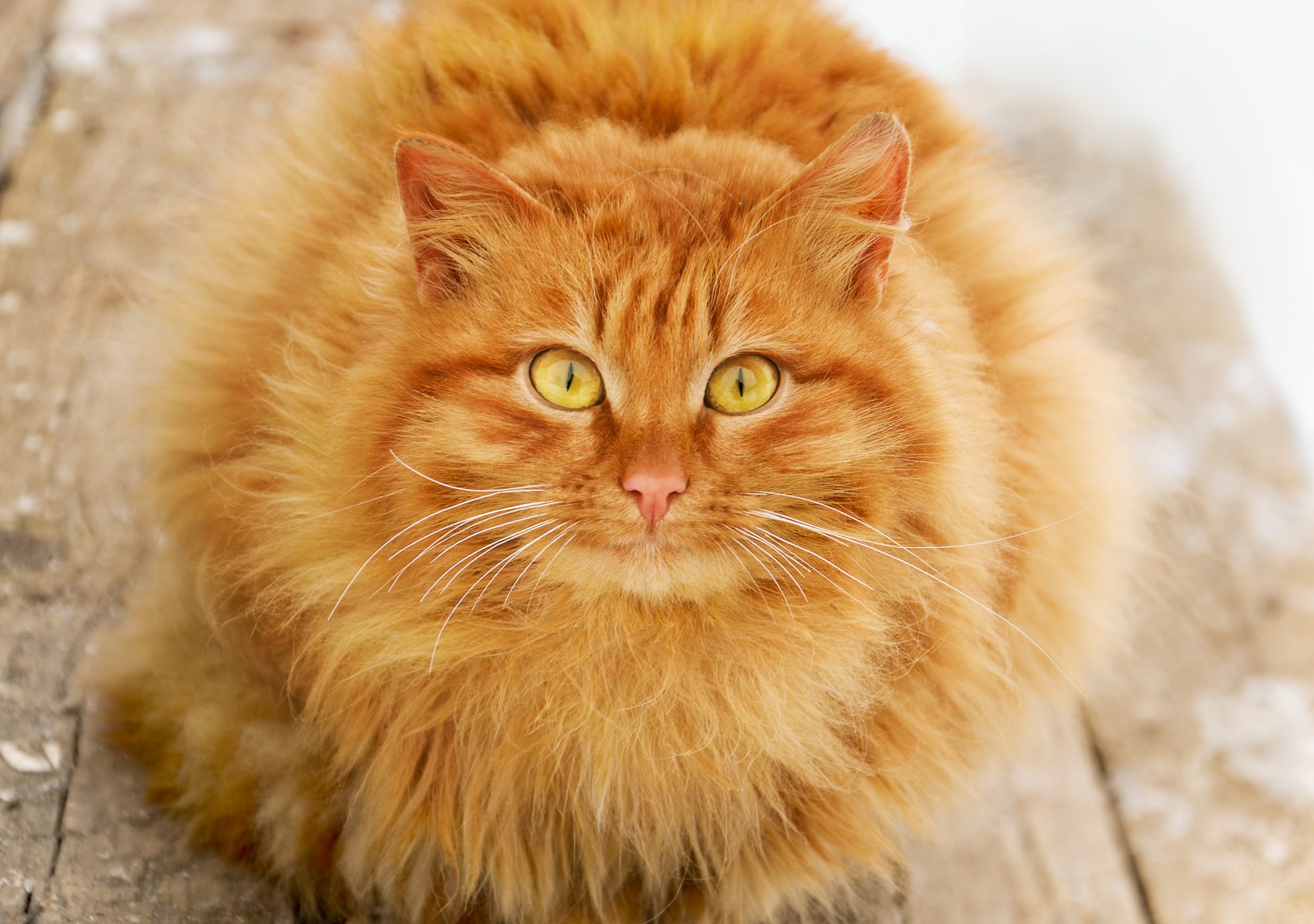
Have you noticed your cat licking or biting its fur more than usual? Over grooming can be more than just a quirky habit—it might be a sign that something is wrong.
Understanding what causes your cat to over groom is key to keeping your furry friend happy and healthy. You’ll discover the common reasons behind this behavior and what you can do to help your cat feel comfortable again. Keep reading to learn how to spot the signs and find solutions that work.
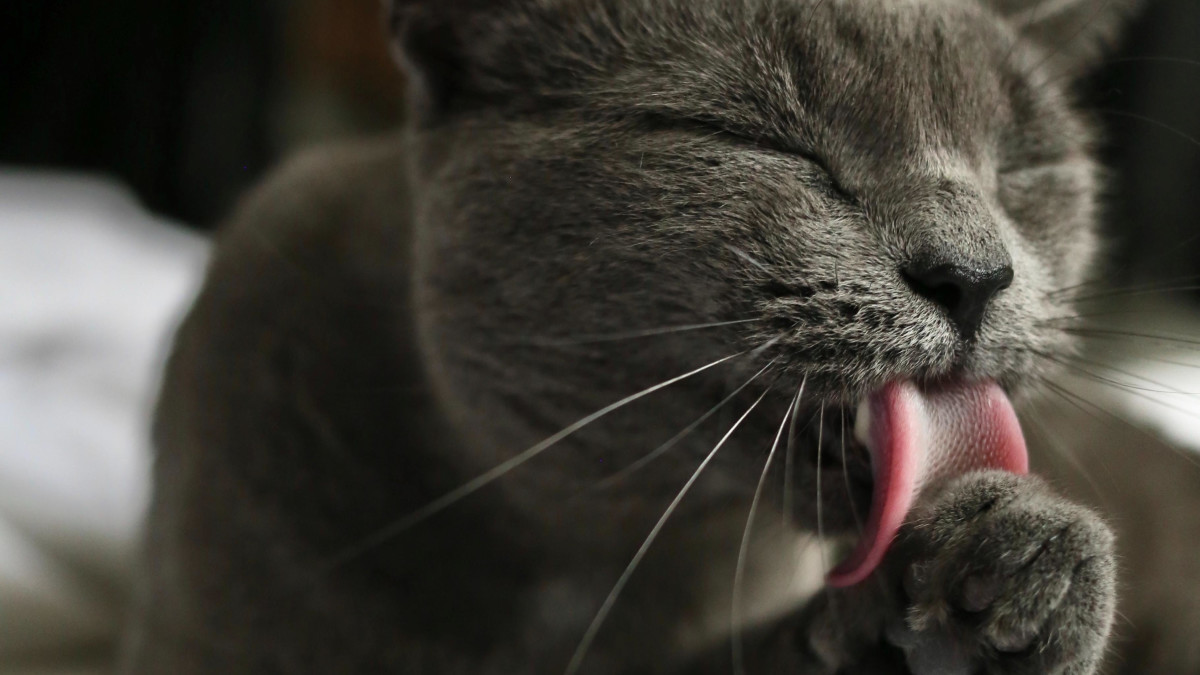
Credit: pethelpful.com
Reasons Behind Cat Over Grooming
Over grooming in cats is a behavior that can signal various underlying issues. Cats usually groom to stay clean, but excessive grooming can indicate discomfort or stress. Understanding the reasons behind this habit helps in addressing the cause effectively.
Allergies And Skin Irritations
Allergies often cause itchiness and redness on a cat’s skin. Food allergies, pollen, or dust mites may trigger this reaction. Cats lick or bite irritated spots to relieve the discomfort. Skin irritations like rashes or dryness also lead to over grooming.
Stress And Anxiety Triggers
Cats feel stress from changes in their environment or routine. Moving to a new home or loud noises can cause anxiety. Over grooming acts as a coping mechanism to reduce tension. This behavior might appear as constant licking or chewing on fur.
Parasites And Infections
Fleas, ticks, and mites cause intense itching and irritation. These parasites make cats scratch and groom excessively. Bacterial or fungal infections can worsen the problem. Over grooming helps cats try to soothe the affected areas.
Pain And Discomfort
Pain from injuries or arthritis may cause a cat to lick certain spots more. This action can be an attempt to ease soreness or inflammation. Sometimes, internal problems like bladder issues also lead to over grooming. The behavior focuses on the area causing pain.
Boredom And Lack Of Stimulation
Indoor cats without enough playtime or interaction may get bored. Over grooming becomes a way to pass time and self-soothe. Lack of mental or physical activity increases this repetitive behavior. Providing toys and attention can reduce over grooming caused by boredom.

Credit: www.purina.com
Signs Of Over Grooming In Cats
Over grooming in cats can signal more than just a clean feline. It often points to underlying issues that need your attention. Recognizing the signs early helps you act before your cat’s skin and fur suffer serious damage.
Bald Patches And Hair Loss
One of the clearest signs of over grooming is bald patches where fur is missing. These spots often appear suddenly and can spread quickly if the behavior continues. You might notice uneven fur or areas that look thinner than usual.
If your cat is pulling out clumps of fur or has shiny, bare skin in certain spots, this is a red flag. Check places like the belly, legs, and neck, as these are common areas affected by excessive licking and biting.
Redness And Sores
Over grooming can irritate your cat’s skin, causing redness and even open sores. These wounds might look raw or inflamed, and your cat may seem uncomfortable or in pain. You might also spot scabs or crusty areas where the skin is healing.
Have you noticed your cat licking or biting the same spot repeatedly? This behavior often leads to sore patches that worsen if untreated. Keep an eye out for signs of infection, such as swelling or discharge, which require prompt veterinary care.
Behavioral Changes
When cats over groom, their behavior can change noticeably. Your usually calm cat might become restless, anxious, or irritable. Sometimes, over grooming is a response to stress or boredom, so look for shifts in activity levels or temperament.
Do you see your cat obsessively licking or biting themselves during quiet moments? This repetitive action can be a coping mechanism for anxiety. Understanding these changes helps you address both the physical and emotional needs of your pet.
How To Diagnose Over Grooming Causes
Understanding what causes your cat to over groom is the first step in helping them feel better. Diagnosing the root cause requires careful observation and professional input to avoid missteps. You need to look beyond the surface to find whether the issue is medical, environmental, or behavioral.
Veterinary Examination
The vet will start with a thorough physical checkup to spot any visible signs of injury or infection. This exam helps rule out common issues like fleas, wounds, or skin infections that might be causing discomfort. Don’t underestimate the value of this step — it often uncovers problems that you might miss at home.
Skin Tests And Allergy Screening
If the vet suspects allergies, they may suggest skin tests or blood work to identify triggers. Allergies can be caused by food, pollen, dust mites, or even cleaning products you use at home. Knowing exactly what your cat is allergic to allows you to make changes that reduce their urge to over groom.
Behavioral Assessment
Sometimes, the cause is not physical but emotional. Stress, boredom, or anxiety can drive a cat to lick or bite themselves excessively. Observing your cat’s environment and daily routine can reveal stressors like new pets, loud noises, or lack of stimulation. Have you noticed if your cat over grooms more when you’re away or after a change in the household?
Effective Solutions For Over Grooming
Over grooming in cats can be a distressing issue, both for you and your furry friend. Finding effective solutions requires understanding the root causes and addressing them directly. You can help your cat feel comfortable and reduce excessive grooming by taking targeted actions that fit their specific needs.
Treating Allergies And Parasites
One of the most common triggers for over grooming is allergies or parasites like fleas. If your cat is scratching and licking constantly, it’s important to check for fleas, ticks, or skin irritations. Regular flea treatments and allergy-friendly diets can make a significant difference.
Have you noticed if your cat’s over grooming worsens during certain seasons? This could point to environmental allergies. Consulting your vet for allergy testing and appropriate treatments can relieve your cat’s discomfort.
Reducing Stress And Anxiety
Stress often leads cats to over groom as a coping mechanism. Changes in their environment, new pets, or loud noises can trigger anxiety. Try creating a calm space where your cat feels safe and secure.
Simple changes like maintaining a consistent routine and giving extra attention can ease their nerves. Have you tried pheromone diffusers or calming sprays? Many cat owners find these helpful in reducing stress-related grooming behaviors.
Providing Environmental Enrichment
Boredom can cause a cat to groom excessively. Providing toys, scratching posts, and interactive playtime keeps your cat mentally and physically engaged. This reduces the chance they will turn to over grooming out of boredom.
Think about your cat’s daily activities. Are they getting enough stimulation? Adding puzzle feeders or rotating toys can keep their interest fresh and divert their attention from excessive licking.
Medications And Therapies
In some cases, your vet may recommend medications to control itching or anxiety. Antihistamines, steroids, or anti-anxiety drugs can be effective when used properly. Always follow your vet’s guidance to avoid side effects.
Behavioral therapies or working with a pet behaviorist can also help address underlying emotional issues. Have you considered professional help if your cat’s over grooming continues despite other efforts? It might be the key to long-term relief.
Preventing Future Over Grooming
Stress and allergies often cause cats to over groom, leading to skin irritation. Providing a calm environment and regular vet checks can help prevent this behavior. Monitoring your cat’s health and comfort reduces the risk of future over grooming.
Preventing Future Over Grooming Over grooming in cats can be a puzzling challenge, but there are effective strategies to mitigate this behavior. Addressing the underlying causes is crucial, but preventing future occurrences is equally important. By focusing on regular health checks, interactive play, and vigilant observation, you can help your feline companion lead a more comfortable life.Regular Vet Checkups
Routine visits to the veterinarian can catch health issues before they escalate. Conditions like allergies or skin infections might be the culprits behind your cat’s excessive grooming. A vet can provide tailored advice and treatments, ensuring your cat stays healthy and happy.Consistent Playtime And Interaction
Cats thrive on interaction and mental stimulation. Engaging your cat in regular play sessions can reduce stress and anxiety, common triggers for over grooming. Use toys that mimic prey to keep their hunting instincts sharp and satisfy their need for activity.Monitoring Cat’s Behavior
Keeping a close eye on your cat’s habits can offer valuable insights. Is there a specific time or situation that triggers the grooming? By identifying patterns, you can make adjustments in their environment or routine to minimize stressors. Have you noticed any changes in your cat’s grooming habits lately? Observing and understanding these nuances can be the key to preventing future issues.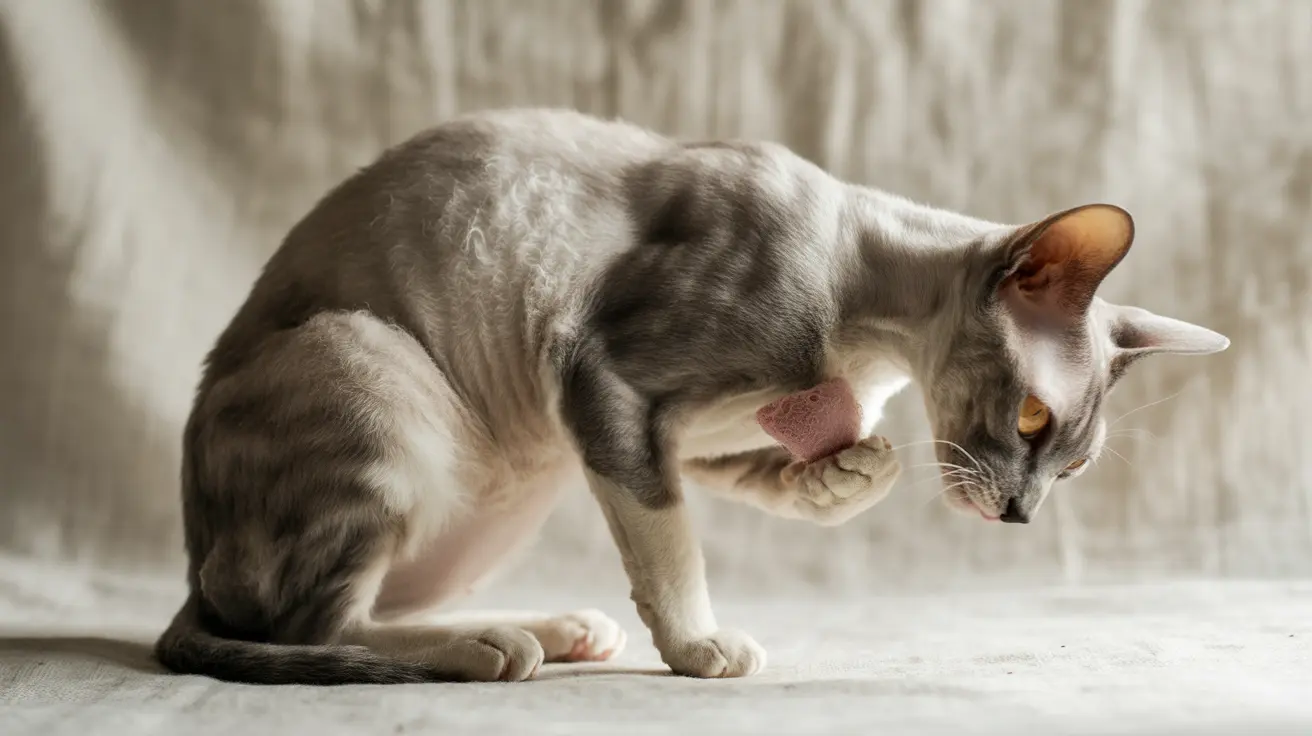
Credit: www.petscare.com
Frequently Asked Questions
What Are Common Reasons Cats Over Groom?
Cats over groom due to stress, allergies, parasites, or pain. Anxiety can trigger excessive licking. Skin infections and fleas also cause over grooming.
How Does Stress Cause Cat Over Grooming?
Stress leads cats to lick themselves for comfort. Changes in environment or routine increase anxiety. This results in obsessive grooming habits.
Can Allergies Make Cats Over Groom?
Yes, allergies cause itching and irritation. Cats lick to relieve discomfort. Food, pollen, or flea allergies often trigger this behavior.
How Do Parasites Influence Cat Over Grooming?
Parasites like fleas cause intense itching. Cats groom excessively to remove parasites. This can lead to hair loss and skin damage.
Conclusion
Cats overgroom for many reasons, from stress to health problems. Pay close attention to your cat’s behavior. Early action can prevent serious issues. Keep your pet comfortable and calm. Regular vet visits help spot causes early. Understanding these signs protects your cat’s well-being.
Every cat deserves care and love. Watch, learn, and support your furry friend.




Leave a Reply