Do you ever wonder what kind of toys your cat really loves? Choosing the right toys can make a huge difference in keeping your furry friend happy and active.
But with so many options out there, it’s easy to feel overwhelmed. What if you could discover exactly what excites your cat and keeps them entertained for hours? You’ll find simple and effective tips to pick toys that match your cat’s unique personality and play style.
Get ready to see your cat’s eyes light up with joy every time you bring out a new favorite toy!
Popular Cat Toy Types
Cats enjoy toys that spark their natural hunting and playing instincts. Different types of toys offer various ways to keep cats active and happy. Toys that move, make noise, or have interesting textures often catch their attention. Choosing the right toy can help reduce boredom and encourage exercise.
Interactive Toys
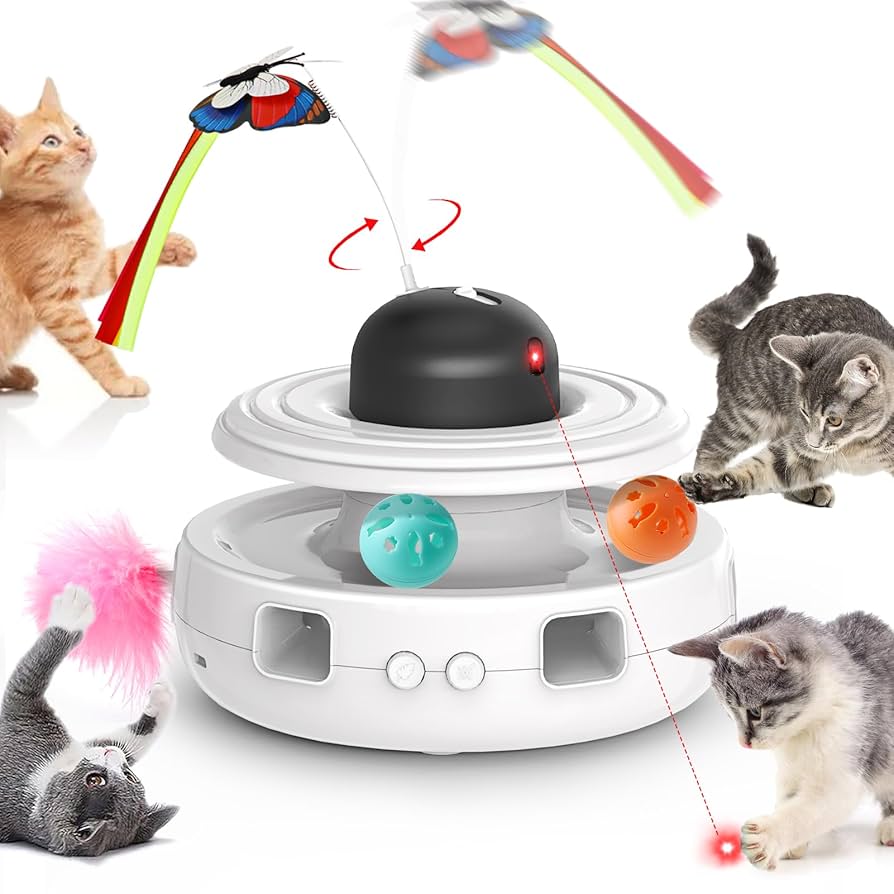
Interactive toys engage cats by moving or reacting to their actions. These toys include balls, motorized mice, and robotic toys. They stimulate a cat’s curiosity and hunting skills. Playing with interactive toys also strengthens the bond between cat and owner.
Catnip Toys
Catnip toys contain a herb that many cats find irresistible. The scent excites cats and encourages playful behavior. Common catnip toys are small stuffed animals or balls. These toys can help reduce stress and provide mental stimulation.
Puzzle Feeders
Puzzle feeders make cats work for their food or treats. These toys challenge a cat’s mind and slow down eating. Puzzle feeders come in many shapes and sizes to suit different cats. They are great for mental exercise and preventing overeating.
Laser Pointers
Laser pointers create a small, fast-moving light for cats to chase. Cats enjoy stalking and pouncing on the red dot. Laser play gives cats a good workout indoors. Always avoid shining the laser directly into a cat’s eyes.
Feather Wands
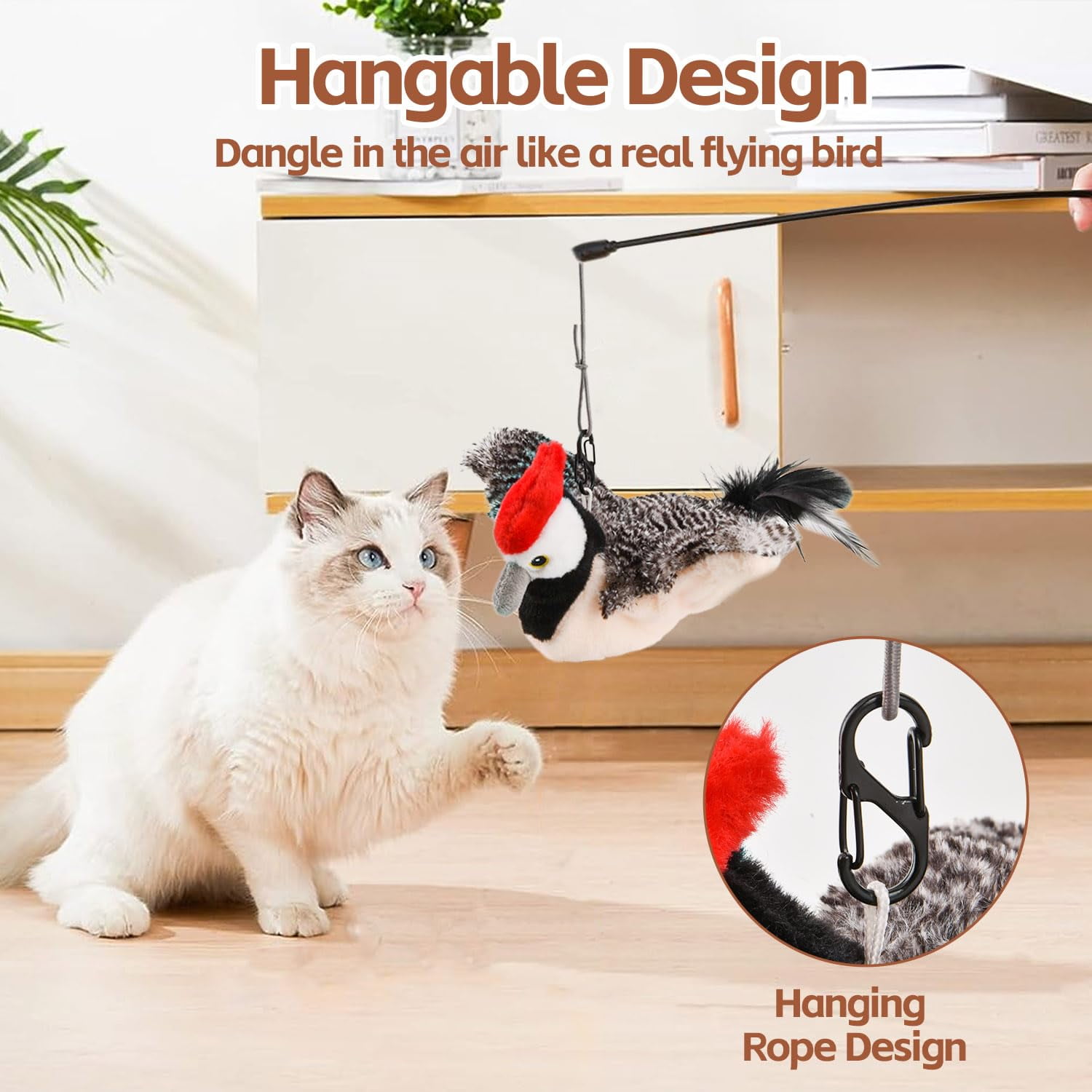
Feather wands mimic the movement of birds or insects. Cats love to jump, swipe, and catch the feathers. These toys encourage active play and exercise. Feather wands also allow owners to interact and play with their cats.
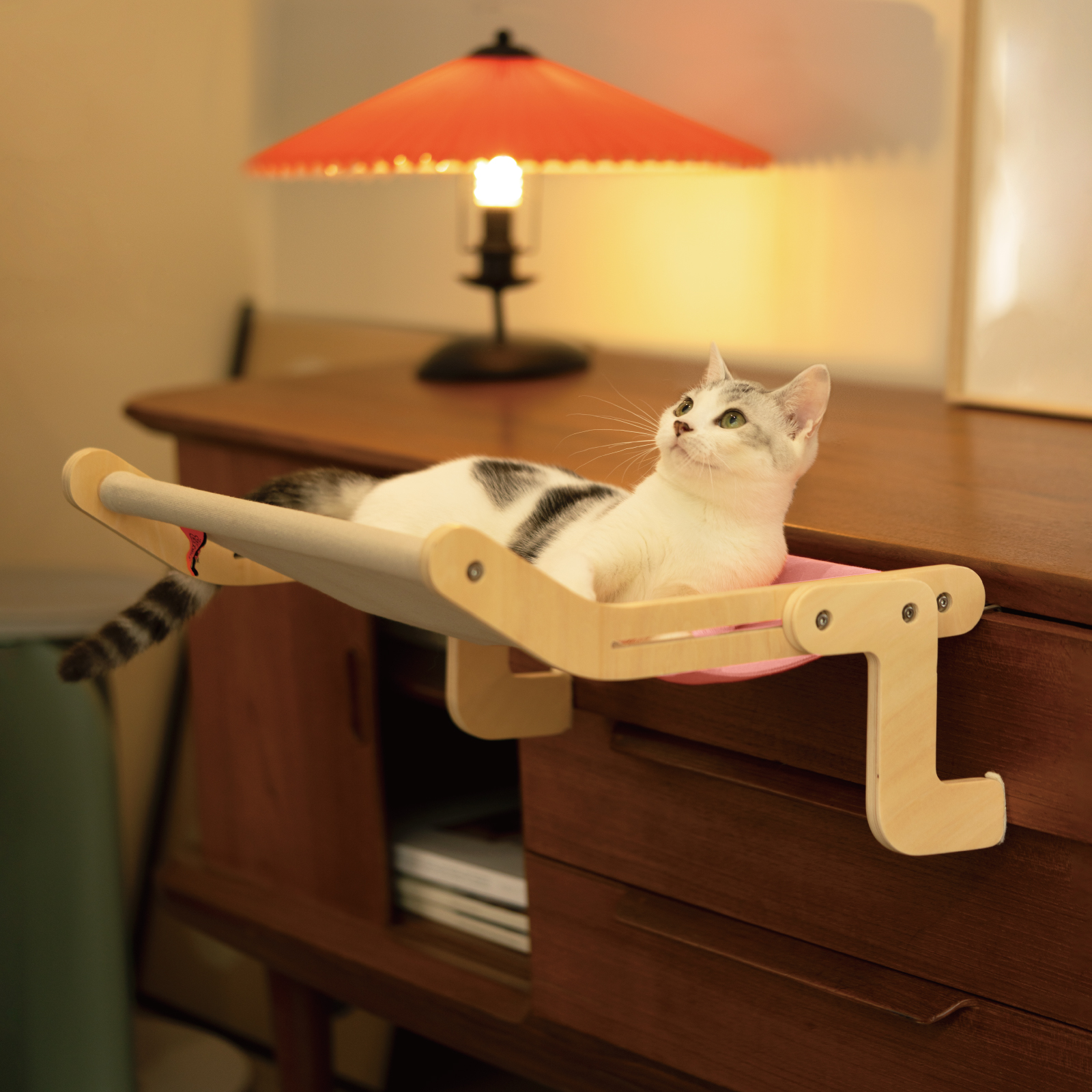
Credit: www.mewoofun.com
Choosing Toys By Cat Personality
Choosing toys that match your cat’s personality can make playtime more enjoyable and meaningful for both of you. Cats are unique individuals with different energy levels and preferences. Understanding your cat’s character helps you pick toys that truly engage them, preventing boredom and encouraging healthy activity.
Active Cats
Active cats love toys that challenge their agility and hunting instincts. Look for toys that move unpredictably, like feather wands or laser pointers. These stimulate their natural chase reflex and keep them physically fit.
Try rotating toys often to keep their interest alive. Have you noticed your cat’s eyes following quick movements? That’s a sign they crave dynamic play sessions.
Shy Cats
Shy cats prefer toys that feel safe and non-threatening. Soft, plush toys they can carry or hide under work well. They also enjoy interactive toys that encourage gentle exploration at their own pace.
Introduce new toys slowly and let your cat approach when ready. Have you tried toys that mimic small prey sounds? These can spark curiosity without overwhelming your cat.
Senior Cats
Senior cats need toys that are easy to handle and not too strenuous. Lightweight balls or soft, cushioned toys suit their slower movements. Puzzle feeders can stimulate their mind without demanding too much energy.
Observe how your older cat interacts with toys and adjust accordingly. Does your cat prefer short play sessions? That’s a good clue to keep toys accessible but low impact.
Kittens
Kittens are bundles of energy and love a variety of textures and shapes. Small balls, crinkle toys, and dangling strings grab their attention. These toys help develop their coordination and hunting skills.
Supervise kitten play to avoid choking hazards. Have you noticed how a simple paper ball can keep a kitten entertained for hours? Sometimes, the simplest toys are the best starters.
Materials Cats Prefer
Cats have clear preferences for the materials in their toys. These choices affect their interest and play behavior. Softness, texture, and durability matter a lot to them. Certain materials feel better for biting, scratching, or cuddling. Understanding these materials helps pick toys that keep cats happy and active.
Soft Fabrics
Soft fabrics attract cats because they feel gentle on paws and teeth. Plush and fleece are common favorites. These materials mimic the softness of prey or companions. Cats like to carry and cuddle fabric toys. Fabrics that hide catnip or crinkle sounds add extra fun.
Natural Materials
Natural materials appeal to a cat’s instincts. Wood, sisal, and cotton provide interesting textures. Sisal is perfect for scratching. Wood toys often have a fresh scent cats enjoy. Cotton ropes and balls feel safe and familiar. These materials tend to be non-toxic and eco-friendly.
Durable Plastics
Durable plastics withstand rough play and biting. Hard plastic balls and interactive toys last long. Cats enjoy smooth surfaces for batting and chasing. Some plastic toys include rattles or bells inside. Choose non-toxic plastics to keep cats safe during play.
Credit: www.walmart.ca
Benefits Of Playtime
Playtime offers many benefits for cats beyond simple fun. It helps keep them healthy, sharp, and happy. Toys spark their natural instincts and provide a safe way to explore. Regular play supports a balanced life and prevents boredom. Here are some key benefits of playtime for cats.
Physical Exercise
Active play helps cats stay fit and strong. Chasing toys or pouncing on objects improves their muscle tone. Exercise also controls weight and reduces health problems. It keeps joints flexible and boosts overall energy. Cats with daily play tend to live longer and feel better.
Mental Stimulation
Playtime challenges a cat’s mind and senses. Toys that move or hide encourage problem-solving skills. Hunting games mimic natural behavior, keeping instincts sharp. This mental workout prevents boredom and destructive habits. A stimulated cat is less likely to feel stressed or anxious.
Bonding With Owners
Playing together strengthens the connection between cat and owner. It builds trust and shows love through shared activity. Interactive toys create moments of joy and attention. This time deepens the emotional bond and reduces loneliness. Cats often become more affectionate and confident with regular play.
Diy Cat Toy Ideas
Cats enjoy toys that mimic small animals, like feathers or balls they can chase. Simple, lightweight toys that move easily catch their attention quickly. Soft textures and interactive toys also keep cats entertained for hours.
Cats love to play. Creating toys at home can be fun and cost-effective. DIY cat toys are easy to make and can keep your feline friend entertained for hours. Let’s dive into some creative ideas.Homemade Catnip Toys
Catnip toys are a favorite among cats. To make one, you need a fabric piece and catnip. Cut the fabric into a small square. Fill it with a teaspoon of dried catnip. Sew or tie the edges securely. Your cat will love this simple creation.Repurposed Household Items
Many household items can become toys. A cardboard box, for example. Cut holes in it to create a mini playground. Paper bags also work well. Crumple them into balls for cats to bat around. Empty toilet paper rolls can become tunnels or chew toys. These items offer endless fun.Simple Interactive Games
Interactive games can stimulate your cat’s mind. Use a feather tied to a string. Dangle it in front of your cat. Move it around to mimic prey. Another idea is a flashlight game. Shine a light on the wall. Watch your cat chase the moving spot. These games keep your cat active and engaged.
Credit: www.goodhousekeeping.com
Safety Tips For Cat Toys
Keeping your cat safe while they play is just as important as choosing the right toys. Many toys look fun and harmless, but small parts or poor quality materials can pose hidden dangers. Paying attention to safety helps you enjoy playtime without worry and keeps your furry friend healthy and happy.
Avoiding Small Parts
Toys with tiny pieces can easily break off and cause choking or intestinal blockages. Always check that buttons, bells, or beads are securely attached or avoid toys that include these altogether. If your cat tends to chew aggressively, opt for solid toys without detachable components to reduce risks.
Regular Toy Inspection
Inspect your cat’s toys often for signs of wear, like loose threads or cracks. Even the sturdiest toys can become unsafe over time. Removing damaged toys promptly prevents accidents, and replacing them keeps playtime fresh and exciting for your cat.
Supervised Play
Watching your cat during play helps you catch any dangerous behavior early. Some cats might try to swallow parts or get tangled in strings and ribbons. Limiting unsupervised play with certain toys, especially those with strings or small parts, keeps your cat safe and gives you peace of mind.
Frequently Asked Questions
What Types Of Toys Do Cats Prefer Most?
Cats enjoy toys that mimic prey, like feather wands, laser pointers, and small balls. These stimulate their hunting instincts.
Are Interactive Toys Good For Cats?
Yes, interactive toys keep cats mentally and physically engaged. They prevent boredom and promote healthy exercise.
Do Cats Like Homemade Toys?
Many cats love simple homemade toys like crumpled paper or cardboard boxes. These are cost-effective and fun.
How Often Should I Replace My Cat’s Toys?
Replace toys every few months or when worn out. Fresh toys keep cats interested and active.
Conclusion
Cats enjoy toys that mimic prey and spark their curiosity. Soft balls, feather wands, and laser pointers often catch their attention. Toys that move or make noise keep cats active and happy. Rotating different toys helps prevent boredom and keeps playtime fun.
Remember, every cat is unique and may prefer different toys. Watching your cat’s reactions can guide you to the best choices. Happy cats mean healthy, playful pets. Keep exploring new toys to see what excites your feline friend most. Play is key to a cat’s joy and well-being.




Leave a Reply