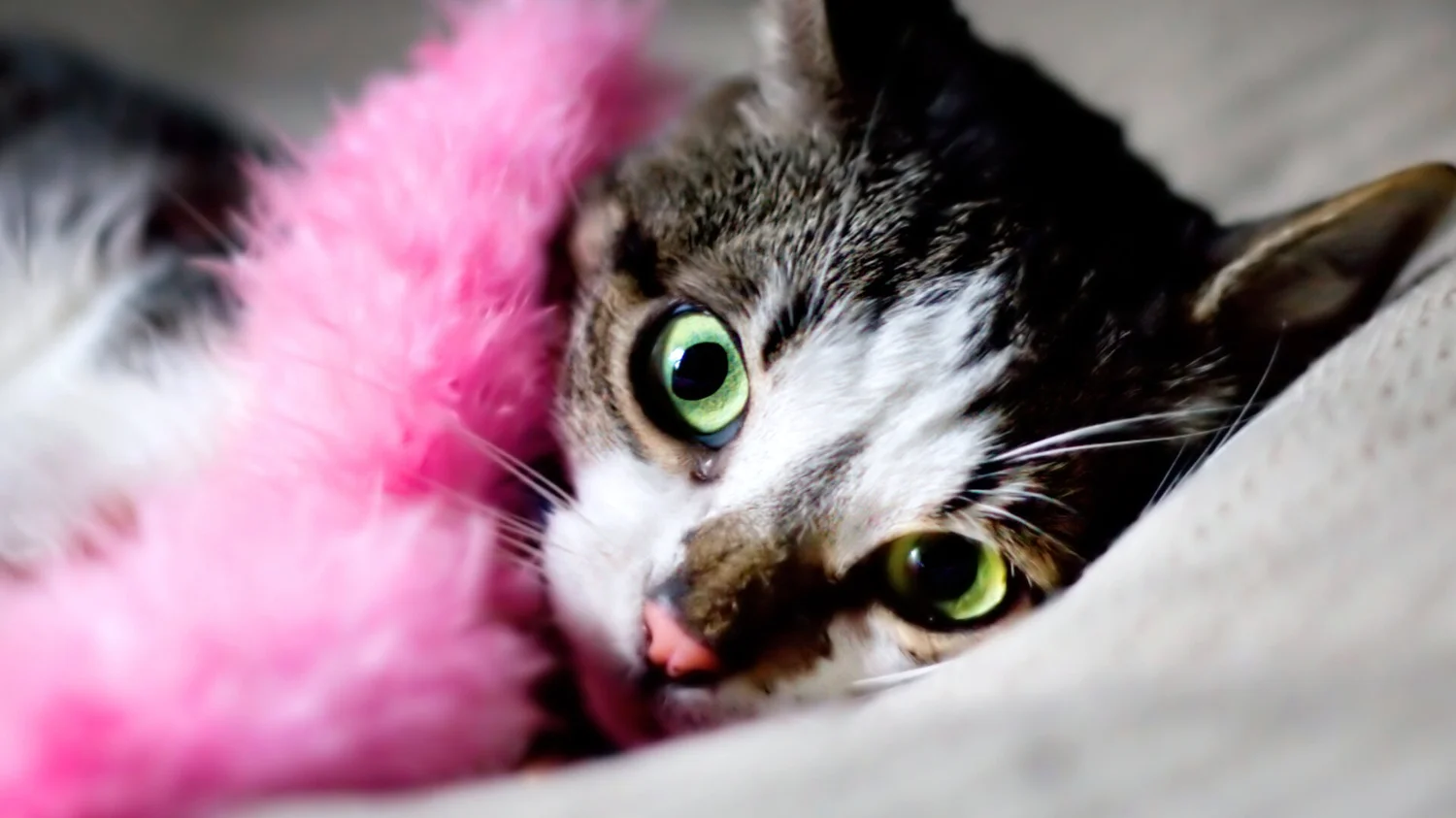
Have you ever noticed your cat making tearful sounds while playing with their toys? It can be surprising and even a bit confusing.
You might wonder if your furry friend is sad, hurt, or trying to tell you something important. Understanding why cats cry at their toys can help you connect better with your pet and ensure their happiness. Keep reading, because uncovering the reasons behind this curious behavior could change the way you interact with your cat forever.
Cats And Their Emotional Expressions
Cats express their emotions in ways that often puzzle their human companions. Understanding these signals can deepen your bond and help you respond to their needs better. Their emotional expressions range from subtle body language to vocal sounds, each carrying unique meanings.
How Cats Show Feelings
Cats use their bodies to communicate feelings clearly. A slow blink can mean trust, while a twitching tail might show irritation or excitement.
They also use posture to send messages:
- Arched back and puffed fur usually signal fear or defense.
- Relaxed, stretched-out bodies indicate comfort and contentment.
- Rubbing against you shows affection and a desire to mark you as “safe.”
Recognizing these signs helps you understand if your cat is happy, stressed, or seeking attention.
Tears Vs. Vocalizations
Many people wonder if cats cry tears like humans do when they’re upset. In reality, cats rarely produce emotional tears. Their tears usually serve to keep their eyes clean and healthy.
Instead, cats express emotion through vocalizations such as meowing, purring, or yowling. Each sound can convey different feelings:
- Meowing:Often a call for attention or food.
- Purring:Generally shows contentment but can also mean self-soothing.
- Yowling:May indicate distress, discomfort, or a desire to communicate over distance.
Have you noticed your cat’s meow changing when they’re near their favorite toy? This might be their way of expressing excitement or frustration.

Credit: moderncat.com
The Mystery Behind Crying At Toys
Cats crying at their toys can seem puzzling. This behavior often surprises cat owners. Why do cats make noise at something inanimate? Understanding this helps build a stronger bond with your pet.
Several reasons explain this curious behavior. It could be about attention, frustration, or natural instincts. Each reason tells us something about a cat’s mind and emotions.
Attention-seeking Behavior
Cats may cry at toys to get your attention. They want you to join their playtime. This vocalization is a way to communicate their needs. Sometimes, they feel lonely or bored. Crying helps them express these feelings.
Frustration And Play
When toys don’t move as expected, cats can get frustrated. Their hunting instincts want action and challenge. If a toy stays still, it may cause confusion. Crying shows their eagerness or mild annoyance. It’s a sign they want a more exciting game.
Instinctual Hunting Responses
Cats have strong hunting instincts. Crying mimics sounds they make during real hunts. It can be a way to lure or communicate with prey. Toys trigger these instincts, causing natural vocal reactions. This is a part of their wild nature showing through.
Health Factors Influencing Tearfulness
Cats may cry near their toys due to health issues affecting tearfulness. Understanding these factors helps keep your cat comfortable and healthy. Eye health plays a key role in why tears appear. Small problems can cause discomfort and excessive tearing.
Recognizing health-related causes can guide timely care. Watch for signs like redness, swelling, or constant wiping. Identifying symptoms early prevents worsening conditions.
Eye Irritations And Infections
Eye irritations often cause cats to produce more tears. Dust, dirt, or foreign objects can irritate the eye surface. This leads to redness, swelling, and watery eyes. Infections from bacteria or viruses also trigger excessive tear production. Common signs include discharge, squinting, and pawing at the eyes. Prompt veterinary care can treat infections and reduce discomfort.
Allergies And Tear Production
Allergies affect many cats and increase tear flow. Allergens like pollen, dust mites, or chemicals may irritate eyes. This causes itching, redness, and watery eyes. Allergic reactions can also lead to sneezing and nasal discharge. Managing the environment and avoiding triggers helps control symptoms. Sometimes, a vet may recommend medication to ease allergic responses.
Emotional Bond With Toys
Cats often form strong emotional bonds with their toys, which can explain why they sometimes cry or vocalize when interacting with them. These toys are more than just objects; they become sources of comfort and companionship. Understanding this connection helps you better respond to your cat’s needs and emotions.
Attachment And Comfort
Your cat may see a favorite toy as a safe object that provides comfort, especially when feeling lonely or anxious. Just like humans might hold onto a cherished item, cats cling to toys to soothe themselves during stressful moments.
Think about how your cat reacts when you leave the house. If it cries near its toy, it might be seeking reassurance. These toys can act like a familiar friend, helping your cat feel less isolated.
Toys As Substitute Playmates
Sometimes, your cat’s crying at a toy signals a desire for interaction, treating the toy like a playmate. Cats are natural hunters and social animals; when their playmate is a toy, their vocalizations mimic calling out or engaging with another being.
Consider how your cat might “talk” to a stuffed mouse or feather wand. This behavior shows an emotional investment, as if the toy has a personality or role in their social world.
Have you noticed your cat’s tone changing when playing alone versus with you? Observing these differences can reveal how much your cat values its toy as a companion.
Ways To Respond To Crying Cats
Cats may cry at their toys because they feel lonely or want attention. Sometimes, they see toys as prey and get frustrated when they cannot catch them. Responding gently helps calm your cat and strengthens your bond.
Crying cats can puzzle many owners. They may cry at their toys for various reasons. Understanding their needs helps in offering the right response. Here are ways to respond effectively to a crying cat.Enhancing Playtime Interaction
Cats love engaging play. Offer diverse toys to spark interest. Use feathers or small balls for varied play. Interactive toys stimulate their senses. Play with them daily to strengthen bonds. A tired cat is a happy cat.Monitoring Health Concerns
Crying may signal discomfort. Check for any visible injuries. Look for signs of illness like lethargy or loss of appetite. Schedule a vet visit if concerns persist. Regular check-ups ensure your cat stays healthy.Providing Emotional Support
Cats need emotional comfort. Spend quality time with them. Petting and gentle talking reassures anxious cats. A cozy bed or blanket offers warmth and safety. Your presence soothes their fears.
Credit: partnersvetwl.com
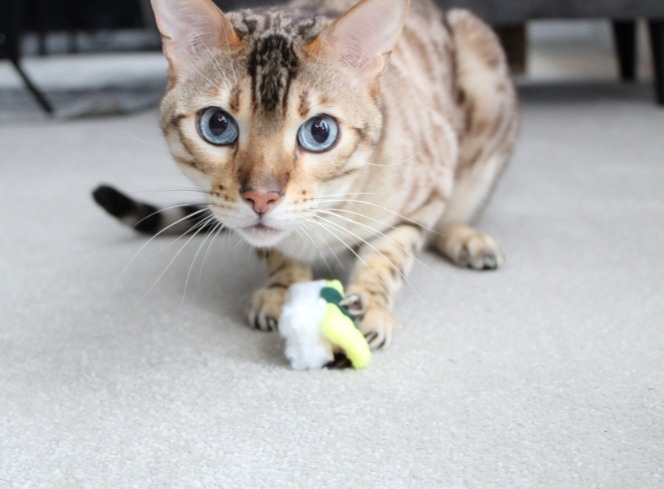
Credit: www.lordsandlabradors.co.uk
Frequently Asked Questions
Why Do Cats Cry At Their Toys Suddenly?
Cats cry at toys to express frustration or excitement. They may want attention or feel the toy is prey. Vocalizing helps them communicate their emotions clearly to owners or other pets.
Can Cats Feel Lonely When Playing With Toys?
Yes, cats can feel lonely during solo play. Crying at toys may signal a desire for interaction or companionship. Toys alone might not satisfy their social needs.
Do Cats Cry At Toys Due To Boredom?
Yes, boredom can cause cats to cry at toys. They seek stimulation and may use vocalization to express dissatisfaction or to attract owner engagement.
Is Crying At Toys A Sign Of Stress In Cats?
Crying at toys can indicate mild stress or anxiety. Changes in environment or lack of playtime may trigger this behavior. Owners should observe and provide comfort if needed.
Conclusion
Cats cry at their toys for many reasons. They may feel lonely or want attention. Sometimes, they react to sounds or movements from the toy. Crying can also show excitement or frustration. Understanding your cat’s behavior helps build a stronger bond.
Watch closely and respond with care. Your cat’s feelings matter. Toys are more than playthings—they connect your cat to you. Keep observing and enjoy your time together.

Leave a Reply