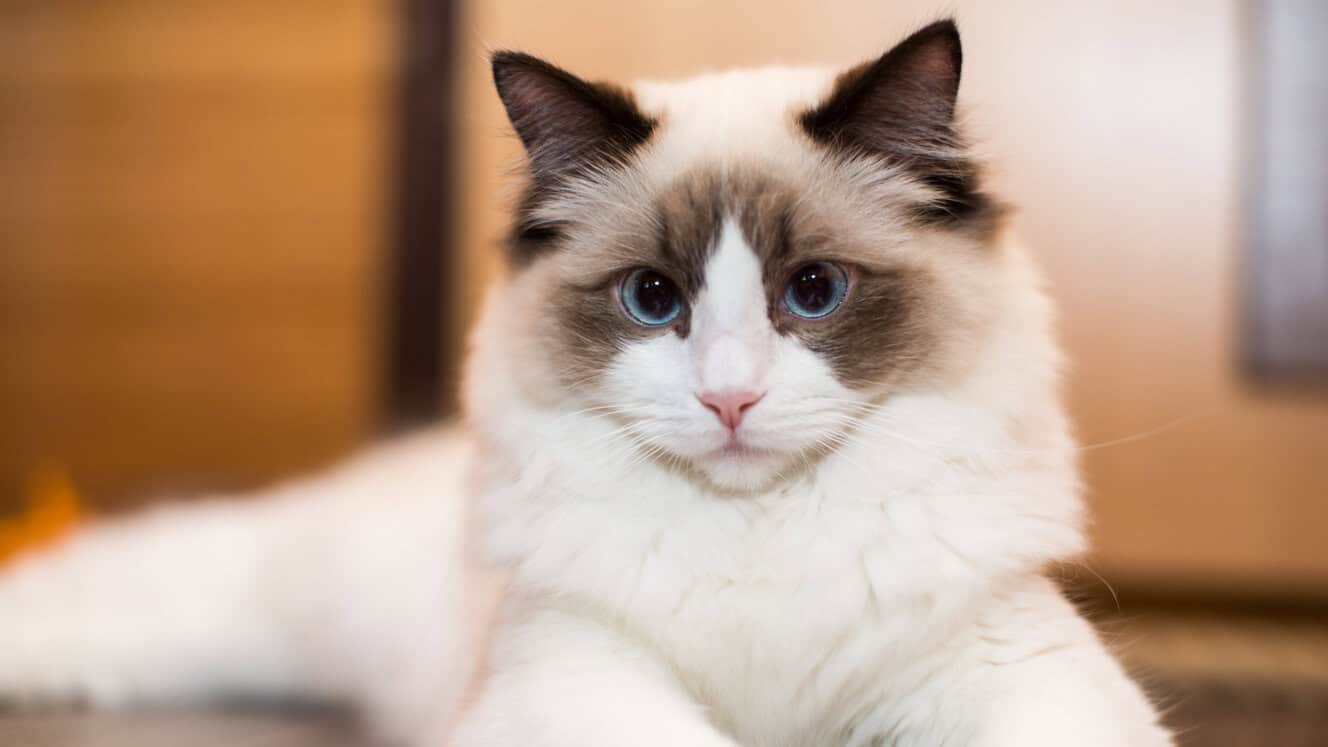
Are you curious about what makes a Ragdoll cat so special? Maybe you’ve seen their stunning blue eyes and silky fur and wondered where these traits come from.
Understanding the cat breeds that make up a Ragdoll can help you appreciate their unique personality and charm even more. If you want to know the story behind these gentle giants and what sets them apart, keep reading. This guide will reveal the key breeds that shaped the Ragdoll and why they might be the perfect companion for you.

Credit: pearlsragdolls.com
Ragdoll Breed Origins
The Ragdoll breed has a unique and fascinating origin. Its development involved careful selection and breeding. This breed is known for its calm nature and striking appearance. Understanding its roots helps appreciate the Ragdoll’s traits and charm.
Historical Background
The Ragdoll breed started in the 1960s in California. It was created by a breeder named Ann Baker. She wanted a large, gentle cat with a soft coat. The breed quickly gained popularity for its docile temperament. Ragdolls have a calm and loving personality that stands out.
Founding Cats
The breed began with a few special cats. One important cat was a white longhaired cat named Josephine. She was the mother of many Ragdolls. Breeders used Josephine’s offspring to develop the breed. The cats had unique traits like blue eyes and soft fur.
Breeder’s Role
Ann Baker played a key role in shaping the Ragdoll. She controlled breeding carefully to keep traits consistent. She also set strict rules on naming and registering cats. Her work helped create a strong breed standard. Today’s Ragdolls still reflect her original vision.
Key Cat Breeds In Ragdoll Development
Understanding the key cat breeds that contributed to the development of the Ragdoll helps you appreciate its unique traits. These breeds influenced the Ragdoll’s gentle temperament, striking appearance, and silky coat. Knowing their role gives you a clearer picture of what makes your Ragdoll special.
Birman Influence
The Birman’s impact on the Ragdoll is significant, especially in terms of coat color and pattern. Birmans have a distinct colorpoint pattern with white gloves, which inspired the Ragdoll’s similar markings.
Beyond looks, Birmans are known for their calm and affectionate nature. This temperament helped shape the Ragdoll’s reputation as a loving and docile companion. Have you noticed your Ragdoll’s gentle behavior? That calmness likely traces back to Birman roots.
Persian Contributions
Persians brought their luxurious long fur and broad face to the Ragdoll lineage. This influence is clear in the Ragdoll’s plush coat that feels soft to the touch.
Persians are also known for their easygoing personality. Their relaxed demeanor helped the Ragdoll become the laid-back cat many owners cherish today. Think about your cat’s chill attitude—Persian genes might play a part.
Other Breed Inputs
Besides Birman and Persian, other breeds also played a role in developing Ragdolls. The Burmese added to the Ragdoll’s large, expressive eyes and friendly nature.
Some Siamese traits influenced the Ragdoll’s striking colorpoints and vocal tendencies, though Ragdolls are generally quieter. This mix of breeds created a balanced cat that blends beauty with a sweet personality.
Genetic Traits Passed On
The genetic traits passed on to Ragdoll cats are what truly define their unique charm. These traits come from a mix of specific breeds, creating the Ragdoll’s signature look and personality. Understanding these inherited qualities helps you appreciate why Ragdolls are so special and what to expect if you bring one home.
Coat Patterns And Colors
Ragdolls inherit their silky, semi-long fur and striking patterns from their genetic background. You’ll notice colors like seal, blue, chocolate, and lilac, often combined in pointed patterns. These patterns include:
- Colorpoint – where the ears, face, paws, and tail are darker than the body
- Mitted – similar to colorpoint but with white paws
- Bicolor – a white inverted “V” on the face with white on the body
These coat traits make every Ragdoll unique, but they also require regular grooming to keep the fur soft and tangle-free. Have you ever wondered why some cats’ coats feel so luxuriously soft while others don’t? The genetics behind Ragdoll fur play a big role.
Temperament Traits
Ragdolls are famous for their calm and gentle nature, a temperament trait passed down from breeds like the Birman and Persian. These cats are incredibly affectionate and tend to go limp when you pick them up—hence the name “Ragdoll.”
If you value a cat that enjoys cuddling and doesn’t mind being handled, Ragdolls might be a perfect match. Their laid-back attitude often surprises new owners who expect a more typical independent feline personality. What kind of cat personality fits your lifestyle best?
Physical Characteristics
The physical build of Ragdolls reflects their mixed heritage, combining size and strength with elegance. They are large, muscular cats with a sturdy frame but maintain a graceful appearance. Their striking blue eyes are a signature feature, inherited from their ancestors.
Ragdolls also have a broad chest and a long body, which contribute to their relaxed, floppy posture when held. This physical trait is not just adorable—it’s a sign of their unique muscle tone and temperament. How often do you get to see a cat so relaxed it almost feels like a stuffed animal?

Credit: vetslovepets.com.au
Unique Features Of Ragdolls
Ragdolls have a soft, silky coat and striking blue eyes. They come from crossing breeds like the Persian, Birman, and Burmese. Their gentle nature and floppy, relaxed posture make them truly special.
Unique Features of Ragdolls Ragdolls captivate many with their charming demeanor and striking looks. They are a beloved cat breed for families and pet lovers alike. Let’s explore what makes them so special.Relaxed Nature
Ragdolls are known for their gentle temperament. They often go limp when held. This trait gives them their unique name. Their calm disposition makes them ideal companions. They rarely show aggression. Their laid-back attitude endears them to many.Distinctive Appearance
Ragdolls have large, expressive blue eyes. Their plush, silky fur adds to their appeal. They often have a striking color pattern. These cats are among the largest domesticated breeds. Their size and beauty are truly remarkable.Behavioral Traits
Ragdolls are social and love human company. They often follow their owners around the house. They enjoy being involved in family activities. Playful yet gentle, they rarely use their claws. Their curiosity keeps them engaged and active.Breeding Practices And Standards
The breeding practices and standards behind Ragdoll cats play a crucial role in shaping their unique temperament and appearance. Responsible breeders focus on preserving the breed’s gentle nature and striking look, while also ensuring the health and well-being of every kitten. Understanding these practices can help you appreciate what makes a true Ragdoll and how breeders maintain the breed’s integrity.
Selective Breeding Techniques
Breeders carefully select parent cats based on specific traits like coat color, eye color, and temperament. The goal is to emphasize the Ragdoll’s signature relaxed personality and silky coat without sacrificing health. Breeders often use controlled pairings to avoid genetic issues and maintain consistent breed characteristics.
Have you ever noticed how some Ragdolls seem more docile than others? That’s a result of focused breeding aimed at enhancing their calm and affectionate nature. Breeders track lineage closely to ensure only the best qualities are passed on.
Health Considerations
Health is a top priority in Ragdoll breeding. Breeders conduct genetic testing to screen for hereditary diseases like hypertrophic cardiomyopathy (HCM), a common heart condition in cats. By selecting healthy cats for breeding, they reduce the risk of passing on genetic disorders.
Regular veterinary check-ups and proper nutrition are also emphasized. Breeders who overlook these factors may produce kittens prone to illness, which can affect your experience as a pet owner. Have you thought about how a breeder’s health protocols might influence your kitten’s future?
Breed Recognition
Official breed recognition by cat associations such as The International Cat Association (TICA) and the Cat Fanciers’ Association (CFA) ensures that Ragdolls meet established standards. These organizations set rules for appearance, size, and behavior to maintain breed quality. Breeders registered with these bodies often follow stricter guidelines, giving you more confidence in your kitten’s pedigree.
Checking if a breeder is recognized by these associations can save you from surprises. It’s worth asking if the kittens come with registration papers and health guarantees. Would you feel more assured knowing your Ragdoll’s background is verified by a trusted authority?

Credit: www.pumpkin.care
Ragdolls In Modern Cat Communities
The presence of Ragdolls in today’s cat communities shows how much these gentle giants have captured the hearts of cat lovers worldwide. Their calm demeanor and striking appearance make them stand out in both homes and social groups of feline enthusiasts. Understanding their role in these communities helps you appreciate what makes Ragdolls so special and how to best care for them.
Popularity Trends
Ragdolls have steadily climbed the ranks of popular cat breeds over the past decade. Their affectionate nature and large size attract families looking for a companion that is both playful and easygoing. You might notice more Ragdolls in shelters and breeders’ listings, reflecting their growing demand.
Have you ever wondered why Ragdolls seem to thrive in social settings? Their calm temperament allows them to interact well with children and other pets, making them a favorite among multi-pet households. If you want a cat that adapts well to busy environments, a Ragdoll could be the perfect fit.
Show And Competition Presence
Ragdolls have made a significant impact in cat shows, often praised for their striking blue eyes and silky coats. Judges look for their distinct traits like large size, color points, and docile personality. If you follow cat shows, you’ll see Ragdolls frequently earning top honors.
Competing with a Ragdoll requires attention to their grooming and health to meet show standards. It’s not just about looks; their calm behavior on the stand can sway judges. If you participate in these events, investing time in socializing your Ragdoll is just as important as brushing their fur.
Care And Maintenance
Ragdolls may look like they require high maintenance, but their care routine is manageable once you get the hang of it. Their medium-long fur needs regular brushing to prevent mats and reduce shedding. Setting aside just a few minutes daily keeps their coat smooth and healthy.
Feeding a balanced diet is crucial to maintain their muscular build and overall health. Pay attention to portion sizes since Ragdolls can gain weight if overfed. You’ll also want to schedule regular vet visits to monitor common health issues like heart disease.
Have you considered how your lifestyle fits with a Ragdoll’s needs? These cats thrive on interaction and gentle handling, so make sure you have time to give them the attention they deserve. If you do, you’ll find a loyal and loving companion in your Ragdoll.
Frequently Asked Questions
What Cat Breeds Contribute To Ragdoll Traits?
Ragdolls primarily descend from the Birman, Burmese, and Persian breeds. These breeds influence their striking blue eyes, silky coat, and gentle temperament. The original Ragdoll was developed by crossing these cats to achieve its distinctive relaxed and affectionate nature.
Are Ragdolls Related To Any Specific Cat Breeds?
Yes, Ragdolls share lineage with Birmans and Persians. These breeds provide the Ragdoll’s soft coat and calm personality. The breed was carefully developed to combine the best traits of these cats, creating a unique and loving companion.
Can Mixed Breeds Produce Ragdoll-like Cats?
Mixed breeds might show some Ragdoll traits but aren’t true Ragdolls. Genuine Ragdolls have specific lineage and breed standards. Mixed cats may resemble them but lack the consistent temperament and appearance of purebred Ragdolls.
What Makes Ragdolls Different From Other Cat Breeds?
Ragdolls are known for their docile nature and tendency to go limp when held. They have striking blue eyes and semi-long fur. Their calm temperament and affectionate behavior set them apart from other breeds.
Conclusion
Ragdoll cats come from a mix of specific breeds. These breeds give them their soft fur and calm nature. Knowing their background helps you understand their behavior. Ragdolls are gentle, loving, and easy to care for. They make great pets for families and quiet homes.
Choosing a Ragdoll means welcoming a friendly companion. Their unique traits come from careful breeding. This makes Ragdolls stand out among other cats. Now you know what breeds create a Ragdoll. Enjoy the company of these special cats!




Leave a Reply