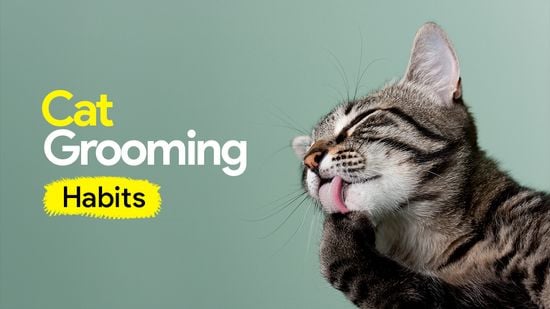
Have you ever watched your cat spend hours licking its fur and wondered, “What percentage of their day do cats actually spend grooming?” It might seem like they’re just keeping clean, but grooming is much more than that.
Understanding how much time your cat dedicates to this habit can reveal surprising insights about their health, mood, and even their behavior. Keep reading, because what you discover might change how you see your feline friend forever.
Daily Grooming Time
Cats spend a notable portion of their day grooming. This behavior keeps their coat clean and healthy. Grooming also helps cats relax and stay comfortable. Understanding how much time cats spend grooming daily reveals their natural habits and needs.
Average Grooming Duration
On average, cats spend about 30 to 50 minutes grooming each day. This time can vary by individual cat. Some cats groom more, while others spend less time. Grooming usually happens in short sessions throughout the day. This keeps their fur clean and free from dirt.
Factors Affecting Grooming Time
- Age:Younger cats often groom more actively than older cats.
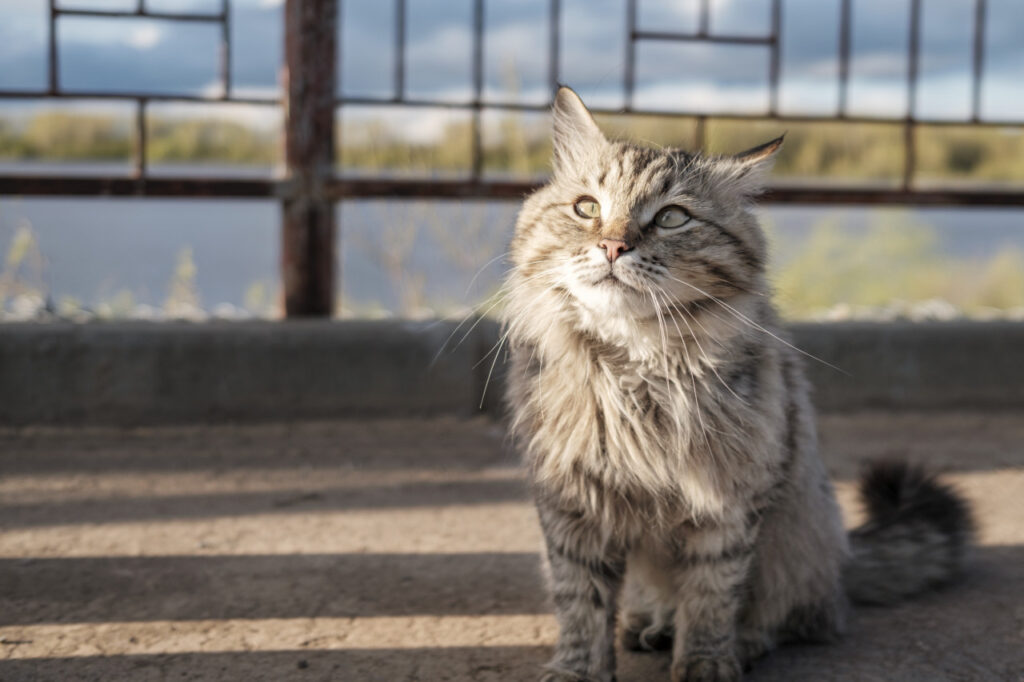
- Breed:Long-haired breeds may spend more time grooming.
- Health:Sick or stressed cats might groom less or more.
- Environment:Indoor cats tend to groom differently than outdoor cats.
- Weather:Cats groom more in warm weather to cool down.
Credit: alexthecatgroomer.com
Reasons Behind Grooming
Cats spend a significant amount of their day grooming, but why do they do it so much? Grooming is more than just a way for cats to look neat. It serves several important purposes that help keep them healthy and comfortable.
Hygiene Maintenance
Grooming helps cats keep their fur clean and free from dirt and parasites. When you see your cat licking its fur, it’s actually removing loose hairs, dust, and even small insects. This daily cleaning routine reduces the risk of skin infections and helps maintain a shiny coat.
Have you ever noticed how a well-groomed cat usually has less shedding around the house? That’s because grooming spreads natural oils evenly, which strengthens their fur and minimizes hair loss.
Temperature Regulation
Cats use grooming to control their body temperature. When a cat licks its fur, the saliva evaporates, creating a cooling effect similar to sweat in humans. This is especially helpful on hot days or after physical activity.
If you’ve seen your cat groom more often during warmer weather, that’s why. It’s their natural way to cool down without needing a fan or air conditioning.
Stress Relief
Grooming also acts as a way for cats to calm themselves. When your cat starts licking excessively after a stressful event, it’s trying to soothe its nerves. This behavior can help reduce anxiety and provide comfort.
Think about how you might fidget or take deep breaths when stressed. For cats, grooming serves a similar purpose. If your cat is grooming too much, it might be a sign to check for stressors in their environment.
Grooming Across Cat Breeds
Cats spend a significant part of their day grooming themselves. This behavior varies across different cat breeds. The amount of time spent grooming depends on their coat type and grooming needs. Some cats groom more to keep their fur clean and healthy. Others groom less due to their unique coat features.
Short-haired Cats
Short-haired cats usually spend less time grooming than long-haired cats. Their coats are easier to maintain and less prone to tangles. They often groom for about 15% to 20% of their day. Grooming helps remove loose fur and dirt. It also distributes natural oils that keep their skin healthy.
Long-haired Cats
Long-haired cats spend more time grooming than short-haired cats. Their thick coats require regular care to prevent mats and tangles. These cats may spend up to 30% of their day grooming. They use their tongues to smooth their fur and remove debris. Regular grooming helps them stay comfortable and clean.
Hairless Cats
Hairless cats groom differently because they lack a thick coat. They still spend time licking their skin to keep it clean. Grooming helps remove oils and dead skin cells. Hairless cats spend about 10% to 15% of their day grooming. Their grooming routine is important to avoid skin problems.
Credit: www.airtasker.com
Grooming And Cat Health
Cats spend a significant part of their day grooming, and this behavior plays a crucial role in maintaining their health. Grooming isn’t just about keeping their fur clean and shiny; it acts as a natural health check and defense mechanism. Understanding how grooming links to your cat’s well-being can help you spot problems early and support their overall health.
Detecting Health Issues
When cats groom, they often reveal signs of discomfort or illness. You might notice your cat licking one spot excessively or missing certain areas, which can indicate pain or irritation. Changes in grooming habits—like grooming less or more than usual—can also signal health problems such as dental pain, arthritis, or skin conditions.
Have you seen your cat suddenly stop grooming? It’s worth paying attention because it might mean they are feeling unwell. Regular grooming helps cats spot wounds, lumps, or skin abnormalities early. You, as an owner, can use this as a chance to check for anything unusual during your cat’s grooming sessions.
Grooming And Parasite Control
Grooming is a natural way for cats to keep parasites like fleas and ticks under control. Their tongue’s rough texture helps remove dirt, loose fur, and tiny pests. Cats that groom thoroughly are less likely to suffer from infestations, which can cause itching, infections, and other health issues.
If your cat is grooming excessively, it might be trying to get rid of these parasites. Look closely for fleas, flea dirt, or ticks, especially around the neck and belly. Regular grooming sessions with a comb can help you catch parasites early and keep your cat comfortable.
Does your cat enjoy being brushed? Using a flea comb during grooming can be a simple and effective way to support their health. It’s also a bonding moment that helps you stay connected and aware of their condition.
Behavioral Insights
Cats are fascinating creatures with unique behaviors that captivate our attention. One of the most intriguing is their grooming habits. On average, cats spend about 30% to 50% of their waking hours grooming themselves. This behavior isn’t just about staying clean; it’s a window into their world, revealing much about their social interactions and emotional state.
Social Grooming Habits
Have you ever noticed your cat grooming another cat or even you? This act, known as allogrooming, is more than just cleanliness. It’s a social ritual that strengthens bonds and establishes trust. In multi-cat households, grooming sessions are like a feline peace treaty, reducing tension and promoting harmony. Even if your cat is a solo pet, their grooming habits reflect their social instincts and desire for connection.
Grooming As A Comfort Mechanism
Grooming offers comfort and reassurance. It’s a way for cats to calm themselves when they feel stressed. Think about how your cat might start grooming after a loud noise or a visit to the vet. This ritualistic behavior helps them regain a sense of control and stability. Next time your cat seems upset, observe how they groom to soothe themselves. How do you find comfort in your daily life?
Impact Of Environment
The environment your cat lives in plays a big role in how much time it spends grooming. Changes in surroundings bring different challenges and needs that affect grooming habits. Understanding these differences can help you better care for your feline friend.
Indoor Vs Outdoor Cats
Indoor cats usually spend less time grooming compared to outdoor cats. Since they face fewer dirt and parasite threats, their fur stays cleaner naturally. Outdoor cats, on the other hand, encounter dirt, insects, and plants that stick to their fur, increasing their grooming time.
Think about your own cat’s behavior—do you notice it licking more after playing outside? This self-cleaning helps remove debris and reduce the risk of infections. You can support outdoor cats by regularly checking for ticks and dirt buildup to keep grooming manageable.
Seasonal Grooming Patterns
Seasonal changes impact how much your cat grooms. During warmer months, cats tend to groom more to remove excess shedding fur and stay cool. In colder months, grooming helps fluff their coat for better insulation but may decrease slightly overall.
Have you observed your cat shedding more in spring or fall? This is when they shed old fur to prepare for the new season. Adjusting your grooming routine, like brushing more during these times, can reduce the time your cat spends licking itself and prevent hairballs.
How Owners Can Support Grooming
Supporting your cat’s grooming habits goes beyond just watching them lick their fur. Your involvement can make a big difference in their comfort and health. Knowing how to assist with grooming ensures your cat stays clean, happy, and free from skin problems.
Brushing Techniques
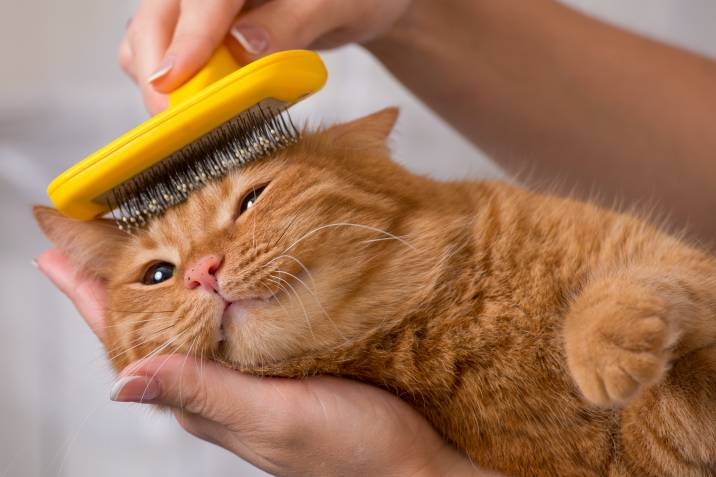
Regular brushing helps remove loose fur and prevents hairballs. Use a brush suited to your cat’s fur type—slicker brushes work well for long-haired cats, while rubber brushes suit short-haired breeds.
Brush gently in the direction of hair growth to avoid hurting your cat. If your cat resists, try short sessions and reward them with treats. Pay extra attention to areas prone to matting, like behind the ears and under the legs.
- Use slow, smooth strokes to keep your cat calm.
- Brush at least twice a week for short-haired cats, daily for long-haired ones.
- Check for any lumps, bumps, or skin irritation while brushing.
When To Seek Veterinary Help
Sometimes, grooming issues signal health problems. If you notice bald patches, constant scratching, or your cat suddenly stops grooming, it’s time to consult a vet.
Skin infections, allergies, or dental pain can make grooming painful. Your vet can diagnose these issues and recommend treatments that restore your cat’s grooming routine.
Have you noticed any behavior changes during grooming that worry you? Early detection can prevent serious health issues and keep your cat comfortable. Don’t hesitate to ask your vet about the best grooming care for your specific cat.

Credit: www.newsweek.com
Frequently Asked Questions
How Much Time Do Cats Spend Grooming Daily?
Cats spend around 30% to 50% of their awake time grooming. This self-cleaning helps them stay clean, reduce stress, and regulate body temperature. Grooming is a vital part of their routine and overall health.
Why Do Cats Groom Themselves So Often?
Cats groom to remove dirt, loose fur, and parasites. It also helps them cool down and strengthen social bonds with other cats. Grooming is essential for their hygiene and emotional well-being.
Does Grooming Percentage Vary By Cat Breed?
Yes, grooming time can vary by breed and individual personality. Long-haired cats often spend more time grooming to maintain their fur. However, all cats prioritize grooming as part of their daily care.
Can Excessive Grooming Indicate Health Issues?
Excessive grooming may signal stress, allergies, or skin problems. If a cat grooms too much, it’s best to consult a vet. Monitoring grooming habits helps catch health concerns early.
Conclusion
Cats spend a big part of their day grooming themselves. This helps keep their fur clean and healthy. Grooming also calms cats and reduces stress. Most cats spend about 30 to 50 percent of their time grooming. This habit shows how important grooming is for them.
Watching a cat groom can be quite relaxing to see. It reminds us how animals take care of themselves naturally. Understanding this behavior helps us care better for our pets. Cats are truly neat and careful creatures.




Leave a Reply