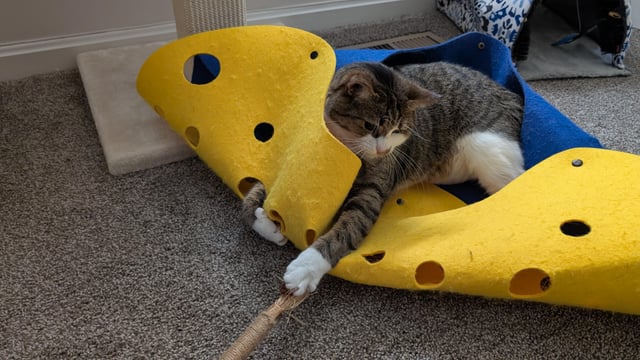
Have you ever watched your cat stare at a new toy, completely puzzled about what to do with it? It’s both funny and a little frustrating.
You want your furry friend to have fun, but instead, they seem stuck, unsure how to play. If you’ve ever wondered why your cat can’t figure out a toy and what you can do to help, you’re in the right place.
Keep reading to discover simple tips that will turn confusion into excitement and make playtime the best part of your cat’s day.
Why Cats Struggle With Toys
It can be puzzling when your cat stares at a toy without any interest or seems confused about how to play with it. Understanding why cats struggle with some toys helps you choose better options and make playtime more enjoyable. Cats don’t always approach toys the way we expect, and their natural instincts and preferences play a big role.
Common Toy Challenges
Many toys don’t match a cat’s natural hunting style or sensory preferences. Some toys might move too fast or too slow, making it hard for your cat to engage. Others might lack appealing textures or sounds that cats respond to.
Think about the toy’s size and weight. A toy that’s too heavy or too light can frustrate your cat. For example, a feather wand that’s too flimsy won’t provide satisfying resistance during play.
Sometimes, toys are too predictable. Cats enjoy toys that mimic real prey, with random movements and varied sounds. If a toy moves in a steady, repetitive way, your cat might lose interest quickly.
Cat Behavior And Play
Your cat’s personality affects how they interact with toys. Some cats are shy or cautious and need time to get used to new objects. Others may prefer solitary play, while some want interactive play with you.
Instincts drive play behavior. Cats are natural hunters, so they often prefer toys that simulate stalking, chasing, and pouncing. If a toy doesn’t trigger these instincts, your cat might ignore it.
Have you noticed your cat watching a toy but not touching it? They might be assessing if it’s safe or worth the effort. Patience is key—introduce toys slowly and observe which types spark your cat’s interest.
Choosing The Right Toys
Choosing the right toys for your cat can make all the difference when they seem confused or uninterested in playtime. The right toy sparks curiosity and keeps your cat engaged, preventing boredom and frustration. Understanding what to look for helps you pick toys that match your cat’s preferences and needs.
Materials And Textures
Cats are very particular about what they touch and chew. Soft plush toys may appeal to some, while others prefer the crinkly sound of foil or the smoothness of rubber. Think about your cat’s past favorites—did they love batting around feathers or chewing on rougher surfaces?
Try offering a variety of textures to see what catches their interest. A toy with multiple textures can keep your cat exploring longer. Have you noticed your cat’s reaction to certain materials? This can guide your choices and avoid toys they might ignore.
Size And Safety
Toys that are too small can be a choking hazard, while those that are too big might be intimidating or hard to handle. Your cat should easily carry or bat the toy without struggle.
Look for toys without small detachable parts like beads or strings that could be swallowed. Safety is key to keeping playtime stress-free for both of you. Have you checked your cat’s favorite toys for wear and tear lately? Damaged toys can turn fun into danger.
Interactive Vs Solo Play
Some cats thrive with toys they can chase and pounce on alone, like balls or stuffed mice. Others get more excited when you join the game using a wand or laser pointer.
Observe whether your cat prefers to play independently or enjoys your involvement. Interactive play strengthens your bond and provides mental stimulation. Can you set aside time each day to engage in active play that matches your cat’s style?
Encouraging Play Skills
Encouraging play skills helps cats enjoy their toys more. It builds their confidence and sharpens their natural hunting instincts. Sometimes, cats need a little help to understand how a toy works. Patience and gentle guidance make playtime fun and rewarding.
Using Treats And Rewards
Treats motivate cats to try new toys. Offer small, tasty treats when your cat interacts with a toy. Praise your cat softly to create a positive feeling. This makes the cat want to play again and learn faster.
Guided Play Techniques
Show your cat how to use the toy by moving it slowly. Let your cat watch and follow the toy’s movements. Use your hand to guide the toy gently near your cat’s paws. This helps your cat understand the toy’s purpose and how to catch it.
Timing And Environment
Choose quiet times when your cat feels relaxed and alert. Remove distractions like loud noises or other pets. Play sessions should be short but frequent to keep your cat interested. A calm environment helps your cat focus and enjoy the toy better.

Credit: cheezburger.com
Adapting Toys For Your Cat
When your cat seems puzzled by a new toy, it doesn’t mean the toy isn’t right for them. Sometimes, a small change can make all the difference in sparking their interest. Adapting toys to fit your cat’s play style and preferences can turn confusion into excitement.
Simple Modifications
Try adding familiar scents to the toy by rubbing a bit of catnip or even your cat’s own scent onto it. This can create an instant connection and encourage interaction.
Adjust the size or texture if the toy feels too big or unfamiliar. Wrapping a feather in a soft cloth or trimming a string shorter can make it easier for your cat to handle.
Have you noticed your cat prefers certain sounds? Adding a gentle bell or crinkly material might catch their attention and make playtime more engaging.
Diy Toy Ideas
You don’t need fancy toys to keep your cat entertained. A simple cardboard box with holes cut out can become a great hide-and-seek spot for small balls or crumpled paper.
Try attaching a lightweight string or ribbon to a stick for an interactive wand toy. This way, you control the movement and can tailor the play to your cat’s energy level.
Creating your own toys lets you experiment easily. Have you tried using old socks filled with catnip? It’s a quick and inexpensive way to see what excites your cat.
Rotating Toys To Maintain Interest
Leaving the same toys out all the time can make your cat bored. Try rotating toys every few days to keep things fresh and intriguing.
Store some toys away and bring them back later. Your cat will treat them like new discoveries and stay curious.
Think about mixing active toys with more relaxed ones. Having a variety keeps your cat mentally stimulated and prevents them from losing interest too quickly.
When To Seek Help
Signs of frustration or loss of interest in toys may mean your cat needs help. Consult a vet if your cat avoids play or shows unusual behavior. Early support keeps your cat happy and healthy.
When your feline friend can’t seem to figure out a toy, it might be more than just a quirky moment. Sometimes, this can signal an underlying issue that needs attention. Knowing when to seek help is crucial for ensuring your cat’s well-being and happiness.Signs Of Frustration Or Boredom
Pay attention to your cat’s body language. If they repeatedly paw at the toy with growing intensity or vocalize excessively, they might be frustrated. A cat that walks away from a toy altogether could be showing signs of boredom. Observe changes in behavior outside playtime. If your cat becomes lethargic or stops engaging with other toys, it could indicate a deeper issue. Has your cat stopped purring or being as affectionate? These could be clues that something’s amiss.Consulting A Vet Or Behaviorist
If your cat’s frustration or boredom persists, it’s wise to consult a professional. A vet can rule out any medical issues that might be impacting your cat’s play behavior. Sometimes, what’s perceived as disinterest can be linked to health problems. A cat behaviorist can offer insights into your cat’s unique personality. They can provide tailored advice and strategies to enhance your cat’s playtime. Have you ever considered if your cat’s toy is appropriate for their age or activity level? A behaviorist can guide you on this. Taking these steps can make a world of difference in your cat’s life. Your cat’s happiness and health are worth the effort. How will you ensure your furry friend remains engaged and content?
Credit: www.reddit.com

Credit: www.yahoo.com
Frequently Asked Questions
Why Won’t My Cat Play With Its Toy?
Cats may not play due to boredom, stress, or toy type. Try interactive toys or new textures. Observe your cat’s preferences to find engaging options. Sometimes, health issues affect play, so consult a vet if needed.
How Can I Make Toys Interesting For My Cat?
Rotate toys regularly to keep novelty. Use toys that mimic prey movements like feathers or lasers. Engage your cat in play sessions daily for mental and physical stimulation. Positive reinforcement encourages interaction.
What Signs Show My Cat Is Confused By A Toy?
Cats may ignore, paw gently, or stare blankly at toys. Lack of interest or frustration indicates confusion. Simplify toy design or introduce familiar scents to help understanding. Patience helps cats learn new play methods.
When Should I Replace My Cat’s Toy?
Replace toys when they are damaged, dirty, or no longer engage your cat. Worn toys can be unsafe and lose appeal. Regularly inspect toys for wear and swap them out to maintain interest and safety.
Conclusion
Cats can be curious but sometimes confused by toys. Patience helps them learn and enjoy playtime. Try different toys to find what excites your cat. Watch how your cat reacts and adjust accordingly. Play is important for your cat’s happiness and health.
Keep sessions short and fun to hold their attention. With time, your cat will understand and love their toys. Enjoy these moments together—they build a strong bond. Simple steps make playtime better for both of you.




Leave a Reply