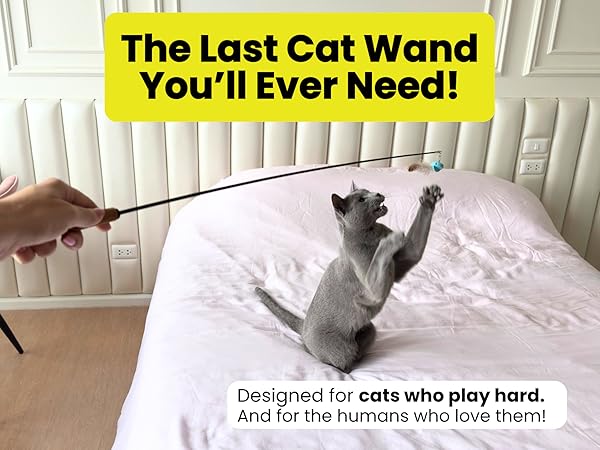
Have you ever wanted to create something special for your furry friend but didn’t know where to start? Building a cat toy might seem tricky, but it’s easier than you think—and your cat will love it!
I’ll show you exactly how I built a fun, safe, and engaging toy that kept my cat entertained for hours. By the end, you’ll have all the simple steps and tips you need to make your own. Ready to surprise your cat with a homemade toy that’s both affordable and exciting?
Let’s dive in!
Choosing Materials
Choosing the right materials was a crucial part of building this cat toy. I wanted to make sure the materials were not only safe for my cat but also practical and easy to find. Picking the right stuff can make a big difference in how much your cat enjoys the toy and how long it lasts.
Safe And Cat-friendly Options
Safety was my top priority. I avoided anything with sharp edges or small parts that could be swallowed. Natural fibers like cotton and wool worked great because they’re soft and non-toxic.
I also chose materials that wouldn’t cause allergies or irritate my cat’s skin. For example, I stayed away from synthetic fabrics that might shed tiny pieces. Does your cat have any sensitivities you need to consider?
Using untreated wood and organic feathers added a natural touch without harmful chemicals. These materials kept the toy interesting and safe for chewing and pawing.
Affordable And Recyclable Items
Keeping costs low was important, so I used items I already had around the house. Old t-shirts, cardboard, and leftover yarn made perfect building blocks. This approach saved money and reduced waste.
Recyclable materials also gave the toy an eco-friendly edge. When the toy eventually wears out, I can easily recycle or compost the parts. How often do you think about the environmental impact of your pet’s toys?
Simple materials don’t need to be expensive to be effective. Sometimes, the best toys come from what you already have on hand, proving creativity beats cost every time.
Credit: www.dhgate.com
Designing The Toy
Designing the toy was where the real fun began. I wanted something that would not only catch my cat’s eye but also keep her engaged for long periods. This required balancing visual appeal with practical features that encourage play.
Incorporating Movement
Movement is key to capturing a cat’s attention. I added a small motor that gently spins a feathered wand. The slow, unpredictable motion mimics the way prey moves, which instantly sparked my cat’s curiosity.
Instead of constant motion, I programmed pauses to create a natural rhythm. This made the toy feel more alive and less mechanical. You might ask yourself: how can you make movement feel spontaneous without complex gadgets?
- Use timers to start and stop movement in random intervals
- Combine different types of motion, like spinning and twitching
- Keep the speed variable to avoid predictability
Involving Interactive Features
Interactive features make your toy more than just a one-way entertainer. I added touch sensors that react when my cat bats or paws at the toy. This instant feedback keeps her coming back.
Consider adding sounds or vibrations triggered by interaction. My cat loved the soft jingling noise when she touched the toy—it encouraged her to play longer. What small changes can you make that invite your cat to take the lead?
- Sensors that activate movement or sounds
- Adjustable sensitivity to match your cat’s play style
- Easy-to-replace parts for durability
Building Steps
Building a cat toy involves clear steps to ensure it is safe and fun. This part explains how I gathered everything and put the toy together. Each phase is simple and easy to follow.
Gathering Tools
First, collect all materials and tools needed for the project. This helps to avoid delays during assembly. I used items that are safe for cats and easy to handle.
- Soft fabric or felt
- Scissors
- Non-toxic glue
- Needle and thread
- Small bells or feathers
- Stuffing material
Having these ready made the building process smooth and efficient.
Assembly Process
Start by cutting the fabric into the desired shapes. I chose a simple shape that cats like to chase. Then, sew the edges carefully, leaving a small opening.
Next, add the stuffing inside the fabric. Insert small bells or feathers for extra fun. Finally, sew the opening tightly to keep everything inside.
Check the toy for loose parts or sharp edges to keep your cat safe. The whole process took less than an hour and resulted in a toy that my cat loves.
Customizing For Your Cat
Customizing a cat toy makes it more fun and safe for your cat. Every cat has different likes and habits. Tailoring the toy ensures your cat stays engaged longer. Small changes can make a big difference in playtime.
Adjusting Size And Texture
Choose a size that fits your cat’s paws and mouth. Too big or too small can cause frustration or danger. Use soft or rough materials based on your cat’s preference. Cats love different textures to scratch and bite. Testing different fabrics helps find the perfect feel.
Adding Personal Touches
Include your cat’s favorite scents by adding a bit of catnip. Use colors that attract your cat’s attention. Attach small bells or feathers for extra excitement. Personal touches make the toy unique and more interesting. This also shows your care and attention to your pet’s joy.
Testing And Safety
Testing and safety are key to creating a cat toy that is both fun and secure. Cats are curious and active, so the toy must handle rough play without causing harm. Careful observation and strong materials keep cats safe and happy.
Observing Cat Reactions
Watching cats play with the toy shows what works well. I noticed their interest level and how they used the toy. Quick pulls, bites, and paw swipes gave clues about engagement. I checked for signs of frustration or fear. A good toy keeps cats excited but calm. Adjusting the toy based on their behavior improved its appeal.
Ensuring Durability
The toy needs to last through sharp claws and teeth. I tested the materials by pulling and biting them myself. Soft parts must not tear easily. Hard parts should not break or chip. I avoided small pieces that cats could swallow. Using strong thread and safe glue made the toy sturdy. Durable toys save money and protect cats from hazards.

Credit: catit.ca
Maintenance Tips
Building a cat toy involves selecting durable materials and keeping the design simple. Regularly inspect for wear and replace parts as needed to ensure safety. Clean the toy periodically to maintain hygiene and appeal.
Maintaining your cat toy ensures its longevity and keeps your feline friend happy. Regular upkeep prevents germs and damage. Here are some simple tips to help you maintain your homemade cat toy.Cleaning The Toy
Cats love to play with toys, leaving them dirty. Clean the toy weekly. Use mild soap and water. Rinse thoroughly to remove all soap. Dry the toy completely before giving it back to your cat. For fabric toys, check if machine washing is possible. Always use a gentle cycle and air dry.Repairing Wear And Tear
Toys endure a lot of pouncing and biting. Inspect them for damage regularly. Look for loose threads or broken parts. Use a needle and thread to fix fabric tears. For broken plastic, use non-toxic glue. Ensure repairs are secure. A well-maintained toy stays safe and enjoyable for your cat.Benefits Of Diy Cat Toys
DIY cat toys offer many benefits for both cats and their owners. They provide fun and learning in a simple way. Making toys at home saves money and reduces waste. These toys can be customized to suit your cat’s preferences. Most importantly, they help keep your cat happy and healthy.
Encouraging Activity
Homemade toys stimulate your cat’s natural instincts. Cats love to chase, pounce, and bat at moving objects. DIY toys can mimic prey and spark their interest. This boosts exercise and helps prevent weight gain. Active cats tend to be healthier and less bored.
Strengthening Bond
Building toys together creates special moments. Your cat learns to trust and enjoy your company. Playing with a toy you made deepens your connection. It shows your care and attention in a unique way. Strong bonds lead to happier pets and owners.

Credit: www.amazon.ca
Frequently Asked Questions
What Materials Are Best For Building A Cat Toy?
Use safe, non-toxic materials like soft fabric, feathers, and lightweight wood. Avoid small parts that cats can swallow. Durable materials ensure the toy lasts longer and keeps your cat engaged safely.
How Long Does It Take To Build A Cat Toy?
Building a simple cat toy takes about 30 to 60 minutes. Complex designs may require more time. Planning and gathering materials beforehand speeds up the process.
Can I Customize The Cat Toy For My Pet’s Preferences?
Yes, customize by using your cat’s favorite colors, textures, and sounds. Observe what your cat enjoys to make the toy more engaging and fun.
Is This Homemade Cat Toy Safe For Kittens?
Yes, homemade toys can be safe for kittens if you avoid small parts and toxic materials. Always supervise playtime and check the toy regularly for damage.
Conclusion
Building this cat toy was a fun and simple project. It kept my cat happy and active every day. You can create one too with easy materials found at home. Watching your pet enjoy something you made feels great. This small effort brings big joy to both of you.
Try making a toy and see the difference it makes. It’s a nice way to bond with your cat and save money. Give it a shot and enjoy the process!




Leave a Reply