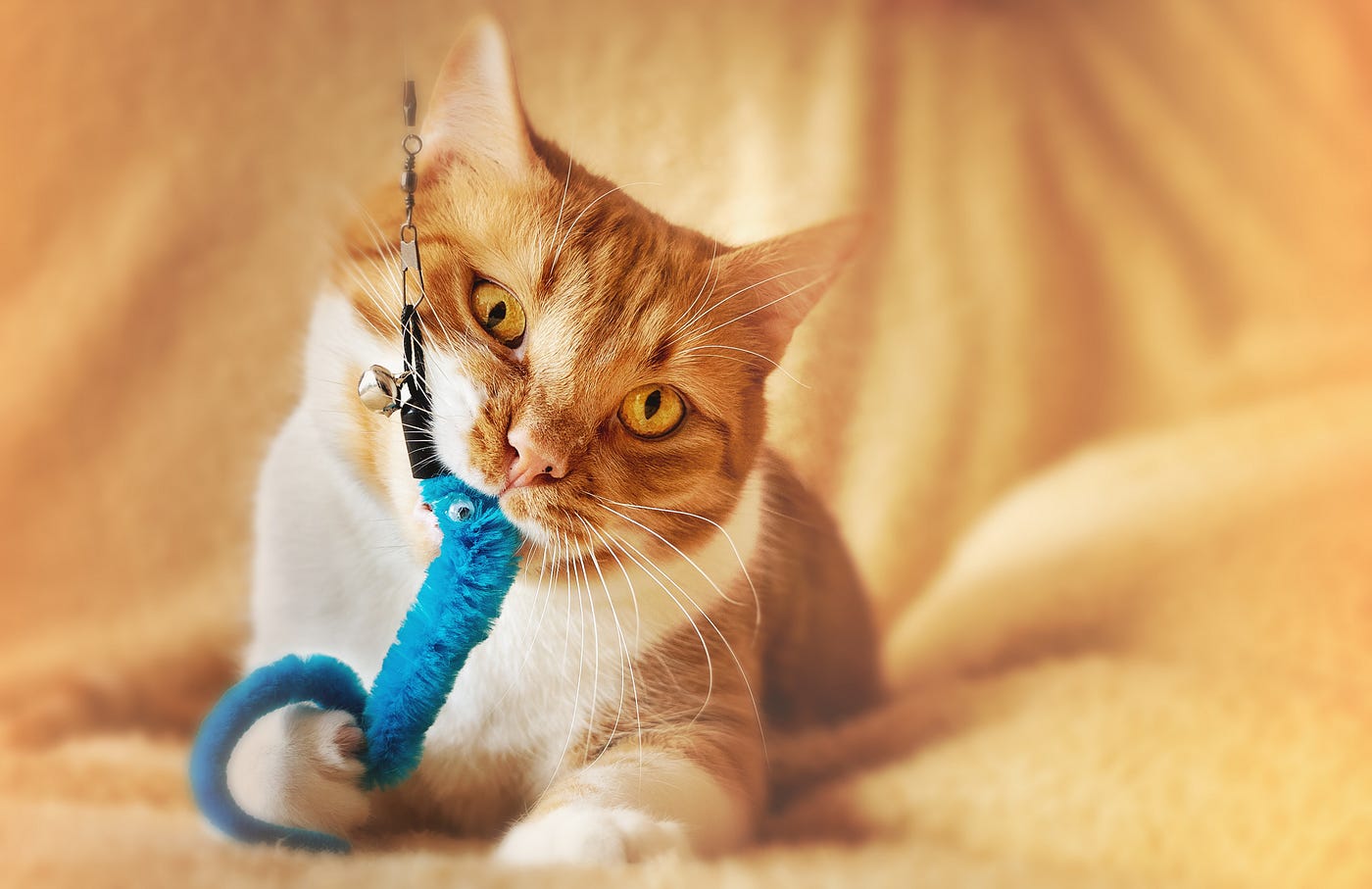
Have you ever wondered why your cat ignores certain toys but goes crazy for others? The color of a toy might be the secret you’ve been missing.
Choosing the right color can make playtime more exciting for your furry friend and keep them active and happy. You’ll discover which colors catch your cat’s eye and why. By the end, you’ll know exactly what to look for to make your cat’s playtime unforgettable.
Keep reading to unlock the colorful world of cat toys!

Credit: www.amazon.ca
Cat Vision And Color Perception
Cats do not see the world as humans do. Their vision and color perception are quite different. Knowing how cats see colors helps choose the right toy color. This makes playtime more fun and engaging for your feline friend.
How Cats See Colors
Cats have fewer color receptors than humans. They see mainly in shades of blue and green. Red, orange, and pink appear as shades of gray or brown. Their vision is similar to a person with red-green color blindness.
Cats rely more on movement and brightness than color. Their eyes detect light very well, helping them hunt in low light. Color is less important than contrast and motion for cats.
Colors Cats Respond To Most
- Blue: Bright and easy for cats to see
- Green: Visible and attractive to cats
- Yellow: Often noticed due to brightness
- Purple: Can stand out against other colors
Toys in these colors catch a cat’s attention better. Avoid red or pink toys, as cats see them dull. Bright colors with good contrast work best for play.
Differences Between Cat And Human Vision
| Feature | Cat Vision | Human Vision |
|---|---|---|
| Color Range | Limited to blue and green shades | Full color spectrum |
| Color Receptors | Two types (dichromatic) | Three types (trichromatic) |
| Night Vision | Excellent, sees well in low light | Poor in darkness |
| Focus Distance | Better at detecting movement far away | Sharper close-up vision |
Understanding these differences helps select toys that cats enjoy. Focus on colors they see well and shapes that move easily.

Credit: www.goodhousekeeping.com
Choosing Toys Based On Color
Choosing toys based on color might seem simple, but it can make a big difference in how your cat interacts with their playthings. Cats don’t see the world like humans do, so picking the right colors can help keep their attention and stimulate their natural instincts. Understanding which colors attract your cat can turn toy time into a fun and engaging experience for both of you.
Bright Colors That Catch Attention
Cats are naturally drawn to bright and contrasting colors. Toys in vibrant shades like red, orange, and yellow often stand out against typical household backgrounds. These colors can trigger your cat’s curiosity and encourage more active play.
One of my cats, for example, instantly pounces on a neon orange ball, while dull-colored toys gather dust. Bright colors mimic the movement of prey, making playtime more exciting. If you want to boost your cat’s energy during play, try introducing toys in these eye-catching hues.
Subtle Shades For Calmer Play
Not all cats prefer high-energy play. Some respond better to toys in softer colors like pastel blues, greens, or gentle pinks. These shades can create a calming effect, perfect for cats who like to bat toys around slowly or cuddle with them.
Choosing subtle colors may also help if your cat gets overwhelmed by too much visual stimulation. Does your cat seem more relaxed with certain toys? Testing different muted colors might help you find the perfect fit for quiet play sessions.
Avoiding Colors That Cats Miss
Cats have limited color vision and typically see blues and greens better than reds. Surprisingly, red toys might look dull or blend into the background from their perspective. Avoiding colors that your cat can barely see can prevent frustration during play.
Instead, focus on toys with strong contrasts and blues or purples to ensure your cat notices them easily. Have you ever wondered why some toys never get touched? Color might be the hidden reason behind your cat’s lack of interest.
Material And Texture Considerations
Choosing the right material and texture for your cat’s toy can be just as important as selecting the color. Cats interact with toys not only through sight but also through touch and taste. The feel of a toy can influence how long your cat stays interested and how often they want to play.
How Texture Affects Play
Textures can trigger different responses in cats. Soft, plush toys might appeal to cats who like to cuddle or carry their toys around. Rougher textures like sisal or rubber encourage scratching and biting, which helps satisfy natural instincts.
I noticed my cat lost interest quickly in smooth plastic balls but went crazy for a fuzzy mouse toy with a bit of crinkle inside. That texture kept her engaged for hours. Think about your cat’s usual play style—do they prefer gentle batting or vigorous chewing?
Combining Color And Material
Colors can attract your cat’s attention, but the material keeps them hooked. Brightly colored toys made from soft fabrics invite playful pouncing, while darker, durable materials suit cats who love rough play.
You might want to try a variety of combinations to see what your cat enjoys most. For example, a neon green felt ball could be great for visual stimulation, but a natural jute toy in earth tones might last longer with a heavy chewer.
What textures does your cat prefer? Have you noticed if certain materials make them play harder or longer? Testing different materials alongside colors can help you find the perfect toy that excites and lasts.
Types Of Toys And Ideal Colors
Cats respond differently to various toy types and colors. Choosing the right combination boosts their interest and playtime. Certain colors stand out more to a cat’s vision, making toys more attractive.
Understanding how cats see colors helps select the best toys. Cats see blues and greens better than reds or pinks. This knowledge shapes toy choices that keep cats active and happy.
Interactive Toys And Color Choices
Interactive toys include wand teasers, laser pointers, and puzzle feeders. Blue and green shades catch a cat’s eye during play. Bright colors stimulate their hunting instincts.
Using these colors encourages chasing and pouncing. Cats enjoy toys that move and change shape. Color contrasts make the toy easier to spot.
Plush Toys And Preferred Hues
Plush toys comfort cats and offer gentle play. Soft toys in blue, green, or purple are ideal. These colors appear clearer to cats in low light.
Neutral tones like gray work well too. Plush toys with varied textures and subtle colors calm and attract cats. Avoid reds and orange hues, as cats see them less vividly.
Balls And Movement With Color Impact
Balls are perfect for rolling and chasing. Bright blue and green balls stand out on most floors. Cats track these colors easily during fast movements.
Small, lightweight balls with bells or feathers add sound and texture. Colorful balls increase play interest and keep cats active longer. Dark or dull colors might blend with surroundings and reduce appeal.
Testing Toy Colors With Your Cat
Cats see colors differently, preferring blue and green shades. Testing various toy colors helps find which one grabs your cat’s attention best. Bright, contrasting toys often keep cats more engaged and playful.
Testing different toy colors with your cat can be a fun experiment. Cats are naturally curious and their reactions can vary with toy colors. Understanding their preferences can enhance their playtime. This experiment involves observing their behavior and adjusting based on what they enjoy.Observing Play Behavior
Watch how your cat interacts with different colored toys. Does a red toy catch their attention more? Do they ignore blue toys altogether? Notice their pawing, biting, or chasing actions. Cats usually show a preference through their play style. Take note of any repeated behavior with specific colors.Adjusting Based On Preferences
Use your observations to tailor your cat’s toy selection. Offer more toys in the colors they favor. Rotate the colors to maintain interest. You might find that certain colors stimulate more activity. Experiment with different shades and patterns. Keep the playtime engaging and fun with your cat’s preferred colors.
Credit: www.goodhousekeeping.com
Safety Tips For Colorful Toys
Choosing colorful toys for cats brings joy and excitement. Safety matters most to keep playtime fun and worry-free. Bright toys attract cats, but safe materials protect their health. Always check the toy’s quality before giving it to your cat. Play should be safe and enjoyable.
Non-toxic Dyes And Materials
Colorful toys should use non-toxic dyes. These dyes do not harm cats if licked or chewed. Natural or food-grade dyes are best choices. Avoid toys with harsh chemicals or strong smells. Soft, natural materials like cotton or wool reduce risks. Always read labels to confirm safety claims.
Avoiding Small Parts And Hazards
Small parts can be choking hazards for cats. Loose beads, buttons, or bells may fall off during play. Choose toys with firmly attached parts. Avoid strings or ribbons that cats can swallow. Inspect toys regularly for damage or loose pieces. Discard broken toys immediately to prevent accidents.
Frequently Asked Questions
What Color Toys Do Cats Prefer Most?
Cats see blue and green hues best, so toys in these colors attract them. Bright, contrasting colors also catch their attention effectively.
Do Cats See Colors Like Humans Do?
Cats see fewer colors than humans, mainly blues and greens. They have difficulty distinguishing reds and oranges, affecting toy color preferences.
Does Toy Color Affect A Cat’s Play Behavior?
Yes, cats are more responsive to toys in colors they can see clearly. Blue and green toys stimulate play more than red or yellow ones.
Are Brightly Colored Toys Better For Indoor Cats?
Brightly colored toys stand out indoors, helping cats find and engage with them easily. This enhances playtime and mental stimulation for indoor cats.
Conclusion
Choosing the right toy color helps keep your cat interested and active. Cats see some colors better than others, like blue and green. Bright colors can catch their attention quickly. Soft pastels might not excite them much. Observe your cat’s reaction to different toys.
Each cat has unique preferences, so try various colors. Keeping toys colorful supports your cat’s play and health. Happy cats mean happy homes. Simple choices can make playtime more fun and engaging.



Leave a Reply