You want your cat to be happy and healthy, but how can you be sure your furry friend is truly in good health? Sometimes, subtle signs can tell you more than a quick look.
If you’ve ever wondered whether your cat is feeling their best or if something might be wrong, this guide is for you. By paying attention to a few key things, you can spot early warning signs and keep your cat thriving.
Keep reading to discover simple ways to check your cat’s health and what steps to take if you notice anything unusual. Your cat depends on you—let’s make sure they’re as healthy as they can be.

Credit: prckc.org
Physical Appearance
Physical appearance reveals much about a cat’s health. Observing your cat closely helps spot early signs of illness. A healthy cat often shows clear signs in its coat, weight, eyes, and nose.
Coat Condition
A shiny and smooth coat signals good health. Dull, patchy, or rough fur may indicate problems. Cats groom themselves regularly, so a messy coat might mean discomfort or sickness. Watch for excessive shedding or bald spots. These could be signs of allergies or parasites.
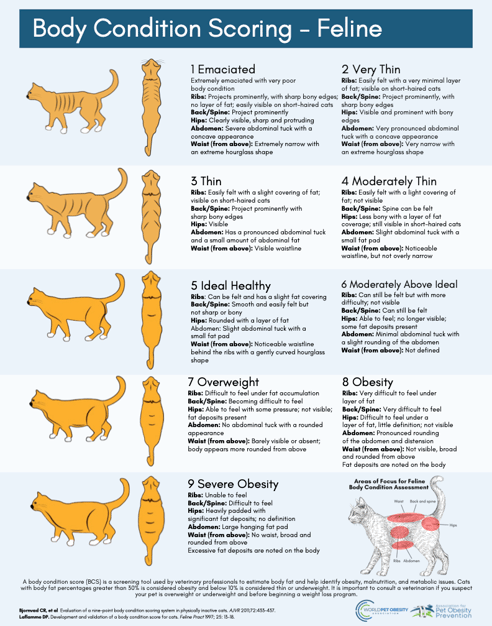
Weight And Body Shape
Healthy cats maintain a steady weight. Sudden weight loss or gain needs attention. You should feel the ribs but not see them sharply. A rounded belly might suggest overeating or health issues. Regularly checking your cat’s body helps catch changes early.
Eyes And Nose Clarity
Bright eyes without discharge show good health. Cloudy or red eyes may need a vet’s check. The nose should be clean and moist. Sneezing or thick mucus could signal infections. Clear eyes and nose mean your cat is likely well.
Credit: www.pethealthclub.com
Behavioral Indicators
Behavioral indicators reveal much about your cat’s health. Changes in behavior often signal discomfort or illness. Observing daily habits helps detect early health issues. Watch your cat closely to notice any shifts.
Activity Levels
A healthy cat is usually active and playful. Sudden tiredness or reluctance to move can indicate problems. Normal activity varies by age and breed. Older cats may rest more, but should still show interest in toys and interaction.
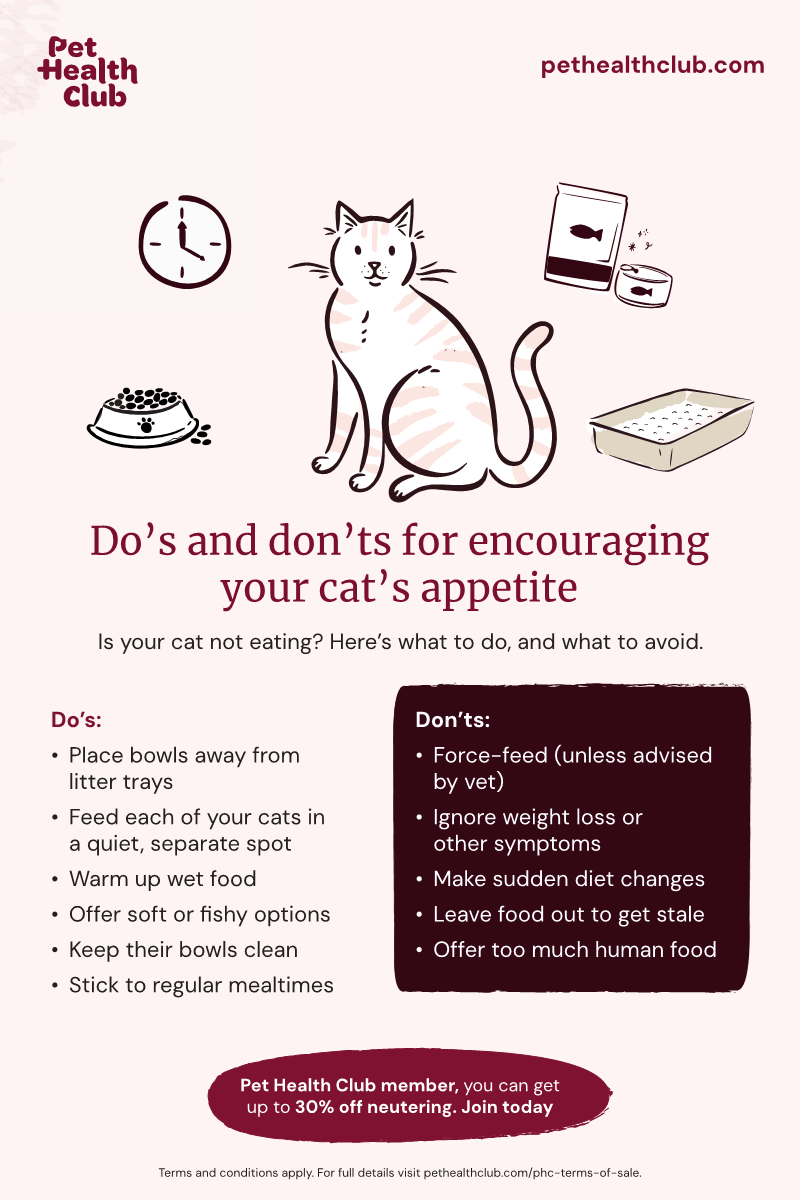
Eating And Drinking Habits
Regular eating and drinking patterns suggest good health. Loss of appetite or excessive thirst needs attention. Changes might point to dental issues, infections, or other diseases. Measure food and water intake daily for accurate tracking.
Grooming Routine
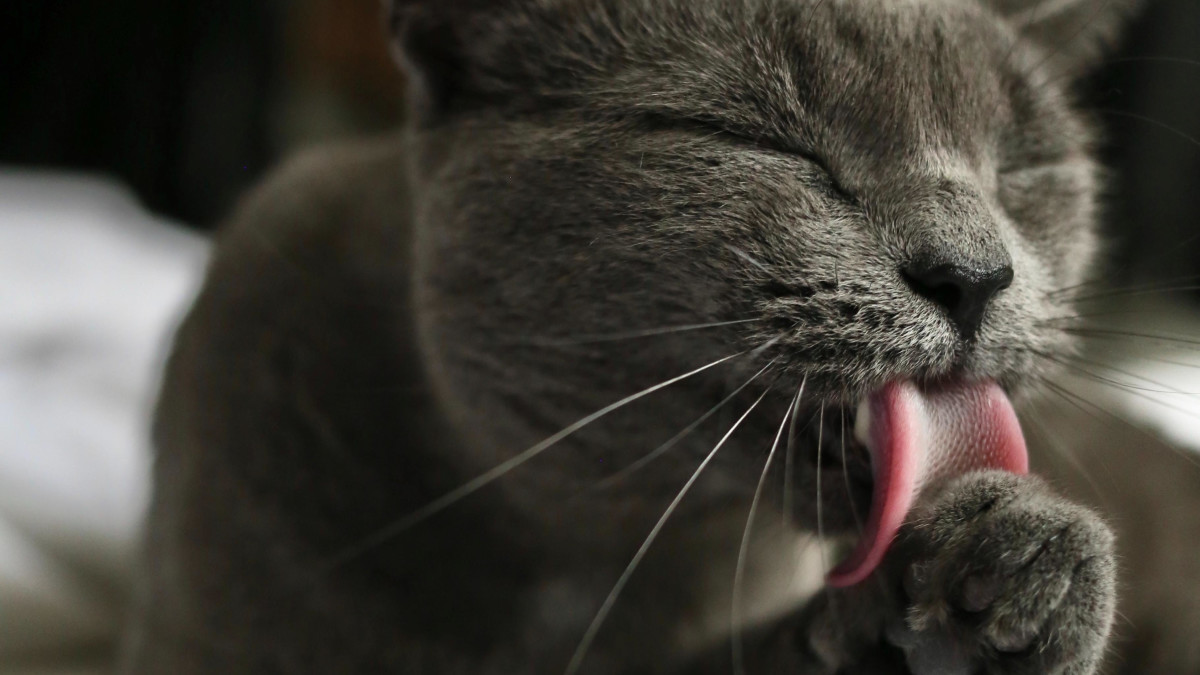
Cats groom to keep clean and healthy. A sudden stop or decrease in grooming can signal pain or sickness. Over-grooming or hair loss also requires a vet check. Healthy cats maintain a clean, shiny coat.
Vital Signs To Monitor
Monitoring your cat’s vital signs helps spot health problems early. These signs reveal how well your cat’s body functions. Regular checks can keep your cat happy and safe. Learn how to watch breathing, heart rate, and temperature.
Breathing Patterns
Watch your cat’s breathing closely. Normal breathing is smooth and quiet. Count breaths per minute by watching chest rise and fall. A healthy cat breathes about 20 to 30 times each minute. Rapid, shallow, or noisy breathing needs attention. Look for coughing or wheezing too.
Heart Rate
Feel your cat’s heartbeat to check health. Place fingers gently on the inside of the thigh. Count beats for 15 seconds and multiply by four. A normal heart rate ranges from 140 to 220 beats per minute. Too slow or too fast can mean illness. Stay calm and gentle during this check.
Temperature
Cat body temperature shows health status. Normal temperature ranges between 100.5°F and 102.5°F (38°C to 39.2°C). Use a digital thermometer for accuracy. Rectal reading is the most reliable method. Low or high temperature signals a problem. Always clean the thermometer before and after use.
Common Health Issues
Understanding common health issues in cats is essential for spotting problems early. Your cat can’t tell you when something hurts, so you need to watch closely for signs that indicate discomfort or illness. Paying attention to these issues can help you take action before a small problem becomes serious.
Signs Of Pain Or Discomfort
Cats are masters at hiding pain, but changes in behavior can be clues. You might notice your cat limping, hiding more than usual, or grooming a specific area excessively. Sometimes they become less active or lose interest in playing, which could signal discomfort.
Watch for vocal changes too—unusual meowing or growling can mean pain. Have you ever seen your cat suddenly avoid jumping or using the litter box? These could be signs that something is wrong. If you spot these behaviors, a vet visit is a smart next step.
Dental Health
Dental problems often go unnoticed until they cause serious issues. Bad breath, drooling, or difficulty eating can point to dental disease. Your cat may paw at its mouth or chew on one side only.
Regularly check your cat’s teeth and gums for redness, swelling, or tartar buildup. These issues can lead to infections that affect overall health. Have you tried gently lifting your cat’s lip to inspect its teeth? It’s easier than you think and can prevent costly vet bills.
Digestive Problems
Digestive issues like vomiting, diarrhea, or constipation are common in cats. Sometimes they result from diet changes or eating something unusual. Other times, they signal a more serious health problem.
Keep an eye on your cat’s litter box habits and stool consistency. If your cat vomits frequently or has persistent diarrhea, don’t ignore it. How often do you monitor your cat’s digestion? Early attention can prevent dehydration and other complications.
When To Visit The Vet
Signs like sudden weight loss, changes in appetite, or unusual behavior often mean a vet visit is needed. Regular check-ups help keep cats healthy and catch problems early. Watch for coughing, sneezing, or lethargy as well.
When caring for your cat, knowing when to visit the vet is crucial. Regular vet visits ensure your feline friend stays healthy and happy. But how do you know when it’s the right time for a vet visit? Let’s explore some key indicators.Emergency Symptoms
Certain symptoms in cats require immediate attention. Watch for breathing difficulties or persistent vomiting. These could signal serious health issues. Seizures or paralysis also need urgent care. If your cat is bleeding or has a visible injury, visit the vet quickly. Rapid weight loss or gain is another red flag. These signs can point to underlying problems.Regular Checkup Importance
Regular checkups play a vital role in your cat’s health. These visits catch issues early, preventing serious conditions. Your vet will check your cat’s weight, eyes, and ears. They’ll also examine teeth and gums. Monitoring these areas helps maintain overall health. Regular visits build a health history, aiding future care.Vaccination And Preventative Care
Vaccinations protect your cat from diseases. Discuss a vaccination schedule with your vet. Core vaccines include rabies and feline distemper. Preventative care also involves parasite control. Fleas, ticks, and worms can harm your cat. Your vet can recommend treatments to prevent infestations. Regular preventative care keeps your cat healthy and safe.
Credit: applaws.com
Tips For Maintaining Cat Health
Maintaining your cat’s health requires simple and steady care. Small daily actions can make a big difference. Focus on diet, exercise, and safety. These areas keep your cat happy and strong.
Balanced Diet Choices
Feed your cat food rich in nutrients. Choose high-quality cat food with proteins and vitamins. Avoid giving your cat human snacks or too many treats. Fresh water should always be available. Watch your cat’s weight and adjust portions as needed.
Exercise And Enrichment
Keep your cat active with regular playtime. Use toys like balls, feathers, or laser pointers. Create spaces for climbing and exploring. Mental stimulation is important too. Puzzle feeders and interactive toys help prevent boredom.
Safe Environment
Provide a secure home for your cat. Remove toxic plants and dangerous objects. Check windows and balconies for safety. Keep harmful chemicals out of reach. Regular vet check-ups help spot health issues early.
Frequently Asked Questions
How Can I Tell If My Cat Is Healthy?
Look for clear eyes, a shiny coat, normal appetite, and regular activity. Healthy cats have steady weight and no unusual behavior.
What Are Common Signs Of Cat Illness?
Watch for vomiting, diarrhea, lethargy, coughing, or changes in appetite. Early signs include hiding or grooming less.
How Often Should I Take My Cat To The Vet?
Cats need a vet checkup at least once a year. Older or sick cats may need more frequent visits.
Can Changes In Behavior Indicate Cat Health Issues?
Yes, sudden changes in mood, grooming, or activity can signal health problems. Monitor your cat closely for unusual behavior.
Conclusion
Healthy cats show clear signs of well-being. Watch their eating, sleeping, and playing habits. Regular vet visits keep your cat’s health in check. Small changes in behavior can signal problems early. Pay attention to their coat, eyes, and energy levels.
Taking good care of your cat helps them live longer. Trust your feelings if something feels off. A happy cat makes a happy home. Keep learning and stay alert to your cat’s needs. Your care makes all the difference.



Leave a Reply