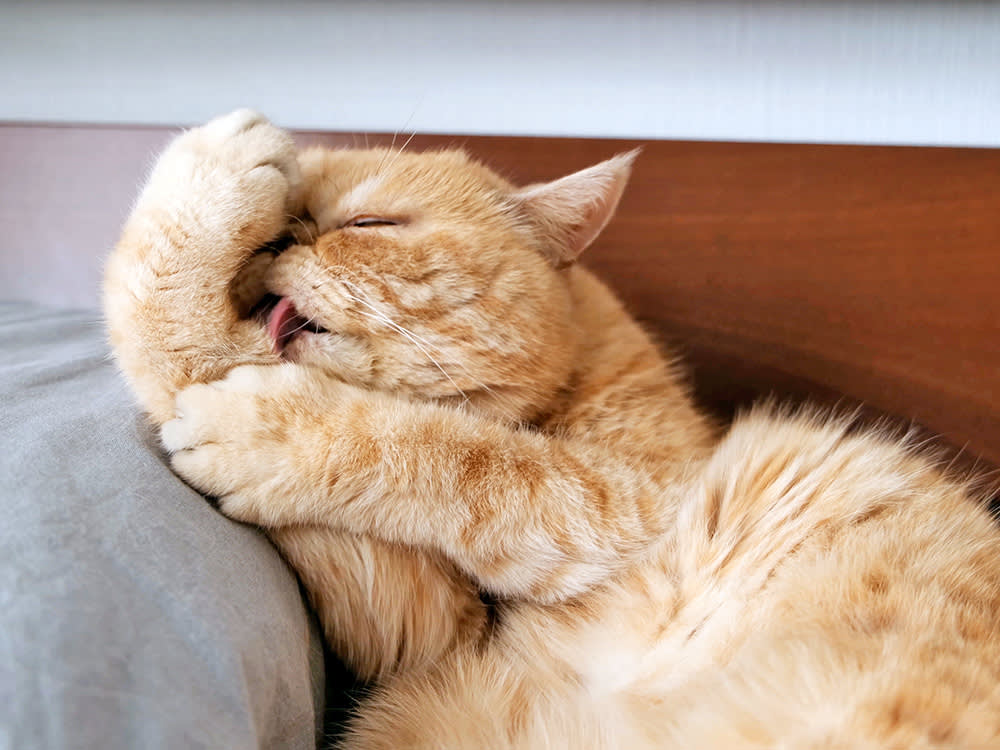
Have you noticed your cat isn’t grooming himself like he used to? It’s a subtle change, but it can be a sign that something’s wrong.
Your cat’s grooming habits say a lot about his health and happiness. When he stops cleaning himself, it might mean he’s feeling stressed, sick, or uncomfortable. Understanding why this happens can help you protect your furry friend and get him back to his usual self.
Keep reading to discover the common reasons behind this change and what you can do to help your cat feel better.
Common Reasons Cats Stop Grooming
Cats usually spend a lot of time grooming themselves. It keeps their fur clean and healthy. When a cat stops grooming, it may show a problem. Understanding the common reasons helps you act quickly. It is important for your cat’s well-being.
Health Issues
Illness can stop a cat from grooming. Skin infections, fleas, or allergies cause discomfort. Cats with health problems feel weak or tired. They may avoid grooming to save energy. Regular vet visits help catch these problems early.
Pain And Discomfort
Pain from injuries or arthritis can limit movement. Grooming needs flexibility and comfort. A cat in pain may miss hard-to-reach spots. Watch for limping or sensitivity to touch. Pain relief can improve grooming habits.
Stress And Anxiety
Stress affects a cat’s behavior greatly. Changes in the home or loud noises can upset cats. An anxious cat may stop grooming as a sign of stress. Creating a calm environment helps them feel safe. Regular routines reduce anxiety.
Age-related Changes
Older cats groom less due to stiffness or memory loss. Aging slows down their activity and energy. They may forget grooming or find it hard to reach places. Support older cats with gentle brushing. It helps keep their coat clean.
Environmental Factors
Dirty or uncomfortable surroundings affect grooming. Cats avoid grooming if they feel unsafe. Outdoor cats may stop grooming due to parasites or dirt. Clean bedding and quiet spaces encourage grooming. A safe environment supports healthy habits.
Signs Your Cat Needs Help
Noticing your cat has stopped grooming can signal a problem. Cats groom to stay clean and healthy. When they stop, it often means they need help. Watch closely for signs that show your cat is struggling.
Changes In Coat Appearance
- Dull or greasy fur
- Mattes or tangles in the coat
- Excessive shedding
- Bald patches or thinning fur
- Skin redness or flakes
Behavioral Shifts
- Less active or hiding more
- Increased irritability or aggression
- Avoiding touch or petting
- Loss of interest in play
- Sleeping more than usual
Physical Symptoms
- Weight loss or gain
- Swelling or lumps on the body
- Difficulty moving or limping
- Bad breath or drooling
- Excessive scratching or biting
Litter Box Habits
- Using the litter box less often
- Accidents outside the box
- Straining or crying while urinating
- Changes in stool consistency
- Frequent trips to the box
Medical Conditions Affecting Grooming
When your cat suddenly stops grooming, it could signal more than just a change in behavior. Medical issues often lie beneath this shift, affecting your cat’s ability or desire to keep clean. Recognizing these health problems early can make a huge difference in your cat’s comfort and recovery.
Skin Infections And Parasites
Skin infections and parasites like fleas or mites can cause intense itching and discomfort. Your cat might avoid grooming painful or irritated areas, leading to a messy coat. If you notice redness, scabs, or bald patches, it’s time to check with your vet about possible infections or infestations.
Arthritis And Mobility Problems
Older cats often develop arthritis, making it painful to reach certain parts of their body. This pain can stop them from grooming themselves properly. Have you seen your cat struggling to twist or bend? Simple movements might become too uncomfortable, and your vet can help with treatments to ease the pain.
Dental Issues
Pain from dental problems can affect your cat’s overall grooming habits. If chewing hurts, your cat might also neglect grooming because of mouth discomfort. Look for signs like bad breath, drooling, or pawing at the mouth to catch dental issues early.
Neurological Disorders
Conditions affecting the brain or nerves can disrupt your cat’s grooming routine. Neurological problems may cause confusion or weakness, making grooming difficult or forgotten. If your cat seems disoriented or uncoordinated, a vet visit is crucial to diagnose and manage these disorders.

Credit: www.reddit.com
Emotional And Environmental Influences
Changes in your cat’s emotional state or environment can seriously affect their grooming habits. Cats are sensitive creatures, and shifts around them can lead to stress or discomfort. Understanding these influences helps you spot the root cause and support your furry friend better.
Stress Triggers
Stress can stop your cat from grooming as usual. Loud noises, unfamiliar visitors, or even a new piece of furniture might make your cat anxious.
I once noticed my cat stopped grooming after a nearby construction started. It took weeks for him to feel calm enough to clean himself again. Does your cat seem tense or hide more than usual?
Changes In Household
Moving to a new home or rearranging rooms can unsettle your cat. They rely on familiar scents and spaces to feel secure. Sudden changes can make grooming feel less important to them.
If you’ve recently added new people or pets, your cat might be adjusting to the shift. Have you observed if your cat’s grooming habits improved once things settled?
Lack Of Stimulation
Boredom can lead to a drop in grooming behavior. Cats need mental and physical activity to stay happy and healthy.
Without enough playtime or interaction, they might neglect self-care. Try adding new toys or a cozy window perch to spark your cat’s interest. How often do you engage your cat in play?
Social Dynamics With Other Pets
The presence of other animals can affect your cat’s grooming routine. Competition or tension with other pets might cause stress or distraction.
Sometimes, a cat stops grooming to avoid conflict or because they feel unsafe. Watch their body language closely. Do your pets get along, or is there ongoing stress between them?
Effective Solutions To Encourage Grooming
When a cat stops grooming, it signals a problem. Cats are meticulous groomers, so changes in this behavior require attention. Addressing the underlying issues can help your cat get back to its routine.
Veterinary Care And Treatment
Consult a vet to rule out medical issues. Health problems often affect grooming habits. A professional can provide a diagnosis and treatment plan.
Pain Management
Pain can deter grooming. Arthritis or injuries make movement difficult. Consult your vet for pain relief options.
Stress Reduction Techniques
Stress affects a cat’s grooming behavior. Identify stressors in the environment. Introduce calming techniques like pheromone diffusers. Ensure your cat has a quiet, safe space.
Regular Grooming Assistance
Assist your cat with grooming if needed. Use a soft brush to help remove loose fur. Regular brushing reduces mats and tangles.
Improving Living Conditions
Ensure your cat’s living space is clean and comfortable. A tidy environment encourages better grooming habits. Provide engaging toys and scratching posts to stimulate activity.

Credit: www.reddit.com
Preventing Grooming Problems
Preventing grooming problems in your cat starts with understanding the root causes and taking proactive steps. Grooming is more than just keeping clean—it reflects your cat’s health and emotional state. When you pay attention to the basics, you can help your feline friend stay comfortable and maintain their natural grooming habits.
Routine Health Checks
Regular vet visits catch issues before they become serious. Skin infections, arthritis, or dental pain can stop your cat from grooming properly. Have your vet check your cat’s overall health, skin condition, and mobility at least once a year.
If you notice changes in your cat’s coat or behavior, don’t wait. Early intervention can prevent long-term grooming problems. How often do you observe your cat’s grooming habits closely?
Balanced Diet And Hydration
Your cat’s fur reflects their nutrition. A diet rich in omega-3 and omega-6 fatty acids supports healthy skin and a shiny coat. Ensure your cat drinks enough water daily, as dehydration can cause dry skin and discomfort.
Switching to high-quality food or adding supplements might improve your cat’s grooming naturally. Have you checked your cat’s food label lately to see if it meets their nutritional needs?
Creating A Calm Environment
Stress can cause cats to stop grooming. Loud noises, new pets, or changes in routine may unsettle your cat. Create quiet, safe spaces where your cat can relax and feel secure.
Consider pheromone diffusers or soft music to reduce anxiety. A calm cat is more likely to keep up with grooming. What small changes can you make to your home to lower your cat’s stress?
Providing Enrichment Activities
Boredom often leads to neglecting grooming. Interactive toys, climbing shelves, and regular playtime keep your cat engaged and active. Physical activity encourages natural behaviors, including self-cleaning.
Try rotating toys to keep your cat interested and watch how their grooming improves. How do you currently keep your cat stimulated throughout the day?

Credit: www.reddit.com
Frequently Asked Questions
Why Did My Cat Suddenly Stop Grooming Itself?
Cats may stop grooming due to illness, pain, or stress. Health issues like arthritis or dental pain can limit movement. Stressful environments or changes can also disrupt grooming habits. Consulting a vet helps identify and treat underlying problems promptly.
Can Grooming Neglect Indicate My Cat’s Health Problems?
Yes, grooming neglect often signals health problems. Conditions like skin infections, obesity, or arthritis cause discomfort. Cats may avoid grooming when feeling unwell. Early vet visits can diagnose issues and prevent complications.
How Does Stress Affect A Cat’s Grooming Behavior?
Stress can reduce grooming frequency or cause over-grooming. Anxiety from new pets, moving, or loud noises triggers changes. Stress management and a calm environment encourage normal grooming habits in cats.
What Should I Do If My Cat Stops Grooming Itself?
Observe for other symptoms and consult your vet quickly. Provide a comfortable, stress-free environment and maintain regular grooming. Early intervention ensures proper treatment and keeps your cat healthy.
Conclusion
Cats stop grooming for many reasons, like illness or stress. Watch your cat’s behavior and look for changes. Visit a vet to find health problems early. Help your cat feel safe and calm at home. Regular grooming keeps your cat clean and happy.
Understanding why grooming stops helps you care better. Small actions can improve your cat’s well-being a lot. Stay patient and gentle with your furry friend. Caring for your cat shows how much you love them.




Leave a Reply