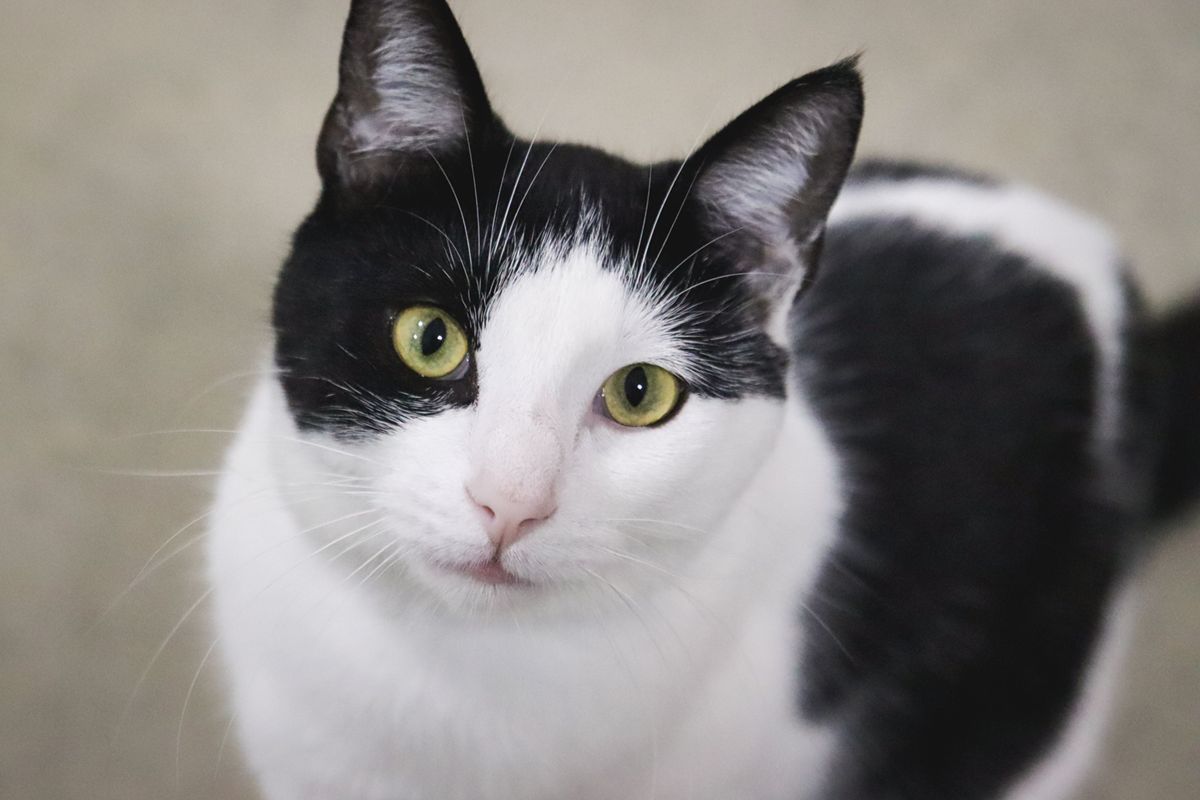
If you have a tuxedo cat or are thinking about getting one, you probably want to know how to keep your furry friend healthy and happy. While tuxedo cats are known for their striking black-and-white coats and playful personalities, they can face some health challenges that you should be aware of.
Understanding these issues early can help you spot signs of trouble and give your cat the care it deserves. Keep reading to learn what health problems tuxedo cats may face and how you can protect your beloved pet.

Credit: www.yahoo.com
Common Health Problems
Understanding the common health problems tuxedo cats face can help you keep your feline friend happy and healthy. These issues may not be unique to their coloring, but certain conditions do appear more frequently in tuxedo cats. Knowing what to watch for allows you to act early and seek veterinary care promptly.
Genetic Disorders
Tuxedo cats can inherit genetic disorders that affect their overall well-being. One such condition is hypertrophic cardiomyopathy (HCM), a heart disease that thickens the heart walls and can lead to heart failure. Regular check-ups and early screening for heart issues can make a big difference in managing this risk.
Another genetic concern is polycystic kidney disease (PKD), where cysts form in the kidneys, potentially causing kidney failure. If your tuxedo cat has a family history of PKD, ask your vet about genetic testing to catch problems early.
Respiratory Issues
Respiratory problems are common in many cats, and tuxedo cats are no exception. Upper respiratory infections, often caused by viruses or bacteria, can lead to sneezing, coughing, and nasal discharge. These infections spread quickly, especially in multi-cat households, so prompt treatment is essential.
Chronic respiratory conditions like asthma also affect some tuxedo cats, causing wheezing and difficulty breathing. If your cat shows persistent respiratory symptoms, don’t delay a vet visit—managing breathing issues improves their quality of life significantly.
Dental Health Concerns
Dental problems often go unnoticed until they cause pain or affect eating habits. Tuxedo cats are prone to gingivitis and periodontal disease, both of which can lead to tooth loss if untreated. Regular brushing and dental check-ups help prevent these painful issues.
Pay attention if your cat stops eating dry food, drools more than usual, or has bad breath. These signs could mean dental trouble. Ask your vet about dental cleanings and at-home care routines to keep your cat’s mouth healthy.
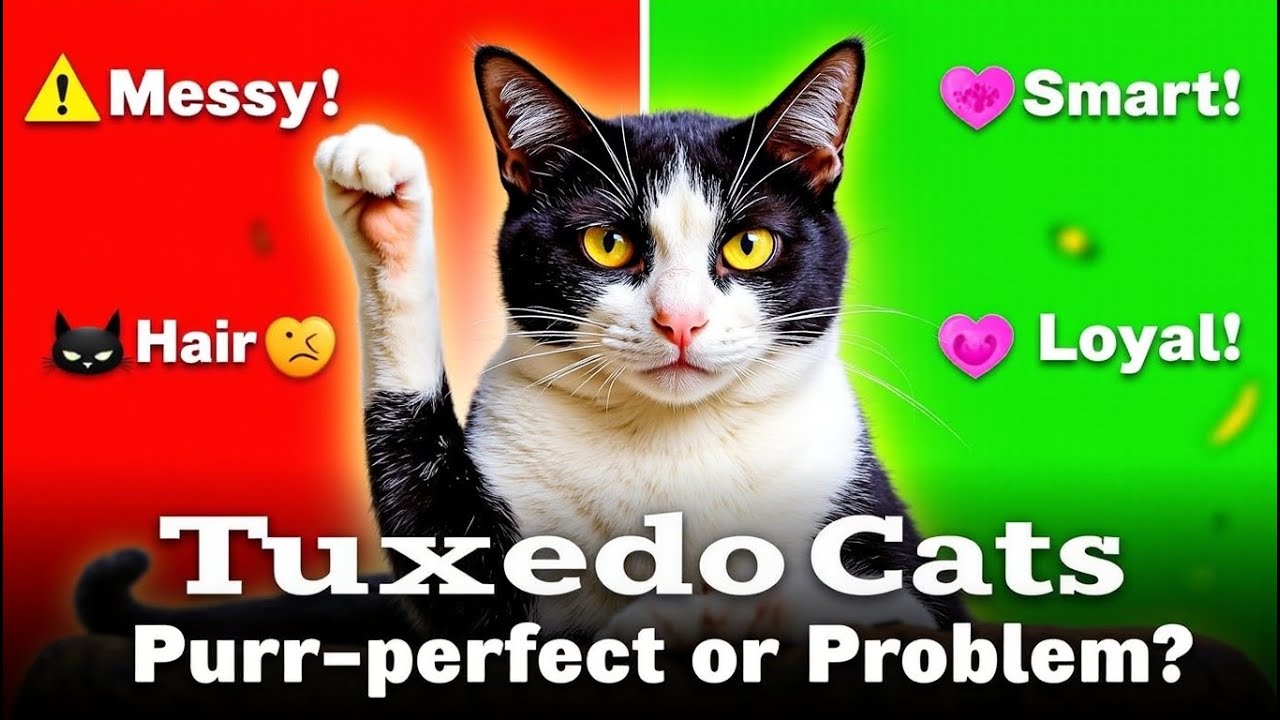
Credit: www.youtube.com
Diet And Nutrition
Diet and nutrition play a crucial role in keeping your tuxedo cat healthy and energetic. Feeding the right food supports their immune system, maintains a shiny coat, and helps prevent common health problems. Understanding what your tuxedo cat needs can make a real difference in their overall well-being.
Balanced Diet Needs
Tuxedo cats require a diet rich in high-quality protein to support their active muscles. Look for foods with real meat listed as the first ingredient, like chicken or fish. Including moderate fats and limited carbohydrates can help maintain their ideal weight and energy levels.
Don’t forget about hydration. Wet food or fresh water is essential, especially if your cat doesn’t drink much on its own. Have you noticed your tuxedo cat prefers certain textures or flavors? Paying attention to these preferences can improve their eating habits.
Foods To Avoid
Some foods can harm your tuxedo cat, even in small amounts. Avoid giving them onions, garlic, chocolate, and caffeine — these are toxic to cats. Dairy products often cause stomach upset, as many cats are lactose intolerant.
Also, steer clear of raw dough or bones, which can cause choking or digestive issues. If you’re tempted to share your snacks, ask yourself if what you’re offering truly supports your cat’s health or just satisfies your momentary impulse.
Supplements For Health
Supplements can fill gaps in your cat’s diet but should be used carefully. Omega-3 fatty acids promote a glossy coat and reduce inflammation. Probiotics support digestion and improve nutrient absorption.
Before adding supplements, consult your vet to avoid overdosing or interactions with medications. Have you ever noticed changes in your cat’s coat or energy after trying a supplement? Tracking these effects can help you decide what works best for your tuxedo friend.
Exercise And Activity
Tuxedo cats need regular exercise to stay healthy and happy. Activity helps them use energy and keeps their muscles strong. Without enough movement, tuxedo cats can face health problems like weight gain and joint issues. Encouraging play and activity supports their overall well-being.
Maintaining Healthy Weight
Exercise is key to controlling a tuxedo cat’s weight. A healthy weight reduces stress on joints and organs. Regular activity burns calories and prevents excess fat buildup. Keeping your cat active helps avoid diseases linked to obesity.
Recommended Activities
Choose fun activities that stimulate tuxedo cats both physically and mentally. Use toys like feather wands, laser pointers, and balls to encourage chasing and pouncing. Set aside daily playtime sessions to keep them engaged. Climbing trees or scratching posts also promote natural movements and exercise.
Preventing Obesity
Obesity increases risks of diabetes and heart problems in tuxedo cats. Balance exercise with a proper diet to prevent weight gain. Avoid overfeeding and limit treats. Monitor your cat’s weight regularly and adjust activity levels as needed. Active cats live longer, healthier lives.
Regular Vet Checkups
Regular vet checkups keep tuxedo cats healthy and happy. These visits help catch health problems early. They also ensure your cat receives necessary care on time. Regular exams support a long, active life for tuxedo cats.
Vaccination Schedule
Vaccinations protect tuxedo cats from many serious diseases. A vet will create a schedule based on your cat’s age and lifestyle. Core vaccines usually include:
- Feline distemper
- Rabies
- Feline herpesvirus
- Calicivirus
Following the vaccination schedule prevents infections and reduces health risks.
Routine Screenings
Routine screenings check your cat’s overall health. Vets examine teeth, eyes, and coat condition. Blood tests and urine analysis detect hidden issues early. Screenings help monitor organ function and detect parasites.
Early Detection Of Diseases
Early disease detection leads to better treatment outcomes. Vets can spot signs of kidney disease, diabetes, or heart problems. Early action slows disease progression and improves quality of life. Regular checkups catch problems before symptoms worsen.
Environmental Factors
Tuxedo cats, like all pets, are affected by their environment. Their surroundings play a crucial role in their health and well-being. Understanding these environmental factors can help keep them healthy and happy.
Safe Living Spaces
A safe living space is vital for tuxedo cats. Remove potential hazards from their environment. Ensure windows and balconies are secure. This prevents falls and accidents. Provide cozy spots for rest and play. Cats love exploring, so offer climbing trees or shelves. Keep their litter box clean and accessible.
Stress And Its Effects
Stress can harm a tuxedo cat’s health. Changes in routine or environment may cause anxiety. Loud noises or new pets can be stressful. Monitor your cat’s behavior for signs of stress. This includes hiding or aggression. Provide a calm and quiet space for relaxation. Interactive toys can also help reduce stress.
Avoiding Toxins
Toxins pose a serious threat to tuxedo cats. Keep harmful substances out of reach. This includes cleaning products and human medications. Certain plants are toxic to cats. Avoid lilies, poinsettias, and aloe vera. Always research before bringing new plants home. Ensure your cat’s food is fresh and safe. Regularly check for recalls on pet food products.
Behavioral Health
Behavioral health is a vital part of your tuxedo cat’s overall well-being. It affects how they interact with their environment and you. Paying close attention to their behavior can help spot issues early and keep your feline friend happy and healthy.
Signs Of Illness
Your tuxedo cat can’t tell you when they feel unwell, but their behavior often reveals it. Look for changes like sudden hiding, loss of appetite, or increased aggression. These shifts might signal pain or discomfort that needs veterinary attention.
Notice if your cat stops grooming or becomes unusually lethargic. Such signs are subtle but important. You might catch a problem before it becomes serious by observing these small changes daily.
Mental Stimulation
Keeping your tuxedo cat mentally active is crucial. Cats are naturally curious and love challenges that engage their minds. Puzzle feeders, interactive toys, and new play routines can prevent boredom and reduce stress.
Have you tried rotating toys to maintain their interest? Even simple games like hide-and-seek with treats can spark their curiosity. A bored cat may develop destructive habits or show signs of anxiety.
Social Interaction
Tuxedo cats often form strong bonds with their humans and other pets. Regular social interaction helps them feel secure and loved. Spend quality time petting, talking, or playing to build trust and emotional health.
Does your tuxedo cat seek your company or prefer solitude? Understanding their social needs can guide you in providing the right balance. Too little interaction may lead to loneliness, while too much can stress a shy cat.
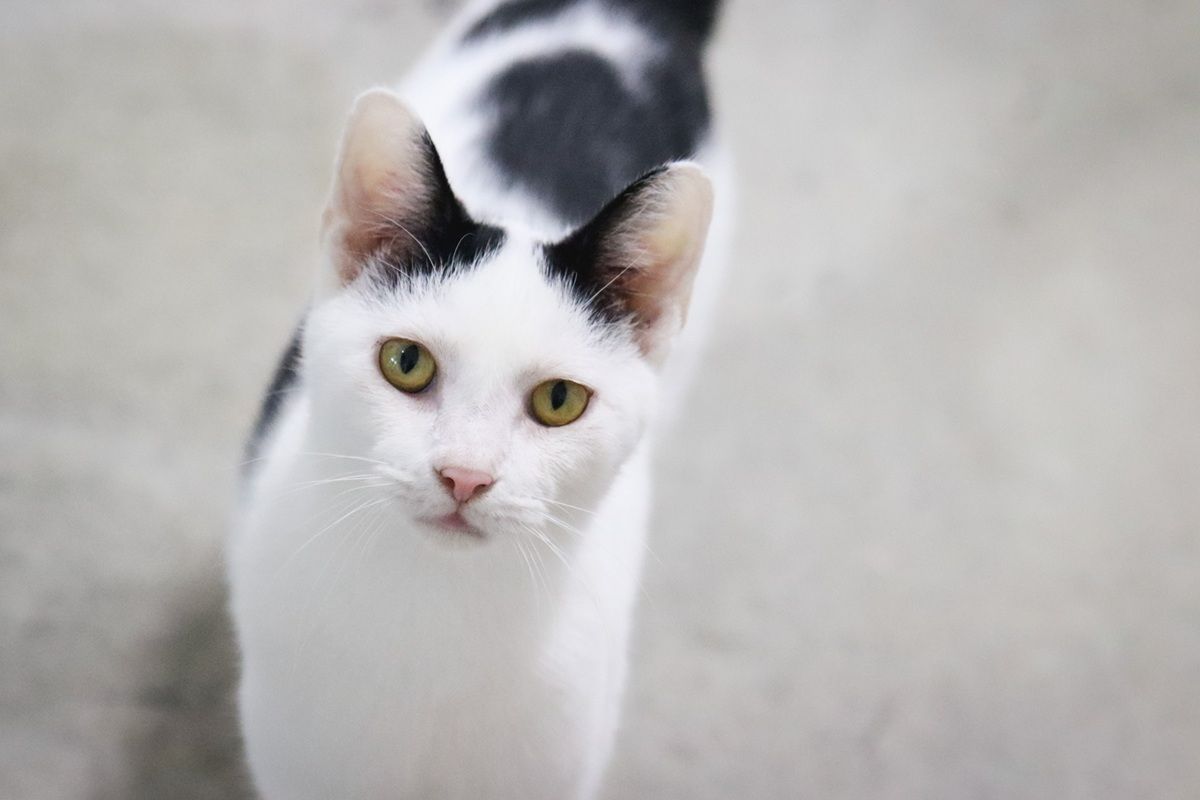
Credit: cats.com
Frequently Asked Questions
What Common Health Issues Affect Tuxedo Cats?
Tuxedo cats often face typical feline health problems like obesity, dental disease, and urinary tract infections. Their unique coat does not cause specific health issues but regular vet check-ups help maintain overall wellness.
Do Tuxedo Cats Have Genetic Health Risks?
No specific genetic health risks are linked to tuxedo cats. Their health depends on breed, lifestyle, and care rather than coat color or pattern.
How Can I Prevent Health Problems In Tuxedo Cats?
Provide a balanced diet, regular exercise, and routine veterinary care. Early detection through check-ups helps prevent common feline diseases and keeps tuxedo cats healthy.
Are Tuxedo Cats Prone To Obesity?
Like many cats, tuxedo cats can become obese without proper diet and exercise. Monitor food intake and encourage play to maintain a healthy weight.
Conclusion
Tuxedo cats can face some health problems like any other cats. Regular vet visits help catch issues early. Good food and exercise keep them strong and happy. Watch for signs like changes in eating or behavior. Early care makes a big difference in their lives.
Love and attention also improve their well-being. Taking care of your tuxedo cat means a healthy, joyful friend. Keep learning about their needs for the best care. Your tuxedo cat deserves the best life possible.




Leave a Reply