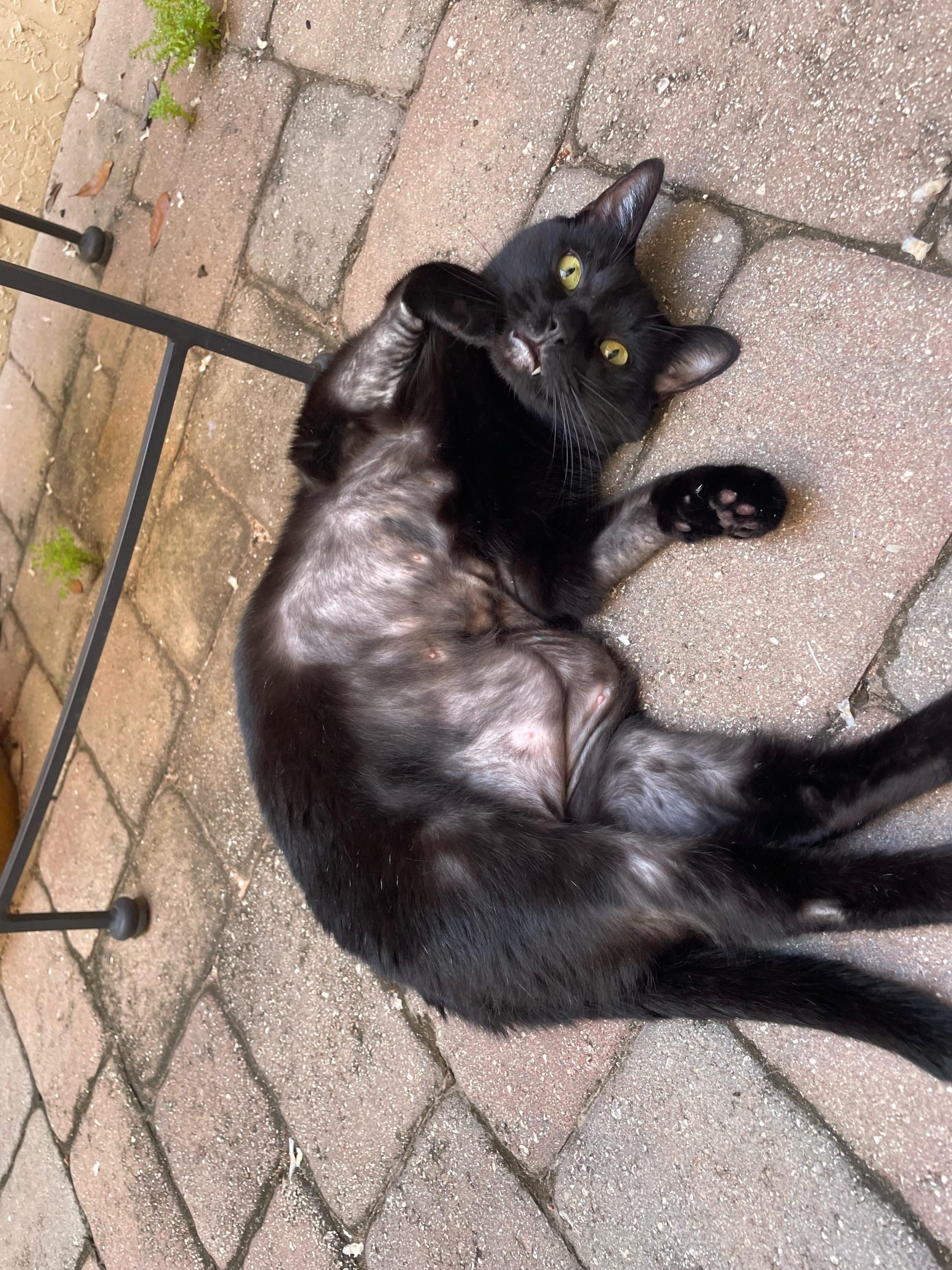
Have you noticed your cat suddenly stopping its regular grooming habits? It might seem like a small change, but it can tell you a lot about your furry friend’s health and happiness.
When your cat stops grooming, it’s not just about looking messy—it could be a sign that something important is going on. You’ll discover why grooming matters, what causes your cat to stop, and what you can do to help. Keep reading to make sure your cat stays healthy and comfortable every day.
)
Credit: www.northroadvet.com.au
Signs Of Grooming Changes
Noticing changes in your cat’s grooming habits can be a key sign that something is off. Cats are usually meticulous groomers, so when they stop or reduce this behavior, it’s worth paying attention. Understanding the signs can help you catch health or emotional issues early.
Visible Coat Issues
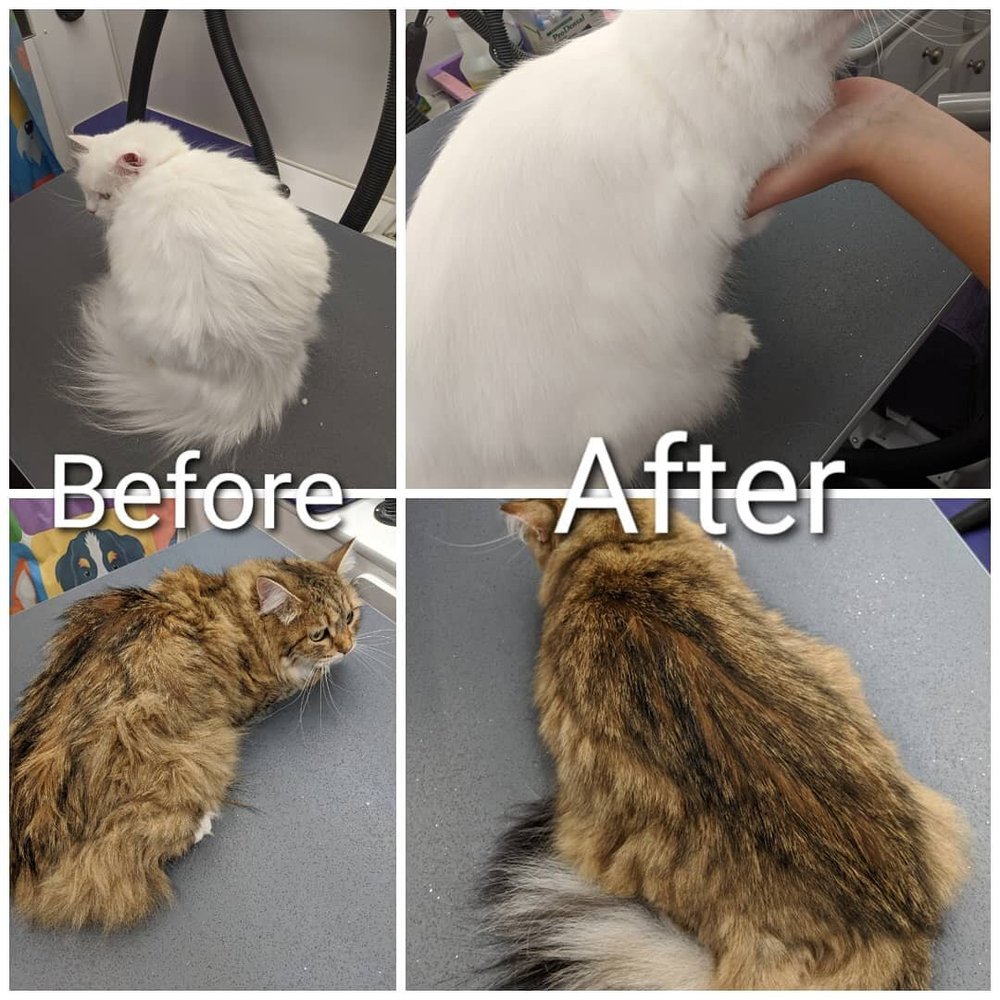
A dull or patchy coat is often the first sign that your cat isn’t grooming properly. You might see mats, clumps of fur, or even bald spots developing. These changes don’t just affect appearance—they can lead to skin infections or irritations if left untreated.
Have you ever felt surprised by how much your cat’s fur can change in just a few days? That sudden difference often signals a problem beneath the surface.
Behavioral Shifts
When grooming declines, your cat may also act differently. They might hide more, become less playful, or seem anxious and restless. Grooming is a calming activity for cats, so less grooming can indicate stress or discomfort.
Pay attention to whether your cat is avoiding you or other pets. Changes in social behavior often accompany grooming changes and can help you understand their emotional state.
Physical Discomfort Indicators
Physical pain or illness often causes grooming to stop. Look for signs such as limping, sensitivity when touched, or frequent scratching in certain areas. These can mean your cat is avoiding grooming because it hurts.
Has your cat started licking one spot excessively or suddenly stopped grooming a previously well-kept area? This can be a clear signal of underlying pain or skin problems that need a vet’s attention.
Credit: www.squeakycleangrooming.com
Common Causes
When your cat suddenly stops grooming, it’s a sign worth paying attention to. Grooming is not just about cleanliness; it reflects your cat’s overall well-being. Understanding the common causes behind this change can help you act quickly and appropriately.
Health Problems
Illness or pain can make grooming uncomfortable or even impossible for your cat. Skin infections, dental issues, arthritis, or internal diseases often reduce their ability to keep clean.
Have you noticed your cat licking one spot excessively or avoiding certain movements? These might be subtle hints of discomfort. A timely vet visit can catch issues before they worsen.
Stress And Anxiety
Changes in your cat’s environment or routine can trigger stress, leading to less grooming. New pets, visitors, or loud noises might overwhelm your feline friend.
Think about recent changes in your home—could they be causing anxiety? Cats often stop self-care when feeling unsettled, so creating a calm space might encourage grooming again.
Environmental Factors
Dirty or uncomfortable surroundings can discourage grooming. If your cat’s litter box is unclean or their resting area is damp, they may avoid grooming due to irritation.
Consider your cat’s environment—are there any changes or issues that might be affecting their comfort? Sometimes, improving their space can reignite their grooming habits.
Age-related Changes
Older cats often groom less due to reduced flexibility or energy. Their joints might ache, or they might simply tire more easily during grooming sessions.
Have you seen your senior cat struggling to reach certain areas? Offering gentle help or regular brushing can keep them comfortable and clean.
Health Conditions Linked To Grooming
Noticing your cat stop grooming can be worrying. Grooming is more than just a habit for cats—it’s a sign of their health and well-being. When grooming habits change, it might signal underlying health problems that need your attention.
Skin Infections
Skin infections can cause discomfort and make grooming painful for your cat. If your cat has sores, redness, or scabs, they might avoid licking those areas. Sometimes, untreated infections can worsen quickly, leading to hair loss or more serious health issues.
Have you checked your cat’s skin lately for unusual patches or swelling? Early detection can save your pet from prolonged discomfort.
Dental Issues
Dental pain often stops cats from grooming themselves properly. Problems like tooth decay or gum disease can make moving their tongue uncomfortable. When your cat’s mouth hurts, they may groom less or miss hard-to-reach spots.
Pay attention if your cat seems reluctant to eat or drools more than usual. These signs can hint at dental trouble affecting their grooming behavior.
Arthritis And Mobility
Older cats or those with arthritis may find grooming physically challenging. Stiff joints and pain limit their ability to reach certain parts of their body. If you notice your cat grooming only accessible areas, arthritis could be the cause.
Consider how your cat moves around—does stiffness seem to slow them down? Supporting mobility with vet-approved treatments can help restore their grooming routine.
Parasites
Parasites like fleas and mites cause itching and irritation, which can disrupt grooming. Cats may lick excessively or avoid grooming due to discomfort. Parasite infestations can spread quickly and lead to skin problems if untreated.
Have you recently checked your cat for tiny bugs or flea dirt? Regular parasite prevention is crucial for keeping your cat comfortable and clean.
Vital Solutions
When your cat stops grooming, it signals a need for immediate attention. Vital solutions can help you tackle this issue head-on and improve your cat’s well-being. Understanding these solutions empowers you to act quickly and thoughtfully, ensuring your feline friend stays healthy and comfortable.
Veterinary Care
First, take your cat to a vet for a thorough check-up. Grooming problems often stem from underlying health issues like dental pain, arthritis, or skin infections. Your vet can diagnose these conditions and recommend treatments that make grooming easier for your cat.
Sometimes, a simple medication or therapy can make a big difference. Don’t ignore subtle changes in behavior—they might be your cat’s way of asking for help.
Improving Environment
Your cat’s surroundings play a big role in its grooming habits. Make sure your cat’s living space is clean, quiet, and free from stressors. Cats may stop grooming if they feel unsafe or uncomfortable.
Try adding cozy spots and hiding places. These can encourage your cat to relax and feel more secure, which often leads to better self-care.
Diet And Nutrition
A balanced diet supports healthy skin and fur. Poor nutrition can cause dull coats and skin problems that discourage grooming. Check if your cat’s food includes essential fatty acids, vitamins, and minerals.
If you notice coat changes, consider switching to a high-quality cat food or adding supplements. Always discuss dietary changes with your vet to ensure they meet your cat’s specific needs.
Stress Reduction Techniques
Stress can stop a cat from grooming. Loud noises, new pets, or changes at home can make your cat anxious. Identify and reduce these stressors to help your cat feel calm again.
Try gentle playtime, pheromone diffusers, or calming music. Observe your cat’s reactions and adjust your approach—your goal is to create a peaceful environment.
Assisted Grooming Tips
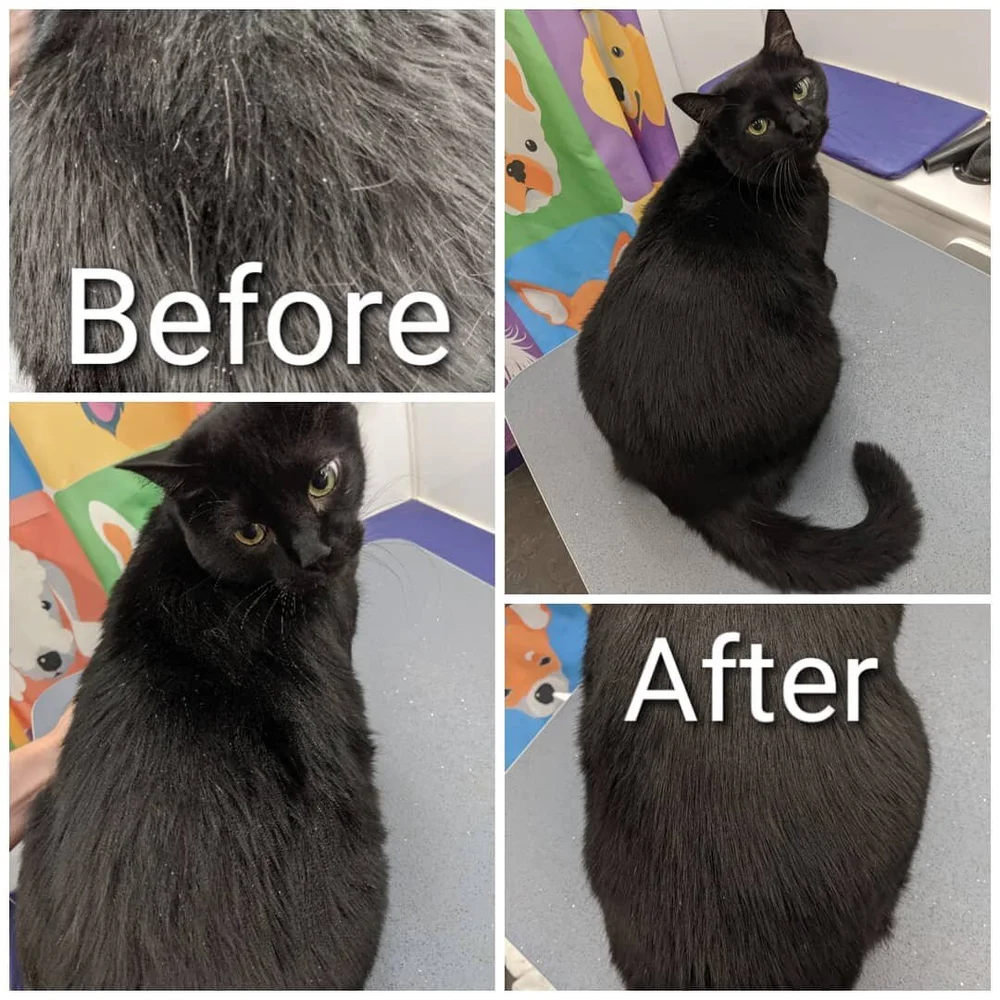
If your cat refuses to groom, help them out with regular brushing. Use a soft brush suited to your cat’s fur type and be gentle. This not only keeps their coat clean but also strengthens your bond.
Be patient and reward your cat with treats and praise. If your cat has painful areas, avoid those spots or ask your vet for advice on safe grooming methods.
Credit: www.squeakycleangrooming.com
Frequently Asked Questions
Why Does My Cat Suddenly Stop Grooming Itself?
Cats may stop grooming due to illness, pain, stress, or depression. Lack of grooming often signals health issues. Visit a vet to rule out skin problems, arthritis, or dental pain causing grooming difficulties.
What Health Issues Cause Cats To Stop Grooming?
Common causes include arthritis, dental disease, obesity, and skin infections. These conditions make grooming uncomfortable or painful. Early veterinary diagnosis helps treat these issues and restore normal grooming behavior.
How Can I Encourage My Cat To Groom Again?
Ensure your cat is healthy and stress-free. Regular brushing helps keep their coat clean. Provide a calm environment and consult a vet if grooming stops suddenly or lasts long.
Is Lack Of Grooming A Sign Of Cat Depression?
Yes, cats may stop grooming when stressed or depressed. Changes in environment, loss, or anxiety can trigger this behavior. Address emotional needs and seek veterinary advice if needed.
Conclusion
Cats stop grooming for many reasons, from health issues to stress. Watch for changes in behavior or appearance. Early action can help your cat feel better and stay healthy. Keep your pet comfortable and visit the vet if needed. A clean, happy cat is a sign of good care and love.
Stay patient and attentive to your cat’s needs every day.




Leave a Reply