Are you curious about how cats reproduce and what cycle breeding means for your feline friend? Understanding cycle breeding in cats can help you make better decisions about their health and well-being.
Whether you’re a cat owner, breeder, or just someone who loves learning about animals, this topic is essential. You’ll discover what cycle breeding is, how it affects your cat, and why it matters to you. Keep reading to unlock the secrets behind your cat’s natural rhythms and how they influence her breeding cycles.
Cycle Breeding Basics
Understanding the basics of cycle breeding is essential if you want to breed cats successfully. It revolves around the natural reproductive cycles female cats go through, which directly impacts the timing and outcome of breeding. Knowing these basics helps you plan better and improves the chances of healthy kittens.
Breeding Cycles In Female Cats
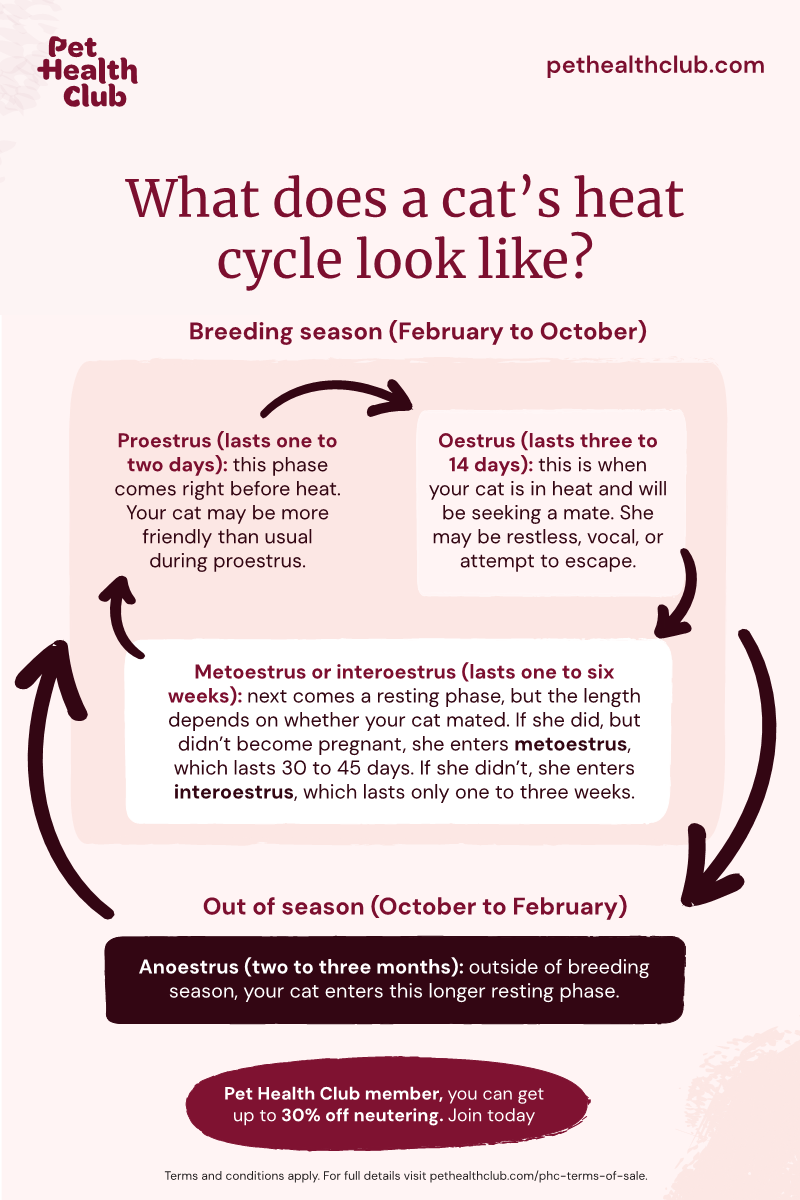
Female cats, also known as queens, have a unique reproductive cycle called the estrous cycle. This cycle repeats every two to three weeks during breeding seasons, typically from spring to fall.
Each cycle has several stages: proestrus, estrus (heat), metestrus, and anestrus. The estrus phase is when the queen is fertile and ready to mate.
Understanding these stages helps you know when your cat is most likely to conceive. Have you noticed how some cats seem restless or vocal at certain times? That’s often their cycle in action.
Signs Of Heat In Cats
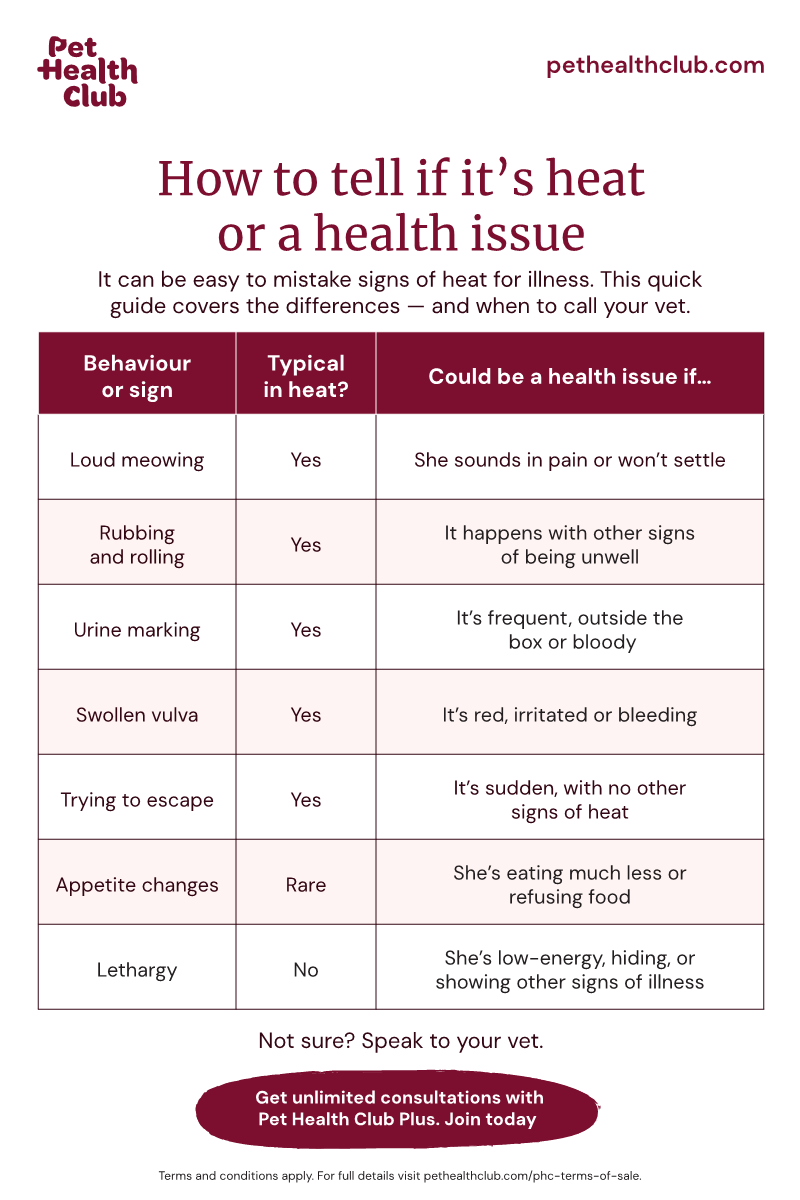
Recognizing heat signs is crucial for timing breeding correctly. Common signs include increased vocalization, restlessness, rubbing against objects, and a raised hindquarters when petted.
Your cat might also display a decreased appetite and frequent urination. These behaviors can start suddenly and last for several days.
Pay close attention to these signs; missing them could mean missing the perfect breeding window. Have you ever thought about how subtle some cats’ heat signs can be?
Timing Breeding For Best Results
Timing is everything in cycle breeding. The best time to breed your cat is during the peak of her estrus phase, usually a few days after the heat signs begin.
Breeding too early or too late can reduce the chances of successful fertilization. Some breeders track heat cycles carefully, even noting exact days to increase success rates.
Using a heat cycle calendar or app can help you stay on top of your cat’s cycle. Would you consider tracking your cat’s cycles to improve your breeding outcomes?
Credit: www.pethealthclub.com
Cat Reproductive Anatomy
Understanding cat reproductive anatomy is key to grasping cycle breeding. Each cat’s body has specific parts that play roles in reproduction. These parts work together to allow mating, pregnancy, and birth. Both female and male cats have unique reproductive systems. Knowing these helps in managing breeding effectively and responsibly.
Female Cat Reproductive System
The female cat’s reproductive system includes several main parts:
- Ovaries:Small organs that produce eggs and hormones.
- Oviducts:Tubes that carry eggs from ovaries to the uterus.
- Uterus:A Y-shaped organ where kittens develop.
- Cervix:A tight passage between uterus and vagina.
- Vagina:The canal leading to the outside of the body.
Female cats are induced ovulators, meaning they release eggs after mating. The cycle includes heat periods where the female is fertile. This cycle repeats until she mates or goes out of heat.
Male Cat Reproductive System
The male cat’s reproductive system contains parts that produce and deliver sperm:
- Testes:Produce sperm and male hormones.
- Epididymis:Stores and matures sperm.
- Vas deferens:Transports sperm from testes to urethra.
- Penis:Delivers sperm during mating.
- Accessory glands:Add fluid to sperm, creating semen.
The male cat’s penis has tiny barbs. These stimulate the female during mating, triggering ovulation. This unique feature supports successful reproduction in cats.
Breeding Methods
Breeding cats during their cycle requires specific methods to ensure success. These methods help pair the right male and female at the right time. Choosing the best approach depends on the breeder’s goals and the cats’ health. Understanding these methods helps improve the chances of a healthy litter.
Natural Mating
Natural mating is the most common way to breed cats. It happens when a female is in heat and ready to mate. The male cat detects her scent and responds naturally. This process allows cats to interact and choose each other.
Natural mating is simple and does not need special equipment. It helps maintain natural behaviors and instincts in cats. Breeders watch the cats closely to ensure safety and success. This method works best with healthy, compatible cats.
Artificial Insemination
Artificial insemination involves collecting sperm from a male cat. The sperm is then carefully placed into the female’s reproductive tract. This method helps when natural mating is difficult or risky.
It allows breeding between cats in different locations. It also helps avoid stress and injuries during mating. Skilled veterinarians usually perform this technique. Artificial insemination requires timing and precision to match the female’s cycle.
Health Considerations
Health considerations are vital in cycle breeding for cats. Proper care ensures the well-being of both the mother and her kittens. Breeding without attention to health can cause serious problems. Understanding key health steps helps maintain strong, healthy cats throughout the process.
Health Checks Before Breeding
Before breeding, cats need thorough health checks. A vet examines for infections, parasites, and genetic diseases. Vaccinations must be up to date to protect against illnesses. Blood tests check for common feline diseases like FeLV and FIV. Only healthy cats should enter the breeding cycle.
Common Breeding Risks
Breeding carries risks for cats and kittens. Complications during pregnancy can include miscarriage or stillbirth. Some cats may face infections or uterine problems. Overbreeding causes stress and lowers the cat’s immunity. Awareness of risks allows early detection and quick treatment.
Post-breeding Care
After breeding, cats need special attention and care. Nutrition must improve to support pregnancy and nursing. Regular vet visits track the mother’s health and kitten development. Keep the environment clean and stress-free to aid recovery. Proper care after breeding promotes healthy kittens and a strong mother.
Managing Breeding Cycles
Managing breeding cycles in cats requires careful planning and attention. These cycles are essential for responsible cat breeding. Proper management ensures the health of the cat and the kittens. Understanding the cat’s natural cycle is the first step. Owners must be proactive in monitoring and adjusting breeding plans.
Tracking Heat Cycles
Heat cycles in cats occur every few weeks. Each cycle lasts for several days. It’s vital to track these cycles closely. Use a calendar or a journal to mark the dates. Note the start and end of each cycle. This helps in predicting future cycles.
Tools And Apps For Monitoring
Technology offers many tools for cat breeding. Apps can track and alert you about cycles. Some apps offer reminders and detailed logs. They simplify the tracking process. Find an app that suits your needs. Many are user-friendly and cater to breeders.
Adjusting Breeding Plans
Breeding plans must be flexible. Adjust plans based on the cat’s health and cycle. Monitor the cat for any signs of stress or illness. Consult with a vet if needed. A healthy cat is key to successful breeding. Make changes to ensure the well-being of your cat.

Credit: felinefancy.co.uk
Ethical Breeding Practices
Ethical breeding practices are essential to ensure the health and well-being of cats involved in cycle breeding. These practices focus on balancing the natural reproductive cycles of cats with responsible care, preventing harm and promoting strong, healthy generations. You might wonder how breeders can maintain this balance while meeting the demand for kittens.
Avoiding Overbreeding
Overbreeding can seriously harm a cat’s health, leading to exhaustion and increased risk of illness. Ethical breeders carefully track each queen’s reproductive cycles and limit the number of litters she produces.
Keeping detailed breeding records helps avoid excessive pregnancies. Have you considered how often a cat should safely reproduce to stay healthy? Most experts suggest giving cats ample recovery time between litters to protect their well-being.
Maintaining Genetic Diversity
Genetic diversity is crucial to prevent inherited diseases and maintain strong immune systems in cats. Ethical breeders select mates thoughtfully, avoiding close relatives to reduce the chance of genetic problems.
Using genetic testing tools allows breeders to identify potential health risks before mating. Could your breeding choices impact the long-term health of future generations? Prioritizing diversity helps create resilient and vibrant cats.
Responsible Cat Ownership
Ethical breeding extends beyond the breeding process to include educating new owners. Breeders must ensure kittens go to homes that are ready for the responsibility and understand the needs of their new pets.
Providing guidance on nutrition, health care, and socialization helps owners raise happy, healthy cats. How prepared are you to care for a kitten throughout its life? Responsible ownership supports the cycle of ethical breeding and healthy cat populations.
Credit: animals.howstuffworks.com
Frequently Asked Questions
What Is Cycle Breeding In Cats?
Cycle breeding in cats refers to managing their reproductive cycles for planned mating. It involves tracking heat periods to optimize breeding times. This ensures healthier kittens and better breeding outcomes by aligning with the cat’s natural fertility window.
How Long Does A Cat’s Breeding Cycle Last?
A cat’s breeding cycle, or estrous cycle, typically lasts 2 to 3 weeks. It includes phases like proestrus, estrus, and diestrus. The cat is fertile mainly during estrus, which lasts around 4 to 7 days.
Why Is Cycle Breeding Important For Cat Breeders?
Cycle breeding helps breeders time mating accurately, improving pregnancy chances. It reduces stress on cats by avoiding unnecessary breedings. Proper cycle management also enhances kitten health and supports genetic planning.
How Can I Tell When My Cat Is In Heat?
Signs include increased vocalization, restlessness, and affectionate behavior. Female cats may assume a mating position and show appetite changes. Recognizing these helps in timing breeding effectively during the fertile period.
Conclusion
Cycle breeding in cats helps manage their reproductive health well. It supports better timing for mating and pregnancy. Understanding this process lets owners care for cats properly. It also helps avoid common breeding problems. Regular monitoring of the cycle keeps cats healthy and happy.
This knowledge benefits both breeders and cat lovers alike. Keeping track of cycles leads to successful and safe breeding. Simple steps can make a big difference in cat care. Remember, knowing the cycle is key to cat wellbeing.


Leave a Reply