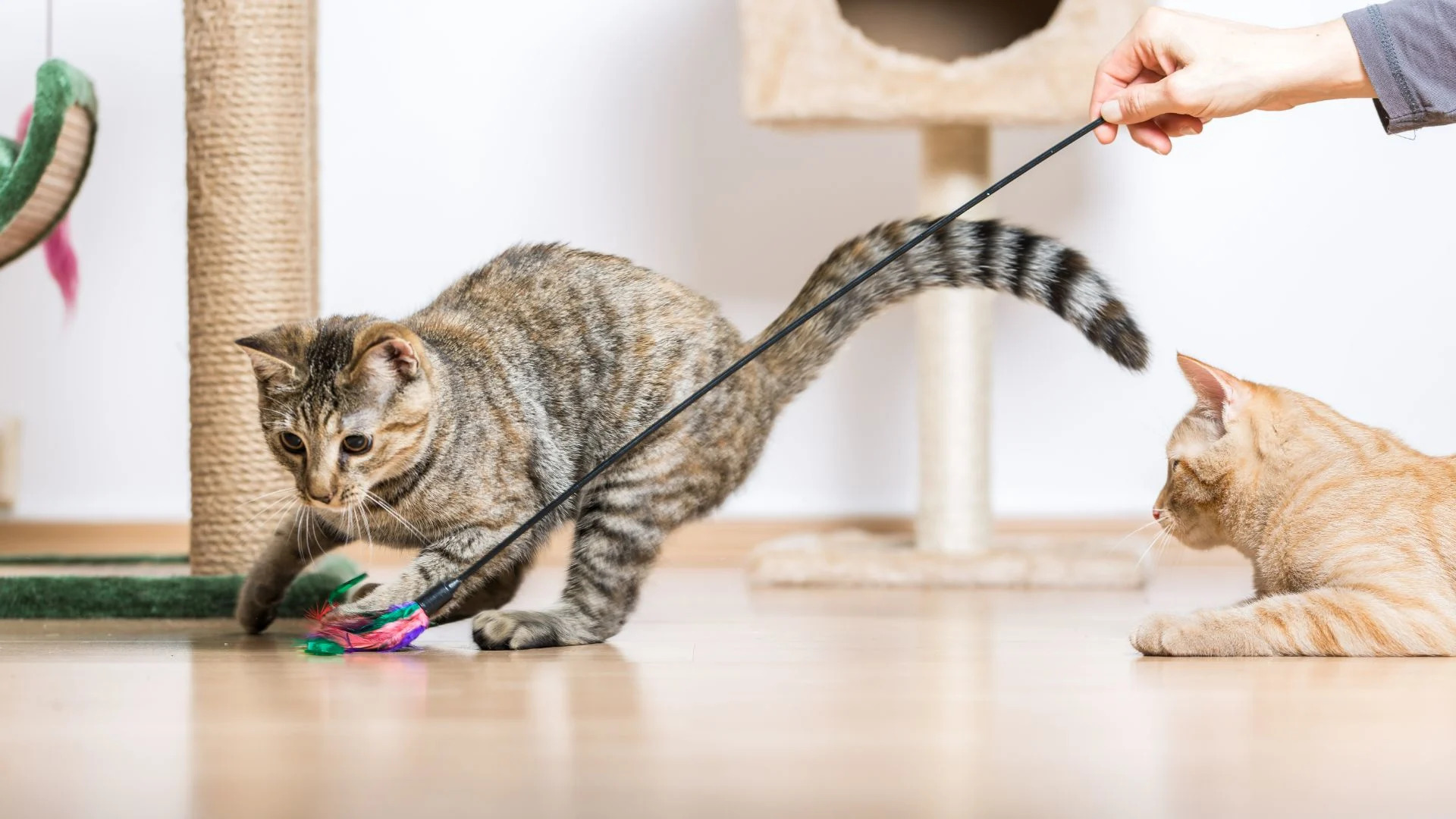
Have you ever noticed your cat suddenly tuck her toy away while playing? It might seem curious or even puzzling.
But there’s a fascinating reason behind this behavior that reveals a lot about your furry friend’s instincts and emotions. Understanding why your cat hides her toys can deepen your connection and help you create a happier environment for her. Keep reading to discover the surprising secrets behind this playful habit and what it means for your cat’s well-being.
Credit: www.ottawahumane.ca
Cat Play Behavior Basics
Understanding your cat’s play behavior is key to building a stronger bond and keeping her happy. Play is not just fun for cats—it’s a vital part of their development and well-being. When your cat hides her toy, she’s showing a natural instinct that connects to her wild ancestry. Have you ever wondered why she does this or what it says about her needs?
Types Of Cat Play
Cats engage in several types of play, each serving a different purpose:
- Predatory Play:Chasing, pouncing, and stalking mimic hunting behavior. This helps sharpen your cat’s reflexes and coordination.
- Social Play:Interaction with humans or other pets strengthens bonds. It can be gentle or rough, depending on your cat’s mood.
- Exploratory Play:Investigating new objects or environments keeps your cat mentally stimulated. This type of play encourages curiosity and confidence.
Recognizing these play types helps you choose the right toys and activities for your cat’s unique personality.
Importance Of Toys In Play
Toys aren’t just entertainment—they fulfill crucial physical and mental needs. A toy that your cat hides is often a prized possession, reflecting her instinct to store resources.
Providing a variety of toys can keep playtime exciting and prevent boredom:
- Interactive toys like feather wands invite active chasing.
- Small, soft toys mimic prey and are easy to carry and hide.
- Puzzle toys challenge her mind and reward with treats.
Have you noticed which toys your cat prefers to hide? That preference can guide you in selecting toys that truly engage her natural instincts and keep her satisfied.
Why Cats Hide Their Toys
Have you ever noticed your cat sneaking away with a toy and hiding it somewhere secret? This behavior might seem puzzling at first, but it’s deeply rooted in your cat’s natural instincts and habits. Understanding why your cat hides her toys can give you valuable insights into her personality and needs.
Instinct To Protect And Save
Cats often hide their toys to protect them from being taken away. This instinct comes from their wild ancestors who needed to save food or prized catches for later. Your cat sees her toy as something valuable, so she tucks it away in a safe spot.
Have you ever found a toy behind a couch or under a chair? That’s your cat’s way of keeping her treasure safe. It’s a sign she trusts you but still wants to control her little stash.
Territorial Behavior
Hiding toys can also be linked to territorial behavior. Cats feel a strong need to claim certain areas and objects as their own. By hiding toys in specific places, your cat marks her territory without needing to be aggressive.
This action tells other pets—or even people in the house—that these toys belong to her. If you notice your cat carefully choosing where to hide her toys, it’s her way of managing her space and boundaries.
Mimicking Hunting Patterns
Have you seen your cat “hunt” her toys before hiding them? This mimics natural hunting behavior where a cat catches prey and then hides or moves it to a safer place. Your cat is practicing skills that come from generations of hunters.
When she hides a toy mouse or ball, it’s like she’s storing food for later, just as a wild cat would. This behavior keeps her mind active and engaged, helping her feel fulfilled even indoors.
Emotional Reasons Behind Toy Hiding
Cats often hide their toys during play. This behavior has emotional roots. It shows how your cat feels inside. Understanding these reasons helps you connect with your pet better. Here are some common emotional reasons behind toy hiding.
Feeling Secure And Comfortable
Hiding toys gives cats a sense of safety. It creates a small, personal space. This space feels like a safe zone. Cats keep their favorite things close in this spot. It helps them relax and feel calm. The act of hiding toys is comforting for many cats.
Seeking Attention
Some cats hide toys to get noticed. They want you to find the hidden item. This is a way to start interaction or play. Your cat may bring the toy later as a gift. It is their way of saying, “Play with me.” This behavior shows their desire for connection.
Expressing Possessiveness
Cats can be possessive about their belongings. Hiding toys protects them from others. This includes other pets or even humans. The hidden toy becomes a prized possession. It shows your cat’s need to guard what they value. Possessiveness can be a sign of trust and attachment.
How Environment Influences Toy Hiding
The environment around a cat plays a big role in how she hides her toys. Cats feel safe and confident when their surroundings are familiar. Changes in the environment can make them more protective of their toys. Different factors like other pets, home layout, and visitors influence their behavior. Understanding these can help you see why your cat hides toys in certain places.
Impact Of Multiple Pets
Having more pets in the house often makes a cat hide toys more carefully. She might worry about other pets taking her things. This leads to hiding toys in secret spots. Sometimes, cats hide toys to show ownership and keep peace. The presence of other animals creates a playful but cautious atmosphere.
Changes In Home Layout
Rearranging furniture or moving to a new home affects toy hiding. Cats use landmarks to remember hiding spots. When these landmarks change, cats search for new safe places. New hiding spots may be under couches, inside boxes, or behind curtains. A stable layout helps cats feel secure and less stressed.
Presence Of Strangers
Visitors or unfamiliar people make cats more alert. They may hide toys to protect them from strangers. This behavior is a way to control their space and feel safe. Cats prefer hiding toys in quiet, hidden corners during visits. Strangers can increase the cat’s need to guard her treasures.
What Hiding Toys Means For Your Cat’s Wellbeing
Understanding your cat’s behavior, especially when she hides her toys, can offer insights into her overall wellbeing. Does your cat frequently stash her toys in hidden corners, under furniture, or even in her favorite sleeping spot? While it might seem like quirky behavior, it’s actually a window into her emotional state. Let’s explore what this means for your feline friend.
Signs Of Stress Or Anxiety
Sometimes, hiding toys can be a sign of stress or anxiety. A cat may stash her toys if she’s feeling insecure or overwhelmed. Consider any recent changes in her environment or routine that might be affecting her. Has there been a new pet introduced or a change in your household’s schedule? If you notice this behavior coinciding with such changes, it might be worth addressing her stress levels.
Indicators Of Play Satisfaction
On a more positive note, hiding toys can also be a sign of play satisfaction. Cats often hide their toys as a way of ‘saving them for later’. This can indicate that your cat is happy and fulfilled with her playtime. It’s her way of ensuring that her favorite toys are safe and ready for the next play session. So, if your cat hides her toys after a vigorous play session, she’s likely expressing contentment.
When To Be Concerned
While hiding toys can be normal, it’s essential to observe the context. If your cat appears distressed or if her play and hiding habits change suddenly, it’s time to pay closer attention. Ask yourself: Has my cat stopped playing altogether, or does she seem less interested in her toys? If so, consulting a veterinarian might be necessary to rule out any underlying health issues. Keeping a close eye on these behaviors ensures your cat remains happy and healthy.

Credit: www.reddit.com
Encouraging Healthy Play Habits
Encouraging healthy play habits is essential for your cat’s physical and mental well-being. Playtime isn’t just fun; it helps reduce stress, prevent obesity, and strengthen your bond. Observing how your cat hides her toy can give you clues about what she enjoys and how to support her natural instincts.
Choosing The Right Toys
Select toys that mimic your cat’s natural prey, such as small balls, feather wands, or laser pointers. Avoid toys with small parts that can be swallowed or sharp edges that might hurt her. Notice which toys she hides or carries around—these favorites often keep her engaged longer.
Have you tried rotating her toys to keep things fresh? Cats get bored easily, so swapping toys every week can keep her interest alive. Think about what textures and sizes she prefers and add more of those to her collection.
Creating Safe Play Spaces
Your cat needs a secure area where she can chase and hide her toys without risk. Clear away breakable items and provide soft surfaces to prevent injury during fast dashes. Consider adding tunnels, boxes, or shelves to mimic her instinct to stalk and pounce.
Does your cat have a favorite hiding spot for her toys? Try enhancing that space with cozy blankets or low lighting to make it inviting. Safe play zones help her feel confident and encourage more active play sessions.
Interactive Play Tips
Join your cat in play to stimulate her mind and body. Use wand toys to mimic prey movements and let her “catch” the toy occasionally to build confidence. Keep sessions short but frequent—around 10 to 15 minutes multiple times a day works well.
Watch her signals closely: when she starts hiding her toy, it might mean she’s ready for a break or wants to switch activities. How do you react when she hides her toy during play? Adjust your pace and style to match her mood for a more enjoyable experience for both of you.

Credit: www.youtube.com
Frequently Asked Questions
Why Does My Cat Hide Her Toys While Playing?
Cats hide toys to mimic hunting behavior. It feels natural and satisfying for them. This instinct helps them feel safe and secure with their prized possessions.
Is Toy Hiding A Sign Of A Happy Cat?
Yes, hiding toys often shows contentment. It means your cat enjoys playtime and feels comfortable in its environment. It’s a positive behavior reflecting natural instincts.
How Can I Encourage My Cat To Play More?
Use interactive toys and rotate them regularly. Play sessions should be short but frequent. Positive reinforcement like treats can motivate your cat to engage more.
Does Hiding Toys Help My Cat Reduce Stress?
Yes, hiding toys provides mental stimulation and comfort. It allows cats to express natural behaviors, reducing anxiety. This activity helps keep them emotionally balanced.
Conclusion
Cats hide their toys as part of their natural play habits. This behavior shows they feel safe and enjoy their space. Watching your cat hide toys can be fun and tells you more about their personality. Let your cat have quiet time to play and hide toys.
This simple act helps keep them happy and active. Understanding these little habits brings you closer to your furry friend. Keep enjoying those playful moments together.




Leave a Reply