Have you ever wondered just how many different cat breeds exist around the world? If you’re a cat lover or simply curious, discovering the variety of feline friends out there can be surprisingly exciting.
Knowing the unique traits and personalities of each breed might help you find your perfect companion or simply impress your friends with some fun facts. Keep reading, because by the end of this article, you’ll have a clear picture of the amazing diversity in the cat family—and maybe even fall in love with a new breed you never knew existed.
Cat Breed Classification
Cat breed classification helps us understand the many types of cats worldwide. It sorts cats based on traits like appearance, origin, and genetics. This system helps cat lovers, breeders, and veterinarians identify and care for different cats.
Domestic Cats Vs. Pedigree Cats
Domestic cats are common house pets without a formal breed. They come in various shapes, sizes, and colors. Pedigree cats have documented ancestry and breed standards. These cats are bred to keep specific traits and features.
Domestic cats often have mixed ancestry. Pedigree cats are registered with cat associations. Each pedigree breed has unique characteristics and history.
Popular Cat Breed Groups
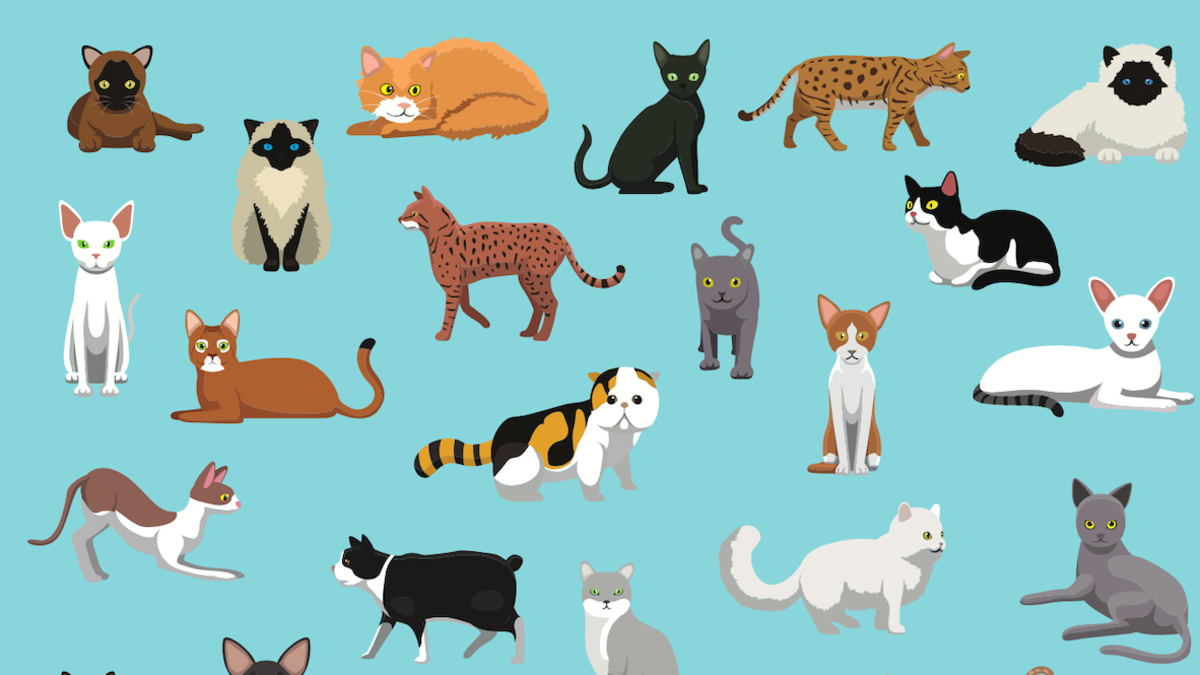
Cat breeds fall into several main groups based on traits and origins. These groups include:
- Short-haired breeds:Cats with short, smooth fur like the British Shorthair.
- Long-haired breeds:Cats with thick, long coats like the Persian.
- Oriental breeds:Sleek, elegant cats such as the Siamese.
- Natural or landrace breeds:Cats that developed naturally in certain regions, such as the Maine Coon.
Understanding these groups makes it easier to learn about each breed’s care needs and behavior. Cat breed classification simplifies the diversity of cats worldwide.
Credit: www.thewildlifediaries.com
Global Cat Breed Count
The global cat breed count shows the diversity in the feline world. Cat breeds vary widely in appearance, personality, and history. Different organizations recognize different numbers of breeds. Some breeds have been known for centuries. Others are new and still gaining popularity.
Understanding the total number of cat breeds helps cat lovers appreciate this diversity. It also guides those interested in adopting or learning about cats. Breed recognition depends on many factors, including genetics and breed standards.
Recognized Cat Breeds By Major Associations
Several major cat associations officially recognize cat breeds. Each has its own list and criteria. The Cat Fanciers’ Association (CFA) recognizes around 45 breeds. The International Cat Association (TICA) lists about 73 breeds. The Governing Council of the Cat Fancy (GCCF) in the UK recognizes about 40 breeds.
These breeds include popular ones like the Siamese, Persian, and Maine Coon. Recognition means these breeds meet strict standards of appearance and health. Breed clubs often support these associations to maintain breed quality.
Emerging And Rare Cat Breeds
New cat breeds continue to emerge worldwide. Some are rare and hard to find. These breeds may not be officially recognized yet. Breeders work to establish their unique traits. Examples include the Lykoi, known as the “werewolf cat,” and the Serengeti, which looks wild but is domestic.
Rare breeds often attract cat enthusiasts. They offer unique looks and temperaments. Recognition may take years as associations study these breeds closely. This process ensures the breed’s health and stability.
Top Cat Breeds Worldwide
The world hosts a vast variety of cat breeds, each with unique traits and charm. Some breeds are well-known globally, loved for their looks and personalities. Others stand out due to special features or rare origins. Exploring top cat breeds helps understand the diversity and appeal of these feline friends.
Most Popular Cat Breeds
- Siamese:Known for striking blue eyes and vocal nature.
- Maine Coon:Large size and thick fur make it a gentle giant.
- Persian:Famous for long, luxurious coats and calm temperament.
- Bengal:Wild-looking spots and energetic behavior attract many fans.
- Ragdoll:Soft, floppy body and affectionate personality.
- British Shorthair:Round face with dense fur and easygoing attitude.
Unique Characteristics Of Popular Breeds
| Breed | Unique Trait | Temperament |
|---|---|---|
| Siamese | Talkative and social | Affectionate and intelligent |
| Maine Coon | Large, tufted ears and bushy tail | Gentle and playful |
| Persian | Flat face and long hair | Quiet and sweet |
| Bengal | Spotted coat like a leopard | Active and curious |
| Ragdoll | Goes limp when held | Calm and loving |
| British Shorthair | Chubby cheeks and dense fur | Reserved but friendly |
Breed Traits And Temperaments
Cat breeds show a wide range of traits and temperaments. These differences help people find the perfect pet for their lifestyle. Some cats are calm and loving. Others are playful and active. Knowing breed traits helps in choosing a cat that fits your home and personality.
Physical Features Across Breeds
Cat breeds vary a lot in size and shape. Some have long, silky fur. Others have short, dense coats. Colors range from solid black to spotted and striped patterns. Eye color can be blue, green, yellow, or copper. Some breeds have unique features like folded ears or flat faces.
- Siberian cats have thick fur for cold climates.
- Sphynx cats are hairless with wrinkled skin.
- Maine Coons are large with bushy tails.
- Persians have round faces and flat noses.
Behavioral Differences
Different breeds act in unique ways. Some are very social and enjoy being around people. Others prefer quiet and alone time. Activity levels also vary. Some cats love to play and explore. Others like to rest and cuddle. Intelligence and trainability can differ too. Some breeds learn tricks easily. Others follow their own rules.
- Ragdolls are gentle and often go limp when held.
- Bengals are active and love to climb.
- Scottish Folds are calm and friendly.
- Abyssinians are curious and playful.
Breeding And Genetics
Breeding and genetics have resulted in around 70 different cat breeds worldwide. Each breed showcases unique traits and appearances. From playful Siamese to fluffy Persians, cat lovers can find a breed to match their preferences.
Breeding and genetics play a crucial role in the fascinating world of cat breeds. With over 70 recognized breeds, each has unique traits shaped by centuries of selective breeding. The science of genetics helps us understand how these breeds come into existence and thrive.How New Breeds Are Developed
New cat breeds often emerge from the desire to emphasize specific traits or characteristics. Breeders start by selecting cats with desirable features, such as coat color, pattern, or body structure. Over time, through controlled breeding, these traits become more pronounced, eventually leading to a distinct breed. Sometimes, genetic mutations occur naturally, giving rise to new traits. These spontaneous changes can lead to entirely new breeds if they are deemed desirable and sustainable. For instance, the Sphynx cat, known for its hairlessness, originated from a natural mutation.Genetic Health Considerations
While breeding can produce beautiful cats with specific traits, it also requires careful attention to genetic health. Inbreeding, or breeding within a limited gene pool, can increase the risk of health issues. Responsible breeders prioritize genetic diversity to minimize these risks. Genetic testing has become an invaluable tool in breeding programs. It helps identify carriers of genetic diseases, enabling breeders to make informed decisions. This proactive approach ensures healthier cats and reduces the chances of hereditary conditions. Have you ever considered how much thought and science go into the breeding of your feline friend? The balance between maintaining breed standards and ensuring genetic health is a delicate one that breeders navigate with great care.
Credit: www.thewildlifediaries.com
Caring For Different Breeds
Caring for different cat breeds requires more than just love and attention. Each breed has unique needs that affect their health and happiness. Understanding these needs helps you provide the best care and build a stronger bond with your feline friend.
Grooming Needs
Different breeds have very different grooming demands. Long-haired cats like Persians need daily brushing to prevent mats and tangles. Short-haired breeds like the Siamese usually require less frequent grooming but still benefit from regular brushing to reduce shedding.
Some cats, such as the Sphynx, need regular baths because their skin produces oils that would normally be absorbed by fur. Paying attention to your cat’s coat type can save you from unexpected grooming challenges. Have you noticed how your cat reacts to brushing? It can tell you a lot about their comfort and trust level.
Diet And Exercise
Diet varies widely between breeds due to differences in metabolism and activity levels. Active breeds like Bengals need more protein and calories to fuel their energy. Less active breeds may require a controlled diet to avoid weight gain.
Exercise is just as important as diet. Some cats are natural hunters and climbers, needing space and toys to stay mentally and physically fit. Others prefer lounging but still benefit from short play sessions to keep joints healthy. How often do you engage your cat in play? Small daily efforts can make a big difference.
Cat Breed Trends In 2025
Cat breed trends in 2025 are shaping the way people choose their feline companions. New preferences are emerging, influenced by lifestyle changes and cultural shifts. Understanding these trends can help you find the perfect cat that fits your life and personality.
Rising Popularity Of Specific Breeds
Some cat breeds are gaining more fans this year. The Bengal, known for its wild appearance and playful nature, is becoming a favorite among active pet owners. Meanwhile, the Scottish Fold’s unique folded ears continue to charm those looking for a distinctive look.
Hypoallergenic breeds like the Siberian and Balinese are also attracting people sensitive to cat allergens. Their appeal lies in offering companionship without constant sneezing or itching. Are you considering a breed that fits both your lifestyle and health needs?
Impact Of Social Media On Breed Awareness
Social media platforms play a big role in spreading knowledge about different cat breeds. Instagram and TikTok cat influencers showcase unique traits and personalities that catch your eye instantly. These posts often highlight lesser-known breeds, making them more popular overnight.
You might have noticed how videos of the Sphynx or the Maine Coon often go viral, sparking curiosity and desire to learn more. This exposure helps people make informed decisions when choosing a cat. How has social media changed your view on cat breeds?
Credit: paradepets.com
Frequently Asked Questions
How Many Cat Breeds Exist Worldwide?
There are about 70 to 75 recognized cat breeds globally. Different cat associations may recognize varying numbers. These breeds differ in appearance, behavior, and origin. The total can change with new breed recognition.
Which Cat Breed Is The Most Popular?
The Domestic Shorthair is the most common and popular cat breed. It has diverse colors and patterns. Its friendly and adaptable nature makes it a favorite pet worldwide.
How Are New Cat Breeds Developed?
New cat breeds are developed through selective breeding. Breeders choose cats with specific traits to mate. This process can take many generations to stabilize the breed characteristics.
What Defines A Cat Breed Officially?
A cat breed is officially defined by a cat registry. It must have distinct physical traits and a documented lineage. Associations like CFA and TICA approve and recognize breeds.
Conclusion
Cats come in many breeds, each with unique traits and charm. Over 70 recognized breeds exist worldwide today. Each breed offers a different look and personality. Choosing a cat breed depends on your lifestyle and preferences. Exploring these breeds can help you find the perfect companion.
Cats bring joy and comfort to many homes. Their variety makes the cat world exciting to discover. Remember, every cat deserves love and care, no matter its breed.




Leave a Reply