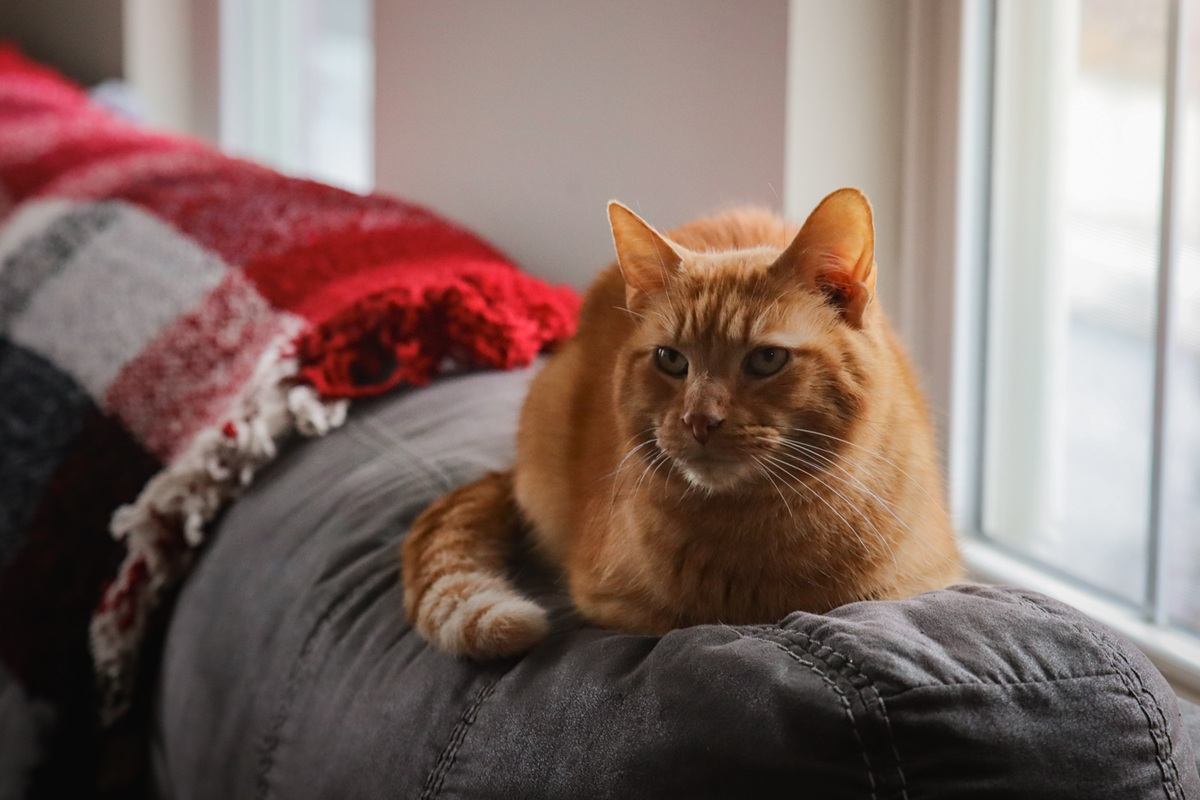
Are you curious about those charming orange tabby cats you often see? You might wonder which breeds can have this beautiful orange coat.
Understanding the breeds behind these friendly, striped felines can help you find the perfect orange tabby companion. Whether you’re a cat lover or thinking of adopting, knowing the breeds that come in orange tabby can make your choice clearer and more exciting.
Keep reading to discover the most popular breeds sporting that warm, orange color you love!
Credit: animals.howstuffworks.com
Common Orange Tabby Breeds
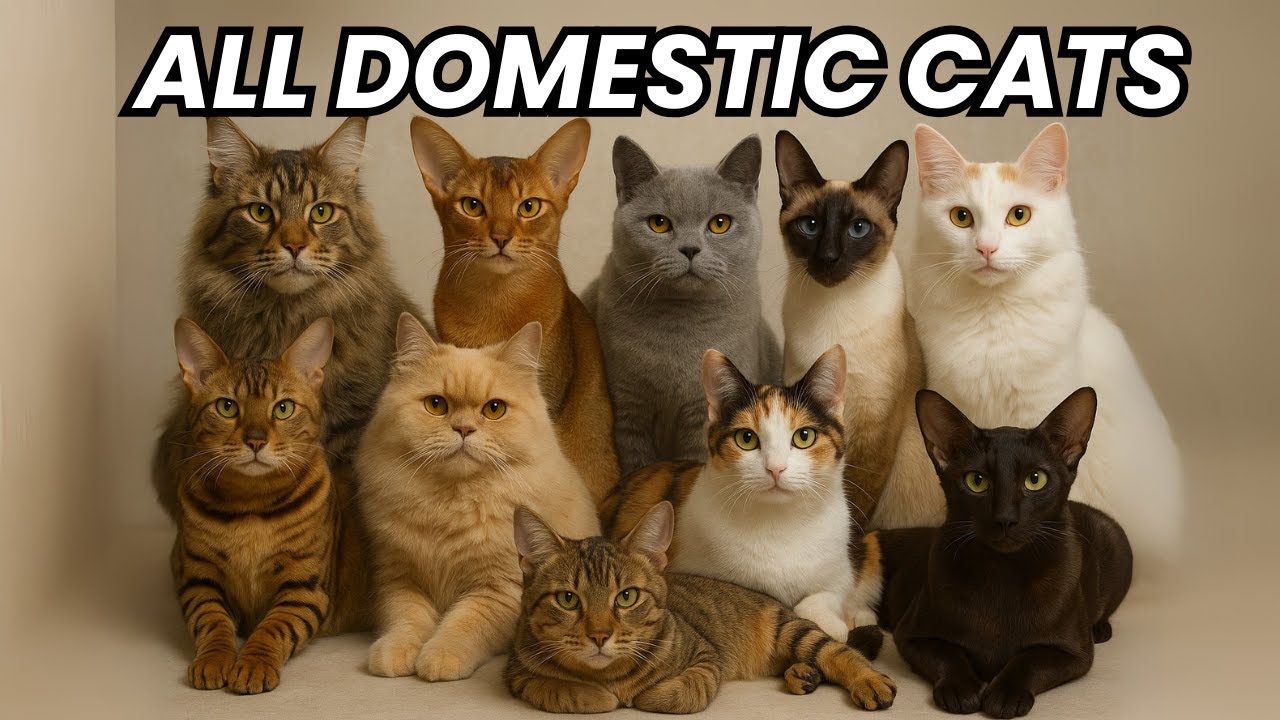
Orange tabby cats captivate many with their vibrant coats and charming personalities. These striking cats come from various breeds, each bringing unique traits alongside that classic orange tabby pattern. Understanding the common breeds can help you find the perfect orange tabby that fits your lifestyle and preferences.
Domestic Shorthair
The Domestic Shorthair is the most widespread orange tabby you’ll encounter. These cats aren’t a specific breed but rather a mix of many breeds, which gives them a wide range of personalities and appearances.
You’ll find orange Domestic Shorthairs are often friendly, adaptable, and low-maintenance. They’re great if you want an affectionate companion without the fuss of breed-specific care.
Maine Coon
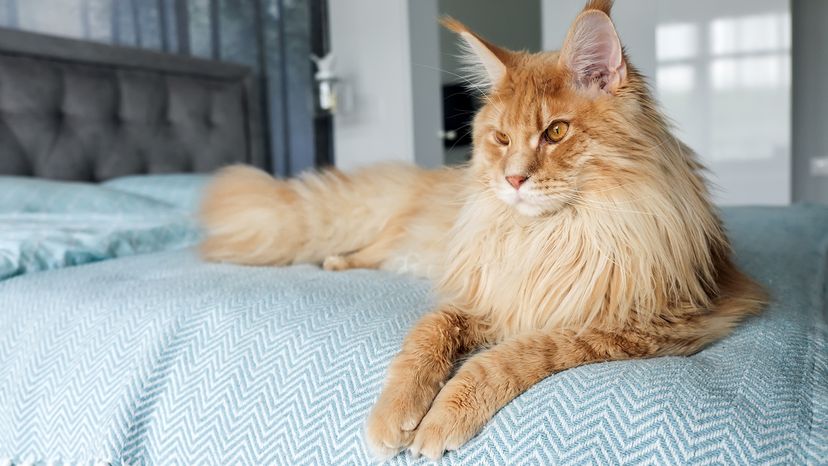
Maine Coons are large, fluffy cats known for their friendly and intelligent nature. Their orange tabby coats often come with bold stripes, making them look majestic and regal.
These cats love social interaction and can even learn tricks. If you want a playful, gentle giant with a stunning orange coat, Maine Coons are a perfect choice.
American Shorthair
American Shorthairs are sturdy and muscular cats with a calm temperament. Their orange tabby variety is especially popular in the United States, often seen as classic family pets.
They tend to be independent but affectionate, which makes them ideal if you want a cat that’s not overly demanding but still loving.
British Shorthair
British Shorthairs have a plush, dense coat and a round face that gives them a distinctive look. The orange tabby British Shorthair stands out with its rich color and soft, plush fur.
This breed is known for being calm and easygoing, fitting well into quieter homes. Have you considered how a British Shorthair’s laid-back nature would blend with your daily routine?
Credit: animals.howstuffworks.com
Unique Traits Of Orange Tabby Cats
Orange tabby cats have a charm that sets them apart from other felines. Their unique traits go beyond just their color. These traits include their distinct color patterns, interesting personality traits, and some health factors to note. Understanding these features helps cat lovers appreciate orange tabbies even more.
Color Patterns And Markings
Orange tabby cats show a variety of color patterns. The most common are:
- Mackerel: Thin, vertical stripes resembling fish bones.
- Classic: Bold, swirling patterns on their sides.
- Spotted: Small spots scattered across their body.
- Ticked: Each hair has bands of color, giving a salt-and-pepper look.
The orange color comes from a gene called the “O gene.” It masks black pigment and shows red or orange instead. Both male and female cats can have these colors, but males are more often orange. Their markings are usually more vivid and clear than other tabbies.
Personality Characteristics
Orange tabby cats are known for their friendly and outgoing nature. They often enjoy human company and can be quite social. Many owners say these cats are playful and curious, making them fun companions. They tend to be affectionate without being overly needy. Some orange tabbies show a strong sense of loyalty to their families. They adjust well to new environments and other pets.
Health Considerations
Orange tabbies share common health traits with other cats but have a few points to keep in mind. Obesity can be a concern due to their love of food and sometimes low activity levels. Regular exercise and portion control help prevent weight issues. Some studies suggest that orange cats might have a higher risk of certain cancers, but research is ongoing. It is important to schedule regular vet visits to catch any health problems early. Overall, they are hardy cats with proper care and attention.
Rare Orange Tabby Breeds
Orange tabby cats are common in many breeds, but some breeds show this color rarely. These rare orange tabby breeds stand out for their unique look and personality. They offer a different twist on the classic orange tabby appearance. These cats often have distinct features and traits that attract cat lovers worldwide.
Abyssinian
The Abyssinian is a sleek, elegant breed with a ticked coat. Orange tabby patterns are rare here because of their unique fur color genetics. When orange appears, it adds a warm glow to their usual coat. Abyssinians are active and curious cats. They enjoy playing and exploring their surroundings.
Scottish Fold
Scottish Folds are famous for their folded ears and round faces. Orange tabby colors are uncommon in this breed. When present, the orange markings enhance their soft, rounded look. These cats are calm and affectionate. They like being close to their owners and enjoy quiet time.
Persian
Persians are known for their long, thick fur and sweet nature. Orange tabby Persians are rare and highly prized. Their thick coat makes the orange pattern stand out beautifully. Persians are gentle and loving cats. They prefer a peaceful home and gentle handling.
Genetics Behind Orange Tabby Coloring
The genetics behind orange tabby cats reveal fascinating details about their coat colors. This color comes from specific genes that control pigment production and pattern formation. Understanding these genes helps explain why some cats have vibrant orange coats while others show different shades and patterns.
Role Of The O Gene
The O gene is the main gene responsible for orange coloring in cats. It controls the production of red pigment called pheomelanin. This gene is located on the X chromosome. Male cats have one X chromosome, so one copy of the O gene can make them orange. Female cats have two X chromosomes, so they need two copies to be fully orange.
Influence Of Tabby Patterns
Tabby patterns affect how the orange color appears on the cat’s fur. These patterns include classic, mackerel, spotted, and ticked. The tabby gene creates stripes, spots, or swirls. The combination of the O gene and tabby patterns produces the unique orange tabby look. Without tabby patterns, the orange color would be solid.
Inheritance Patterns
Orange tabby coloring follows sex-linked inheritance because the O gene is on the X chromosome. Males need only one O gene to show orange fur. Females require two copies, one on each X chromosome. This explains why more male cats are orange tabbies than females. The pattern and intensity can vary depending on other genes inherited from the parents.
Choosing The Right Orange Tabby Breed
Orange tabby cats appear in many breeds, including Domestic Shorthair, Maine Coon, and British Shorthair. Each breed shows unique traits alongside the classic orange striped pattern. Choosing depends on the size, personality, and care needs you prefer.
Choosing the Right Orange Tabby Breed Selecting the perfect orange tabby cat for your home involves considering several factors. While their vibrant coats are undeniably charming, each breed has its own unique characteristics. Let’s dive into some essential aspects to help you make an informed decision.Lifestyle Compatibility
Your lifestyle plays a significant role in determining the right breed for you. Do you have a bustling household or live alone? For busy families, breeds like the American Shorthair, known for their easygoing nature, might be a good fit. If you prefer a quieter companion, a Persian with its calm demeanor could be ideal. Think about your daily routine and how a cat might fit into it.Grooming Needs
Grooming is another crucial consideration when choosing your orange tabby. Some breeds, such as the Maine Coon, have long, luxurious fur that requires regular brushing. This can be a bonding activity, but it also demands a time commitment. On the other hand, a breed like the Domestic Shorthair has minimal grooming needs, making it suitable for those with a tight schedule.Activity Levels
Consider how active you want your cat to be. If you’re looking for a playful and energetic companion, an Abyssinian might be the perfect choice. They are known for their curiosity and love for interactive play. Conversely, if you prefer a more laid-back pet, consider a British Shorthair, which tends to be more relaxed. Reflect on your energy levels and how an active or calm cat might complement your lifestyle. Choosing the right orange tabby breed is a personal journey. By evaluating these aspects, you can find a feline friend that fits seamlessly into your life. Which trait is most important to you when choosing a pet?Caring For Orange Tabby Cats
Caring for orange tabby cats involves more than just admiring their vibrant coats. These cats thrive when you pay attention to their specific needs, helping them live healthy, happy lives. Understanding how to support their nutrition, activity, and health checkups can make a big difference in their well-being.
Nutrition Tips
Your orange tabby needs a balanced diet that supports their energy and coat health. Choose high-quality cat food rich in protein, as it fuels their playful nature and maintains muscle tone.
Include foods with essential fatty acids like omega-3 and omega-6 to keep their fur shiny and skin healthy. Avoid overfeeding; orange tabbies can be prone to weight gain, so portion control is key.
- Feed smaller, frequent meals to maintain steady energy.
- Offer fresh water daily to keep them hydrated.
- Consider adding wet food to their diet for extra moisture.
Exercise And Play
Orange tabbies are often active and curious, so daily playtime is essential. Engaging them with interactive toys helps burn off excess energy and prevents boredom.
Try puzzle feeders or feather wands to stimulate their minds and bodies. Does your cat prefer chasing laser pointers or climbing cat trees? Observing their play preferences can guide your choices.
- Schedule short play sessions multiple times a day.
- Rotate toys to keep their interest alive.
- Include scratching posts to satisfy natural instincts.
Regular Vet Checkups
Consistent veterinary visits are vital for spotting health issues early. Orange tabby cats don’t have unique medical needs, but routine exams ensure vaccinations and dental care stay up-to-date.
Discuss your cat’s diet and behavior changes with your vet to adjust care as needed. Have you noticed any shifts in appetite or activity? Sharing these details helps tailor their health plan.
- Schedule checkups at least once a year.
- Keep track of vaccination and flea prevention schedules.
- Ask your vet about dental cleanings and parasite control.
Credit: animals.howstuffworks.com
Frequently Asked Questions
What Cat Breeds Commonly Have Orange Tabby Colors?
Orange tabby colors appear in many breeds, including Domestic Shorthairs, Maine Coons, and American Shorthairs. These breeds often show the classic orange striped pattern naturally. The orange tabby pattern is linked to specific gene variations, which can be present across various cat breeds.
Are Orange Tabby Cats Only Male?
Most orange tabby cats are male due to genetics. The orange color gene is linked to the X chromosome. Males have one X chromosome, so one orange gene means they show the color. Females need two orange genes, making orange females less common but possible.
Can Purebred Cats Be Orange Tabbies?
Yes, many purebred cats can have orange tabby coats. Breeds like the Persian, British Shorthair, and Scottish Fold can display orange tabby patterns. The tabby pattern is a common coat color variation within many pedigreed breeds worldwide.
Do Orange Tabby Cats Have Distinct Personalities?
Orange tabby cats are often described as friendly and affectionate. Many owners report they tend to be social and playful. However, personality depends more on individual traits and upbringing than coat color alone.
Conclusion
Orange tabby cats appear in many popular breeds. Each breed has unique traits and personalities. These cats are loved for their bright, warm color. They bring joy and charm to any home. Choosing the right breed depends on your lifestyle.
Orange tabbies make great pets and companions. They fit well in families and singles alike. Their friendly nature and beauty stand out. Exploring different breeds helps you find the best match. Orange tabby cats remain a favorite among cat lovers everywhere.

Leave a Reply