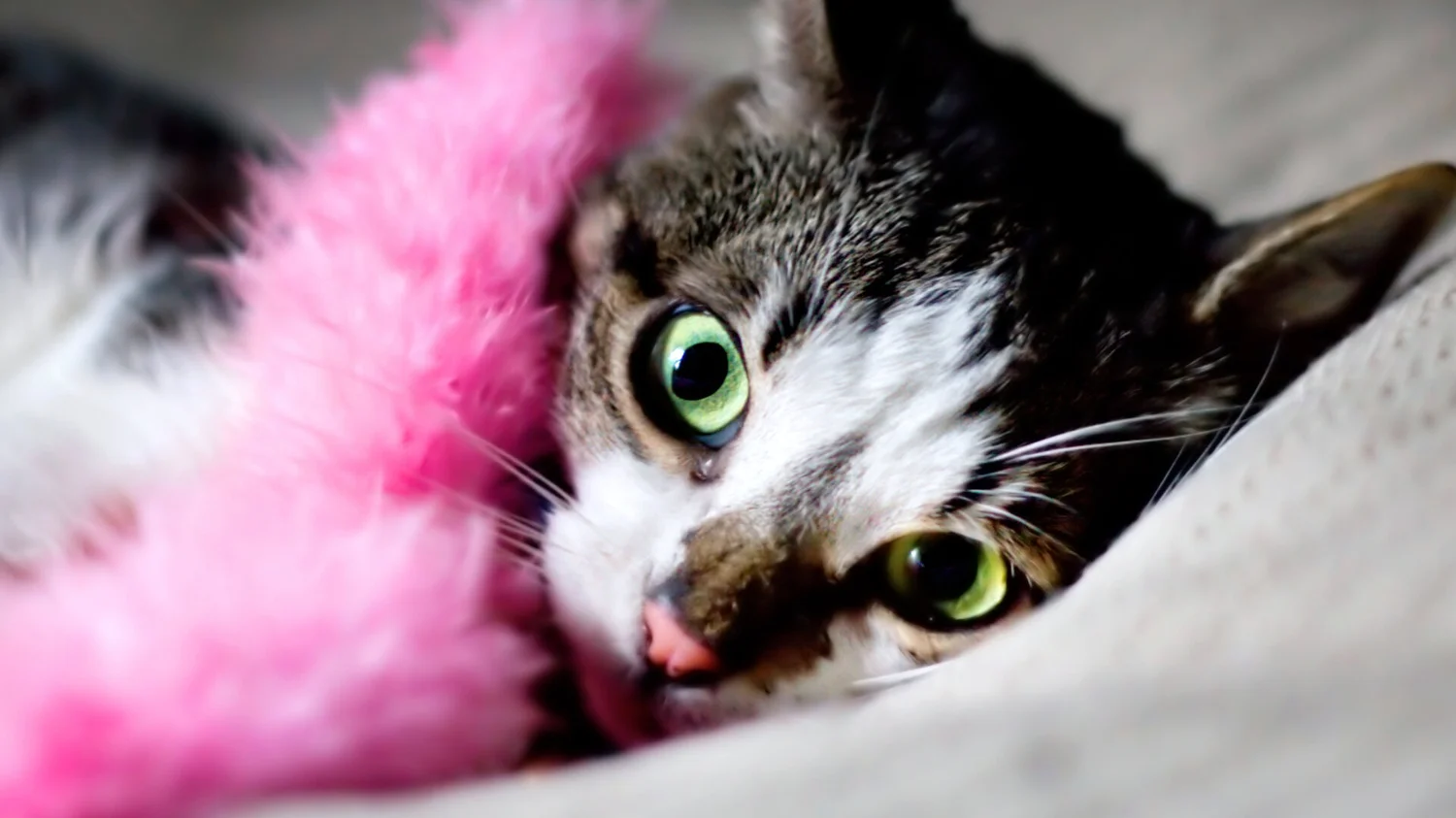
Have you ever noticed your cat meowing at her toys and wondered why she does that? It can be puzzling to hear those little sounds directed at something that isn’t alive.
But your cat’s meows are more than just random noises—they reveal how she’s feeling and thinking. Understanding this behavior can help you connect with your furry friend on a deeper level and make playtime even more enjoyable for both of you.
Keep reading to discover the surprising reasons behind your cat’s meowing at her toys and what it means for her happiness.
Cat Vocalizations And Behavior
Understanding why your cat meows at her toys starts with knowing how cats use sounds to express themselves. Cat vocalizations are not random noises but purposeful signals that reflect their emotions, needs, or reactions to their environment. By paying attention to these sounds, you can better understand your cat’s behavior and strengthen your bond.
Different Types Of Meows
Cats use a variety of meows, each with a distinct tone and meaning. Some are short and sharp, indicating excitement or surprise, while others are long and drawn out, signaling a request for attention or food.
- High-pitched meows:Often express happiness or eagerness, like when your cat spots a favorite toy.
- Low-pitched meows:Can indicate discomfort or frustration, possibly when a toy isn’t behaving as expected.
- Chirps and trills:These sounds show curiosity and interest, which might happen when your cat interacts with a moving toy.
Have you noticed your cat’s meow change when she plays? These vocal variations help you decode what she’s feeling during playtime.
How Cats Communicate
Cats combine vocal sounds with body language to communicate. When your cat meows at her toys, she might be practicing hunting skills or trying to get your attention to join the fun.
Observe her posture and eyes along with the meow. A focused gaze and twitching tail often mean she’s in “hunter mode.” Meowing at toys can be her way of expressing excitement or even frustration if the toy doesn’t respond.
Think about how your cat’s vocal behavior changes when she’s alone versus when you’re nearby. Does she meow more when she wants you to play with her? Understanding this can help you respond to her needs better.

Credit: moderncat.com
Common Reasons Cats Meow At Toys
Have you ever noticed your cat meowing at her toys and wondered why she’s making all that noise? Cats use meowing to communicate, and when it’s directed at toys, it’s often a mix of instinct and emotion. Understanding these common reasons can help you connect better with your feline friend and enrich her playtime experience.
Hunting Instincts Triggered
Your cat’s meow at her toys often signals her natural hunting instincts kicking in. Toys mimic prey, and the meow can be her way of expressing excitement or preparing to pounce. It’s like a little victory cheer or a way to announce, “I’ve caught it!”
Have you noticed how some cats even stalk and “attack” their toys with more vocal energy? This is a sign that their predatory drive is fully engaged, making playtime more realistic and stimulating for them.
Seeking Attention Or Interaction
Sometimes, your cat meows at her toys because she wants you to join the fun. She might be inviting you to play or showing off her catch. Cats often use vocalizations to get your attention, especially if they feel the toy isn’t getting enough action.
Think about how your cat reacts when you ignore her during play. Does she meow louder or bring the toy to you? These are clues that she’s asking for your involvement.
Expressing Frustration Or Excitement
Meowing at toys can also be a way for cats to express strong emotions. If a toy is just out of reach or not moving as expected, your cat might vocalize frustration. On the flip side, a happy meow can show pure excitement and joy during play.
Have you observed your cat’s tone change when she’s playing? A sharp, repetitive meow might mean she’s frustrated, while a softer, more rhythmic sound often signals contentment.
Emotional Connection To Toys
Have you noticed your cat meowing at her toys and wondered why she’s so vocal with inanimate objects? This behavior often points to a deep emotional connection between your feline friend and her playthings. Toys aren’t just distractions; they can become sources of comfort and even companions in your cat’s world.
Comfort And Security
Your cat may see her toys as a safe place to express feelings. Toys can act like a cozy blanket, offering reassurance when your cat feels anxious or lonely. When she meows at them, it might be her way of seeking comfort or affirming that the toy is a trusted friend.
Think about times when your cat curls up with a favorite toy after you leave the house. That toy provides a sense of security, helping her cope with separation. Could this be why she talks to it? Your cat might be using meows to strengthen that emotional bond.
Imitating Playmates
Have you ever heard your cat meow at her toy as if trying to get a response? Cats often treat toys like real playmates, practicing social behaviors they would normally use with other cats. Meowing can be a part of this interaction, a way to engage the “playmate” in her game.
This vocalization can also be your cat’s way of rehearsing hunting or communication skills. She might be imagining the toy as a fellow cat or prey, using meows to simulate real-life encounters. When you observe this, you get a glimpse into your cat’s rich social and imaginative life.
Environmental Factors Influencing Meowing
Cats meow at their toys for different reasons linked to their surroundings. The environment around your cat plays a big role in how often and why she vocalizes. Understanding these factors helps you respond better to her needs and moods.
Boredom And Loneliness
Cats need mental and physical activity to stay happy. A lack of play or company can make them feel bored or lonely. Meowing at toys can be a way to get attention or express frustration. Toys become their companions and meows their way to communicate. Providing interactive playtime reduces boredom and quiets their meows.
Changes In Surroundings
Shifts in the home environment can stress cats. New furniture, visitors, or noises may confuse your cat. Toys might seem more interesting or strange, causing her to meow more. Meowing helps your cat cope with uncertainty and seek comfort. Keeping a stable and calm space helps lessen these meows over time.
How To Respond To Your Cat’s Meowing
Cats meow at their toys to get attention or express excitement. They may want you to play or interact with them. Understanding this helps you respond better to their needs.
Cats communicate in various fascinating ways, and meowing at their toys is one of them. Understanding how to respond can strengthen your bond with your feline friend and enrich their environment. Your response can be a wonderful opportunity to engage and nurture your cat’s playful instincts, but how do you know what to do next?Engaging In Interactive Play
Interactive play is crucial for your cat’s physical and mental health. When your cat meows at her toys, consider it an invitation to join in the fun. Use a wand toy or a laser pointer to make playtime more dynamic and interactive. Create a routine that includes daily play sessions. This not only satisfies your cat’s hunting instincts but also provides them with much-needed exercise. Watch your cat’s reaction during play to tailor the activities to what excites them the most.Providing Enrichment
Enrichment goes beyond just toys. Rotating the toys or introducing puzzle feeders can keep your cat engaged. It stimulates their curiosity and prevents boredom. Think about the environment too. Climbing trees, scratching posts, and cozy nooks can offer the mental and physical challenges your cat craves. Observing what types of toys or environments your cat prefers can guide you in creating a more enriching space.When To Consult A Veterinarian
If your cat’s meowing becomes excessive or appears distressed, it might be time to consult a veterinarian. There could be underlying health issues or stress factors at play. Pay attention to changes in behavior or appetite, as these can be signs of a more serious condition. A professional can help determine if the meowing is more than just playful communication.
Credit: www.youtube.com

Credit: moderncat.com
Frequently Asked Questions
Why Does My Cat Meow At Her Toys?
Cats meow at their toys to express excitement or engage in play. It mimics hunting behavior and stimulates their natural instincts. Meowing can also be a way to get your attention during playtime.
Is Meowing At Toys A Sign Of Boredom?
Yes, meowing at toys can indicate boredom. Your cat may seek interaction or stimulation. Providing new toys or playtime helps reduce boredom and encourages healthy activity.
Do Cats Meow At Toys For Attention?
Cats often meow at toys to get your attention. They want you to join their play or notice their activity. Responding with engagement strengthens your bond.
Can Meowing At Toys Indicate Stress Or Anxiety?
Sometimes, meowing at toys may signal stress or anxiety. If excessive, observe other behaviors and consult a vet. Providing comfort and a calm environment helps reduce stress.
Conclusion
Cats meow at their toys to communicate and express feelings. They may feel playful, curious, or want attention. This behavior shows their natural hunting instincts and desire to interact. Watching your cat meow at toys helps you understand them better.
Enjoy these moments as part of your bond. Keep giving your cat toys to keep them happy and active. Simple gestures build trust and love between you and your pet.

Leave a Reply