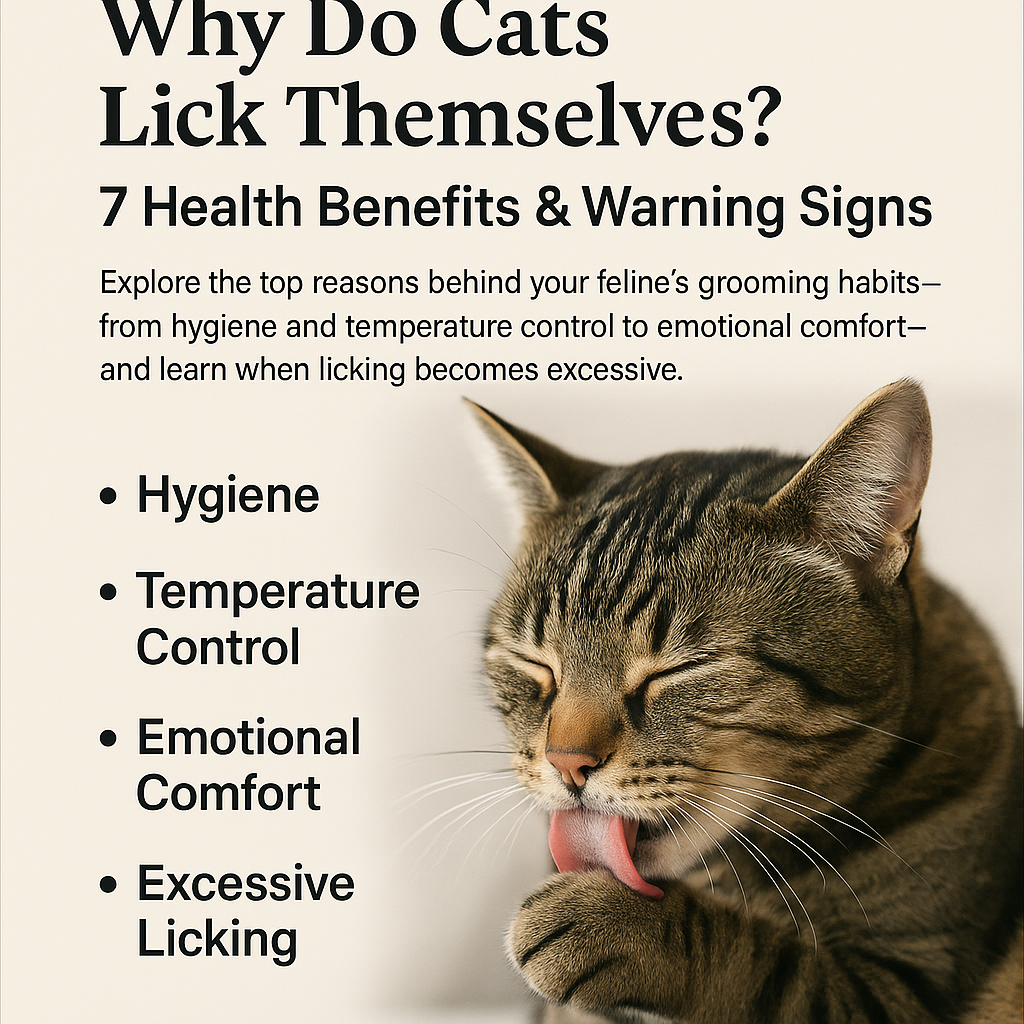
Have you noticed your cat spending more time than usual licking and cleaning himself? You might be wondering, “Why is my cat constantly grooming himself?”
It’s natural to think this behavior is just normal, but sometimes, it could be a sign that something is bothering your furry friend. Understanding why your cat grooms so much can help you keep him happy and healthy. Keep reading, and you’ll discover the surprising reasons behind this behavior and what you can do about it.

Credit: www.reddit.com
Normal Grooming Behavior
Understanding your cat’s grooming habits can help you tell if their behavior is normal or if it needs attention. Grooming is a natural part of a cat’s daily routine and serves several important functions. Watching your cat clean themselves can reveal a lot about their health and mood.
Purpose Of Grooming
Cats groom to keep their fur clean and free from dirt and parasites. This habit also helps regulate their body temperature and reduce stress. Have you noticed how your cat seems calmer after a thorough cleaning session? That’s because grooming releases endorphins, which make them feel good.
Besides cleanliness and comfort, grooming strengthens the bond between cats when they lick each other. This social grooming shows trust and affection. If your cat suddenly stops grooming, it might be a sign they’re feeling unwell or anxious.
Typical Grooming Patterns
Most cats spend about 30% to 50% of their waking hours grooming themselves. They often start with their face and head, then move to their body and tail. You might see your cat licking their paws to use them as little cleaning tools for hard-to-reach spots.
Grooming usually happens after meals, naps, or during quiet moments. If you observe your cat grooming excessively—more than usual or causing bald spots—it could mean discomfort or a skin problem. So, how often do you notice your cat’s grooming habits, and do they seem balanced?
Excessive Grooming Causes
Excessive grooming in cats can signal more than just a neat habit. When your feline friend spends too much time licking or biting their fur, it may indicate underlying problems that need your attention. Understanding the causes helps you act quickly to keep your cat comfortable and healthy.
Skin Allergies And Irritations
Skin allergies often lead cats to groom excessively. Your cat might react to food ingredients, pollen, or even cleaning products. You may notice redness, bumps, or flaky patches on their skin.
Have you checked if your cat’s diet or environment recently changed? Identifying and removing allergens can reduce their urge to groom nonstop.
Parasites And Fleas
Parasites such as fleas are common culprits behind constant grooming. Flea bites cause intense itching, pushing your cat to scratch and lick repeatedly. This behavior can worsen if fleas are not promptly treated.
Even if you don’t see fleas, tiny eggs or flea dirt might be hiding in the fur. Regularly inspect your cat, especially during warmer months, and consider flea prevention treatments.
Stress And Anxiety
Stress can trigger compulsive grooming in cats, similar to how humans bite their nails. Changes in routine, new pets, or loud noises might cause your cat to feel anxious. Excessive grooming becomes their way to self-soothe.
Have you noticed if your cat grooms more during certain times or after specific events? Providing a calm environment and interactive toys can help ease their stress.
Pain Or Discomfort
Sometimes, grooming focuses on a painful area like an injury or arthritis-affected joint. Your cat might lick or chew a spot to relieve discomfort. This targeted grooming can quickly turn into a persistent habit.
If your cat suddenly grooms one area intensely, consider a vet visit to rule out hidden injuries or health issues. Early detection can prevent further complications.
Health Issues Linked To Over-grooming
Excessive grooming in cats might seem like a harmless habit, but it can be a clear sign of health problems. When your cat grooms more than usual, it’s important to look beyond cleanliness and consider potential medical issues. Understanding these health concerns can help you act quickly to protect your furry friend’s well-being.
Dermatitis And Infections
Over-grooming often causes or worsens dermatitis, a painful skin inflammation. Cats may lick or scratch affected areas, trying to relieve itching or irritation. This can lead to open wounds, which increase the risk of bacterial or fungal infections.
If you notice redness, swelling, or scabs on your cat’s skin, it could indicate an infection. Ignoring these signs might allow the problem to spread, making treatment more difficult and painful for your pet.
Hair Loss And Skin Damage
Constant grooming can cause noticeable hair loss in patches or even large areas. This isn’t just a cosmetic issue—your cat’s skin may become raw and sensitive from repeated licking and biting. Over time, this damage can lead to scarring and permanent changes in fur growth.
Have you observed bald spots or sore patches on your cat? These are red flags that should prompt a visit to the vet before the damage worsens.
Underlying Medical Conditions
Sometimes, over-grooming is a symptom of deeper health issues such as allergies, parasites, or hormonal imbalances. Cats with flea infestations, for example, might groom excessively to relieve itching. Allergies to food or environmental factors can also trigger this behavior.
Could your cat’s grooming be masking a hidden illness? Only a thorough veterinary examination can identify these underlying causes and guide effective treatment.
Credit: www.petscare.com
Behavioral Factors
Behavioral factors play a significant role in why your cat might be grooming itself excessively. Cats use grooming not only for cleanliness but also to manage stress, boredom, or anxiety. Understanding these behaviors can help you address the root causes and improve your cat’s well-being.
Boredom And Lack Of Stimulation
Have you noticed your cat grooming more when left alone for long hours? Cats that don’t get enough mental or physical stimulation often turn to grooming as a way to pass time. This repetitive behavior can become a habit if their environment is dull.
Try adding new toys, scratching posts, or interactive play sessions to your cat’s daily routine. Even simple changes like rearranging furniture or adding a window perch can spark curiosity and reduce over-grooming. How often do you switch up your cat’s environment to keep them engaged?
Compulsive Grooming Disorders
Sometimes, excessive grooming is a sign of a compulsive disorder, similar to OCD in humans. Your cat might lick or bite the same spot repeatedly, causing hair loss or skin damage. This is more than just a habit; it’s a behavioral issue that needs attention.
Stress, anxiety, or past trauma can trigger compulsive grooming. If you see your cat grooming to the point of injury, consult your vet or a behavior specialist. They can recommend treatments like behavior modification or medication to help manage the condition.
How To Help Your Cat
Cats groom themselves to stay clean and calm. Excessive licking might mean stress or health issues. Watching your cat closely helps spot problems early.
Cats often groom themselves to stay clean and healthy. But excessive grooming might be a sign of a problem. Understanding why your cat grooms frequently can help you address the issue. Let’s explore some ways to assist your feline friend.Veterinary Diagnosis
A vet visit can be crucial. The vet will check for skin conditions or parasites. They may also look for allergies or stress factors. Accurate diagnosis helps in formulating a treatment plan. Regular check-ups can prevent health issues.Treatment Options
After diagnosis, the vet suggests treatments. This may include medication for skin issues. For allergies, dietary changes might help. Stress-related grooming can be managed with behavior therapy. Always follow the vet’s advice for effective results.Environmental Enrichment
Boredom can lead to excessive grooming. Provide toys and activities. This keeps your cat engaged and reduces stress. A scratching post is useful. Cats love high places, so add shelves or perches. Interactive playtime strengthens your bond and distracts from grooming.Preventive Measures
Regular grooming sessions can prevent matting and skin issues. Use a soft brush suitable for your cat’s fur. Ensure your cat has a balanced diet. This supports healthy skin and coat. Monitor for signs of stress or illness. Early intervention is key to a happy, healthy cat.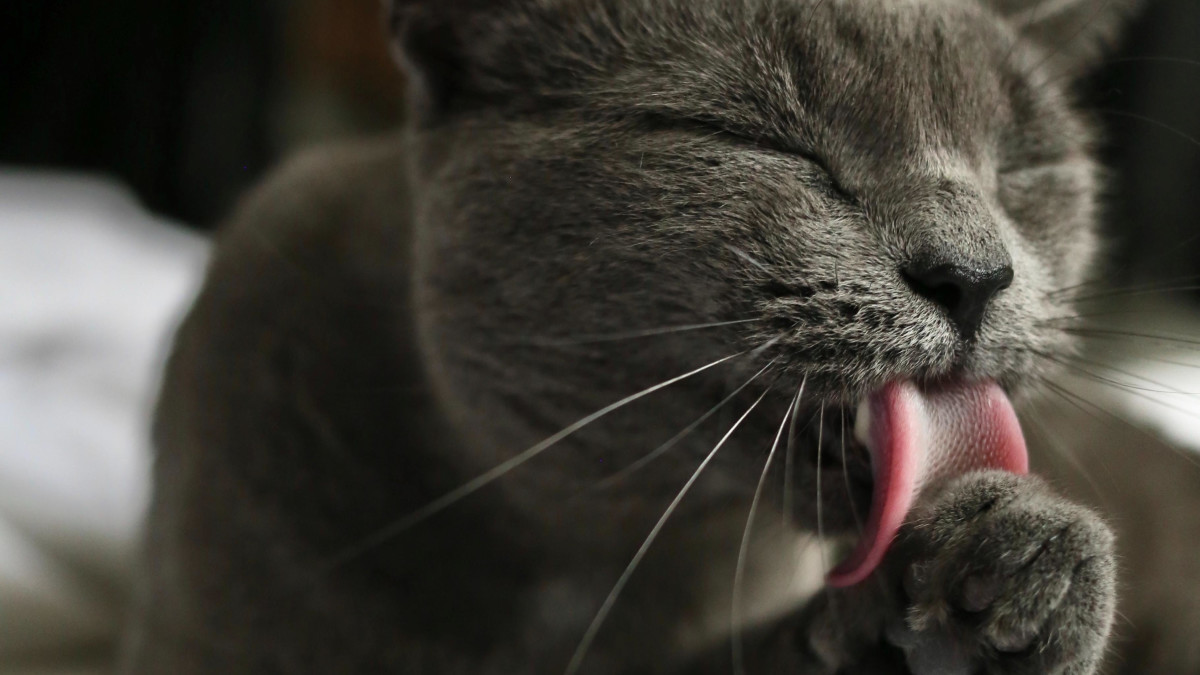
Credit: pethelpful.com
Frequently Asked Questions
Why Does My Cat Groom Himself So Often?
Cats groom frequently to stay clean, remove loose fur, and regulate body temperature. Grooming also reduces stress and helps them feel safe.
Can Excessive Grooming Mean My Cat Is Sick?
Yes, excessive grooming can indicate skin allergies, parasites, or pain. If your cat grooms obsessively, consult a veterinarian for diagnosis.
How Does Grooming Benefit My Cat’s Health?
Grooming removes dirt and parasites, stimulates blood flow, and keeps skin healthy. It also strengthens the bond when cats groom each other.
Is Constant Grooming A Sign Of Anxiety In Cats?
Yes, cats may groom excessively due to stress or anxiety. Providing a calm environment and enrichment can help reduce this behavior.
Conclusion
Cats groom themselves to stay clean and healthy. Constant grooming can show stress or skin problems. Watch your cat’s behavior for changes or discomfort. Regular vet visits help catch any health issues early. Giving your cat a calm space reduces stress and excessive licking.
Understanding why your cat grooms often keeps them happy. Small changes in grooming can mean a lot. Stay attentive and care for your cat’s needs daily.



Leave a Reply