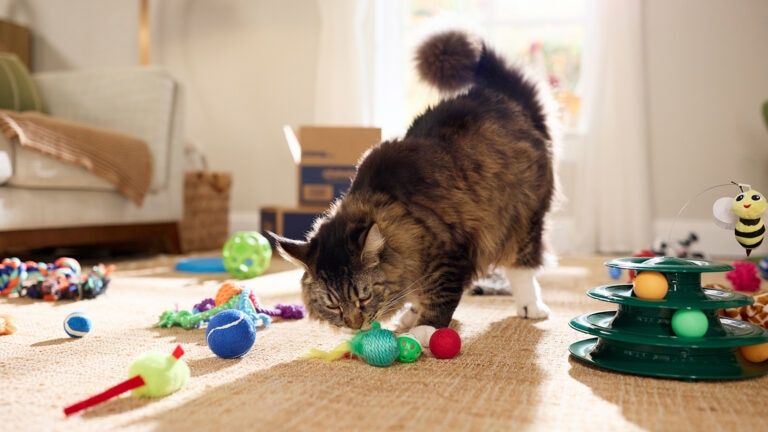
Have you ever caught your cat dropping her favorite toy into her water bowl and wondered why she does it? It might seem strange or even messy, but there’s a surprising reason behind this quirky habit.
Understanding why your cat puts her toy in her water can help you connect with her better and keep her happy. Keep reading to discover the simple explanations and what this behavior says about your furry friend.

Credit: www.reddit.com
Cat Behavior Around Toys
Understanding how your cat interacts with her toys gives you a glimpse into her mind and emotions. Cats don’t just play randomly; their behavior around toys is deeply tied to instincts and attachments. Observing these actions helps you respond better to her needs and quirks.
Play Instincts
Your cat’s play is a way to practice hunting skills she would use in the wild. She might chase, pounce, or even carry her toys, mimicking catching prey. This natural instinct explains why some cats bring toys to water—they treat the water bowl like a “safe zone” or a “den” where they can store their catch.
Have you noticed your cat’s different play styles? Some prefer stalking before pouncing, while others just bat toys around. These variations reflect individual personalities and hunting techniques.
Toy Attachment
Cats often form strong bonds with specific toys, treating them almost like companions. Your cat might carry her favorite toy to her water bowl to keep it close or protect it from other pets. This behavior shows trust and possession, similar to how cats mark their territory.
Think about your cat’s favorite toy—does she sleep with it or hide it in secret spots? These actions reveal how important that object is to her. Understanding this attachment can help you choose toys that satisfy her emotional needs.

Credit: www.youtube.com
Water Bowl Habits
Have you ever noticed your cat dropping her toy into her water bowl and wondered why? This curious habit goes beyond simple playfulness. Understanding your cat’s water bowl habits can reveal a lot about her personality and needs.
Drinking Preferences
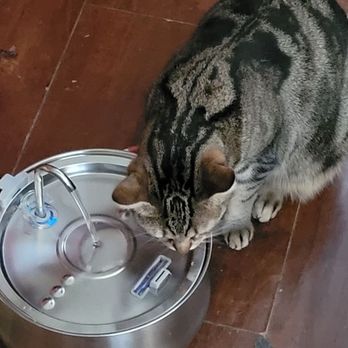
Cats can be very particular about how and where they drink water. Some prefer running water, like from a fountain, while others are fine with a still bowl. Your cat placing a toy in the water might be her way of marking the water as her own space.
This behavior could also indicate she wants the water to stay fresh longer. Toys in the bowl might slow down other pets or even dust from getting in. Have you tried changing the water more often or using a different bowl material to see if she stops?
Water As A Play Area
To your cat, the water bowl might double as a mini playground. The splash and movement of water can be fascinating, especially when a toy is involved. This playful interaction keeps her mentally and physically engaged.
Think about how your cat interacts with toys outside the bowl—does she chase, toss, or carry them around? Dropping toys in water could be an extension of this play, combining two favorite activities. Next time you see this, try tossing a floating toy nearby and observe her reaction.
Reasons Behind Toy Dipping
Seeing your cat dunk her toy into her water bowl might seem odd at first. But this behavior actually reveals several interesting reasons behind why cats interact with their toys and environment in this way. Understanding these reasons can help you better respond to your cat’s unique habits.
Testing Object Safety
Cats rely heavily on their senses to explore the world. When your cat puts her toy in water, she might be checking if it’s safe to play with or chew on.
Water changes the texture and smell of the toy, giving your cat new information about it. This behavior can be a way for her to test if the toy is clean or free from anything harmful.
Have you noticed your cat dipping other items too? It’s her way of making sure what she interacts with won’t hurt her.
Cooling Down Toys
Sometimes your cat’s toy ends up in the water because she wants to cool it down. On hot days, toys can absorb heat, and dipping them in water makes them more refreshing to carry around.
This is especially true if your cat enjoys carrying the toy in her mouth. A cooler toy might feel better on her gums or paws.
Try observing your cat on warm days. Does she dip her toys more often? This simple act can be her way of staying comfortable.
Scent Marking
Cats have scent glands in their paws and mouths, and they use toys as scent carriers. Dipping a toy in water can help spread her unique scent more effectively.
Water may amplify the scent or help it stick better to the toy, marking it as “hers” in her environment. This is a subtle way for cats to claim ownership.
Next time you see your cat doing this, consider it a sign she’s bonding with her toy—and with her home space.
Credit: m.yelp.com
Environmental Influences
Cats often place toys in water due to natural curiosity and play instincts. This behavior may also help them explore their environment or keep their toys clean. Environmental factors like boredom or seeking attention can influence this habit.
Cats exhibit many curious behaviors, each influenced by their environment. Environmental factors can shape your cat’s actions. They play a significant role in your cat’s habits and instincts.Changes In Surroundings
A shift in the environment can affect your cat’s behavior. Moving furniture or adding new items might confuse your cat. She might feel the need to secure her favorite toys. Placing her toy in water could be her way to keep it safe. It’s a natural response to unfamiliar surroundings. Cats often react to changes by modifying their actions.Interaction With Other Pets
The presence of other pets can also influence your cat’s behavior. She might feel competition for her toys. Placing the toy in water can deter other pets. This action helps her claim ownership. It’s a simple strategy to ensure her toy remains hers. Cats are territorial creatures and protect their possessions.Health And Hygiene Factors
Understanding the health and hygiene factors behind your cat putting her toy in her water can reveal a lot about her comfort and well-being. Cats are sensitive creatures, and small habits often indicate underlying needs or concerns. Paying close attention to these behaviors can help you ensure your cat stays healthy and happy.
Dental Or Mouth Sensitivities
Your cat might be placing her toy in the water because of discomfort in her mouth or teeth. Chewing or playing with toys can sometimes cause irritation if she has dental issues like sore gums or a loose tooth.
Water may provide some relief or distraction from the pain. Have you noticed your cat avoiding dry food or pawing at her mouth? These signs paired with the toy-in-water habit could signal a dental check-up is needed.
Water Cleanliness Concerns
Cats are very particular about the cleanliness of their water. If the water bowl isn’t fresh or has an unusual smell, your cat might try to “clean” it by dipping her toy inside.
This behavior could be her way of testing or stirring the water to make it more appealing. Try refreshing her water multiple times a day and using a clean bowl to see if the habit stops.
Have you experimented with different types of water bowls or locations to improve her drinking habits? Sometimes even small changes can make a big difference in your cat’s hydration and health.
How To Respond To This Behavior
Understanding how to respond when your cat puts her toy in her water is important. This behavior can seem strange or messy. Reacting calmly helps your cat feel safe. You can guide her to play and drink water properly. There are simple ways to manage this habit without stress.
Encouraging Positive Play
Offer your cat plenty of playtime with her toys. Use interactive toys like wand teasers or laser pointers. This keeps her active and focused on play. Praise her when she uses toys away from her water. Redirect her gently if she moves toys near the bowl. Consistent playtime reduces boredom and unwanted behavior.
Maintaining Clean Water
Change your cat’s water daily to keep it fresh. Clean the bowl often to prevent dirt and germs. Use a wide and shallow water dish to discourage toy dumping. Place the water bowl away from play areas. Fresh water encourages healthy drinking habits. A clean bowl keeps your cat happy and hydrated.
Providing Alternative Toys
Give your cat toys that are less likely to go in water. Soft plush toys or balls can be good options. Rotate toys regularly to keep her interested. Offer puzzle toys that challenge her mind. Keep some toys only for playtime, not near water. This helps her learn where to play and where to drink.
Frequently Asked Questions
Why Does My Cat Put Toys In Water?
Cats often place toys in water as a form of play or to mimic hunting behavior. It may also be a way to cool down or explore different textures. This behavior is normal and reflects their natural instincts and curiosity.
Is It Harmful If My Cat Puts Toys In Water?
No, it is generally not harmful if your cat puts toys in water. However, ensure the water is clean to prevent bacteria growth. Regularly wash the toys and change the water to maintain hygiene and your cat’s health.
Does Putting Toys In Water Mean My Cat Is Stressed?
Not necessarily. Cats may put toys in water out of boredom or curiosity rather than stress. Observe other behaviors to identify stress signs. Providing stimulation and playtime can help reduce any underlying anxiety.
How Can I Stop My Cat From Putting Toys In Water?
You can redirect your cat’s attention with interactive play or more stimulating toys. Ensure fresh water is always available. Place water bowls away from toy areas to discourage this behavior, while still allowing safe exploration.
Conclusion
Cats have many curious habits, like putting toys in water. This behavior can show their playful side or a way to keep toys clean. It might also help them feel safe with their favorite items nearby. Watching your cat’s actions helps you understand her better.
Remember, each cat is unique and may have her own reasons. Enjoy these small moments—they reveal a lot about your pet’s personality and needs. Keep observing and caring for your cat to build a strong bond.



Leave a Reply