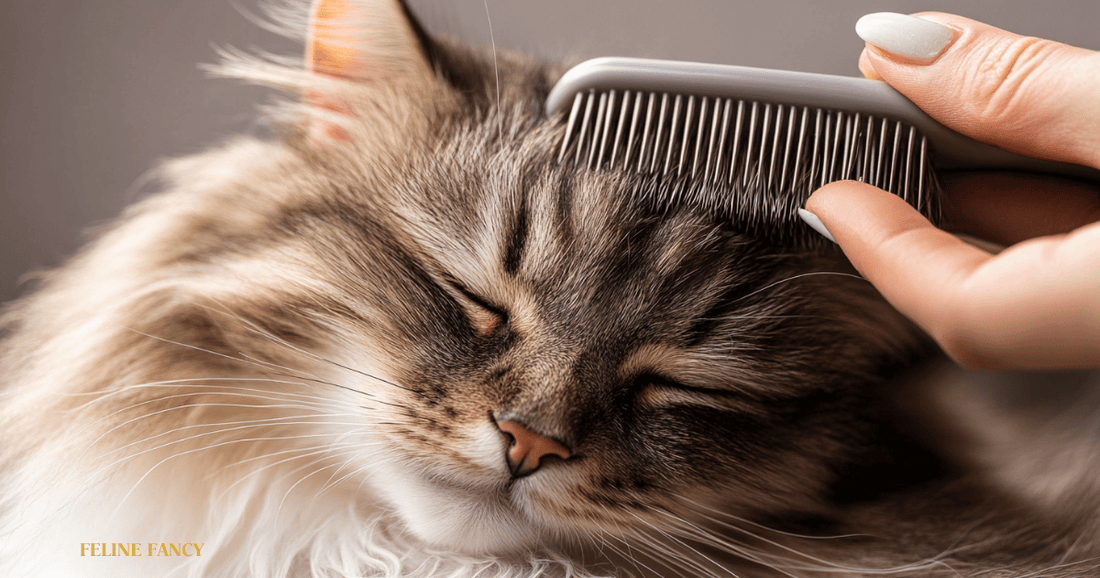
Is your old cat struggling with matted fur? You’re not alone, and the good news is you can help your furry friend feel comfortable again.
Matted fur can cause pain and skin problems, but with the right approach, grooming your senior cat doesn’t have to be stressful for either of you. You’ll discover simple, effective tips to gently remove mats and keep your cat’s coat healthy.
Keep reading—you’ll learn how to make grooming a calm and caring experience that your cat will appreciate.
Credit: www.purina.com
Signs Of Matted Fur
Noticing matted fur on your old cat can be worrying. Matted fur looks like clumps or tangles that pull tightly against the skin. These mats can hide undercoat and skin issues, making it important to spot them early.
Common Causes
Several factors can lead to matted fur in older cats. Reduced grooming ability due to arthritis or dental problems often means your cat can’t clean themselves properly.
Changes in behavior, like less frequent licking, also contribute. Sometimes, thick or long fur naturally tangles without regular brushing.
- Health issues reducing mobility
- Overweight cats struggling to reach spots
- Seasonal fur shedding
- Neglected grooming routines
Health Risks
Ignoring matted fur can cause more than just discomfort for your cat. Mats pull on the skin, causing irritation and sometimes painful sores.
They trap dirt and moisture, which can lead to infections or attract parasites like fleas. Have you ever seen your cat excessively scratching or biting at a certain spot? That might be a sign of hidden mats causing pain.
In severe cases, mats can restrict movement or blood flow, impacting your cat’s overall health. Checking your cat regularly helps catch these risks before they worsen.
Tools For Gentle Grooming
Choosing the right tools makes grooming your old cat’s matted fur easier and safer. Gentle grooming needs equipment designed to avoid hurting sensitive skin. Using proper brushes and clippers helps remove mats without stress. It also keeps your cat calm during grooming sessions.
Best Brushes And Combs
Soft-bristled brushes work well for delicate, older cats. They gently detangle fur without pulling on the skin. Slicker brushes help loosen mats but should be used carefully to avoid scratching. Wide-toothed combs slide through thick fur and mats more easily. Use combs to break apart mats slowly and gently.
- Soft-bristle brushes for sensitive skin
- Slicker brushes for light mat removal
- Wide-toothed combs for thick fur
- Dematting combs with rounded tips
Safe Clippers And Scissors
Choose clippers designed for pets, with quiet motors to reduce noise stress. Blades should be sharp and well-maintained to cut mats smoothly. Avoid pulling mats with dull blades. Rounded-tip scissors prevent accidental cuts to skin. Use scissors only on small, stubborn mats and always cut away from your cat’s body.
- Quiet, sharp pet clippers
- Rounded-tip grooming scissors
- Regular blade cleaning and sharpening
- Safety guards for clippers if available
Preparing Your Cat
Preparing your old cat for grooming matted fur is crucial to make the process smoother and less stressful for both of you. Older cats can be sensitive to new experiences, so setting the right tone beforehand helps. Taking time to prepare can turn grooming from a dreaded chore into a bonding moment.
Creating A Calm Environment
Choose a quiet room where your cat feels safe and undisturbed. Turn off loud noises like the TV or radio to minimize distractions.
Dim the lights slightly to create a soothing atmosphere, but keep it bright enough to see the mats clearly. Having soft blankets or your cat’s favorite bed nearby can make the space inviting.
Try to do grooming sessions in the same spot each time. Familiarity reduces anxiety and helps your cat associate the area with calmness and care.
Getting Your Cat Comfortable
Spend a few minutes petting your cat gently before you start grooming. Notice where your cat likes to be touched and focus on those areas first.
If your cat enjoys treats, keep some handy to reward calm behavior. This positive reinforcement can turn grooming into a more pleasant experience.
Use slow, deliberate movements with your hands and the grooming tools. Sudden motions might startle your cat, especially if it’s older and less agile.
Have you noticed how your cat reacts when you touch certain spots? Paying attention to these reactions helps you avoid causing discomfort during grooming.
Step-by-step Grooming Process
Begin by gently brushing your cat’s fur to remove loose hair. Use a detangling spray and carefully work through mats with a comb. Trim stubborn mats with scissors, avoiding the skin, and reward your cat with breaks and treats.
Grooming your senior cat’s matted fur can be a delicate process, but it’s essential for their comfort and health. As cats age, they may groom themselves less effectively, leading to mats. By carefully following a step-by-step process, you can help your feline friend feel their best.Detangling Small Mats
Start with a gentle approach. Use a wide-toothed comb to gently tease apart small mats. Hold the fur close to the skin to avoid tugging, which can be painful for your cat. A few minutes each day can make a big difference. You might find your cat appreciates the attention and begins to purr. Be patient, and remember that slow progress is still progress.Handling Severe Mats
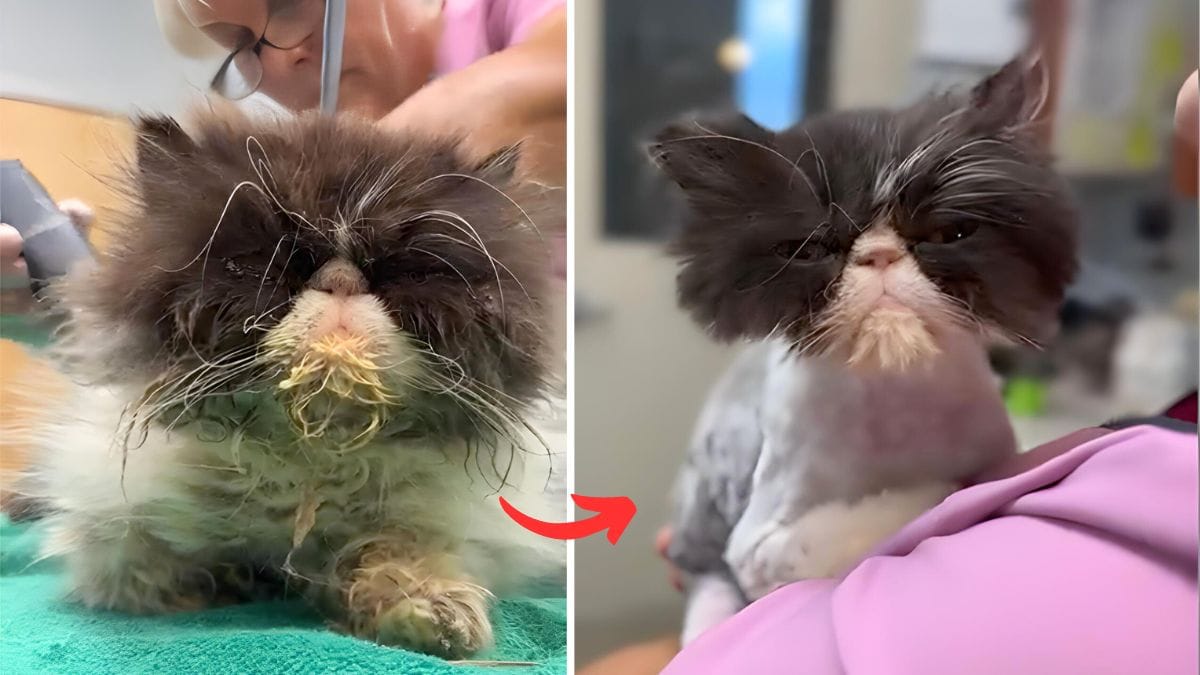
Severe mats require a different approach. If the mat is too tight, scissors might be necessary, but exercise caution. Always place a comb between the mat and your cat’s skin to prevent accidental cuts. If you feel uneasy, consult with a professional groomer or vet. They have the right tools and experience to handle severe cases safely. Your cat’s comfort and safety should always come first.Using Detangling Sprays
Detangling sprays can be a lifesaver. Opt for a pet-safe formula designed for cats. These sprays can make the fur slicker, making it easier to work through stubborn mats. Spray a small amount onto the mat and let it sit for a few minutes. This softens the fur, making it easier to comb through. Always check the product’s instructions and test on a small area first to ensure your cat doesn’t have a reaction. Grooming an older cat’s matted fur can seem daunting. But with patience, the right tools, and these steps, you can make the process smoother for both you and your feline companion. Remember, grooming is not just about aesthetics—it’s about ensuring your cat feels comfortable and loved.When To Seek Professional Help
Knowing when to seek professional help for grooming your old cat’s matted fur is crucial. Matted fur can cause discomfort and even health issues if not handled properly. Sometimes, the situation is beyond what you can safely manage at home, and recognizing the signs early can save your cat from unnecessary pain.
Signs You Need A Groomer
Severe mats that pull on your cat’s skin are a clear warning sign. If your cat shows signs of distress like hissing, biting, or hiding whenever you try to groom, it’s time to get a professional involved.
Look out for mats that cover large areas, especially near sensitive spots like the belly or underarms. Thick mats can trap moisture and dirt, increasing the risk of infections. You might notice your cat grooming excessively or licking certain areas, which can indicate discomfort caused by mats.
Veterinary Advice
Sometimes, matted fur is linked to underlying health issues. If your cat suddenly develops mats, especially if they’ve never had problems before, a vet checkup is essential. Conditions like arthritis or dental pain can make grooming painful, causing your cat to avoid cleaning themselves.
Your vet can also advise on the safest way to remove mats and whether sedation might be necessary. They can guide you on proper grooming tools and techniques to prevent future matting. Consulting a vet before attempting major grooming changes ensures your cat’s overall wellbeing is prioritized.
Credit: rockykanaka.com
Preventing Future Mats
Preventing future mats in your old cat’s fur takes a bit of daily attention and care. Mats don’t just appear out of nowhere—they often form when fur becomes tangled and stays that way. By acting early and creating a grooming-friendly environment, you can keep your cat’s coat smooth and comfortable.
Regular Brushing Routine
Brushing your cat regularly is the best defense against mats. Older cats can be sensitive, so choose a soft brush that won’t irritate their skin. Try to brush at least a few times a week, focusing on areas that tend to tangle, like behind the ears and under the legs.
If your cat resists, break brushing into short sessions. You might find that brushing after a nap or during quiet times works better. Have you noticed your cat prefers certain spots? Use those moments to build a positive routine together.
Diet And Hydration
A healthy coat starts from the inside. Feeding your cat a balanced diet rich in omega-3 and omega-6 fatty acids supports skin health and fur strength. You can also add supplements like fish oil after checking with your vet.
Hydration matters just as much. Older cats sometimes drink less water, which can dry out their skin and fur. Offering wet food or fresh water with a pet fountain can encourage better hydration and reduce matting risks.
Comfortable Living Space
Your cat’s environment plays a surprising role in fur health. Soft bedding and clean resting spots prevent fur from getting trapped and tangled. Make sure their favorite areas are free of rough fabrics or clutter that might catch their coat.
Consider how often you clean these areas—dust and dirt can worsen matting. Have you checked if your cat’s sleeping spots are cozy and smooth enough to protect their delicate fur?
Caring For Sensitive Skin
Older cats often have sensitive skin. Matted fur can make this worse by pulling and causing discomfort. Caring for your cat’s skin is important during grooming. Gentle handling helps prevent pain and irritation. Use soft tools and calm motions to soothe your pet.
Choosing Gentle Products
Select shampoos and conditioners made for sensitive skin. Look for products without harsh chemicals or strong fragrances. Natural ingredients like aloe vera and oatmeal work well. Avoid products with alcohol or parabens as they can dry out skin. Always test a small area first to check for reactions.
Avoiding Irritation
Brush your cat gently to avoid scratching or pulling. Use a wide-toothed comb for mats and tangles. Keep your cat calm during grooming sessions to reduce stress. Stop if your cat shows signs of pain or discomfort. Clean your tools regularly to prevent bacteria buildup that can irritate skin.

Credit: nationalcatgroomers.com
Frequently Asked Questions
How Do I Safely Remove Mats From My Old Cat’s Fur?
Use a wide-toothed comb to gently detangle mats. Hold the fur close to the skin to avoid pulling. For tough mats, carefully trim with blunt scissors or seek professional grooming help to prevent injury.
Can I Groom My Senior Cat With Matted Fur At Home?
Yes, but be patient and gentle. Use proper grooming tools like a dematting comb. Avoid forcing mats out; instead, work slowly or consult a vet for severe matting.
What Causes Matting In Old Cats’ Fur?
Matting occurs due to less grooming, dry skin, or health issues common in older cats. It can also be caused by long fur, dirt buildup, or moisture trapped in the coat.
How Often Should I Groom My Senior Cat To Prevent Mats?
Groom your senior cat at least twice a week. Regular brushing removes loose fur and prevents tangles. Increase grooming frequency if your cat has long or thick fur.
Conclusion
Grooming your old cat’s matted fur takes patience and care. Use gentle tools and soft strokes to avoid pain. Regular brushing helps stop mats from coming back. Watch your cat’s mood and stop if it feels stressed. Keep grooming sessions short but frequent for best results.
Healthy fur means a happy, comfortable cat. Small steps make a big difference in your cat’s life. Keep loving and caring for your furry friend every day.




Leave a Reply