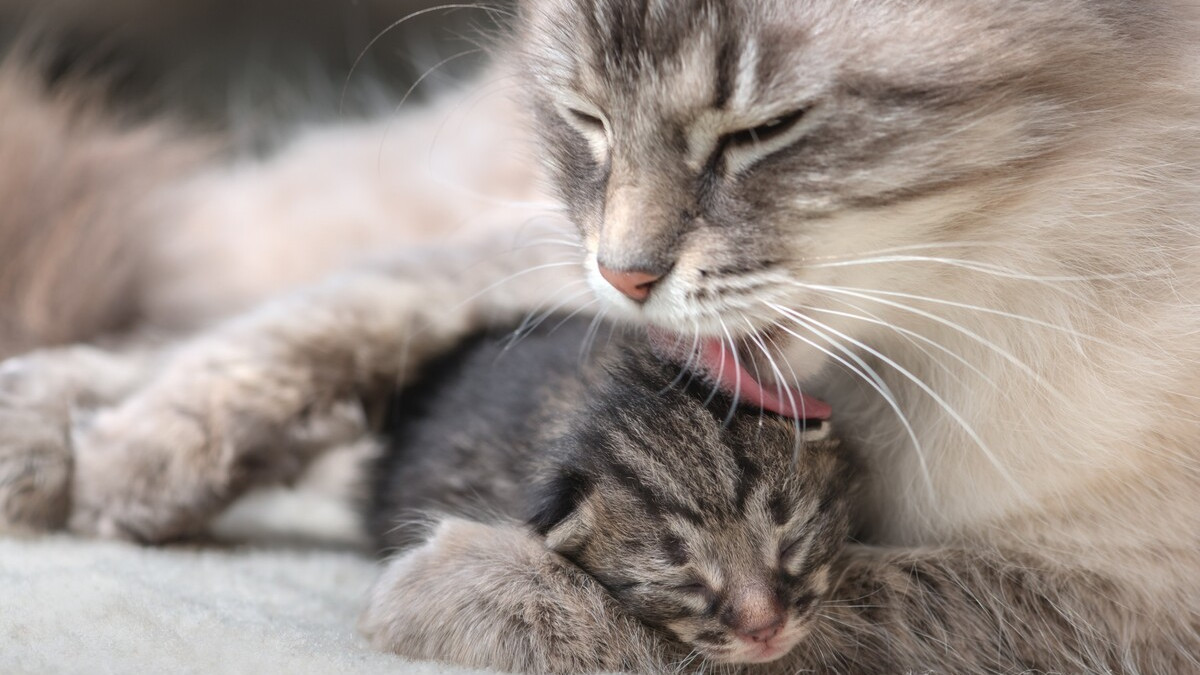
Have you ever watched your cat gently licking and cleaning your kitten and wondered, “Why is my cat grooming my kitten?” It’s more than just a cute moment—it’s a powerful way your cat shows care, builds trust, and creates a strong bond. Understanding this behavior can help you connect better with your pets and keep them happy and healthy.
Keep reading to discover the surprising reasons behind this affectionate act and what it means for your furry family.
Credit: pethelpful.com
Cat Grooming Behavior
Observing your cat grooming your kitten can feel heartwarming and curious at the same time. This behavior is not just about cleanliness; it reveals deeper instincts and social bonds between cats. Understanding why your cat grooms your kitten opens a window into their natural behavior and their way of communicating.
Grooming Instincts In Cats
Cats groom themselves to stay clean and healthy. It’s an instinct passed down from their wild ancestors who needed to remove dirt and parasites to survive. When your cat grooms your kitten, it’s an extension of this self-care instinct.
This action helps the kitten stay clean and introduces it to the family’s scent. You might notice your cat licking the kitten’s fur gently, which also calms both animals. Have you seen how your cat’s grooming seems almost like a ritual? It’s a way to make sure the kitten feels safe and part of the group.
Social Grooming Among Cats
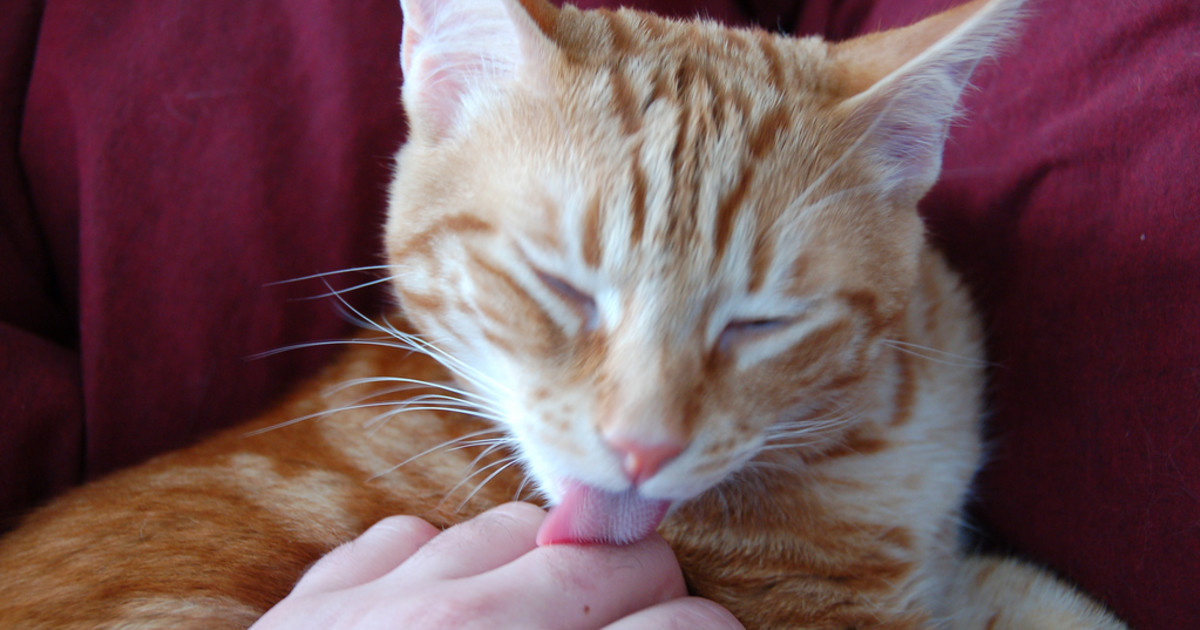
Beyond cleanliness, grooming plays a big role in building relationships between cats. Social grooming, or allogrooming, is how cats create trust and strengthen bonds. When your cat grooms the kitten, it’s showing care and acceptance.
This behavior often means the older cat is welcoming the kitten into the family pack. It can also reduce stress and make both cats feel more relaxed together. Think about how your cat’s grooming might be encouraging your kitten to feel secure in a new environment.
Have you noticed if your cat grooms certain areas more than others? Social grooming usually focuses on the head and neck, spots hard for the cat to reach themselves. This shows a level of intimacy and care that goes beyond simple hygiene.

Credit: www.reddit.com
Bonding And Affection
Cats grooming their kittens is a clear sign of love and trust. This act builds a strong emotional bond between them. It helps kittens feel safe and cared for. Grooming is more than cleaning; it is a way cats express deep affection. Through this gentle behavior, cats show their commitment to their young ones.
Strengthening The Cat-kitten Relationship
Grooming creates a close connection between the mother cat and kitten. It helps the kitten learn social skills and trust. The mother’s licking calms the kitten and reduces stress. This routine fosters a sense of belonging and security. Over time, it builds a lifelong bond that shapes the kitten’s behavior.
Showing Care Through Grooming
Grooming is a way cats show they care deeply. It keeps the kitten clean and healthy by removing dirt and pests. The mother’s tongue spreads natural oils, keeping the kitten’s fur soft. This action signals protection and warmth. It reassures the kitten that it is loved and important.
Teaching And Guidance
When you see your cat grooming your kitten, it’s more than just a sweet moment. It’s a vital part of teaching and guiding the younger cat. This behavior helps kittens understand their world and learn essential life skills.
Helping Kittens Learn Hygiene
Grooming is how cats stay clean, and your adult cat is showing the kitten exactly how to do it right. By licking the kitten, your cat removes dirt and loose fur, teaching the kitten the importance of cleanliness.
This hands-on lesson goes beyond cleanliness. It helps the kitten recognize which areas need attention and how to keep them healthy. You might notice the kitten starts grooming itself soon after watching the older cat.
Passing On Important Skills
Your cat’s grooming isn’t just about hygiene—it’s about teaching the kitten social and survival skills. The older cat teaches boundaries and trust through gentle grooming, which helps the kitten feel safe and learn how to interact with others.
This grooming also shows the kitten how to behave in a group. It’s a subtle way of teaching respect and patience, skills your kitten will use throughout life. Have you ever noticed your kitten mirroring your cat’s grooming habits? That’s learning in action.

Credit: www.reddit.com
Stress Relief And Comfort
Cats grooming their kittens is a heartwarming sight. This behavior provides stress relief and comfort for both mother and kitten. Grooming is not just about cleanliness; it plays a crucial role in their emotional well-being. It helps in calming the mind and creating a peaceful environment.
Calming Effects Of Grooming
The rhythmic action of grooming soothes the kitten. It mimics the comforting sensation they felt in the womb. This repetitive motion can lull them into a relaxed state. The kitten feels secure, knowing their mother is nearby. This activity strengthens the bond between mother and kitten.
Reducing Anxiety In Kittens
Grooming reduces anxiety in young kittens. Being groomed reassures them they are safe. It helps them adjust to new surroundings. They learn that their mother is there to protect them. This reduces their stress levels significantly. A calm kitten is more likely to explore and learn. This early interaction fosters a sense of security.
Establishing Hierarchy
Cats use grooming to communicate more than just cleanliness. Grooming helps them build social order inside their group. When an older cat grooms a kitten, it sends a clear message about their roles. This behavior helps keep peace and balance between them.
Understanding how cats establish hierarchy through grooming reveals much about their social world. It is a form of gentle control and care mixed together. The older cat shows dominance but also acceptance of the younger one.
Dominance In Cat Groups
Dominance in cats is not about fighting all the time. It often shows through small acts like grooming. The dominant cat usually starts the grooming session. This signals that it has higher status in the group.
The kitten accepts this grooming as a sign of respect. It learns its place by allowing the older cat to groom it. This helps reduce conflicts and keeps the group stable.
Setting Boundaries Through Grooming
Grooming also helps set clear boundaries between cats. The dominant cat decides how much grooming happens and where. This controls the kitten’s behavior and teaches limits.
Through grooming, the older cat can calm the kitten or stop unwanted actions. It is a way to guide the kitten without aggression. This gentle discipline shapes the kitten’s social skills.
Health And Hygiene Benefits
Cats grooming their kittens is more than just a loving act. It plays a vital role in keeping the kitten healthy and clean. Grooming helps remove dirt and parasites that can harm the kitten’s skin and fur. It also keeps the kitten’s coat shiny and free of debris. This natural behavior supports the kitten’s overall well-being and comfort.
Removing Dirt And Parasites
Mother cats use their tongues to clean every part of the kitten’s body. Their rough tongues pick up dirt and tiny parasites like fleas. This grooming helps prevent infections and skin problems. Removing parasites early stops them from spreading and causing more serious issues. It keeps the kitten safe from discomfort and illness.
Keeping The Kitten Clean
Grooming helps the kitten stay tidy and fresh. It removes loose fur and debris from the coat. This process also helps spread natural oils in the fur, which protect the skin. A clean coat reduces the chance of mats and tangles. It also keeps the kitten smelling good and feeling comfortable.
When Grooming Becomes Excessive
Watching your cat groom your kitten can be a heartwarming sight. It shows care and bonding between them. But sometimes, grooming can go beyond normal affection and become excessive, which might signal underlying problems.
Signs Of Over-grooming
Excessive grooming is not just about frequency but also intensity. You might notice your kitten’s fur looking patchy or thin in certain areas. Redness, sores, or scabs can also appear where your cat focuses its grooming efforts.
Does your kitten seem restless or stressed after grooming sessions? Over-grooming often leads to hair loss and skin irritation. Pay attention if the grooming lasts too long or happens multiple times a day.
Possible Health Concerns
Over-grooming may point to health issues like allergies, parasites, or skin infections. Stress or anxiety in either cat can trigger this behavior as well. Sometimes, the grooming cat tries to soothe or control the kitten’s discomfort but ends up worsening it.
Have you checked your kitten for fleas or signs of itchiness? A vet visit might be necessary to rule out medical problems. Understanding why grooming becomes excessive helps you protect your kitten’s health and keep your cats happy together.
Frequently Asked Questions
Why Does My Cat Groom My Kitten Frequently?
Cats groom their kittens to provide comfort, build bonds, and ensure cleanliness. This behavior strengthens their social connection and keeps the kitten healthy.
Is Grooming A Sign Of Cat Affection?
Yes, grooming is a strong sign of affection. It shows trust and care between the mother cat and her kitten or between bonded cats.
Can Grooming Help My Kitten Feel Safe?
Absolutely. Grooming calms kittens and makes them feel secure. It mimics the warmth and protection of their mother’s care.
Does Grooming Teach Kittens Proper Hygiene?
Yes, grooming helps kittens learn to clean themselves. It also stimulates their circulation and promotes overall health and well-being.
Conclusion
Cats groom their kittens to show care and build trust. This behavior helps kittens learn good hygiene and feel safe. Grooming also strengthens the bond between mother and baby. Watching this natural act can be heartwarming and teaches us about cat feelings.
Understanding why cats groom kittens helps you better care for your pets. Remember, this gentle act is a sign of love and protection. Keep observing your cats to see these special moments often. It’s a simple way they say, “I care for you.
”



Leave a Reply