You love your cat and want to keep them healthy for as long as possible. But do you know what preventative health care your cat truly needs?
Taking the right steps now can save you from costly vet visits and heartache later. You’ll discover simple, effective ways to protect your furry friend from common illnesses and keep them happy every day. Keep reading to learn how easy it is to give your cat the care they deserve.
Regular Vet Visits
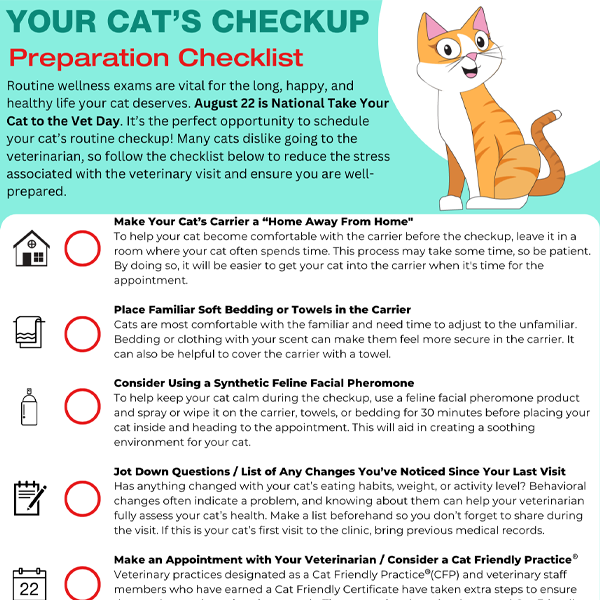
Regular vet visits are a cornerstone of keeping your cat healthy and happy. These visits catch health issues early, often before you notice any signs. They also provide a chance to update vaccinations and discuss any changes in your cat’s behavior or environment.
Frequency Of Checkups
How often should your cat see the vet? For most adult cats, an annual checkup is essential. Kittens and senior cats need visits more frequently—every 3 to 6 months—to monitor growth or age-related issues.
Don’t wait for signs of illness. Regular checkups can reveal hidden problems like kidney disease or diabetes early, improving your cat’s chances of recovery.
Vaccination Schedules
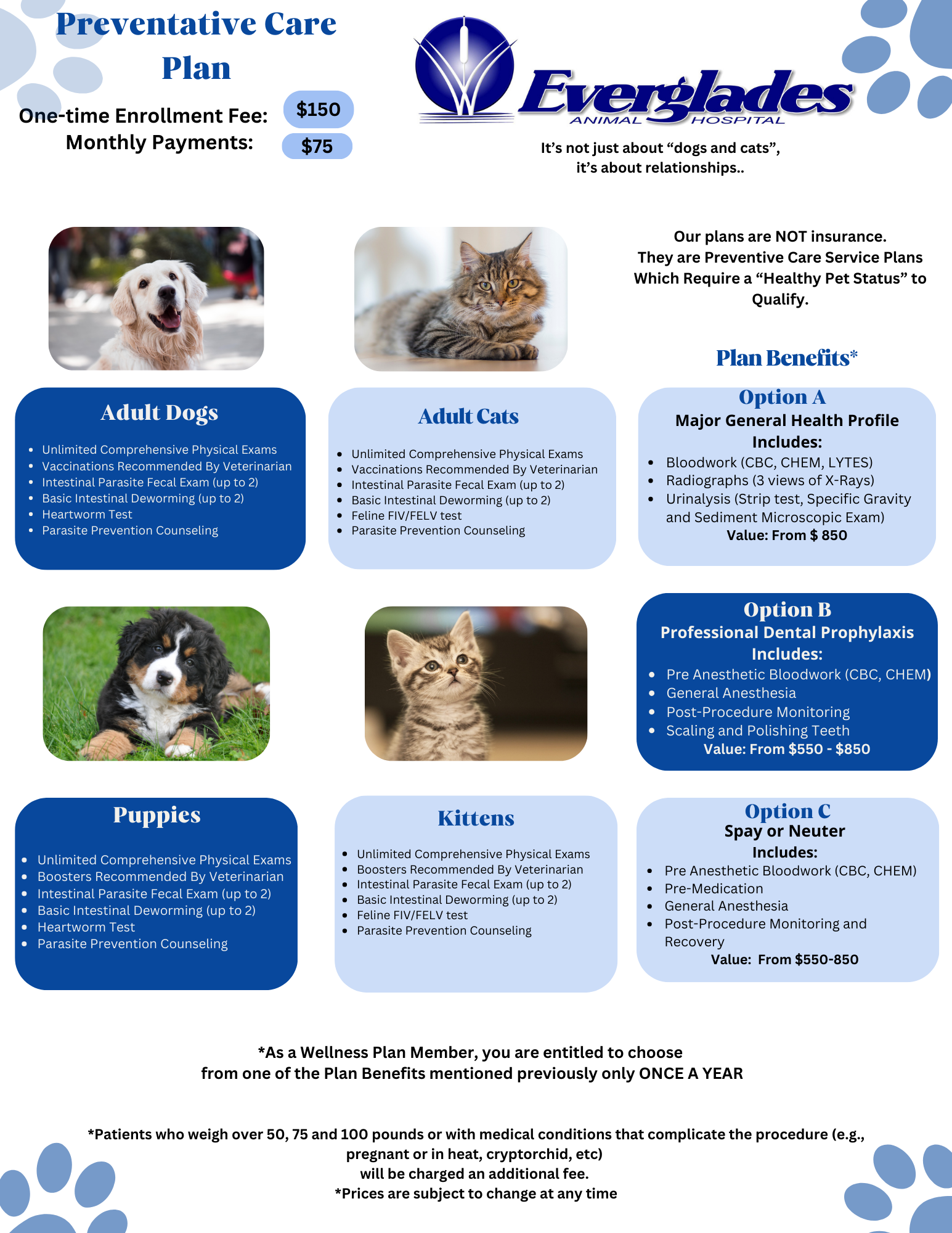
Vaccinations protect your cat from serious diseases like feline distemper and rabies. Your vet will create a schedule based on your cat’s age, lifestyle, and local risks.
- Kittens usually start vaccinations at 6-8 weeks old.
- Boosters are given annually or every three years depending on the vaccine.
- Outdoor cats often need more frequent vaccines than indoor cats.
Have you thought about how your cat’s lifestyle affects their vaccine needs? Staying on schedule helps avoid outbreaks and keeps your cat safe.
Dental Care Importance
Dental health often gets overlooked, but it’s vital for your cat’s wellbeing. Poor dental hygiene can lead to pain, infections, and even affect your cat’s heart or kidneys.
During vet visits, ask about dental checkups and cleanings. Simple at-home brushing can help, but professional care ensures thorough cleaning and early detection of problems.
Have you checked your cat’s teeth lately? Healthy teeth mean a healthier cat overall.
Credit: www.petmd.com
Balanced Nutrition
Balanced nutrition is key to keeping cats healthy and active. Proper food gives them energy and supports their immune system. Cats need a mix of proteins, fats, and vitamins to thrive. A diet lacking essential nutrients can lead to illness or poor growth. Paying attention to what your cat eats helps prevent many health problems.
Choosing The Right Diet
Cats are obligate carnivores, so protein is essential. Look for foods with real meat listed first. Avoid fillers like corn or wheat, which add little value. Wet food helps with hydration and is easier to digest. Dry food can support dental health but must be balanced with water intake. Age, weight, and activity level affect diet needs. Consult your vet for tailored advice.
Hydration Tips
Cats often drink less water than needed. Wet food increases moisture intake naturally. Always provide fresh, clean water in a quiet spot. Some cats prefer running water; a cat fountain can help. Avoid milk or sugary drinks; they harm digestion. Monitor water intake to spot dehydration early.
Supplements And Treats
Supplements can support joints, skin, and coat health. Omega-3 fatty acids and taurine are common and useful. Treats should be given in moderation to avoid weight gain. Choose healthy treats with natural ingredients. Avoid those with artificial colors or preservatives. Treats can be used for training and bonding but not as a meal replacement.
Parasite Prevention
Parasite prevention is essential for a cat’s health and happiness. Parasites can cause serious illness and discomfort. Protecting your cat from parasites improves its quality of life and prevents health problems.
Flea And Tick Control
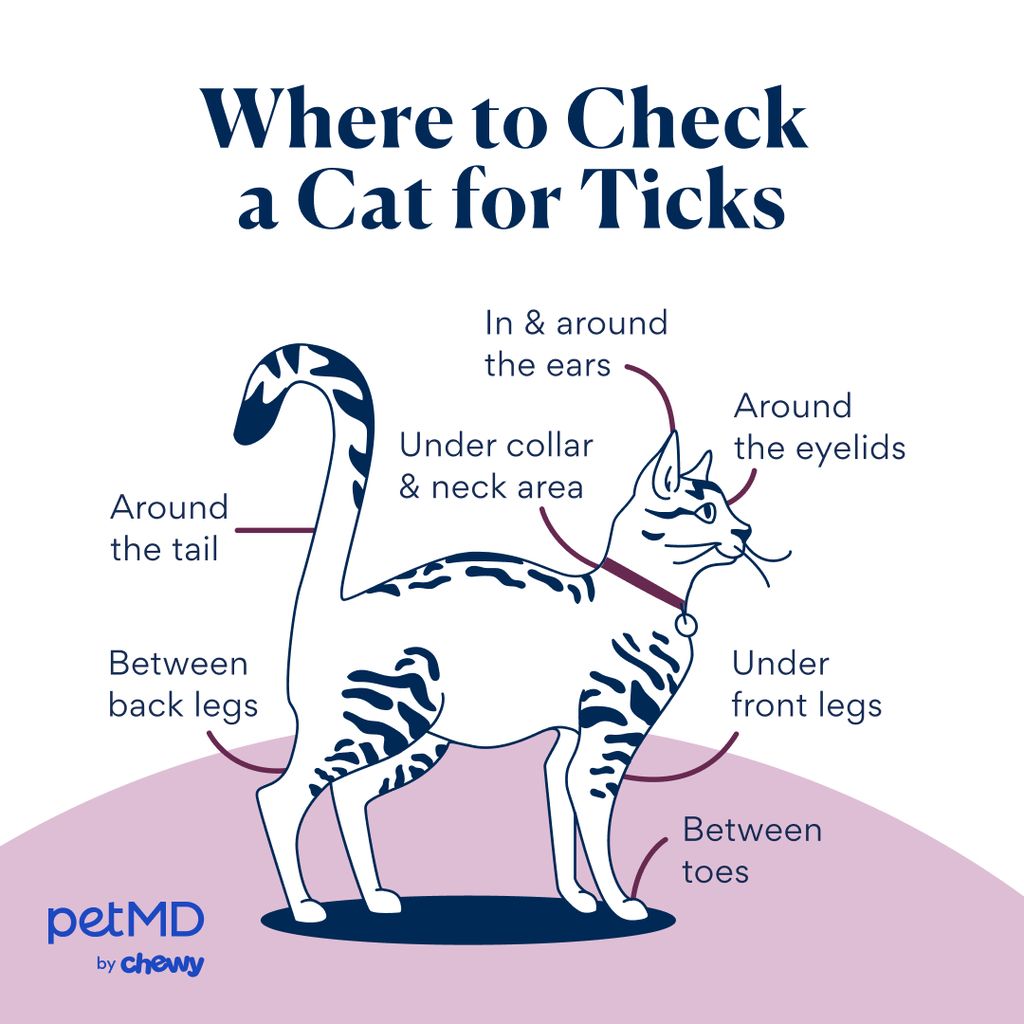
Fleas and ticks irritate cats and spread diseases. Use vet-approved treatments regularly to keep them away. Spot-on drops, collars, and oral medications work well. Check your cat’s fur and skin often. Remove any fleas or ticks immediately to stop bites and infections.
Worming Treatments
Worms live inside cats and harm their organs. Common worms include roundworms, tapeworms, and hookworms. Give worming tablets or pastes as recommended by your vet. Treat kittens more often because they get worms easily. Regular worming keeps your cat healthy and safe.
Environmental Hygiene
Clean surroundings reduce parasite risks. Wash your cat’s bedding and toys weekly. Remove waste from litter boxes daily to stop parasite eggs. Keep your home and garden free of pests. A clean environment helps keep your cat parasite-free and healthy.
Credit: evergladesanimalhospital.com
Exercise And Enrichment
Regular exercise keeps cats healthy and helps prevent obesity. Providing toys and playtime also stimulates their minds and reduces stress. Enrichment activities support both physical and mental well-being for a happy cat.
Keeping your cat healthy isn’t just about feeding them the right food; exercise and enrichment play a crucial role too. Cats are natural hunters and need activities that engage their bodies and minds. Providing regular exercise and mental stimulation helps prevent obesity and keeps their instincts sharp.Indoor Play Ideas
Transform your living room into a feline playground. Use toys like feather wands and laser pointers to mimic the movements of prey. Create obstacle courses with boxes and furniture for climbing and exploring. Have you ever tried hiding treats around the house? It turns mealtime into a scavenger hunt and encourages your cat to move. Rotate toys weekly to maintain their interest and excitement.Outdoor Safety
If your cat enjoys the outdoors, safety is key. Supervised outings in a secure area can offer them fresh air and new experiences. Consider a cat harness and leash for controlled exploration. Ensure the yard is free from toxic plants and harmful chemicals. A catio—a secure outdoor enclosure—provides a safe environment while satisfying their curiosity.Mental Stimulation
Keeping your cat’s mind active is as important as physical exercise. Puzzle feeders challenge them to work for their food, engaging their problem-solving skills. Interactive toys that respond to touch or sound can keep them entertained for hours. Why not teach your cat some tricks? Training sessions not only stimulate their brain but also strengthen your bond. Remember, a bored cat can become a mischievous cat, so mix up activities regularly to keep them engaged.Weight Management
Maintaining a healthy weight is essential for your cat’s overall wellbeing. Weight management goes beyond just feeding habits; it involves careful monitoring and making informed choices daily. Overweight cats face serious health issues, but with the right approach, you can help your feline friend stay fit and active.
Monitoring Body Condition
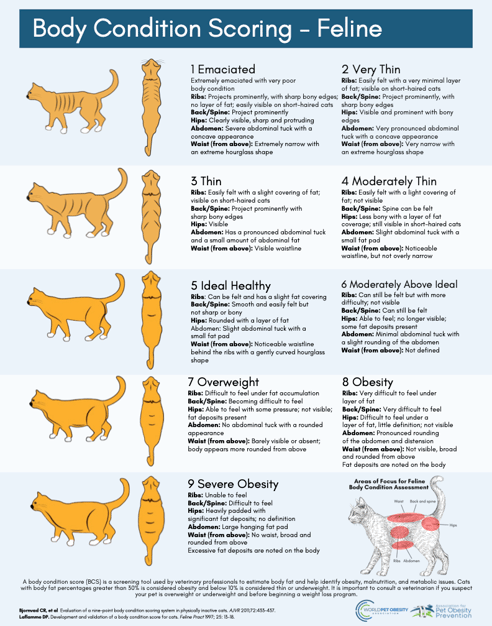
Keep an eye on your cat’s body shape regularly. You should be able to feel their ribs without pressing too hard and see a noticeable waist behind the ribs when viewed from above.
Use a simple body condition chart to track progress. It’s easy to overlook gradual weight gain until it becomes a problem. Have you checked your cat’s body condition this week?
Portion Control
Controlling the amount of food your cat eats is crucial. Even small extra bites or treats can add up quickly over time.
Measure meals with a proper cup or scale instead of guessing. Feeding specific portions at set times helps avoid overeating and keeps your cat’s metabolism steady.
- Choose high-quality, nutrient-rich food that matches your cat’s age and activity level.
- Avoid free-feeding; scheduled meals create a routine and prevent grazing all day.
- Limit treats to no more than 10% of daily calorie intake.
Risks Of Obesity
Excess weight puts your cat at risk for diabetes, arthritis, and heart problems. It can also reduce their energy and shorten their lifespan.
Think about how obesity could affect your cat’s ability to play or jump. Are you willing to watch your cat struggle with simple activities later in life?
Addressing weight early can prevent these issues and improve your cat’s quality of life dramatically. Small changes today lead to healthier tomorrows.
Grooming Essentials
Grooming is a key part of keeping cats healthy and happy. It helps remove dirt, loose fur, and prevents hairballs. Regular grooming also strengthens the bond between you and your cat. Cats need specific care for their coat, nails, ears, and eyes. Each part requires gentle attention and the right techniques.
Brushing Techniques
Brush your cat’s coat gently to avoid hurting their skin. Use a brush made for cats with soft bristles or fine teeth. Start with short sessions to get your cat used to the process. Brush in the direction of hair growth. Focus on areas with thick fur or mats. Regular brushing reduces shedding and stops hairballs.
Nail Trimming
Trim your cat’s nails carefully to prevent overgrowth and damage. Use a sharp, cat-specific nail clipper. Hold the paw firmly but gently. Cut only the sharp tip, avoiding the pink quick inside. If unsure, trim a small amount and repeat later. Nail care protects your furniture and keeps your cat comfortable.
Ear And Eye Care
Check your cat’s ears and eyes regularly for dirt or signs of infection. Use a soft, damp cloth to clean around the eyes. Avoid touching the eyeball directly. For ears, use a cotton ball moistened with a vet-approved cleaner. Never insert anything deep into the ear canal. Clean ears and eyes help prevent infections and discomfort.
Stress Reduction
Stress can harm a cat’s health just like illness. Cats under stress may eat less, hide, or act aggressively. Reducing stress helps keep cats happy and healthy. It also supports their immune system and prevents diseases. Creating a calm, safe environment is key to stress reduction.
Safe Spaces
Cats need places to feel safe and secure. These areas should be quiet and away from loud noises. A cozy bed, a high perch, or a covered box works well. Safe spaces give cats a chance to relax and escape from stress.
Routine And Environment
Cats thrive on routine. Feeding, playtime, and sleep should happen at regular times. A stable environment lowers anxiety. Avoid sudden changes like moving furniture or loud visitors. Keep the environment clean and calm to help your cat feel safe.
Signs Of Stress
Recognize stress early by knowing common signs. Watch for:
- Hiding or avoiding people
- Loss of appetite
- Excessive grooming or scratching
- Changes in litter box habits
- Vocalizing more than usual
Noticing these signs helps address stress quickly. Early care prevents health problems and improves your cat’s well-being.
Credit: www.preventivevet.com
Frequently Asked Questions
What Vaccinations Do Cats Need For Prevention?
Cats require core vaccines like rabies, feline distemper, and respiratory viruses. Vaccinations protect them from common, serious diseases. Consult your vet for a tailored vaccination schedule based on your cat’s lifestyle.
How Often Should Cats Have Wellness Exams?
Cats should visit the vet at least once a year. Regular exams detect early health issues and maintain overall wellness. Senior cats or those with health problems may need more frequent check-ups.
What Parasite Prevention Is Essential For Cats?
Prevent fleas, ticks, and worms with monthly treatments. Parasite control protects cats from discomfort and serious diseases. Use vet-recommended products suitable for your cat’s age and health status.
Why Is Dental Care Important For Cats?
Dental health prevents pain, infections, and tooth loss. Regular brushing and professional cleanings maintain oral hygiene. Good dental care improves your cat’s quality of life and overall health.
Conclusion
Preventative health keeps cats happy and healthy for years. Regular vet visits catch problems early and save lives. Vaccines protect against serious diseases and infections. Flea, tick, and worm control prevent discomfort and illness. Proper diet and exercise help maintain a healthy weight.
Dental care avoids painful mouth problems. Watch your cat’s behavior for any changes. Small efforts make a big difference in their well-being. Caring for your cat today means a longer, joyful life tomorrow. Simple steps create a strong foundation for good health.



Leave a Reply