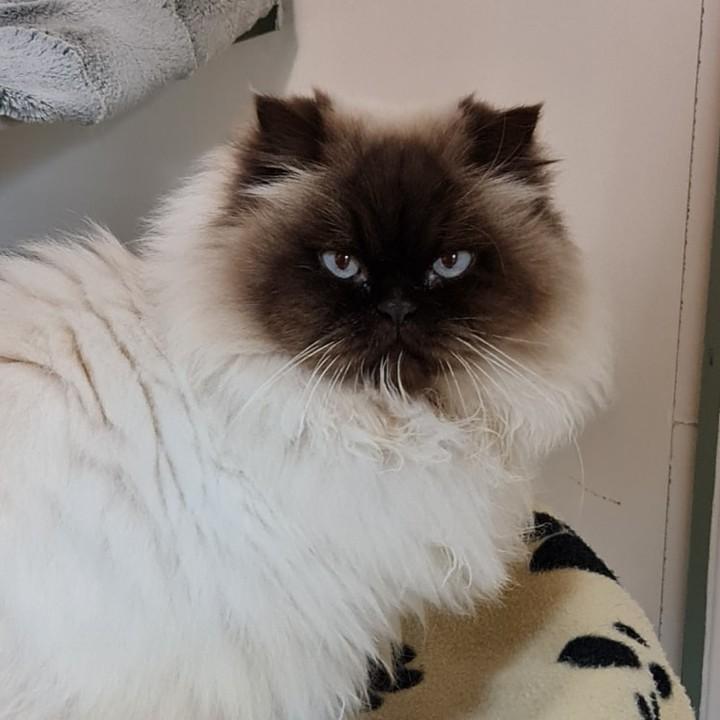
Is your cat stressed or uncooperative during grooming time? You might be wondering, “Is it ok to sedate my cat for grooming?” It’s a common question for many cat owners who want to keep their pets clean without causing them distress.
But before you decide, it’s important to understand the risks and benefits. You’ll learn what sedation means for your cat’s safety and comfort, and discover safer alternatives to make grooming easier. Keep reading to find out how to make grooming a calmer experience for both you and your furry friend.
Credit: dapperdoggery.com
Reasons For Sedating Cats
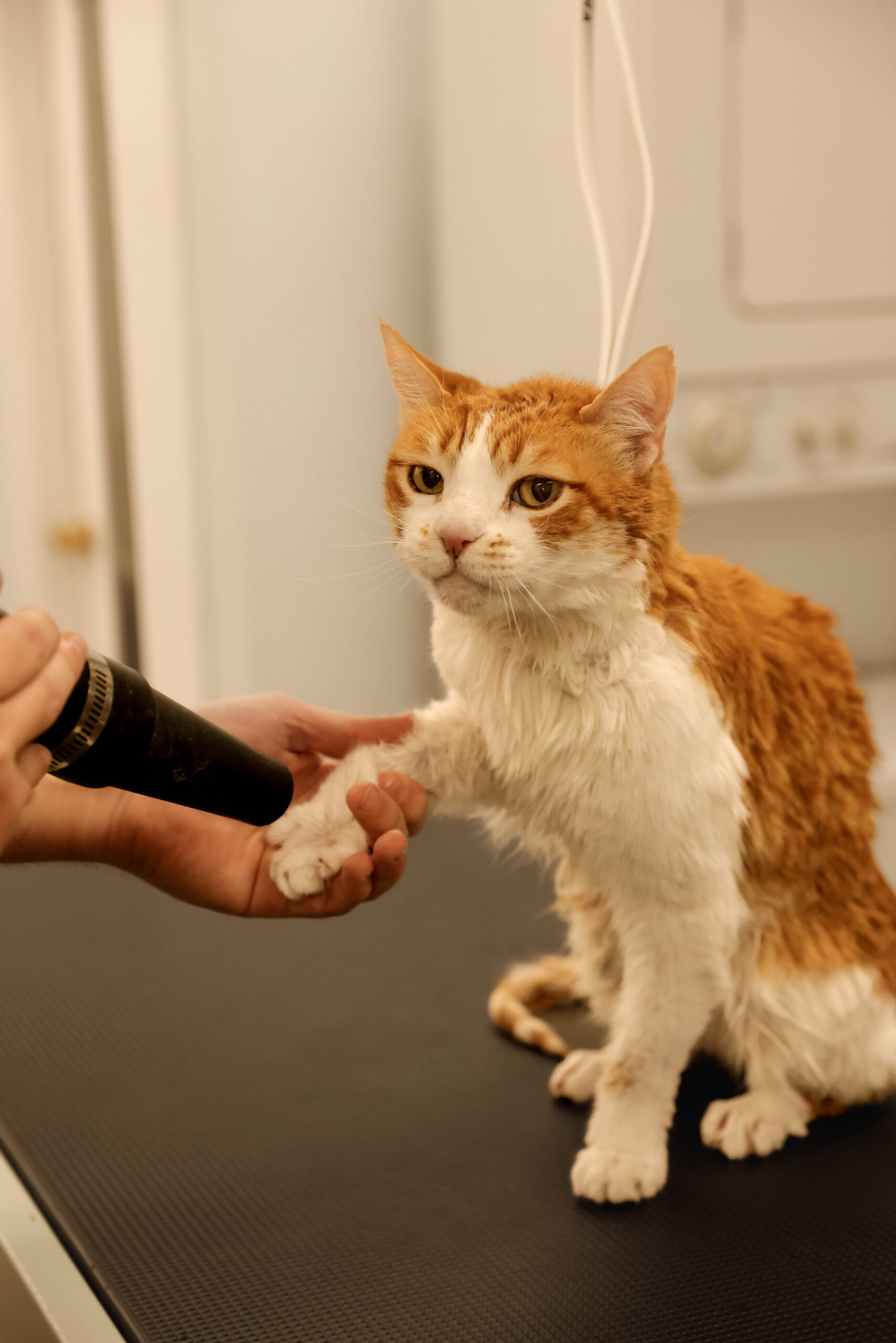
Sometimes, cats need sedation during grooming to ensure their safety and comfort. Grooming can be difficult for some cats due to various reasons. Sedation helps calm them and makes the process easier for both the cat and the groomer.
Stress And Anxiety During Grooming
Many cats feel scared or stressed during grooming sessions. Strange sounds, smells, and handling can cause anxiety. Sedation reduces their stress and prevents panic or injury. It helps cats stay calm and relaxed, making grooming less traumatic.
Medical Conditions Affecting Grooming
Certain health problems make grooming painful or hard for cats. Arthritis, skin infections, or wounds can cause discomfort. Sedation allows safe grooming without causing more pain. It also helps groomers avoid hurting sensitive areas.
Handling Aggressive Behavior
Some cats react aggressively when touched or restrained. Biting and scratching can hurt both the cat and groomer. Sedation controls aggressive behavior and keeps everyone safe. It allows grooming without stress or struggle for aggressive cats.
Credit: www.petscare.com
Types Of Sedatives For Cats
Sedating a cat for grooming can make the process less stressful. Knowing the types of sedatives helps you choose the right one. Sedatives come in many forms, from prescription medicines to natural options. Understanding these options is important for your cat’s safety and comfort.
Commonly Used Medications
Veterinarians often prescribe sedatives for grooming. Some common ones include:
- Midazolam – a fast-acting sedative with calming effects.
- Acepromazine – used to reduce anxiety and motion sickness.
- Gabapentin – helps with nerve pain and anxiety before grooming.
- Dexmedetomidine – offers sedation and pain relief.
These medications require a vet’s prescription and guidance. They work well but must be used carefully.
Natural Alternatives
Some pet owners prefer natural sedatives. These options may have fewer side effects:
- CBD oil – may reduce anxiety and stress.
- Valerian root – a herbal remedy with calming properties.
- Chamomile – known for its mild soothing effects.
- L-theanine – an amino acid that promotes relaxation.
Natural sedatives are gentle but may not work for every cat. Consult your vet before using these options.
Dosage And Safety
Correct dosage is vital for your cat’s safety. Overdosing can cause serious health risks.
Always follow your vet’s instructions carefully. Never give human medications to cats.
Watch your cat closely after sedation. Look for unusual behavior or breathing problems.
Keep emergency contact numbers ready in case of adverse reactions.
Risks And Precautions
Using sedation for cat grooming has risks. Knowing these helps keep your cat safe. Always take precautions before deciding on sedation. Understanding the side effects and limits is key.
Possible Side Effects
- Drowsiness and lack of coordination after sedation
- Vomiting or nausea can occur in some cats
- Breathing may slow down or become irregular
- Changes in heart rate or blood pressure
- Rare allergic reactions to sedative drugs
Side effects vary by cat’s age and health. Watch your cat closely after sedation. Seek help if unusual signs appear.
When Sedation Is Not Recommended
- Cats with heart or lung disease
- Very young kittens or elderly cats
- Cats with liver or kidney problems
- Pregnant or nursing cats
- Cats with a history of adverse drug reactions
Not every cat is a good candidate for sedation. Sedation can be risky for weak or sick cats. Always consider your cat’s health status first.
Consulting Your Veterinarian
Talk to your vet before sedating your cat. The vet can assess your cat’s health carefully. They suggest the safest sedation options available.
Your vet explains how to prepare and care for your cat. Follow their instructions strictly for best results. Never sedate your cat without professional advice.
Alternatives To Sedation
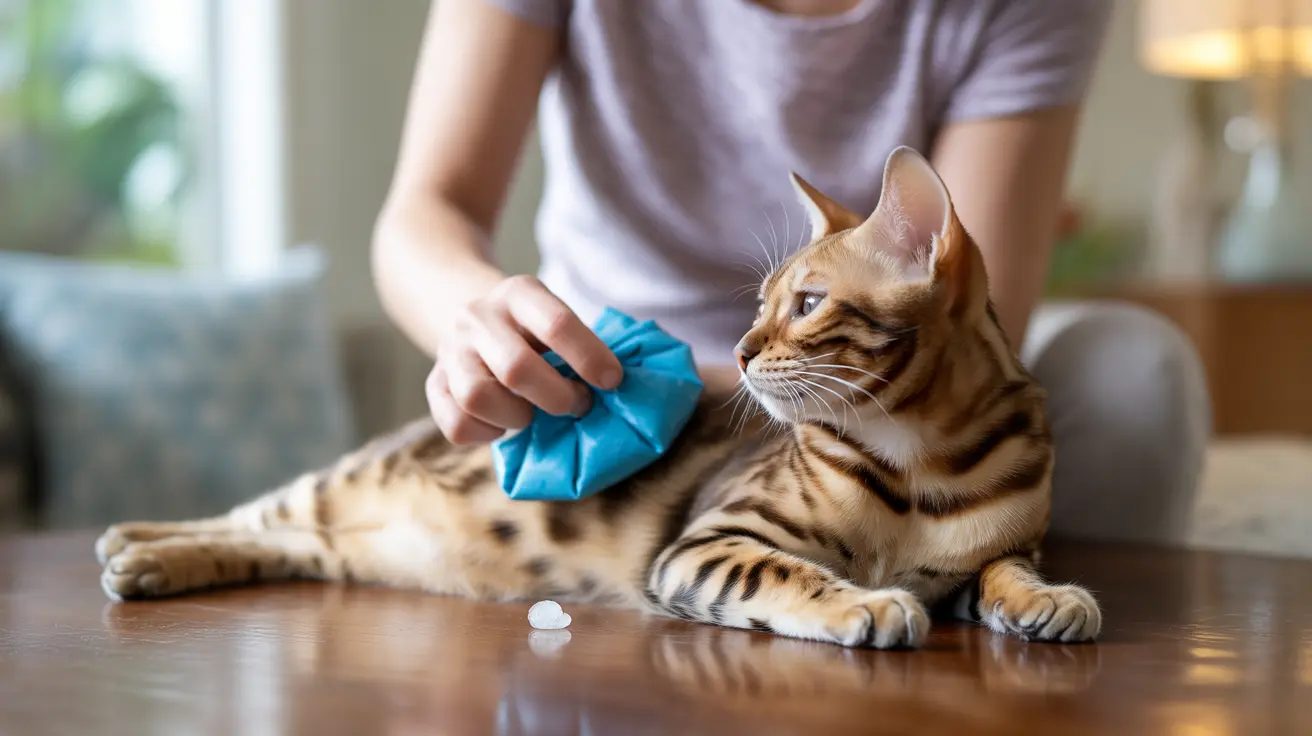
Sedation is not the only way to groom a cat safely. Gentle handling, calming sprays, and short grooming sessions can reduce stress. Using treats and patience helps your cat stay relaxed without drugs.
Grooming your cat can sometimes feel like a wrestling match, and the idea of sedation might seem like a tempting shortcut. However, sedation isn’t the only way to keep your furry friend calm and cooperative during grooming sessions. Fortunately, there are several alternatives that can help make the process easier for both you and your cat. By exploring these options, you can ensure a stress-free grooming experience without the need for sedation.Behavioral Training Techniques
Training your cat to tolerate grooming can be an effective long-term solution. Start by introducing grooming tools gradually. Let your cat sniff the brush or comb, rewarding them with treats and praise. Short and frequent grooming sessions can help your cat get used to the routine. Patience is key; over time, your cat will learn that grooming is a positive experience. Consider clicker training to reinforce good behavior. This method can be particularly effective for teaching your cat to stay calm during grooming.Professional Grooming Services
Sometimes, it’s best to leave grooming to the experts. Professional groomers have experience handling cats of all temperaments. They often have specialized tools and techniques to manage even the most anxious cats. A professional groomer can make the experience smoother and less stressful for both you and your pet. Before choosing a groomer, check reviews and ask about their experience with cats. A well-reviewed professional can be a great partner in maintaining your cat’s grooming needs.Calming Products And Tools
Calming products can be a lifesaver when it comes to reducing your cat’s anxiety. Products like pheromone sprays and calming collars can create a more relaxed environment. Tools such as grooming gloves can make the process feel more like petting than grooming. This can be less intimidating for your cat. Some cats respond well to soothing music or white noise during grooming. Experiment with different products and tools to find what works best for your cat. So, have you tried any of these alternatives before? Each cat is unique, and it might take a bit of trial and error to find the perfect solution for your furry friend. But with patience and persistence, you can make grooming a more pleasant experience without resorting to sedation.Preparing Your Cat For Grooming
Preparing your cat for grooming is key to a smooth experience. It reduces stress and helps your cat stay calm. Start by making small changes over time. This way, your cat feels safe and comfortable during grooming sessions.
Creating A Calm Environment
Choose a quiet room with little noise or distractions. Soft lighting can make the space feel peaceful. Play gentle music or keep the room silent, depending on your cat’s preference. Keep other pets away during grooming to avoid stress. Use a soft towel or mat for your cat to sit on.
Familiarizing Your Cat With Grooming Tools
Show your cat the grooming tools before using them. Let your cat sniff and touch brushes or combs. Try short sessions where you gently stroke your cat with the tools. Praise your cat with soft words or treats for calm behavior. This builds trust and reduces fear of grooming items.
Timing And Frequency Of Grooming
Pick a time when your cat is relaxed, such as after a nap. Keep grooming sessions short, about 5 to 10 minutes. Increase session length slowly as your cat gets used to grooming. Regular grooming prevents mats and keeps fur healthy. Aim for at least once a week, more for long-haired cats.

Credit: www.yahoo.com
Frequently Asked Questions
Is Sedating Cats For Grooming Safe?
Sedating cats for grooming can be safe if done under veterinary supervision. It reduces stress and prevents injury. However, sedation carries risks, especially for older or sick cats. Always consult your vet to choose the safest option for your cat’s health and comfort.
When Should I Consider Sedation For My Cat’s Grooming?
Consider sedation if your cat is extremely anxious, aggressive, or has matted fur. Sedation helps ensure a thorough grooming session without harm. Always discuss with your vet to evaluate the risks and benefits before deciding on sedation.
What Are The Risks Of Sedating Cats For Grooming?
Risks include respiratory issues, allergic reactions, and prolonged recovery. Sedatives affect each cat differently based on health and age. Proper veterinary assessment minimizes these risks. Never sedate your cat without professional guidance.
How Can I Prepare My Cat For Sedated Grooming?
Follow your vet’s instructions carefully, including fasting before sedation. Keep your cat calm and comfortable before the appointment. Inform the groomer about any health concerns. Preparation ensures a safer grooming experience.
Conclusion
Sedating a cat for grooming can help some pets stay calm. Always talk to your vet first. They can suggest safe options for your cat. Sedation is not the best choice for every cat. Watch your pet closely for any side effects.
Regular grooming without sedation is safer for many cats. Keep your cat comfortable and stress-free during grooming. Your cat’s health and safety must come first. Choose what feels right for your furry friend.



Leave a Reply