Have you ever wondered when your cat will stop having kittens? Understanding what age cats stop breeding is important for every cat owner.
It helps you make the best decisions for your pet’s health and happiness. You will discover the key signs to watch for and learn how age affects your cat’s ability to reproduce. By the end, you’ll feel confident about managing your cat’s breeding years and keeping her safe.
Keep reading to find out everything you need to know!
Credit: animals.howstuffworks.com
Cat Reproductive Lifespan
The reproductive lifespan of cats is a fascinating topic that directly impacts their health and behavior. Understanding when cats start and stop breeding helps you make informed decisions about their care and well-being. Let’s look closely at the phases of a cat’s breeding years and what influences their reproductive abilities.
When Cats Reach Sexual Maturity
Cats usually reach sexual maturity between 5 to 12 months old, but this can vary by breed and environment. Smaller breeds tend to mature faster, sometimes as early as four months, while larger breeds may take up to a year. Early maturity means your cat could start having kittens much sooner than you expect.
Have you noticed your cat’s behavior change suddenly around this age? This often signals they are ready to mate or go into heat. Being aware of this helps you manage their environment better.
Typical Breeding Age Range
Cats typically breed from the time they reach maturity until around 7 to 10 years old. However, many cats slow down or stop breeding before this, especially if they have health issues or lifestyle changes. Wild or feral cats may breed continuously until older, while indoor cats often have a shorter breeding span.
Knowing the typical breeding range helps you decide when to spay or neuter your cat to prevent unwanted litters. It also reminds you to monitor their health more closely as they age.
Factors Influencing Breeding Ability
- Health:Chronic illnesses or poor nutrition can reduce fertility.
- Environment:Stress or changes in living conditions may disrupt breeding cycles.
- Breed:Some breeds have longer or shorter reproductive lifespans.
- Spaying/Neutering:Obviously stops breeding but also affects hormone levels and behavior.
Have you ever wondered why some cats seem to stop going into heat suddenly? Sometimes it’s a sign of health problems or aging. Paying attention to these factors can help you support your cat’s reproductive health and make better care choices.
Credit: www.diamondpet.com
Signs Of Declining Fertility
Noticing signs of declining fertility in your cat can help you understand when she might be nearing the end of her breeding years. These signs don’t always appear suddenly but develop gradually, signaling changes in her reproductive system. Paying attention to these subtle shifts can help you make informed decisions about her care and health.
Changes In Heat Cycles
One clear sign is a change in your cat’s heat cycles. You might observe that her cycles become less frequent or irregular over time. Instead of the usual predictable pattern, she may skip heats or have shorter, less intense periods.
For example, my friend’s cat used to come into heat every three weeks like clockwork. As she aged, the intervals stretched out, and eventually, the heat signs faded altogether. Have you noticed any irregularities in your cat’s behavior during her usual heat times?
Reduced Mating Behavior
Cats with declining fertility often show less interest in mating. Your cat might become less vocal or less affectionate during heat, which is a shift from her previous behavior. She may also avoid male cats or simply not respond to their advances.
This change is more than just behavioral; it reflects hormonal shifts that reduce her readiness to reproduce. If your cat seems indifferent or even irritated during mating attempts, it might be a sign that her breeding phase is winding down.
Physical Health Indicators
Physical signs often accompany fertility decline. Look for changes in her body condition, such as weight loss or gain, and alterations in her coat’s texture or shine. Sometimes, older cats develop lumps or experience vaginal discharge that signals reproductive health issues.
Regular vet check-ups can catch these signs early. Have you checked your cat’s physical health recently? Addressing these changes can improve her quality of life, regardless of her breeding status.
Breed And Individual Differences
Understanding when cats stop breeding isn’t as simple as looking at age alone. Breed and individual differences play a big role. Each cat’s reproductive lifespan can vary based on its genetic makeup and breed characteristics.
Breed-specific Fertility Traits
Different cat breeds have unique fertility traits that affect how long they can breed. Some breeds, like Siamese cats, tend to have longer breeding periods, while others may see a decline earlier.
For example, Persian cats often mature slower and might stop breeding sooner due to their physical traits and health concerns. Knowing your cat’s breed can help you predict its breeding timeline more accurately.
Impact Of Genetics
Genetics influence not just the breed but the individual cat’s fertility. Just like people, some cats inherit genes that make them fertile for longer or shorter periods.
Have you noticed some cats remain active breeders well into their senior years? This can often be traced back to their genetic background, which may carry traits for extended fertility.
Variations Among Individual Cats
No two cats are exactly the same, even within the same breed. Individual health, lifestyle, and environment cause variations in when a cat stops breeding.
Some cats may naturally stop breeding earlier due to health issues or stress, while others continue longer if they stay healthy. Pay attention to your cat’s behavior and health to better understand its reproductive cycle.
Health Considerations For Older Breeding Cats
Breeding older cats requires careful attention to their health and well-being. As cats age, their bodies undergo changes that can affect their ability to breed safely and successfully. Understanding these health considerations helps you make informed decisions that protect your cat and her kittens.
Risks Of Late Breeding
Breeding cats at an older age increases the chances of complications during pregnancy and delivery. Older cats may face a higher risk of miscarriage, stillbirth, or difficult labor. You might notice that recovery times are longer, and the stress of pregnancy can weaken your cat’s overall health.
Have you observed any changes in your older cat’s energy or appetite? These subtle signs could indicate that her body is struggling with the demands of breeding.
Common Age-related Health Issues
Older cats often develop conditions like arthritis, dental disease, and kidney problems. These issues can reduce their ability to care for themselves and their kittens. For example, a cat with arthritis may find it hard to move around or groom properly during pregnancy.
Dental disease can cause pain and affect eating, which is critical during breeding and nursing. Kidney problems may lead to dehydration and weakness, making pregnancy riskier. Monitoring these health concerns closely is essential when considering breeding an older cat.
Veterinary Recommendations
Your veterinarian plays a key role in assessing whether your cat should continue breeding. Regular check-ups, blood tests, and ultrasounds can reveal hidden health problems early. Your vet might advise stopping breeding if the risks outweigh the benefits for your cat’s health.
Vaccinations and parasite control remain important to protect both the mother and her kittens. Have you discussed a tailored health plan with your vet to support your older breeding cat? Their guidance can help ensure safer pregnancies and healthier outcomes.
Alternatives To Breeding Older Cats
Cats usually stop breeding around seven to ten years old. Older cats can still have kittens, but risks increase. Choosing adoption or caring for senior cats offers a loving alternative.
Breeding older cats can pose numerous health risks and challenges. As your feline friend ages, it’s crucial to consider alternatives that prioritize their well-being. By shifting focus from breeding, you can provide them with a fulfilling and healthy life in their senior years.Spaying And Neutering Benefits
Spaying and neutering are vital for preventing unwanted pregnancies. These procedures can also significantly reduce the risk of certain health issues, such as uterine infections and breast tumors in females, and testicular cancer in males. By opting for spaying or neutering, you’re not just controlling the cat population but also enhancing your cat’s quality of life.Adoption And Rescue Options
Consider adoption or rescue as a rewarding alternative to breeding. Senior cats in shelters often seek loving homes. By adopting an older cat, you provide them with a second chance and fill your home with their unique love and companionship.Supporting Senior Cats
Supporting your senior cat involves more than just meeting their basic needs. Engage them with gentle play and regular health check-ups. How can you make their golden years truly golden? By giving them the attention and care they deserve, you ensure they enjoy a comfortable and happy life well into their senior years.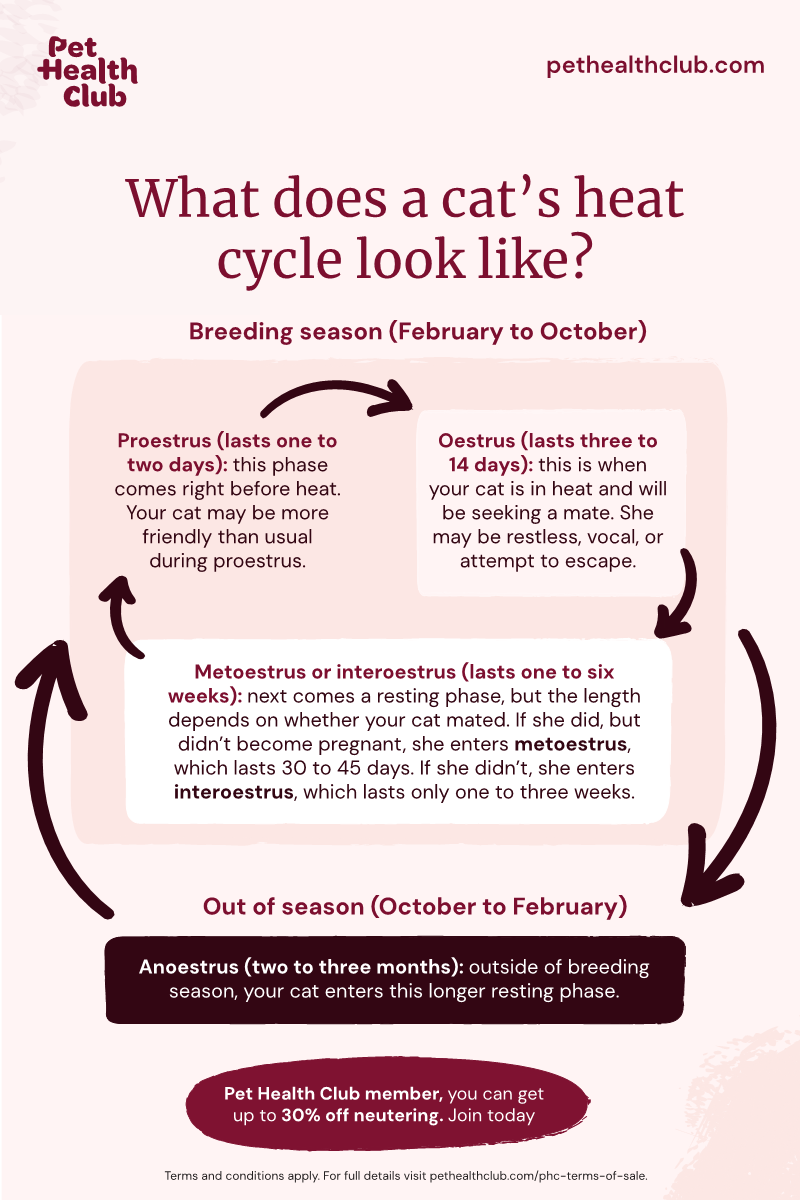
Credit: www.pethealthclub.com
Frequently Asked Questions
At What Age Do Cats Stop Breeding Naturally?
Cats usually stop breeding naturally between 10 to 12 years old. Fertility declines with age, making pregnancy less likely. Some cats may still reproduce beyond this age but with reduced success.
Can Older Cats Still Become Pregnant?
Yes, older cats can become pregnant but fertility drops significantly after 8 years. Pregnancy risks increase for both mother and kittens in senior cats.
How Does Spaying Affect A Cat’s Breeding Age?
Spaying stops a cat’s ability to breed permanently. It’s recommended before the first heat to prevent unwanted pregnancies and health issues.
When Is The Best Age To Stop Breeding Cats?
Experts suggest stopping breeding by 5 to 6 years old for health reasons. Older cats face higher pregnancy complications and decreased litter viability.
Conclusion
Cats usually stop breeding around 10 to 12 years old. Female cats become less fertile as they age. Male cats may still breed but less often. Health and breed also affect breeding ability. Knowing this helps owners care for older cats better.
Always monitor your cat’s health and behavior closely. Breeding decisions should consider your cat’s well-being first. Understanding cat breeding ages supports responsible pet care. Keep your cat comfortable and healthy in all life stages.



Leave a Reply