Have you ever wondered if your cat really needs grooming? You might think cats take care of themselves, but the truth is a bit more complex.
Grooming isn’t just about keeping your cat looking good—it’s about their health and happiness too. If you want to make sure your furry friend stays comfortable and healthy, understanding the importance of grooming is key. Keep reading, and you’ll discover simple ways to help your cat feel their best every day.

Credit: www.latimes.com
Why Grooming Matters
Grooming your cat is more than just keeping them looking neat. It plays a crucial role in their overall health and comfort. Understanding why grooming matters can change how you care for your furry friend and improve their quality of life.
Benefits For Skin And Fur
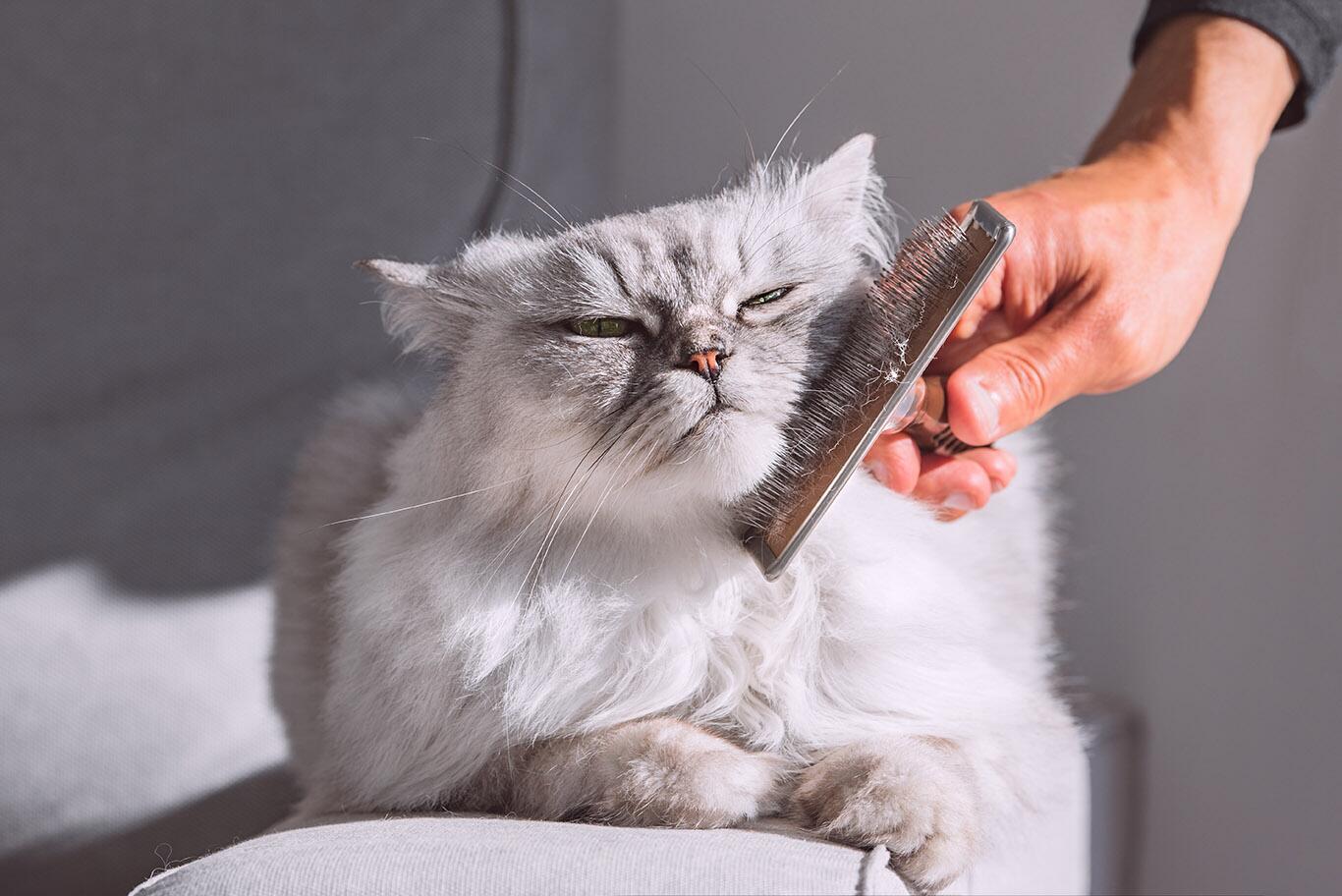
Regular grooming stimulates blood flow to your cat’s skin. This helps deliver essential nutrients, keeping their skin healthy and vibrant. You might notice fewer dry patches or irritation as a result.
Brushing also spreads natural oils through the fur. These oils add shine and protect the coat from damage. Cats with thick or long fur especially benefit from this, as it prevents dullness and breakage.
Preventing Hairballs And Mats
Have you seen your cat coughing up hairballs? Grooming reduces the amount of loose hair your cat swallows during self-cleaning. This means fewer hairballs and less discomfort for your pet.
Mats can be painful and trap dirt and moisture close to the skin. By brushing regularly, you prevent these tangles from forming. This simple step saves your cat from irritation and potential infections.
Credit: hellopetsinc.com
Signs Your Cat Needs Grooming
Knowing when your cat needs grooming is key to keeping them comfortable and healthy. Cats might hide their discomfort well, but certain signs can tell you they’re ready for some grooming attention. Watching closely for these signals helps you act before small issues turn into bigger problems.
Excessive Shedding
If you notice more fur than usual around your home or on your clothes, your cat might need grooming. Shedding is normal, but when it becomes excessive, it can mean their coat isn’t getting enough care.
Regular brushing helps remove loose fur and prevents hairballs. Have you checked your cat’s fur lately to see if it’s shedding more than normal?
Visible Dirt And Tangles
Dirty fur or noticeable tangles can make your cat uncomfortable. Mats and knots pull on the skin and can cause pain or even infections.
Sometimes, cats can’t reach every spot to clean themselves properly, especially older or overweight cats. Spotting dirt or matted fur early means you can step in to groom before it worsens.
Behavioral Clues
Changes in behavior often reveal grooming needs. If your cat starts scratching more or seems restless, it could be due to itching or irritation from unkempt fur.
Also, a cat avoiding touch or hiding might be trying to tell you their coat feels uncomfortable. Have you noticed your cat acting differently around grooming time or avoiding you?
Grooming Tools To Use
Grooming your cat requires the right tools to keep their coat healthy and shiny. Using suitable grooming tools makes the process easier and more effective. Cats have different types of fur, so choosing the correct brush or comb is important. Nail clippers are also essential to keep claws safe and neat. Below are some common grooming tools to help care for your feline friend.
Brush Types For Different Fur
Different brushes work best for different fur types. Short-haired cats benefit from soft bristle brushes. These remove loose hair and dirt gently. For long-haired cats, a slicker brush helps untangle mats and knots. It has fine, short wires close together. A pin brush with rounded tips suits medium-length fur well. It smooths the coat without scratching the skin. Deshedding tools reduce shedding by reaching the undercoat. Choose a brush based on your cat’s fur texture and length.
Combs And Nail Clippers
Combs help remove small tangles and check for fleas. A wide-toothed comb works for thick fur, while a fine-toothed comb suits delicate areas like the face. Nail clippers keep claws trimmed to prevent scratching or damage. Use clippers designed for cats to avoid splitting nails. Trim nails carefully, avoiding the quick—the sensitive part inside the nail. Regular combing and nail trimming keep your cat comfortable and healthy.
How Often To Groom Your Cat
Grooming your cat is essential for their health and comfort. But how often should this be done? The frequency depends on several factors, including your cat’s breed, age, and environment. Regular grooming helps reduce shedding and prevents hairballs. It also strengthens the bond between you and your feline friend.
Factors Affecting Frequency
Different cats have different grooming needs. Long-haired breeds require more frequent grooming sessions. They need brushing several times a week. Short-haired cats might need less frequent grooming. Age also plays a role. Older cats may not groom themselves as well. Outdoor cats might need more grooming than indoor ones. Their fur can collect dirt and debris.
Seasonal Grooming Tips
Seasons can impact how often you groom your cat. In spring, cats shed their winter coat. This means more frequent brushing to manage loose hair. During winter, cats may develop thicker fur. Regular grooming helps prevent matting. Summer grooming can keep your cat cool. A well-groomed coat improves air circulation.
Step-by-step Grooming Process
Grooming your cat regularly keeps them healthy and happy. It removes loose hair, dirt, and prevents matting. A calm and gentle approach helps your cat enjoy the process. Understanding each step makes grooming easier for both you and your cat.
Brushing Techniques
Choose a brush that suits your cat’s fur type. Use gentle strokes to avoid hurting your cat. Start brushing from the head and move toward the tail. Focus on areas with thick fur or tangles. Brush in the direction of hair growth. Regular brushing reduces shedding and hairballs.
Bathing Your Cat Safely
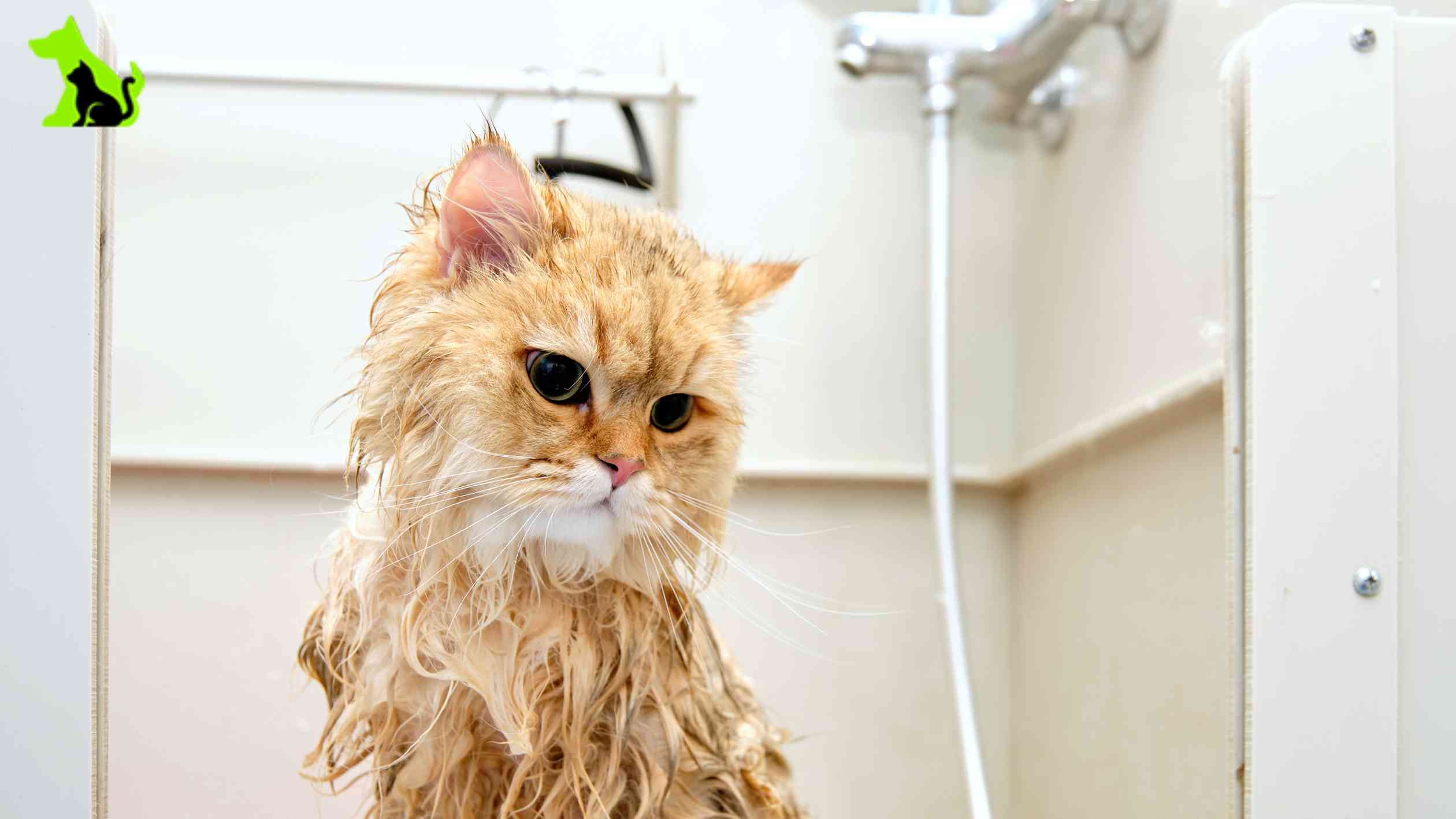
Fill a sink or tub with a few inches of lukewarm water. Use cat-safe shampoo to protect their skin. Wet your cat slowly, avoiding the face and ears. Apply shampoo gently and rinse well to remove all soap. Dry your cat with a soft towel. Keep the room warm to prevent chills.
Handling Nails And Ears
Use a nail clipper made for cats. Hold your cat’s paw firmly but gently. Trim only the sharp tips to avoid cutting nerves. Check ears for dirt or wax build-up. Use a damp cotton ball to clean ears carefully. Avoid pushing too deep to prevent injury.
Credit: www.kinship.com
Dealing With Grooming Challenges
Grooming cats can be tricky for many pet owners. Some cats resist brushing or nail trimming, making the task stressful. Challenges like anxiety and matted fur require special care. Understanding how to manage these issues helps keep cats healthy and comfortable.
Managing Anxious Cats
Many cats feel scared during grooming. Sudden movements and unfamiliar tools add to their stress. Use calm, gentle tones to soothe them. Start grooming in short sessions to build trust. Offer treats to create positive associations. A quiet, safe room reduces distractions. Patience is key to easing anxiety.
Handling Matted Fur
Mats form when fur tangles tightly. They cause discomfort and skin problems. Use a wide-tooth comb to loosen mats gently. Hold the fur close to the skin to avoid pulling. For stubborn mats, try a dematting tool carefully. Never cut mats out as it risks injury. Regular brushing helps prevent mats from forming.
When To Seek Professional Help
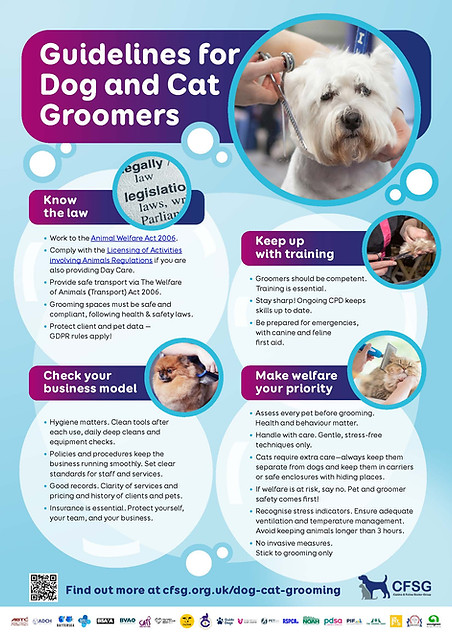
Some grooming tasks need expert care. Severe mats, skin infections, or aggressive behavior require a groomer’s skills. Professionals have special tools and experience. They can trim nails safely and clean ears properly. A vet visit is necessary if grooming causes pain or bleeding. Seeking help ensures your cat stays healthy and happy.
Diet And Grooming Connection
Diet plays a bigger role in your cat’s grooming than you might think. What your cat eats directly impacts the health and shine of their fur. You might notice your cat’s coat looking dull or patchy after a period of poor diet, which shows how connected nutrition is to grooming.
Nutrition For Healthy Fur
Protein is essential for strong, healthy fur. Cats need high-quality animal protein because their bodies use it to build fur and skin cells. Make sure your cat’s food lists real meat, like chicken or fish, as the first ingredient.
Fatty acids, especially omega-3 and omega-6, keep the skin hydrated and fur glossy. These fats help reduce dryness and itching, which makes grooming easier for your cat. You can find these in fish oil or flaxseed oil added to their diet.
Vitamins like A, E, and biotin also support fur health. These nutrients promote skin repair and prevent hair loss. If your cat’s diet lacks these, you might notice more shedding or dullness over time.
Supplements That Help
Supplements can fill gaps in your cat’s diet and boost grooming results. Fish oil capsules or liquid supplements are popular choices to increase omega fatty acids. Many cat owners see a noticeable improvement in coat softness and shine within a few weeks.
Probiotics are another helpful addition. They improve digestion, allowing your cat to absorb more nutrients from food, which supports skin and fur health indirectly. Have you ever noticed your cat’s coat looking better after a change in diet or supplements?
Always check with your vet before starting any new supplement. Too much of certain nutrients can cause problems, so balance is key. Your vet can guide you to the right types and amounts for your cat’s specific needs.
Frequently Asked Questions
Do Cats Need Regular Grooming Sessions?
Yes, cats benefit from regular grooming to remove loose fur and prevent matting. It also helps reduce hairballs and keeps their coat healthy.
How Often Should You Groom A Cat?
Most cats should be groomed at least once a week. Long-haired breeds may require daily grooming to avoid tangles and mats.
Can Cats Groom Themselves Enough?
Cats groom themselves well, but they may miss hard-to-reach spots. Owner grooming supplements their efforts and improves overall cleanliness.
What Are The Benefits Of Grooming Cats?
Grooming improves skin health, reduces shedding, prevents mats, and strengthens the bond between cat and owner. It also helps detect health issues early.
Conclusion
Cats need grooming to stay clean and healthy. Regular brushing helps remove dirt and loose fur. It also prevents hairballs and skin problems. Some cats groom themselves well, but others need help. Long-haired cats especially need extra care. Grooming also strengthens the bond between you and your pet.
Simple grooming routines keep cats happy and comfortable. So, grooming is a small effort with big benefits for your cat’s well-being.

Leave a Reply