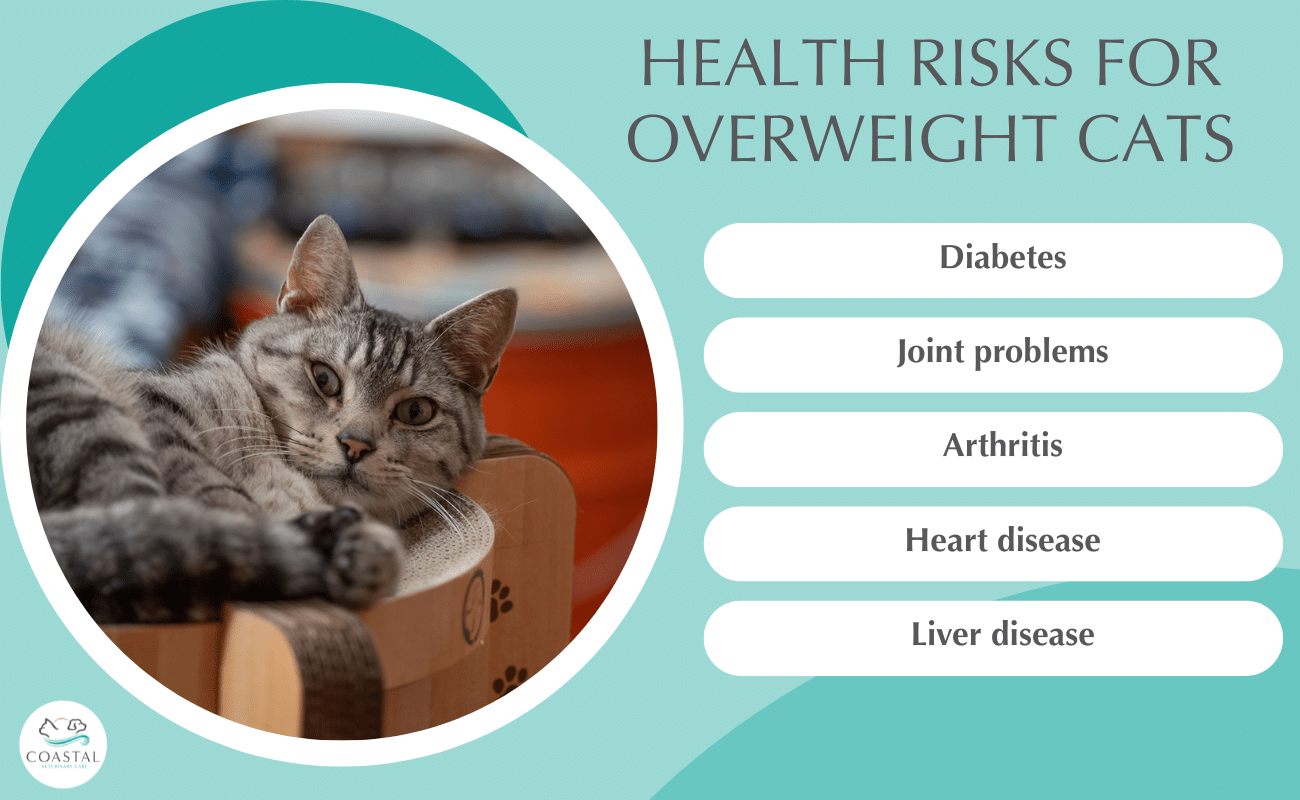
Is your cat carrying a little extra weight? You might think a chubby kitty is just cute, but being overweight can seriously harm your furry friend’s health.
You may not realize how many risks your cat faces when those pounds add up. From joint pain to life-threatening diseases, extra weight can shorten your cat’s happy, active years. Keep reading to discover the hidden dangers of an overweight cat—and how you can protect your beloved pet before it’s too late.
Causes Of Cat Obesity
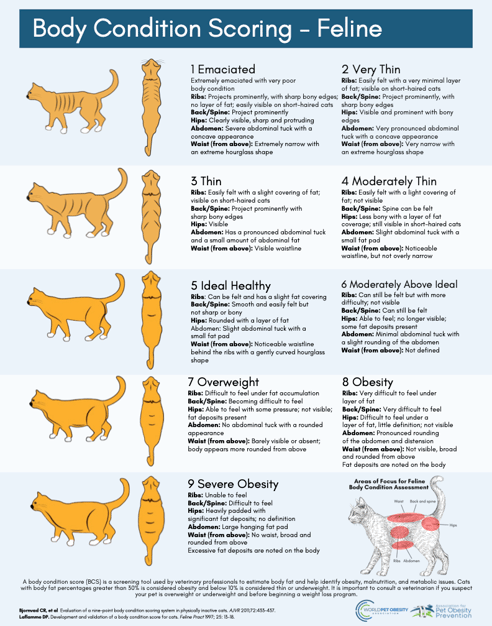
Understanding the causes of cat obesity is key to preventing health problems. Obesity occurs when cats eat more calories than they burn. Several factors contribute to this imbalance. These include diet, exercise habits, and genetics. Each factor plays a role in a cat’s weight gain.
Diet And Overfeeding
Overfeeding is a common cause of obesity in cats. Many cats receive too many treats or large meal portions. Some cat foods are high in calories and fat. Free-feeding or constant access to food can lead to overeating. Feeding the right amount and type of food is important.
Lack Of Exercise
Inactive cats burn fewer calories. Indoor cats especially may not move enough. Without play or activity, energy builds up as fat. Regular exercise helps keep cats fit and healthy. Simple toys and playtime encourage movement and prevent weight gain.
Genetic Factors
Some cats inherit genes that make weight gain easier. Certain breeds tend to gain weight more quickly. Genetics can affect metabolism and appetite. Knowing your cat’s breed traits helps manage their weight. Genetics alone do not cause obesity but increase risk.
Credit: www.preventivevet.com
Common Health Issues
Overweight cats face a range of health challenges that can seriously affect their quality of life. Understanding these common health issues can help you recognize warning signs early and take steps to improve your cat’s well-being. Have you noticed your cat struggling with everyday activities or showing unusual behavior? These could be clues linked to weight-related health problems.
Diabetes Mellitus
Excess weight can lead to diabetes mellitus in cats, a condition where the body struggles to regulate blood sugar. Overweight cats are more likely to develop insulin resistance, which means their bodies can’t use insulin effectively. You might see increased thirst, frequent urination, or sudden weight loss despite a good appetite.
If you spot these symptoms, consult your vet promptly. Managing your cat’s diet and encouraging activity can help prevent or control diabetes.
Arthritis And Joint Problems
Carrying extra pounds puts a lot of strain on your cat’s joints. This can cause arthritis, making movement painful and difficult. You might notice your cat limping, avoiding jumping, or grooming less because bending becomes uncomfortable.
Keeping your cat at a healthy weight reduces joint stress. Simple changes like providing soft bedding and encouraging gentle play can ease discomfort and improve mobility.
Heart Disease
Obesity increases the risk of heart disease in cats by forcing the heart to work harder. This can lead to issues like high blood pressure and heart failure over time. Watch for signs such as rapid breathing, coughing, or fatigue during activity.
Regular vet check-ups are crucial to monitor your cat’s heart health. A balanced diet and active lifestyle support a strong heart and longer life.
Respiratory And Digestive Problems
Excess weight in cats doesn’t just affect their appearance; it can seriously harm their breathing and digestion. Overweight cats often struggle with everyday activities because their respiratory and digestive systems are under extra strain. Recognizing these problems early can help you take steps to improve your cat’s health and comfort.
Breathing Difficulties
Carrying extra fat puts pressure on your cat’s lungs and chest, making it harder to breathe. You might notice your cat panting after mild activity or even while resting, which isn’t normal. Overweight cats are also more prone to developing asthma or other respiratory diseases.
Have you seen your cat struggle to catch their breath after climbing stairs or playing? This can be a red flag showing their respiratory system is compromised. Helping your cat lose weight can ease this burden and improve their breathing noticeably.
Gastrointestinal Issues
Extra weight can slow down your cat’s digestive system, causing problems like constipation or diarrhea. Overweight cats may also experience acid reflux and vomiting more frequently due to pressure on their stomach. These discomforts affect their appetite and overall well-being.
Think about your cat’s eating habits—do they seem uncomfortable after meals or have irregular bowel movements? These signs might point to digestive troubles linked to their weight. Adjusting their diet and encouraging exercise can make a big difference in improving digestion.
Impact On Lifespan And Quality Of Life
Excess weight shortens a cat’s life and lowers its comfort. Overweight cats often struggle with mobility and face more health problems. This reduces their happiness and overall well-being.
Being aware of the health risks associated with an overweight cat is crucial for every pet owner. An overweight cat may seem cute and cuddly, but the extra weight can have severe implications on their lifespan and quality of life. Addressing these concerns proactively can help ensure your feline friend enjoys a healthier, longer life.Reduced Mobility
Excess weight can significantly limit your cat’s mobility. Imagine your cat hesitating to jump onto their favorite windowsill perch because it’s just too challenging. Restricted movement not only reduces playtime but also leads to a sedentary lifestyle, which can exacerbate weight issues. Cats thrive on exploration and play. When they struggle to move, they miss out on these stimulating activities. This lack of movement can lead to muscle loss, further compounding the problem.Increased Stress And Pain
Carrying extra weight can put undue stress on your cat’s joints. Over time, this can lead to arthritis and chronic pain. You might notice your cat becoming more irritable or even avoiding being touched, which can be heartbreaking for a loving pet owner. Pain and discomfort can also cause stress, affecting your cat’s overall well-being. You may see changes in behavior, such as hiding more often or a decrease in their usual playful antics.Shortened Lifespan
The most alarming consequence of obesity in cats is a shortened lifespan. Overweight cats are at higher risk for diseases such as diabetes, heart disease, and liver issues. These health problems can dramatically reduce the number of years you get to spend with your beloved pet. Consider this: every extra pound your cat carries is a step closer to potential health complications. By managing your cat’s weight, you are not just adding years to their life, but also life to their years. Is your cat’s weight affecting their happiness? Taking action today can make a significant difference in their quality of life.Preventing And Managing Obesity
Preventing and managing obesity in cats is key to their health and happiness. Overweight cats face many risks, but careful care can help avoid these problems. Controlling weight involves a mix of good food, exercise, and expert advice.
Balanced Nutrition
Feeding your cat the right food is crucial. Choose high-quality cat food with proper nutrients. Avoid free-feeding or giving too many treats. Measure meals to control calorie intake. Balanced nutrition supports a healthy weight and strong body.
Regular Physical Activity
Exercise helps burn calories and keeps cats active. Play with toys that encourage movement, like feathers or laser pointers. Create spaces for climbing and jumping. Short, frequent play sessions suit cats best. Activity boosts energy and prevents weight gain.
Veterinary Guidance
Consult a vet for personalized advice. They can assess your cat’s weight and health. A vet may suggest a special diet or plan. Regular check-ups track progress and catch issues early. Professional support makes weight management safer and easier.

Credit: www.koreatimes.co.kr

Credit: www.lilyskitchen.co.uk
Frequently Asked Questions
What Health Issues Do Overweight Cats Face?
Overweight cats often develop diabetes, arthritis, and heart disease. Excess weight strains their organs and joints. It also reduces mobility, leading to a poor quality of life and shorter lifespan.
How Does Obesity Affect A Cat’s Lifespan?
Obesity significantly shortens a cat’s lifespan by increasing risks of chronic diseases. It causes organ stress and mobility issues, leading to early health decline and death.
Can Overweight Cats Develop Diabetes?
Yes, overweight cats are at higher risk of diabetes. Excess fat impairs insulin function, causing blood sugar imbalances. Weight management is key to preventing this condition.
How Does Excess Weight Impact A Cat’s Joints?
Extra weight puts pressure on joints, causing pain and arthritis. This limits movement and can lead to permanent joint damage if untreated.
Conclusion
Overweight cats face serious health problems every day. Extra weight stresses their joints and heart. It can cause diabetes and breathing troubles. Weight gain lowers their energy and happiness. Helping cats stay fit improves their life quality. Feeding balanced food and regular play helps a lot.
Watch your cat’s weight to keep them healthy. Small changes can make a big difference. Your cat deserves a long, happy life. Act now to protect your furry friend.



Leave a Reply